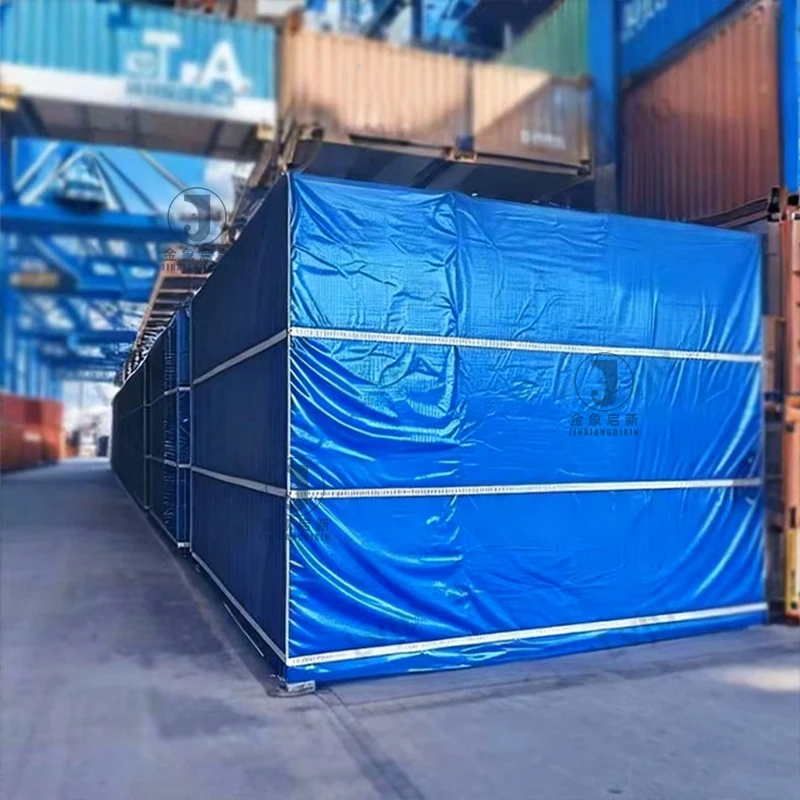
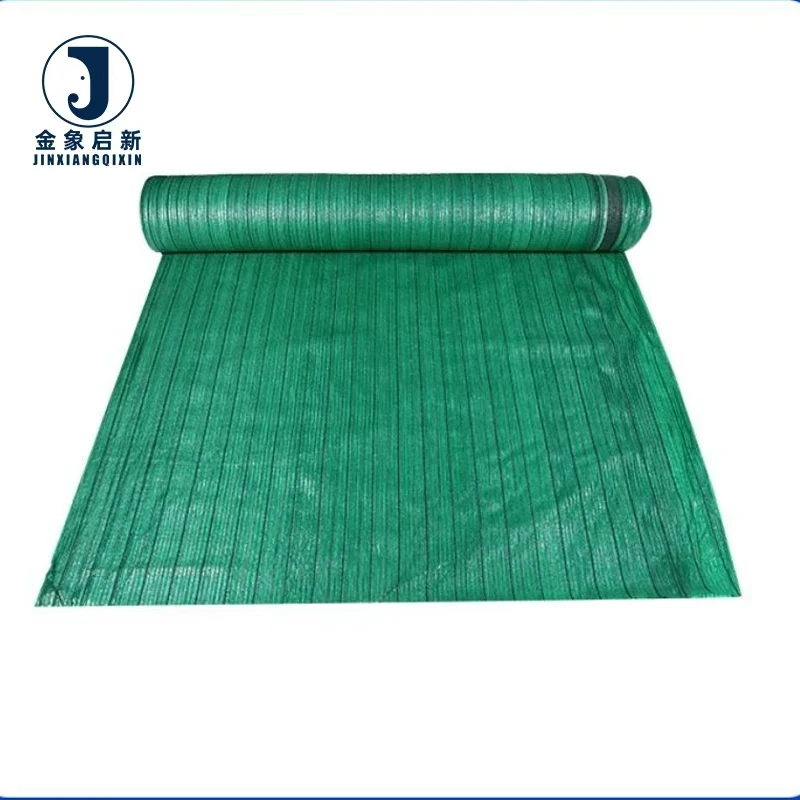
Description
Batch Consistency Focus — Our production control maintains verified roll-to-roll colour and weight uniformity across container-load PE tarpaulin orders, checked against the material specification sheet before dispatch.
Technical Specifications
| Parameter | Value |
|---|---|
| Product Type | PE Tarpaulin Roll / Finished PE Tarpaulin |
| Material | HDPE weaving with LDPE lamination on both sides |
| Mesh Count | 6×6, 6×7, 7×7, 7×8, 8×8, 9×9, 8×10, 10×10, 12×12, 14×14, 14×16 (confirm grade for order) |
| Weight (GSM) | 50 gsm to 300 gsm depending on mesh count (specify grade at inquiry) |
| Total Thickness | 0.2–0.4 mm (8–16 mil) |
| Roll Width | 6 ft, 8 ft, 10 ft, 12 ft, 2 m, 4 m, 6 m |
| Roll Length | 100 yards, 100 metres, or custom |
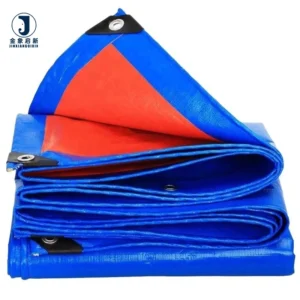
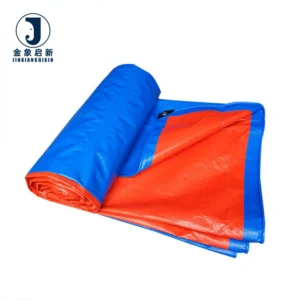
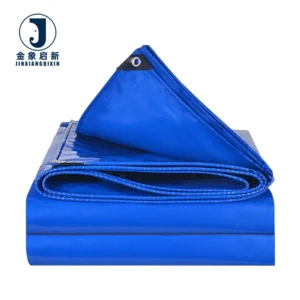
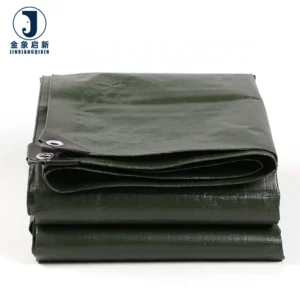
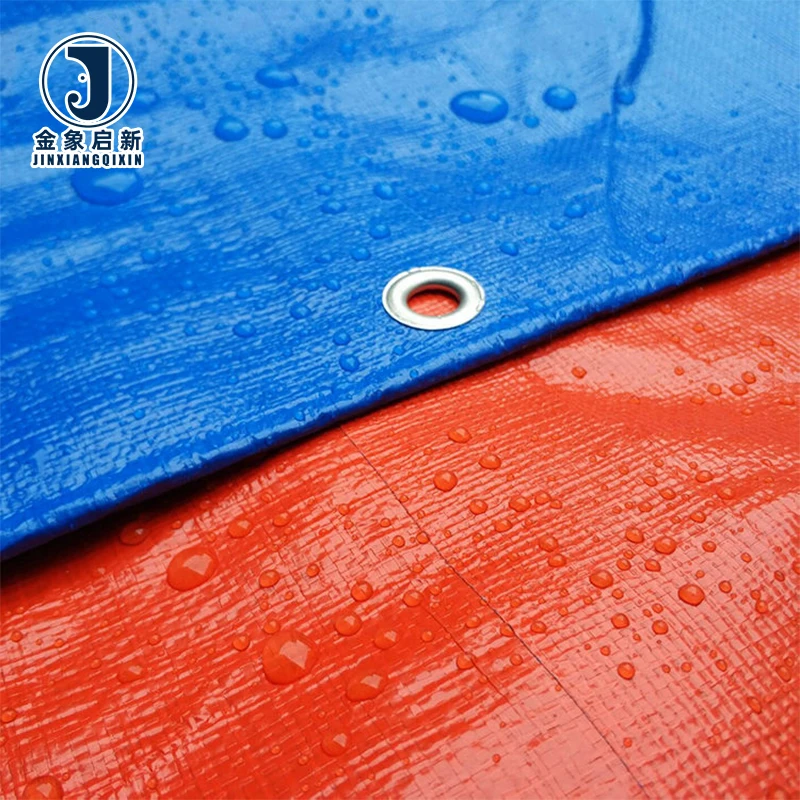
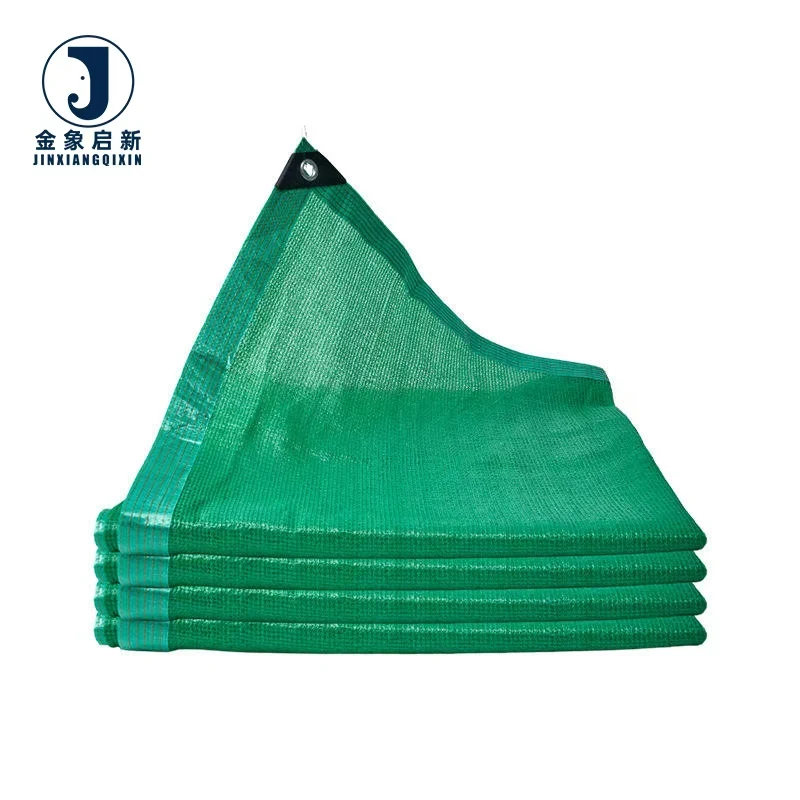
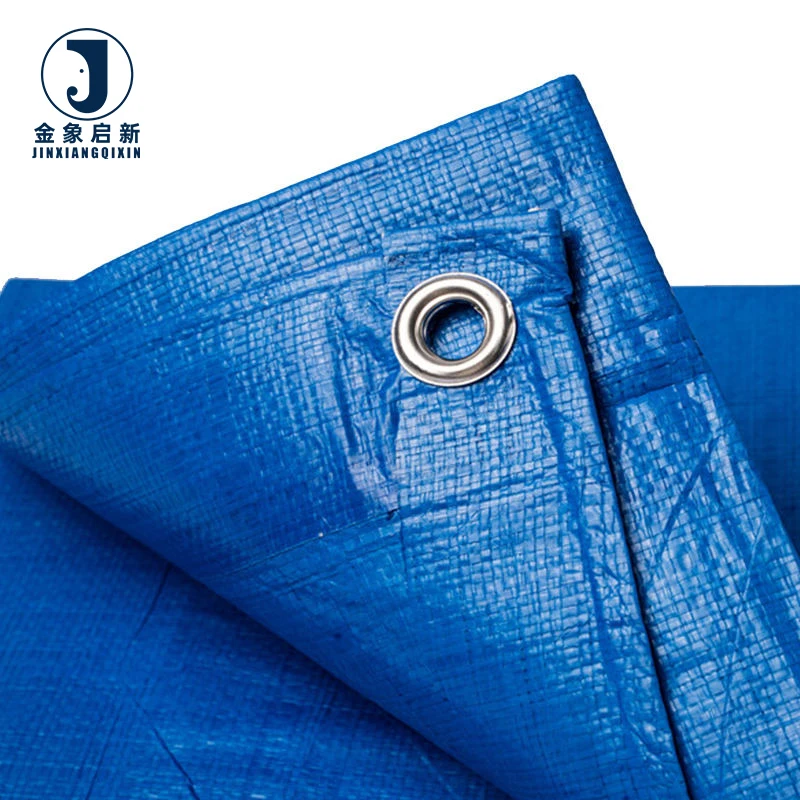
| Colour | Blue, Blue/Orange, Green, Grey, Black, Clear, Grey/Green, Orange, or custom |
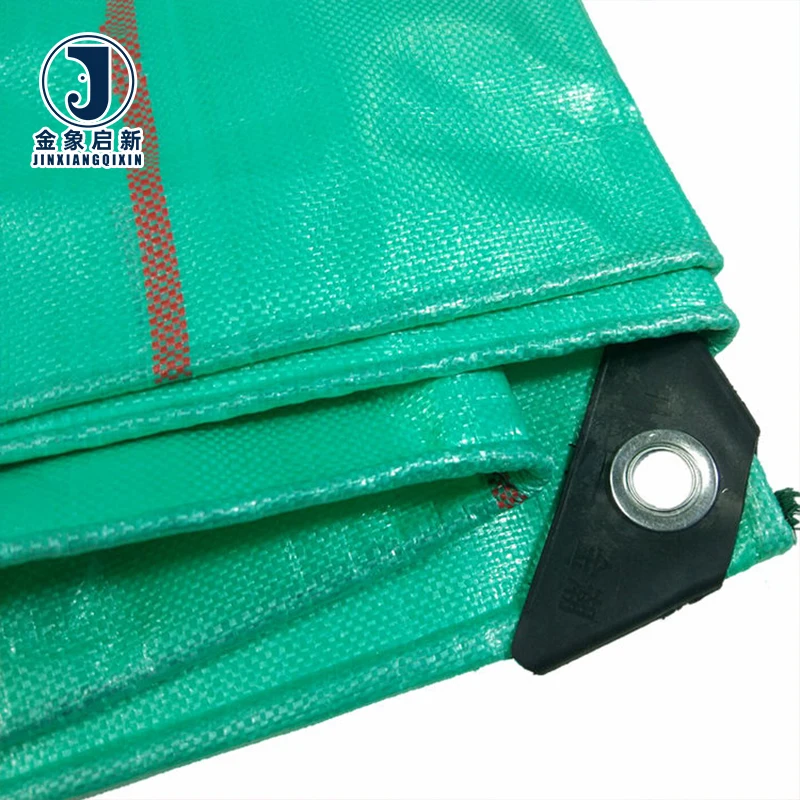
| Edge Reinforcement | PP rope in hem on all four edges (finished sheets) |
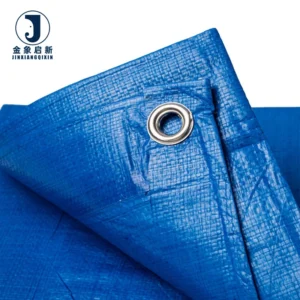
| Eyelets | Galvanized, spaced every 3 ft or 1 metre (finished sheets) |
| Corners | Reinforced plastic corners (finished sheets) |
| Waterproof | Yes |
| UV Treatment | Available in treated grades — confirm the treatment level required for your market |
| Mildew Resistance | Yes |
| Anti-Aging | Yes |
| Certification | ISO and CE certified facility |
Application Suitability
| Application | Exposure & Requirement |
|---|---|
| Tarpaulin distributor container orders | Roll-to-roll GSM and colour consistency across bulk shipments, verified before loading |
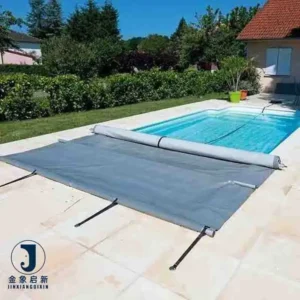
| Agricultural and aquaculture pond lining | Permanent water contact, soil chemistry exposure, puncture resistance from substrate |
| Construction site material covers | UV exposure, wind loading on scaffolding, abrasion from aggregate and equipment movement |
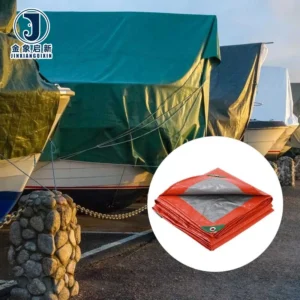
| Truck and trailer load covering | Road debris impact, weather exposure during transit, repeated tie-down stress at eyelet points |
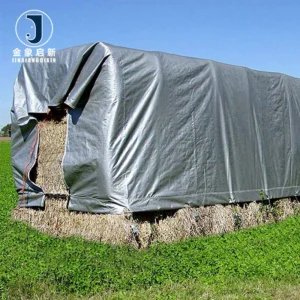
| Crop and timber yard stacking | Moisture ingress prevention, UV degradation from prolonged outdoor stacking, mildew in humid climates |
Why Roll-to-Roll Consistency Matters More Than Quoted GSM
A quoted 150 gsm that arrives at 130 gsm across half the rolls is a specification failure, not a discount.
When purchasing PE tarpaulin roll wholesale, the most common complaint from importers is material that tests lighter on arrival than the figure printed on the quotation. The weight shortfall is rarely uniform — some rolls hit spec while others fall below, creating visible thickness variation when sheets are deployed side by side on a job site. This inconsistency compounds when the material is cut and heat-welded into finished covers, because the welder settings calibrated for the correct GSM will under-penetrate lighter rolls, producing seam failures under load [NEED_CITE: pre-shipment GSM verification methods for coated fabric rolls].
How Batch Colour Matching Is Controlled Across the Production Run
Colour variation between rolls within a single PE tarpaulin roll wholesale order is a frequent cause of rejection at the buyer’s warehouse. When rolls from the same container are unrolled next to each other — on a construction fence line or across a truck fleet — even a slight shift in blue or green pigment concentration becomes visible. Our production lines maintain pigment dosing consistency through the LDPE lamination stage, and each production batch is checked against the colour reference on the material specification sheet before rolls are released for packing.
Container Loading Capacity and How It Affects Your Landed Cost
For buyers procuring PE tarpaulin rolls at container scale, understanding loading configuration directly impacts freight economics. Rolls packed on hard paper tubes maximise weight per container, while finished sheets baled or cartoned favour handling speed at the destination. A 20’GP container loaded by roll accommodates up to 17 tons, while the same container loaded by bale holds approximately 12 tons. A 40’HQ container loaded by bale reaches up to 28 tons. Choosing between roll and bale packing depends on whether your downstream operation cuts and welds in-house or distributes pre-finished sheets to end users [NEED_CITE: container loading configurations for roll stock versus finished tarpaulin bales].
Reading the Mesh Count: What the Weave Numbers Actually Mean for Performance
The mesh count — expressed as warp x weft threads per unit area — is the structural foundation of every PE tarpaulin roll. A 6×6 weave at 50 gsm produces a lightweight sheet suited to temporary dust covers and short-term crop protection, while a 14×16 weave at 250–300 gsm delivers a heavy-duty fabric for truck covers, construction scaffolding wraps, and industrial equipment enclosures. The relationship between mesh count and GSM is not linear: a tighter weave uses more HDPE yarn per square metre, which increases tensile strength in both warp and weft directions, but the LDPE lamination weight on each side also contributes to total GSM without adding structural strength. This is why two rolls with the same quoted GSM but different mesh counts will behave differently under tension — the higher-count fabric will resist tearing further once punctured, while the lower-count fabric with heavier coating may show higher GSM on the scale but tear more easily along the weave line. Specifying both the mesh count and the GSM together eliminates ambiguity when comparing quotations across suppliers.
What Happens When Colour or Weight Varies Between Rolls in the Same Shipment
The consequences of batch inconsistency are rarely caught at the dock. They surface weeks later, when a distributor’s customer installs PE tarpaulin sheets across a warehouse roof and the blue tone shifts visibly between adjacent panels, or when a construction contractor discovers that some rolls tear during scaffolding installation while others hold. The root cause is often traced back to inconsistent coating weight or pigment dispersion during lamination. Remedying this after delivery means sorting rolls by hand, rejecting the worst offenders, and absorbing the freight cost on material that cannot be returned [NEED_CITE: quality control checkpoints for GSM and colour consistency in coated fabric production].
Why Sourcing From a Dedicated PE Tarpaulin Line Reduces Your Incoming Inspection Burden
Our three full production lines and 36 sets of professional equipment are configured specifically for coated fabric, meaning coating weight and adhesion parameters are controlled as core process variables rather than adjusted reactively. The 10-person R&D team develops samples within days when you need a custom width, colour, or mesh count validated before committing to a container order. Every roll undergoes 100% inspection before shipment, with results recorded on the pre-shipment inspection report that travels with your documentation package. Roll packing lists detail individual roll count, net weight, and container loading plan so you can reconcile the shipment against your purchase order before the container is opened.
Documentation & Verification
- Material specification sheet stating mesh count, GSM, base fabric, lamination type, and colour reference for each roll grade ordered
- Pre-shipment inspection record with roll-by-roll GSM verification against quoted specification
- Roll packing list detailing roll count, individual and total weight, and container loading configuration
- Certificate of origin and customs documentation package supporting import clearance at destination port
- UV treatment test report supplied where applicable — confirm treatment grade required for your market at inquiry
Fabrication, Handling & Storage
- Heat-weld LDPE-laminated PE tarpaulin at temperatures calibrated to the specific GSM grade, as thicker grades require adjusted dwell time for full seam penetration
- Galvanized eyelets spaced at 1-metre intervals distribute tie-down loads evenly — reinforce corner eyelets additionally when used for truck load securing
- Store rolls upright on hard paper tubes to prevent flat-spot deformation that affects unrolling and downstream cutting accuracy
- Unroll finished sheets in temperatures above 5°C to avoid creasing the LDPE lamination at the fold lines
- Clean with mild detergent and soft brush — avoid solvent-based cleaners that can degrade the LDPE surface lamination over time
- When cutting from 6 m wide rolls, plan panel layouts to minimise off-cuts and reduce the number of heat-welded seams in the final cover
What to Specify When Requesting a Quotation
Provide your target GSM range, mesh count preference, and the roll widths and lengths that fit your cutting tables or distribution format. If you require colour matching to a Pantone or RAL reference, include the code and whether you need finished sheets with eyelets and reinforced hems or rolls only. Confirm your destination market’s requirements for UV treatment or any fire-retardant classification so we can reference the correct test basis in the quotation.
Frequently Asked Questions
Q: How is GSM verified per roll before shipment and how can I recheck on arrival?
A: Each roll is weighed and measured during 100% pre-shipment inspection, with results recorded on the inspection report included in your documentation. On arrival, cut a measured sample from a random roll, weigh it on a calibrated scale, and compare against the stated GSM on the material specification sheet.
Q: What container loading capacity can I expect by roll, bale or carton?
A: A 20’GP container loaded by roll holds up to 17 tons, while bale loading in the same container holds approximately 12 tons. A 40’HQ loaded by bale accommodates up to 28 tons. The optimal configuration depends on whether you cut and fabricate at your facility or distribute finished sheets.
Q: How is colour consistency controlled across multiple rolls in a single order?
A: Pigment dosing is maintained throughout the LDPE lamination stage, and each production batch is checked against the colour reference on the material specification sheet. Rolls are inspected side by side before packing to flag any visible variation within the order.
Q: What standard widths and roll lengths are stocked, and what are the minimums for custom?
A: Standard roll widths include 6 ft, 8 ft, 10 ft, 12 ft, 2 m, 4 m, and 6 m, with lengths of 100 yards or 100 metres. Custom widths and colours are available — provide your requirements at inquiry so the R&D team can develop a sample and confirm the production minimum.