Description
Consistent Roll Weight Control — In-process coating measurement across three production lines ensures every roll of PE Tarpaulin matches the quoted GSM before it leaves the factory.
Technical Specifications
| Parameter | Value |
|---|---|
| Product Type | PE Tarpaulin Roll / Finished PE Tarpaulin |
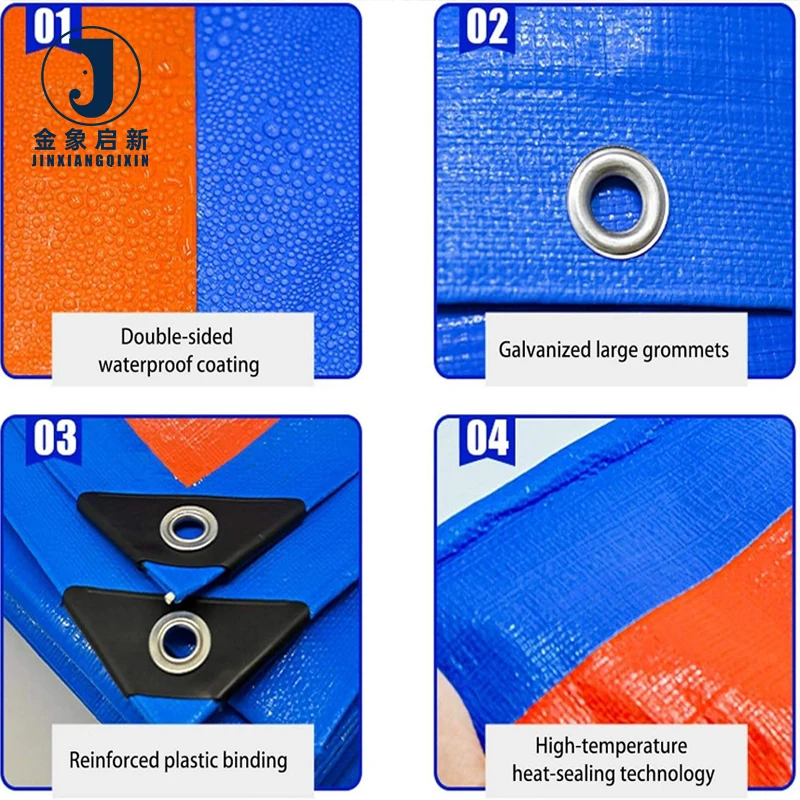
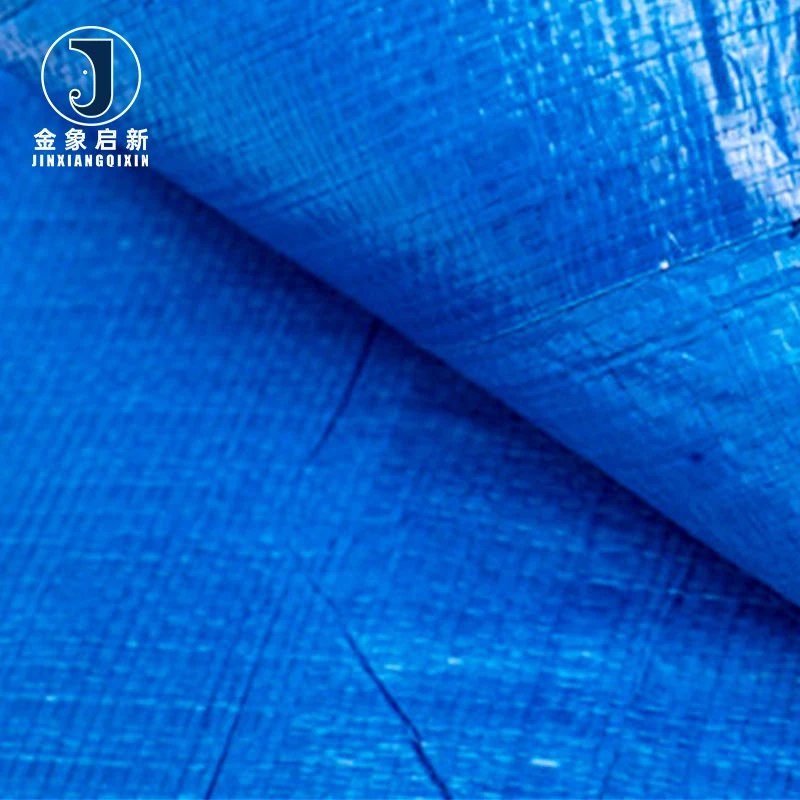
| Coating Material | HDPE weaving with LDPE lamination on both sides |
| Weight (GSM) | 50 gr/m² ~ 220 gr/m² available (confirm the grade for this item) |
| Total Thickness | 0.18-0.22 mm (lightweight); 0.22-0.28 mm (medium-sized); 0.30-0.35 mm (heavy-duty) |
| Mesh Count | 8×8 (lightweight); 10×10 (medium-sized); 12×12 (heavy-duty) |
| Tensile Strength | Meridian 300-500 / Latitude 250-450 N/5cm (lightweight); Meridian 500-800 / Latitude 400-700 N/5cm (medium); Meridian 900-1200 / Latitude 700-1000 N/5cm (heavy-duty) |
| Roll Width | 6ft / 8ft / 10ft / 12ft or 2m / 4m / 6m |
| Roll Length | 100 yards / 100 meters or custom |
| Finished Tarpaulin Regular Sizes | 2x2m, 3x3m, 3x5m, 4x4m, 4x5m, 4x6m, 4x8m, 4x10m, 5x5m, 5x6m, 5x8m, 5x10m, 6x6m, 6x8m, 6x10m, 8x10m etc. |
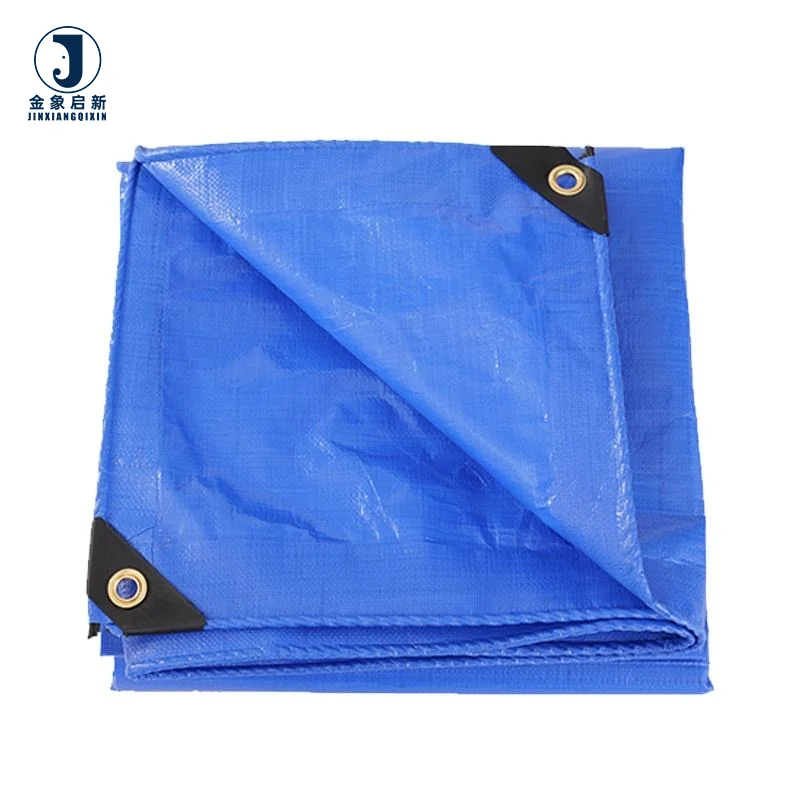
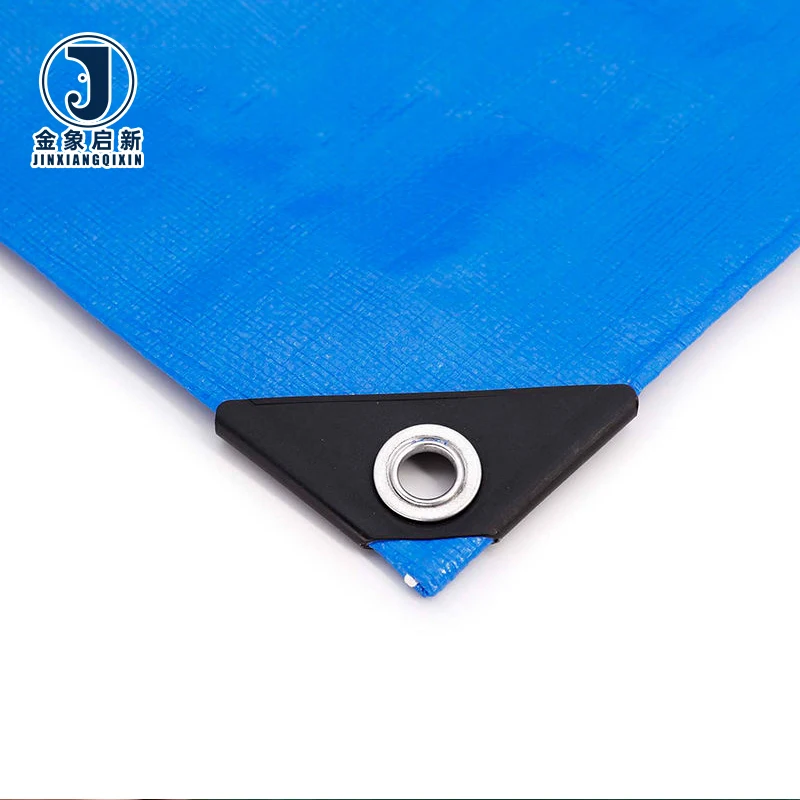
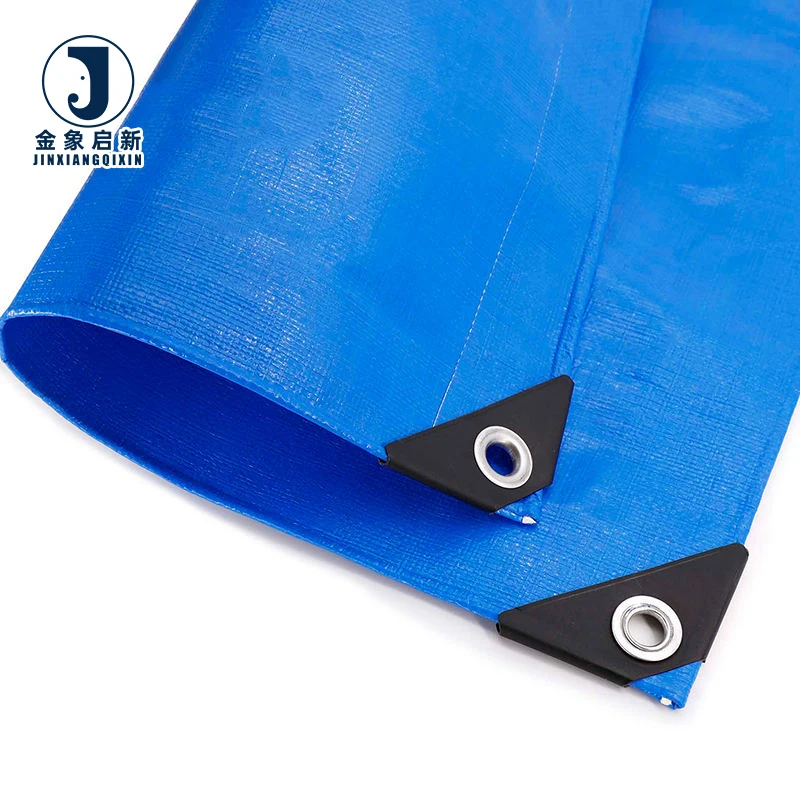
| Edge & Corner Reinforcement | PP rope in hem on all four edges; reinforced plastic corners |
| Eyelets | Galvanized, every 3ft or 1 meter interval |
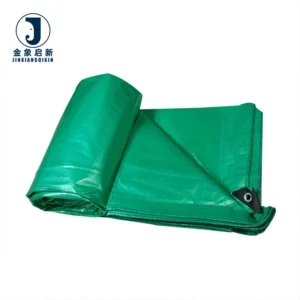
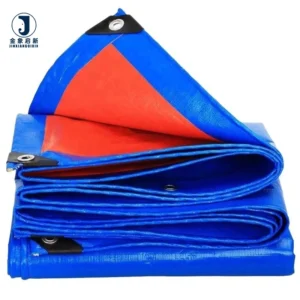
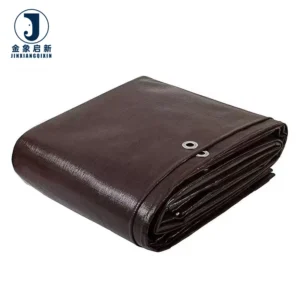
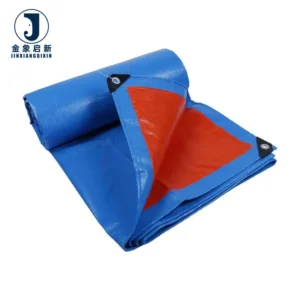
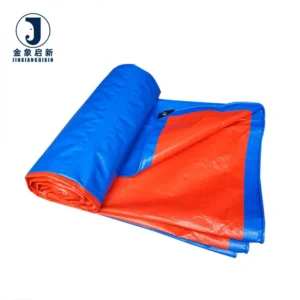
| Color | Blue, Blue/Orange, Green, Grey, Black, Clear, Grey/Green, Orange, or custom |
| Key Features | Waterproof, washable, tear resistant, anti-mildew, anti-aging; UV treatment available (test basis not stated in source) |
| Standards | ISO and CE (per company profile) |
Application Suitability
| Application | Exposure & Requirement |
|---|---|
| Tarpaulin wholesale and distribution | Full container loads of roll stock requiring batch-to-batch GSM and color consistency for retail and trade customers |
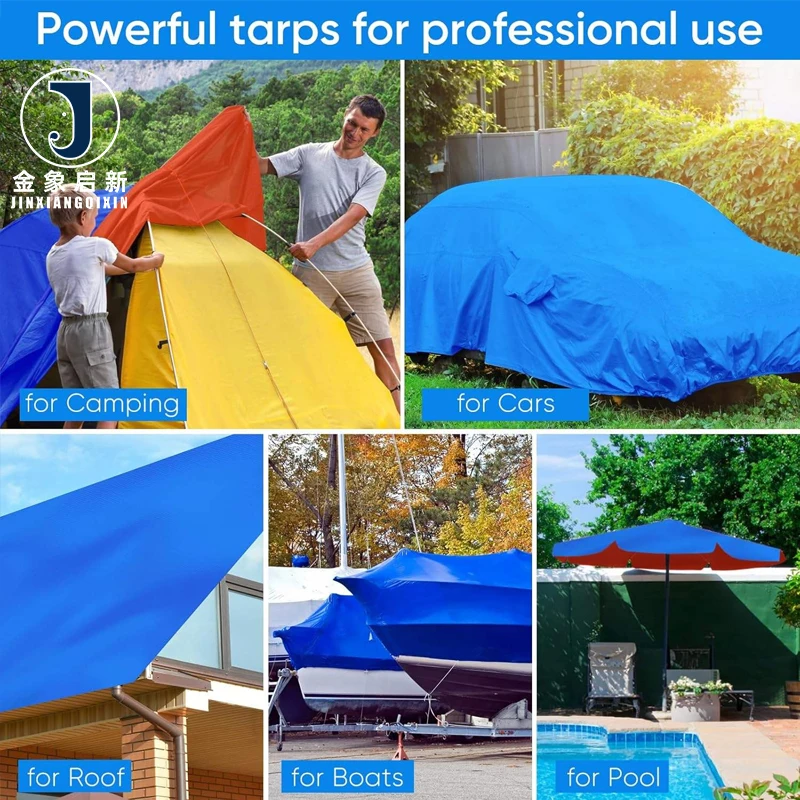
| Construction site and equipment cover | Cut-to-size sheets exposed to dust, debris, rain, and wind; needs tear resistance and UV stability for extended outdoor use |
| Agricultural and aquaculture covering | Lightweight to medium-weight rolls used for stock protection and pond lining; requires waterproof performance and mildew resistance |
| Logistics and transport fleet covering | Bulk truck cover stock subject to road abrasion, tie-down stress at eyelets, and continuous weather exposure |
| Industrial warehouse coverage | Large-span covers protecting inventory and materials; requires reliable waterproofing and adequate tensile strength for suspended installations |
Why Roll-to-Roll GSM Variance Matters More Than the Quoted Weight
The number on the quotation is meaningless if the roll arriving at your warehouse does not match it.
Buyers of PE Tarpaulin roll stock regularly face a situation where the GSM stated on the purchase order differs from what they measure on arrival. Some rolls come in lighter than specified, creating weak points that fail early in the field. Others vary between rolls within the same shipment, making it impossible to guarantee consistent performance to downstream customers. This is not a material defect — it is a process control failure at the coating stage. When importers and distributors receive inconsistent stock, the cost is not limited to the affected rolls; it extends to customer claims, warehouse sorting, and reputational damage across the supply chain [NEED_CITE: common GSM deviation complaints in bulk tarpaulin procurement].
Weight Grades Aligned to End-Use Demand
The PE Tarpaulin range spans from 50 gr/m² lightweight covers through to 220 gr/m² heavy-duty sheets, with each grade matched to a specific mesh count. Lightweight rolls at 8×8 knitting density serve agricultural and temporary cover applications where cost and ease of handling take priority. Medium-weight stock at 10×10 density suits general construction and warehouse use. Heavy-duty rolls at 12×12 density are specified where tensile loads and tear risk are highest, such as transport fleet covers and industrial enclosures. Selecting the correct grade starts with the exposure conditions, not the price per kilogram.
Container-Ready Bulk Packing for Importers
Roll stock ordered in full container quantities requires packing that protects the material during ocean freight and allows efficient unloading at destination. Each roll is wound on a core and wrapped to prevent crushing and moisture ingress. Roll dimensions and weights are documented on the packing list so that buyers can calculate container utilisation and plan warehouse racking before the shipment arrives. For distributors splitting containers across multiple grades, mixed loading is arranged with clear labelling to separate weight classes and colours at the port of discharge [NEED_CITE: container loading optimisation for flexible packaging rolls].
How Mesh Count and Coating Weight Interact to Determine Performance
Tensile strength in woven PE Tarpaulin is governed by the HDPE base fabric density and the LDPE lamination weight acting together. A higher mesh count — moving from 8×8 to 12×12 — increases the number of yarns per unit area, which directly raises both meridian and latitude tensile values. The LDPE lamination on both sides then locks the weave in place and adds puncture resistance, but it also contributes to the overall GSM. This means two rolls with the same stated weight can have very different strength profiles if one uses a denser base fabric with thinner lamination and the other uses a looser weave with thicker coating. Buyers specifying by GSM alone risk receiving a product that meets the weight target but underperforms on tensile and tear resistance. Always request the mesh count alongside the weight to understand what the roll will actually withstand in service.
What Happens When Batch Consistency Breaks Down
Colour variation between rolls in the same order is one of the most visible failures in wholesale tarpaulin supply. When two blue rolls installed side by side on a construction hoarding show different shades, the contractor rejects the entire batch even though the material itself performs correctly. Similarly, GSM drift across a production run means some rolls pass inspection while others fall below the agreed specification, forcing the buyer to sort and segregate stock at their own cost. These problems originate in coating line calibration and raw material batching, not in the weaving stage. Correcting them after production is impractical — the only effective control is in-process measurement and pre-shipment sampling across the full order [NEED_CITE: batch consistency standards for coated fabric production].
Why Volume Buyers Source PE Tarpaulin From This Facility
Three full production lines and 36 sets of professional equipment provide the capacity to fill container orders on schedule without sacrificing coating weight control. A dedicated 10-person R&D team handles custom width requests, colour matching, and printed branding for distributor labelling. Every production run passes through stage-by-stage QA with 100% inspection before dispatch, catching GSM and colour deviations before rolls are packed. Samples for custom requirements are developed within days, allowing buyers to verify weight, colour, and hand feel before committing to bulk production. The facility holds ISO and CE certification, and all shipments include the documentation needed for international customs clearance.
Documentation & Verification
- Weight verification per roll against the stated GSM recorded on the pre-shipment inspection report
- Roll packing list showing weight, dimensions, and roll count per container for logistics planning
- Batch colour consistency confirmed by QA sampling across the full production run before dispatch
- Certificate of origin and customs documentation prepared for destination country clearance requirements
- Material specification sheet stating GSM, base fabric mesh count, and LDPE lamination type for each grade ordered
Fabrication, Handling & Storage
- Heat sealing temperature must match LDPE lamination grade — test on a sample section before full production to avoid delamination at the weld
- Galvanized eyelets at 3ft or 1m intervals distribute tie-down loads; reinforce corner eyelets with additional PP rope patches on heavy-duty grades
- Store rolls upright on pallets in a dry warehouse; laying rolls flat for extended periods causes permanent creasing in lightweight 50 gr/m² stock
- Unroll in temperatures above 5°C to prevent LDPE lamination cracking, particularly on heavier grades above 180 gr/m²
- Clean with mild detergent and water; avoid solvent-based cleaners that attack the LDPE surface and reduce waterproof performance
- When cutting finished tarps from roll stock, nest patterns to maximise yield and reduce waste at the 2m to 6m available widths
Requesting a Quotation That Matches Your Actual Requirement
To receive an accurate specification and lead time, share the target GSM, roll width, and colour you need for your market. Confirm whether you require roll stock only or finished tarps with eyelets and hemming. If your end users demand UV treatment or specific flame retardant grades, state the standard required so the correct formulation can be quoted. For custom colours or printed branding, provide the Pantone reference and artwork file to enable sample development before bulk production.
Frequently Asked Questions
Q: How is GSM verified per roll and what documentation accompanies shipment?
A: Every roll is weighed and measured during the pre-shipment inspection. The inspection record lists the actual GSM for each roll against the purchase specification. This report ships with the packing list and bill of lading, giving you a verifiable record to check on arrival at your warehouse.
Q: How do you ensure color consistency across rolls in the same order?
A: Colour consistency is controlled at the compounding stage where LDPE pigment is mixed. QA pulls samples from the beginning, middle, and end of each production run and compares them against the approved reference. Rolls that fall outside the tolerance band are separated before packing.
Q: Which roll widths and lengths are available, and what is the MOQ for custom sizes?
A: Standard roll widths are 2m, 4m, and 6m with lengths of 100 yards or 100 meters. Custom widths and lengths are available with minimum order quantities that depend on the grade and colour selected. Confirm your target dimensions and annual volume to receive the applicable MOQ and lead time.
Q: How are rolls packed and how many fit per container?
A: Each roll is wound on a cardboard core, wrapped in protective PE film, and packed on pallets. The packing list shows roll count, weight, and cubic volume per pallet so you can calculate container loading. A standard 40ft container accommodates a full shipment depending on roll width and GSM grade ordered.
Q: What are the minimums for custom width, color, or printed branding on rolls?
A: Minimums for custom specifications depend on the base grade and the complexity of the colour or print. Single-colour custom runs require a lower minimum than multi-colour printed branding. Share your target width, Pantone colour, and artwork to receive a sample and the corresponding MOQ before bulk commitment.