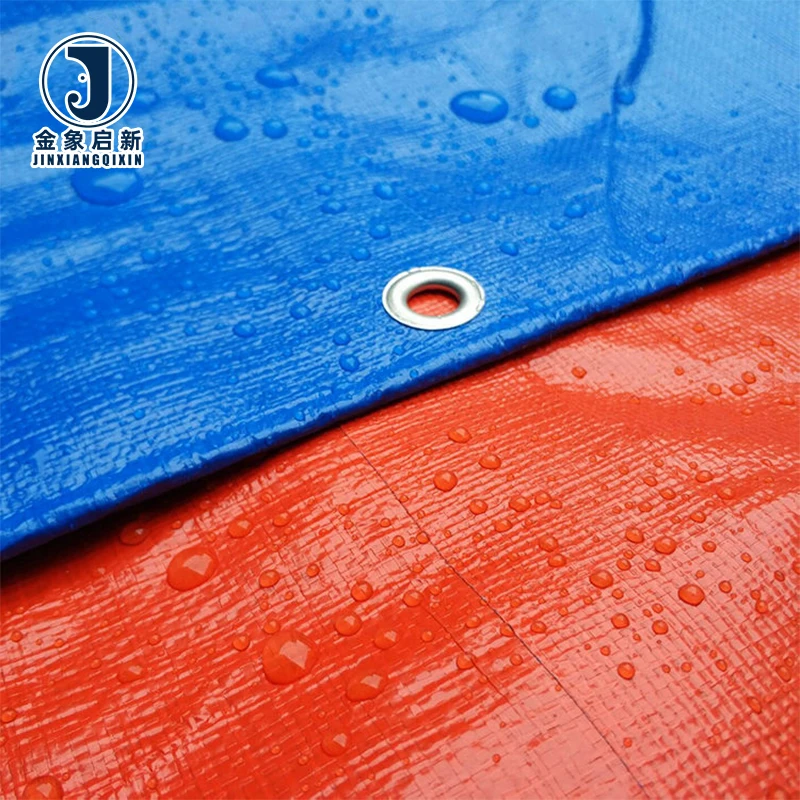
Description
Consistent Roll Weight — every PE tarpaulin roll is weighed and logged against the agreed GSM before it leaves the factory floor.
Technical Specifications
| Parameter | Value |
|---|---|
| Product Type | PE Tarpaulin |
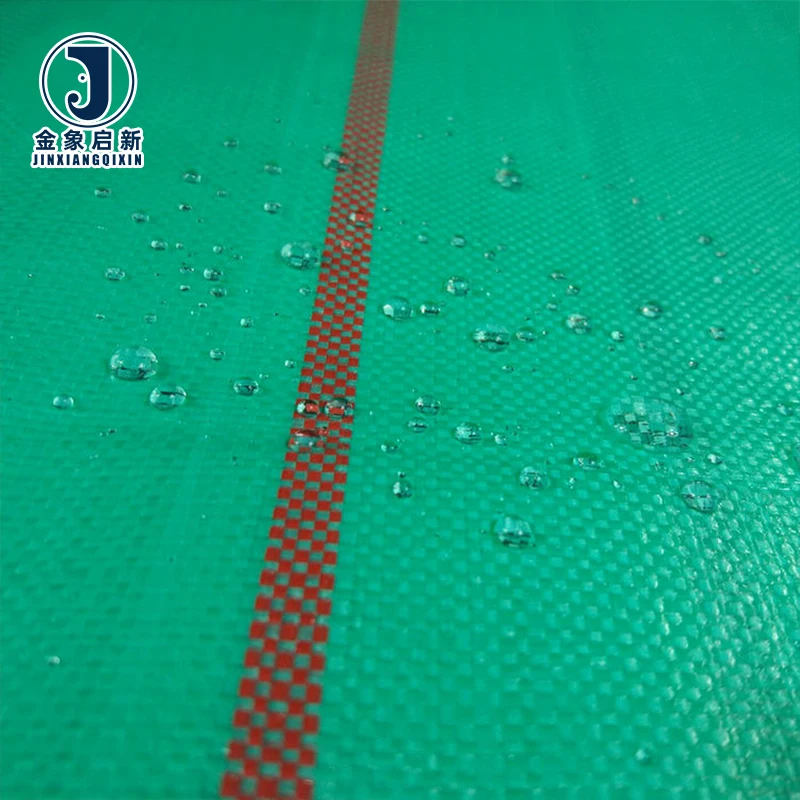
| Coating Material | HDPE weaving with LDPE lamination on both sides |
| Weight (GSM) | 50gr/m² ~ 300gr/m² |
| Thickness | 0.2-0.4mm / 8 mil-16 mil |
| Density (6×6 or 6×7 weave) | 50gsm ~ 60gsm |
| Density (7×7 or 7×8 weave) | 60gsm ~ 80gsm |
| Density (8×8 or 9×9 weave) | 80gsm ~ 90gsm |
| Density (8×10 weave) | 90gsm ~ 100gsm |
| Density (10×10 weave) | 100gsm ~ 120gsm |
| Density (12×12 weave) | 120gsm ~ 150gsm |
| Density (14×14 weave) | 150gsm ~ 250gsm |
| Density (14×16 weave) | 250gsm ~ 300gsm |
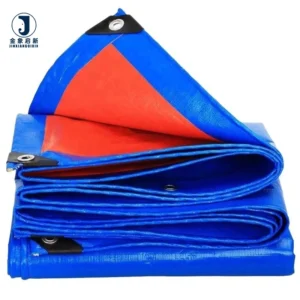
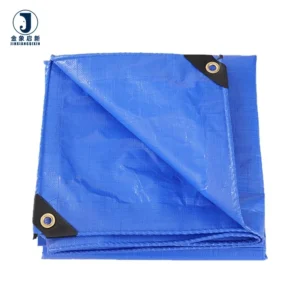
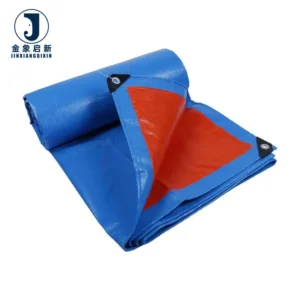
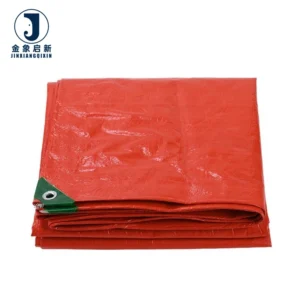
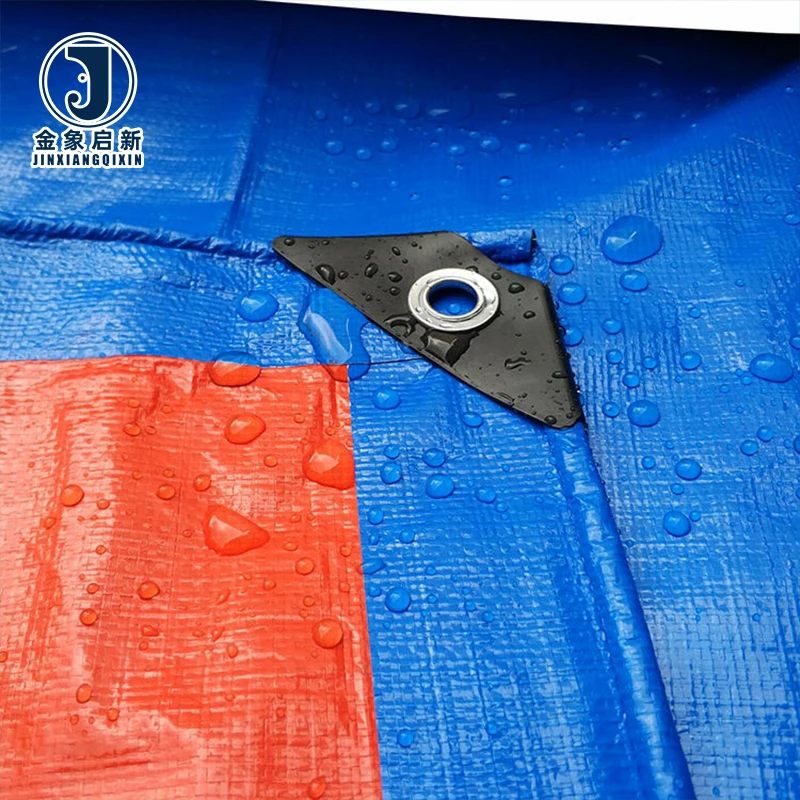
| Color Options | Blue, Blue/Orange, Green, Grey, Black, Clear, Grey/Green, Orange, or custom |
| Roll Width | 6ft, 8ft, 10ft, 12ft / 2m, 4m, 6m |
| Roll Length | 100 yards, 100 meters, or custom |
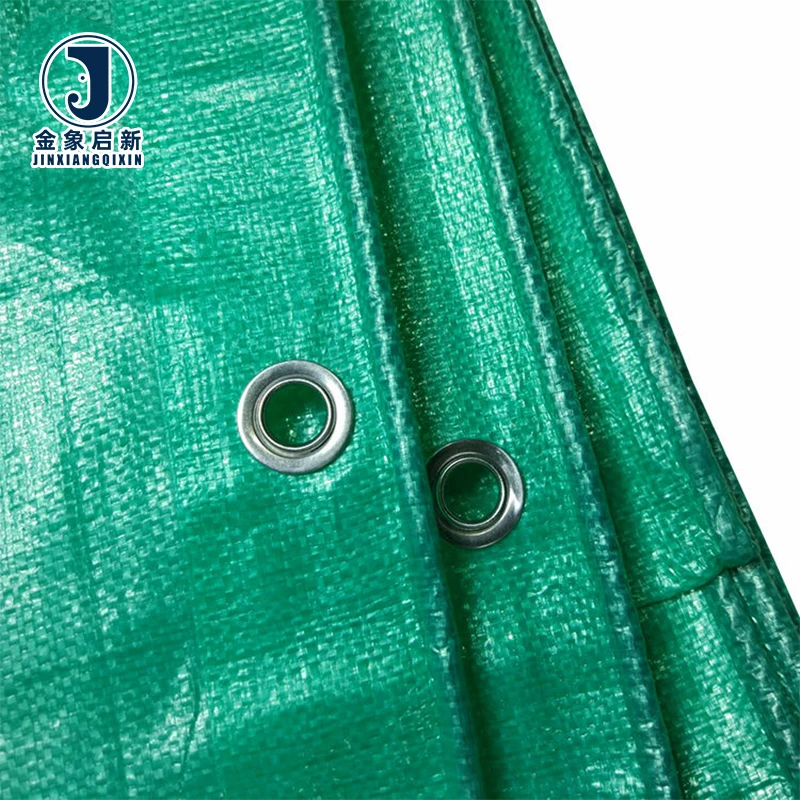
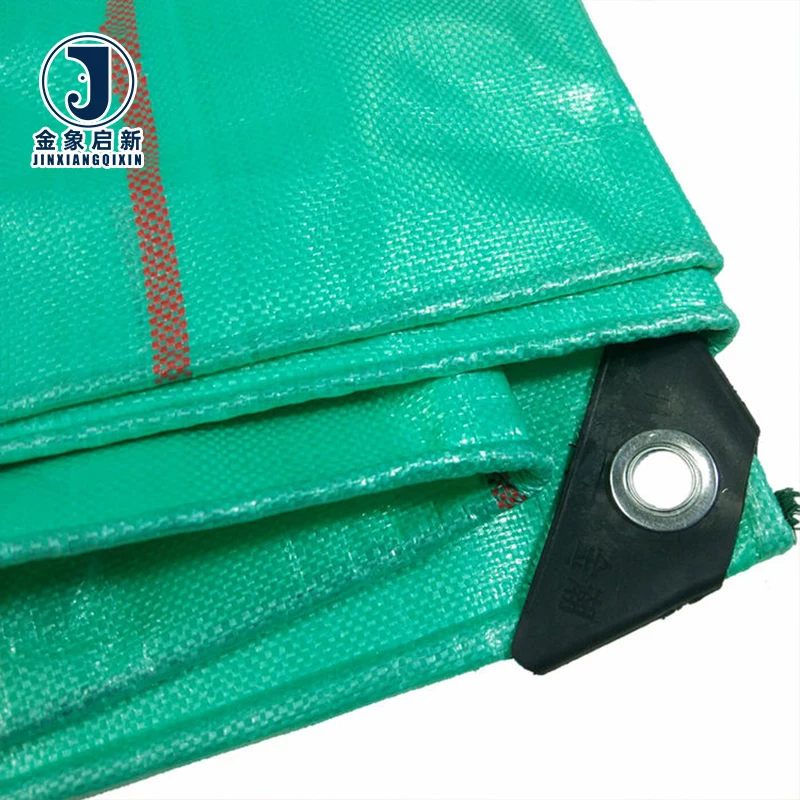
| Finished Edge | All four edges reinforced with PP rope in hem |
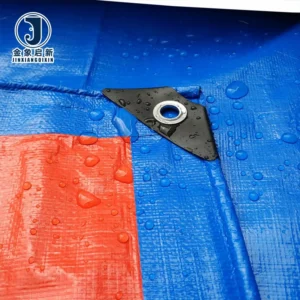
| Eyelets | Galvanized eyelets every 3ft or 1 meter interval |
| Corners | Reinforced plastic corners |
| Key Features | Waterproof, washable, tear resistant, UV treatment available (test basis not stated in source), mildew proof (standard not stated in source), anti-aging |
| Certifications | ISO, CE (source value — verify against manufacturer catalog) |
Application Suitability
| Application | Exposure & Requirement |
|---|---|
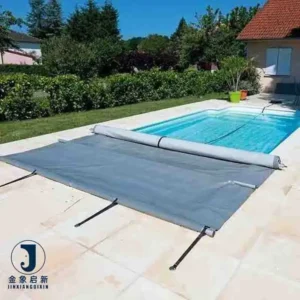
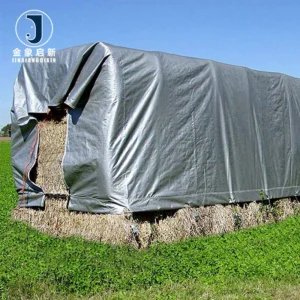
| Agricultural covers for timber, hay, cotton and crops | Continuous sun exposure, moisture ingress risk, need for breathability versus full waterproofing, frequent handling and refolding |
| Construction scaffolding and material covers | Wind load on large surface area, abrasion against scaffold tubes, UV degradation over project duration |
| Truck and container covers | Road vibration, flexing at tie-down points, diesel fume exposure, need for waterproof seal over moving load |
| Home and garden furniture covers | Prolonged outdoor weathering, mildew in humid climates, repeated removal and storage |
| Pond and reservoir lining | Permanent water contact, soil chemistry, puncture risk from substrate |
Why Quoted GSM Rarely Matches the Roll on the Dock
Actual roll weight verified against specification before dispatch, not assumed from the quotation.
The most common dispute in PE tarpaulin wholesale purchasing is receiving material that tests lighter than the GSM stated on the original quote. A roll specified at 120gsm may arrive testing closer to 105gsm, with the deficit absorbed silently across hundreds of metres [NEED_CITE: common GSM variance in imported PE tarpaulin shipments]. When two rolls from the same order are unrolled side by side and the colour shifts visibly across the seam, the batch consistency has already failed before fabrication begins. For wholesale buyers loading containers, this means customer complaints are inherited directly from the supplier’s process control. Sourcing PE tarpaulin roll stock requires documented weight checks at the point of shipment, not just a line item on a proforma invoice.
Density-to-Weight Mapping for Transparent Specification
This PE tarpaulin range maps eight distinct weave grades to specific GSM bands, from the lightweight 6×6 mesh at 50-60gsm up to the dense 14×16 weave at 250-300gsm. This density-to-weight relationship allows wholesale buyers to select a grade based on the mechanical demands of the end use rather than relying on GSM alone. A higher mesh count with tighter weave delivers better tear propagation resistance at the same weight, a factor that matters when the fabric is cut and hemmed into finished tarps.
Container Loading by Roll, Bale or Carton
Wholesale PE tarpaulin orders ship in full container loads configured by the buyer’s preferred packing method. A 20-foot container accommodates up to 17 tons by roll, 12 tons by bale or 9 tons by carton, while a 40-foot high-cube holds 28 tons by bale or 20 tons by carton [NEED_CITE: container loading capacity for PE tarpaulin by packing method]. This flexibility lets distributors balance transit protection against volume efficiency. Rolls packed on hard paper tube cores with outer tarpaulin wrap arrive with minimal surface marking, while bale packing maximises tonnage for buyers who will reprocess the material upon arrival.
How Weave Grade Determines Actual Performance
The distinction between a 6×6 and a 14×14 weave is not simply about weight — it governs how load distributes across the fabric when stressed. A tighter HDPE woven base with more picks per inch resists tear propagation because each yarn intersection acts as a micro-barrier to a running tear. The dual-side LDPE lamination bonds to this base and carries the waterproofing function, but its adhesion strength depends on the surface area of yarn available for the laminate to grip. When the mesh is open, as in the lower density grades, the lamination bridges the gaps, making the coating the primary barrier rather than a protective layer over a dense substrate.
The Hidden Cost of Inconsistent Batch Colour
Colour variation between rolls in the same container is a frequent cause of rejection at the distributor’s warehouse. When a buyer orders five hundred rolls of blue PE tarpaulin and the shade drifts between production runs, the material cannot be sold as matched sets to end users who install panels side by side [NEED_CITE: colour batch consistency standards in PE tarpaulin manufacturing]. This forces the distributor to sort, repack and absorb the logistics cost of separating mismatched rolls. The remedy lies in confirming the colour reference against the same production batch before loading, rather than discovering the shift at the destination port.
Why Sourcing PE Tarpaulin Here Differs
Three full production lines with 36 sets of professional equipment allow concurrent runs of multiple widths and GSM grades without cross-contamination between batches. The 10-person R&D team handles custom colour matching and sample development within days, supporting buyers who need to approve a physical swatch before committing to a container load. Dedicated QA and QC at every production stage, with full pre-shipment inspection, means the roll packing list and weight verification record accompany every dispatch. Nearly 30 years of focused coated fabric production provides the process knowledge to hold GSM tolerance across a long production run. Roll widths from 2 m to 6 m and lengths up to 100 metres per roll reduce end-user waste when cutting to specific tarp sizes.
Documentation & Verification
- Material specification sheet listing GSM, HDPE base weave and LDPE coating details for the ordered grade
- Pre-shipment inspection record confirming actual roll weight against the quoted GSM
- Colour reference standard tied to the production batch number for roll-to-roll consistency checks
- Container loading plan detailing roll count, bale count or carton count with CBM and tonnage
- ISO and CE certificates supporting the PE tarpaulin product range
- UV treatment confirmation available on request for the specific GSM and weave grade ordered
Fabrication, Handling & Storage
- Heat-seal LDPE laminated surfaces at moderate temperature to avoid burning through the thin coating layer
- Reinforce galvanized eyelet positions with additional LDPE patches to distribute tie-down point loads
- Store rolls upright on hard paper tube cores to prevent flat-spot deformation of the HDPE weave
- Unroll in temperatures above freezing to avoid cracking the LDPE lamination at fold lines
- Clean with mild detergent only — aggressive solvents may attack the LDPE coating bond
What to Include in Your Enquiry
Specify the target GSM or weave grade, the intended application and the primary exposure conditions the fabric will face in service. Confirm whether you require roll stock only or finished tarps with hems, eyelets and reinforced corners cut to your size list. State your required roll widths, colours and the container type you plan to load so we can provide a packing plan with tonnage and count details.
Frequently Asked Questions
Q: How is GSM verified before shipment and what documentation supports the quoted weight?
A: Each roll is weighed during pre-shipment inspection and logged against the agreed specification. A weight verification record listing actual GSM per roll accompanies the dispatch documentation, allowing you to cross-check the material on arrival against the original quotation without relying on assumption.
Q: Can I mix widths, colours and GSM grades in a single container load?
A: Yes. Container loads can combine multiple roll widths from 2 m to 6 m, different colours and various weave grades within the 50-300gsm range. The loading plan is prepared before dispatch showing the roll count and tonnage for each item in the container.
Q: Do you supply finished tarps with eyelets and hems, or roll stock only?
A: Both options are available. Roll stock ships on hard paper tube cores for buyers who fabricate in-house. Finished tarps are produced with PP rope reinforced hems on all four edges, galvanized eyelets at one-metre intervals and reinforced plastic corners, cut to your specified dimensions.
Q: What is the minimum order per colour and per GSM grade?
A: Minimums depend on the specific weave grade, colour and roll width requested. Standard stock colours and common widths generally carry lower minimums than custom shades or non-standard widths. Provide your target specification so we can confirm the applicable minimum for your order.
Q: How do you pack rolls to prevent coating damage during ocean transit?
A: Rolls are wound on hard paper tube cores to maintain shape and wrapped in an outer tarpaulin sheet for surface protection. This packing method prevents the LDPE lamination from abrasion and marking during handling and the voyage, arriving ready for immediate use or redistribution.