Description
Three-Line Bulk Capacity — PE tarpaulin rolls produced across three full lines with 100% pre-shipment GSM and colour verification for wholesale buyers.
Technical Specifications
| Parameter | Value |
|---|---|
| Product Type | PE Tarpaulin |
| Coating Material | Polyethylene (PE) |
| Weight (GSM) | 40g~500g/m² (range covers product family — confirm the grade for this item) |
| Lightweight Grade | 80–110 g/m², 0.18–0.22 mm, 8×8 knitting density |
| Medium Grade | 120–150 g/m², 0.22–0.28 mm, 10×10 knitting density |
| Heavy-Duty Grade | 160–240 g/m², 0.30–0.35 mm, 12×12 knitting density |
| Knitting Density Range | 5×5 to 20×20 |
| Tensile Strength (Lightweight) | Meridian 300–500 / Latitude 250–450 N/5cm (test basis not stated) |
| Tensile Strength (Medium) | Meridian 500–800 / Latitude 400–700 N/5cm (test basis not stated) |
| Tensile Strength (Heavy-Duty) | Meridian 900–1200 / Latitude 700–1000 N/5cm (test basis not stated) |
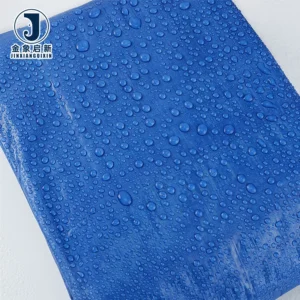
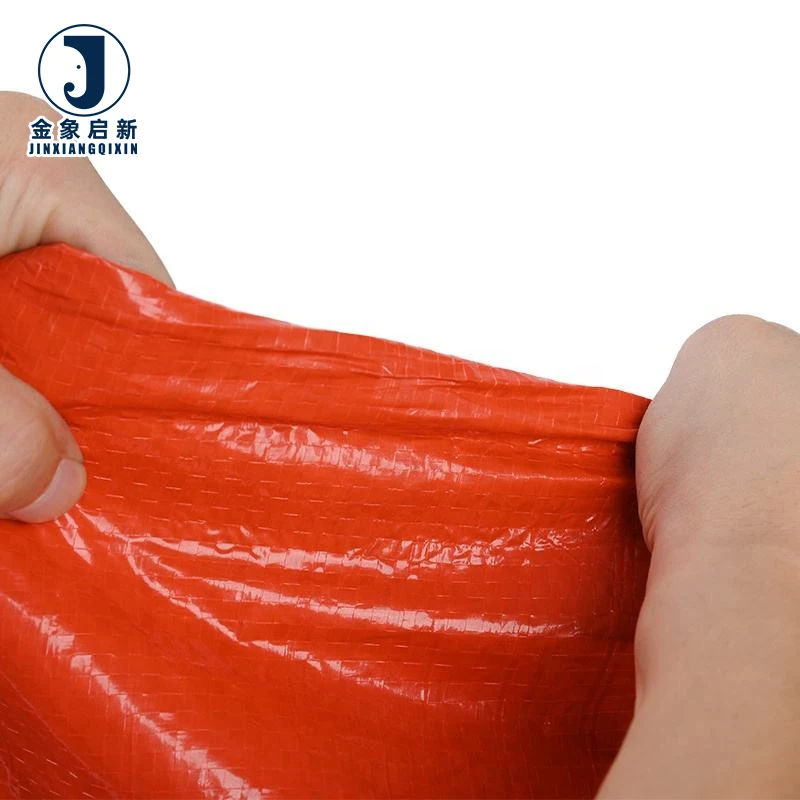
| Waterproof Rating | Double waterproof surfaces |
| UV Treatment | UV treatment available (test basis not stated) |
| Anti-Mildew | Mildew proof and anti-aging stated (test basis not stated) |
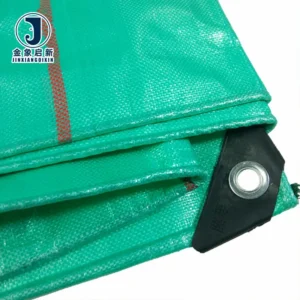
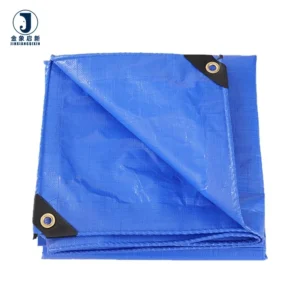
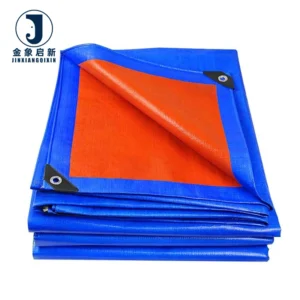
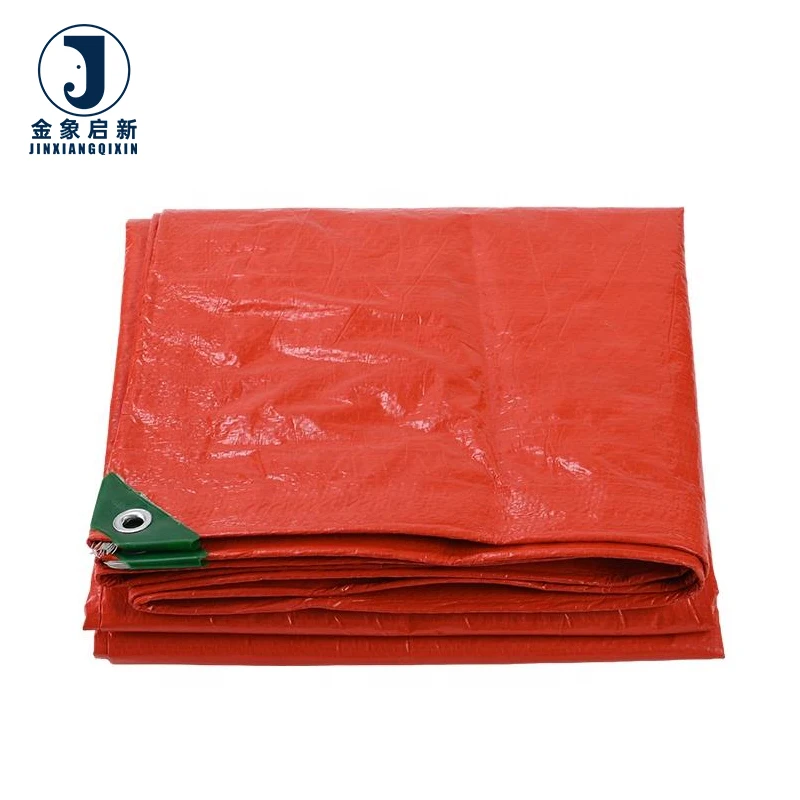
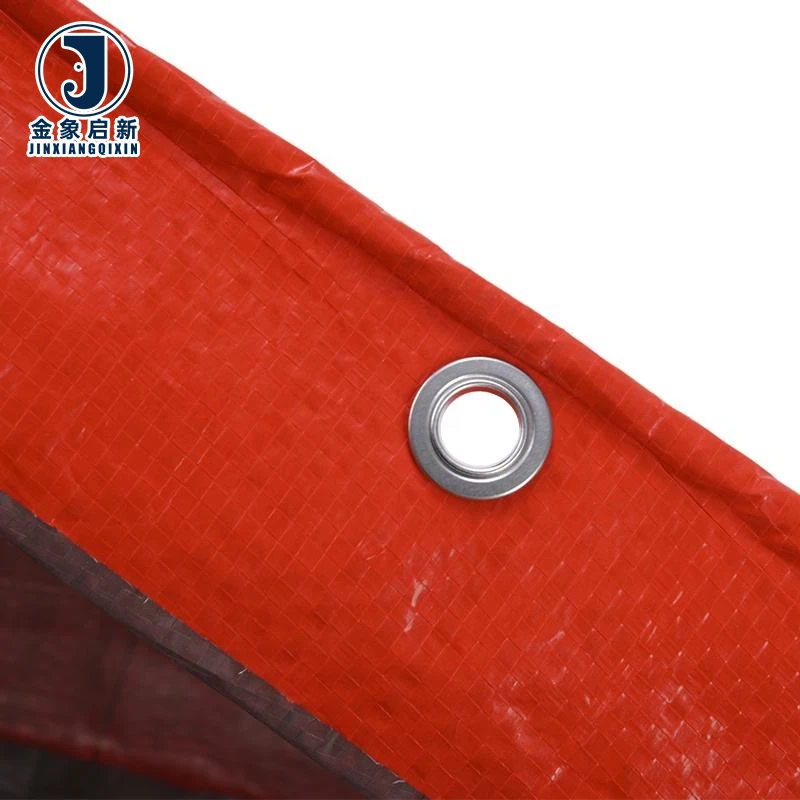
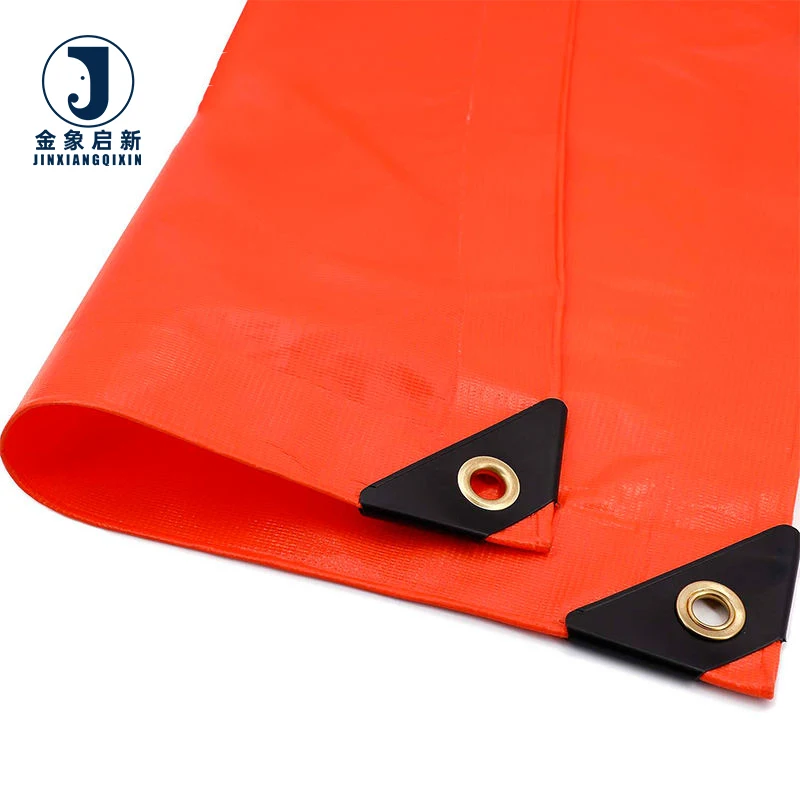
| Reinforcement | Reinforced corner |
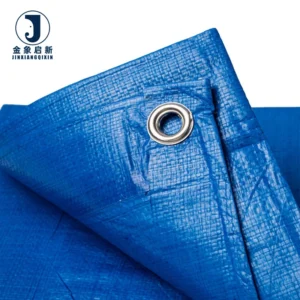
| Eyelet & Hem Spacing | Center to center 39.4 inches |
| Printing Option | Custom brand printing available |
| Size | Custom size |
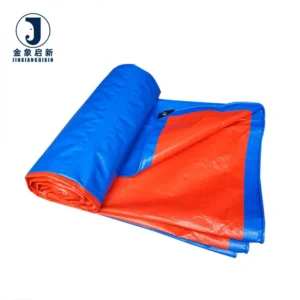
| Color | Custom color |
| Certifications | ISO 14001, ISO 45001, CE |
Application Suitability
| Application | Exposure & Requirement |
|---|---|
| Tarpaulin distributor regional stock | Multiple GSM grades on the shelf, roll-to-roll colour match, container-load consistency |
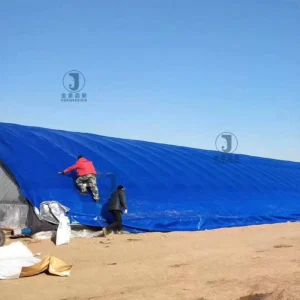
| Agricultural and aquaculture pond lining | Continuous water contact, UV exposure, soil chemistry, lightweight to medium grade |
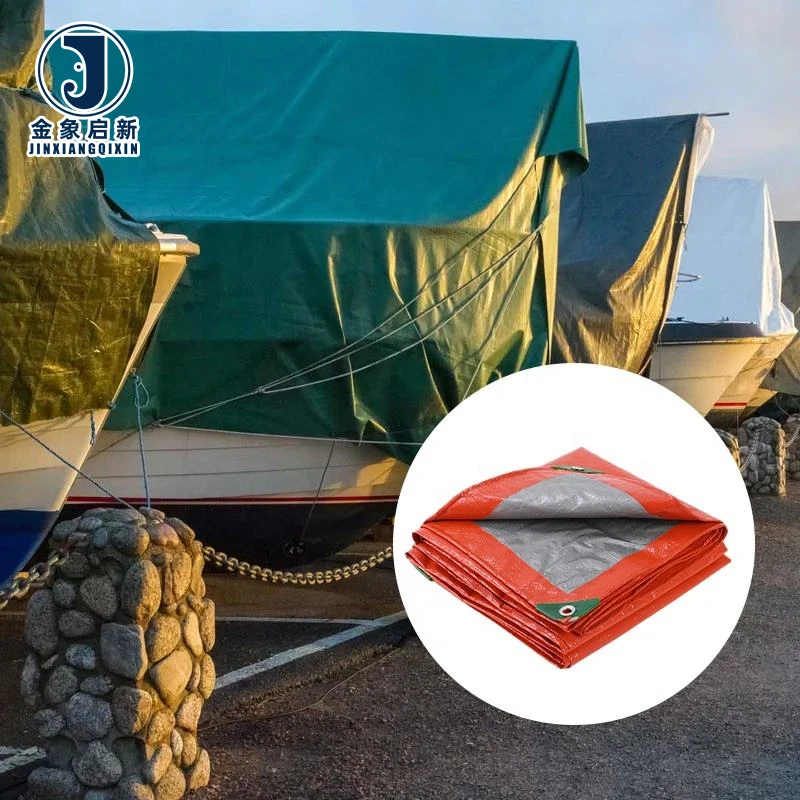
| Truck and trailer cargo cover | Road vibration, wind flap fatigue, rain and dust ingress, heavy-duty grade |
| Construction site equipment protection | Abrasion from debris, outdoor weathering, repeated handling and folding |
| Warehouse outdoor storage cover | Long-term UV exposure, wind load on hems, double waterproof surfaces required |
Why Colour Shifts Between Rolls Cost Distributors More Than Price Differences
Batch-consistent colour is the single biggest factor in whether a wholesale order gets accepted or returned by downstream buyers.
A fleet operator installs two truck covers side by side, one slightly yellower than the other, and the complaint lands on the distributor’s desk. The material performs identically, but the visual mismatch makes the whole order look like a mixed batch. This is not a rare occurrence — it is one of the most common rejection reasons in PE tarpaulin roll wholesale, and it has nothing to do with tensile strength or waterproofing [NEED_CITE: common rejection causes in coated fabric wholesale distribution]. The only defence is process-level colour control with documented batch references before the container is sealed.
How GSM Grade Selection Shapes Your Stock Portfolio
A distributor serving both agricultural and transport markets needs at least two distinct PE tarpaulin weight tiers. Lightweight rolls at 80–110 g/m² move quickly through farm supply channels for crop covers and temporary pond lining, while heavy-duty rolls at 160–240 g/m² serve fleet operators and construction contractors who need material that withstands daily handling and road abrasion. Stocking a single mid-range grade and attempting to cover both segments leads to over-specification complaints from farm buyers and under-performance complaints from transport buyers. The knitting density shifts alongside weight — 8×8 for lightweight, 12×12 for heavy-duty — which directly changes the base fabric’s grip on the PE coating layer and the overall tear behaviour.
Roll-to-Roll Colour and Weight Consistency at Container Scale
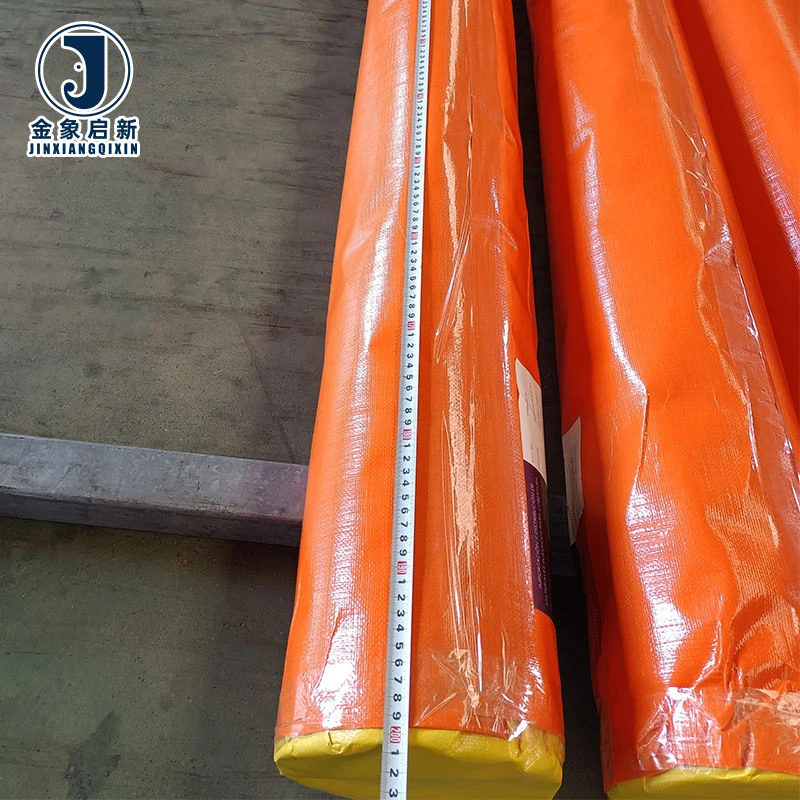
When you load a 40-foot container with rolls for a single wholesale order, every roll must fall within the same colour window and GSM tolerance band. Our dedicated QA/QC process checks each roll at the production stage, not just a random sample from the batch. The 100% pre-shipment inspection compares colour against the documented batch reference and weighs cut samples against the quoted GSM specification. This is the layer of control that prevents the situation where the first roll off the pallet looks correct but rolls from the middle of the batch show a visible tint shift once installed [NEED_CITE: batch colour consistency standards for coated fabric rolls].
Reading the Relationship Between Knitting Density, Weight and Real Strength
Tensile strength in PE tarpaulin is not a function of weight alone — it emerges from the combination of knitting density and coating adhesion. An 8×8 weave at 80–110 g/m² produces meridian tensile values in the 300–500 N/5cm range, adequate for static covers that see little mechanical stress. Stepping to a 12×12 weave at 160–240 g/m² more than doubles that figure to 900–1200 N/5cm in the meridian direction, but the critical gain is actually in tear propagation resistance — the denser base fabric arrests a tear before it runs across the panel. Coating weight also matters: a heavier PE coat on a light base fabric adds GSM without adding strength, which is why a roll that meets the quoted weight can still underperform if the knitting density was not matched to the application load [NEED_CITE: tensile and tear test methods for coated fabrics per ISO 1421]. Double waterproof surfaces further ensure that neither face of the fabric absorbs moisture that could degrade the base yarn over time.
What Happens When the Roll Packing List Does Not Match Reality
The hidden cost of an inaccurate packing list surfaces at customs, not at the factory. A distributor declares one GSM grade on import documents and the port authority’s spot check finds a different weight — the entire container gets held. Similarly, rolls shipped without a documented batch colour reference leave the buyer with no basis to reject a mixed-batch delivery until the material is already unrolled on a job site. Pre-shipment inspection records that tie each roll to its measured GSM and colour reference eliminate both problems before the container door closes.
Why Wholesale Buyers Consolidate Production Here
Three full production lines mean your container-load order does not compete for machine time with small custom runs, which is how lead times slip. Thirty-six sets of professional equipment support simultaneous production across multiple GSM grades, so a mixed order of lightweight agricultural rolls and heavy-duty transport rolls ships in one container rather than two separate dispatches. A 10-person R&D team develops colour-matched samples within days, allowing you to confirm the exact shade and finish before committing to a full production run. Every roll undergoes 100% inspection before dispatch, not statistical sampling — the GSM is verified and the colour is checked against the batch reference on every individual roll.
Documentation & Verification
- Material specification sheet stating confirmed GSM, base knitting density and coating type per roll
- Pre-shipment inspection record with measured weight and colour reference for each roll in the order
- Roll packing list detailing roll count, net weight and dimensions for container loading plans
- Certificate of origin prepared for destination-market customs clearance
- ISO and CE certificates supporting import compliance in regulated markets
Fabrication, Handling & Storage
- Heat-seal settings must match the specific GSM grade — heavy-duty rolls at 160–240 g/m² require higher temperature profiles than lightweight stock
- Reinforced corners distribute tie-down loads but eyelet spacing at 39.4 inches still requires edge hem doubling for high-wind applications
- Store rolls upright on pallets to prevent flat-spot deformation on the bottom layer of heavy-duty PE tarpaulin
- Avoid dragging rolls across concrete floors — the double waterproof surface coating can scuff and compromise water resistance at contact points
- Clean with mild detergent only; solvent-based cleaners degrade the PE coating layer and reduce mildew resistance over time
What to Include in Your First Inquiry
Tell us the GSM grade range you need for your market, the target roll width and length that optimises your container loading, and the colour references your downstream buyers expect. If you require custom printing for brand identification, send the artwork file and specify which roll grades will carry the print. We will return a specification recommendation with sample development timeline and a quotation based on your volume.
Frequently Asked Questions
Q: How do I verify the GSM of PE tarpaulin rolls on arrival matches the quoted specification?
A: Each roll ships with a pre-shipment inspection record showing the measured weight. On arrival, cut a known-area sample from any roll, weigh it on a calibrated scale, and compare the result to the documented GSM. The material specification sheet included in the shipping documentation states the target GSM, base knitting density and coating weight for your reference.
Q: How is roll-to-roll colour consistency controlled across a large wholesale order?
A: A batch colour reference is established before production begins and documented in the specification sheet. During production, every roll is checked against this reference at the QA/QC stage. The 100% pre-shipment inspection compares each roll’s colour to the documented standard, and any roll outside the tolerance band is replaced before the container is sealed.
Q: How do I choose roll width and length to optimise container loading?
A: Container loading efficiency depends on roll diameter and weight. Wider rolls reduce the number of seams your downstream buyers need to join, but heavier rolls may limit the number you can fit within weight restrictions. Share your target container type and destination port weight limits, and we will recommend roll dimensions that maximise the number of PE tarpaulin rolls per shipment.
Q: What are the lead times and minimums for custom width, colour or print on wholesale orders?
A: Custom colour and width orders typically require a sample development stage of several days before full production begins. Minimum order quantities vary by the specific GSM grade and customisation level. Container-load orders in standard stock grades ship faster since production capacity is already allocated. Send your specifications for a confirmed timeline.
Q: What documentation is provided for customs clearance at the destination port?
A: Each shipment includes a roll packing list with count and weight, a certificate of origin, material specification sheets per roll grade, and ISO and CE certificates. These documents support customs declarations and import compliance checks. The pre-shipment inspection record is also available to verify that the delivered material matches the original quotation.