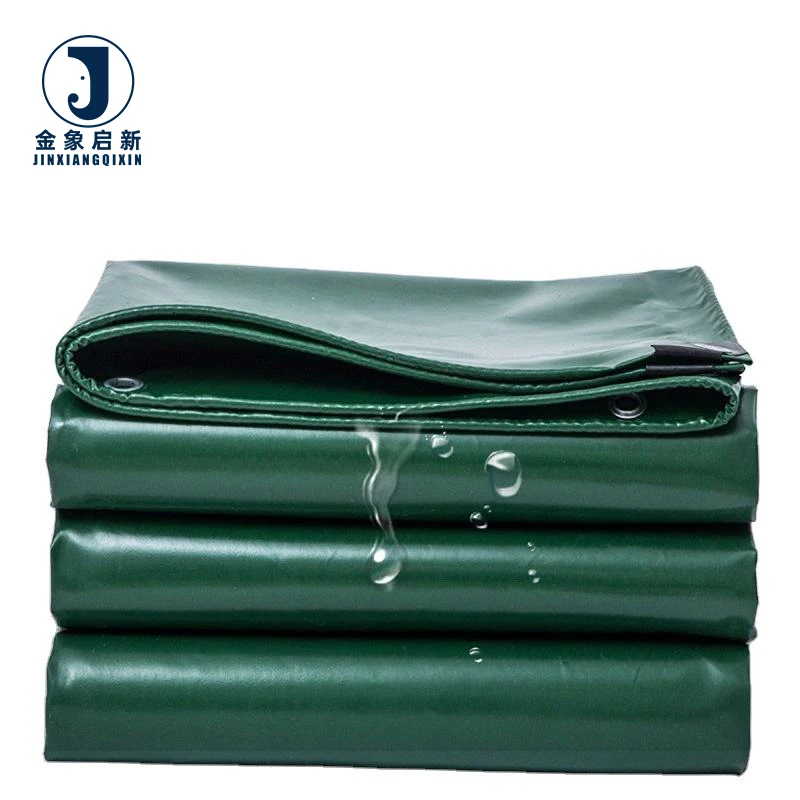
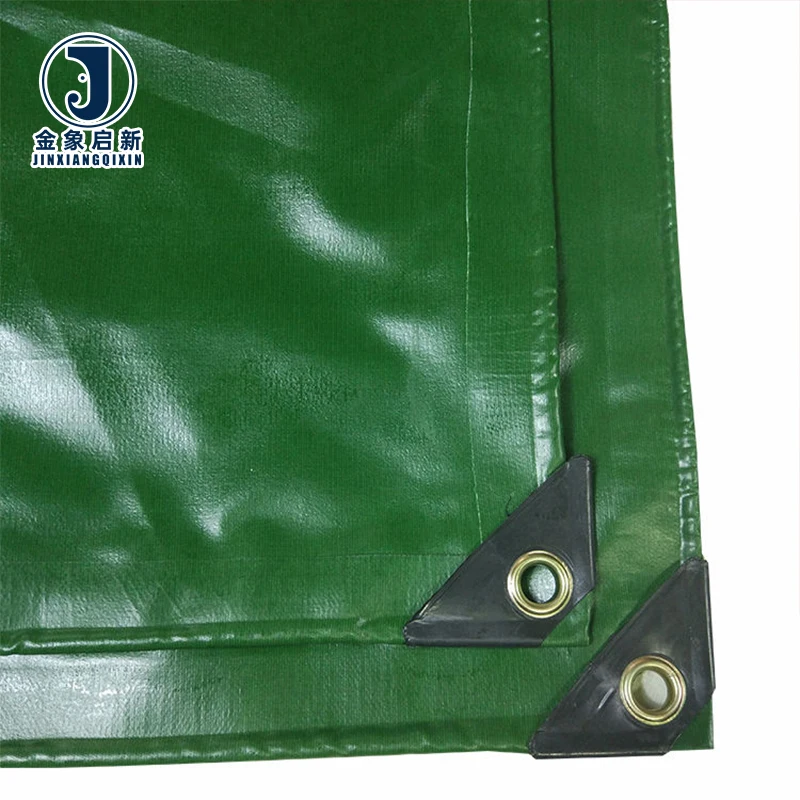
Description
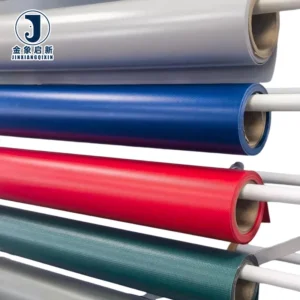
Verified Roll Consistency — Every 500GSM PVC coated tarpaulin roll undergoes 100% pre-shipment weight inspection so the GSM on your packing list matches the fabric on your cutting table.
Technical Specifications
| Parameter | Value |
|---|---|
| Product Type | PVC Coated Tarpaulin Roll |
| Weight | 500GSM |
| Base Fabric | Woven plain industrial tricot, anti-pull |
| Coating Material | PVC |
| Coating Method | Tricot coated |
| Waterproof Rating | Anti-permeable ≥20KPa |
| Flame Retardant Grade | ≤10 seconds (grade not stated — confirm standard required for your market) |
| Low-Temperature Flexibility | Down to -30°C without fracture |
| Corrosion Resistance | Acid, alkali and brine resistant |
| Mildew Resistance | Mildew proofing properties stated (test basis not stated) |
| Abrasion Resistance | Abrasion-resistant woven plain finish |
Application Suitability
| Application | Exposure & Requirement |
|---|---|
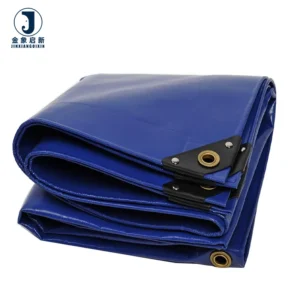
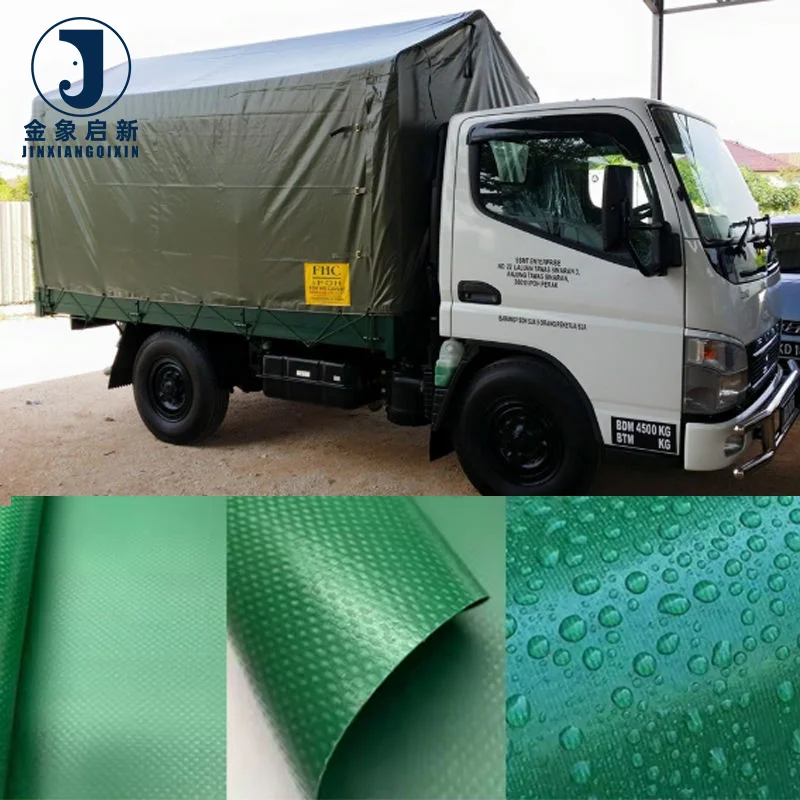
| Truck and cargo side covers | Constant flex at load points, road debris impact, wind-driven rain, UV exposure during transit |
| Pool and reservoir covers | Prolonged water contact, chemical treatment splash, sunlight degradation risk |
| Heavy-duty outdoor load protection | Open-air stacking, weather cycling, forklift and handling abrasion |
| Coastal and chemical-site logistics | Salt-laden atmosphere, acid or alkali residue on cargo surfaces |
Why 500GSM PVC Tarpaulin Roll Weight Verification Matters at Scale
The specification you order must be the specification that arrives at your warehouse door.
When sourcing PVC coated tarpaulin roll wholesale, buyers frequently report that the GSM stated on the original quotation does not match the material received. A lighter roll cuts costs for the supplier but leaves the fabricator with thinner coating, lower tensile margins and weld seams that fail before the base fabric does [NEED_CITE: tensile and tear test methods for coated fabrics per ISO 1421]. Across a full container of roll stock, even a small deviation per linear meter compounds into significant performance shortfalls once the covers are fabricated and deployed on trucks or outdoor cargo. Batch-to-batch GSM verification at the coating stage — not just a sample check — is what separates reliable roll supply from a costly field failure.
Coating Weight and Dimensional Stability Across the Roll
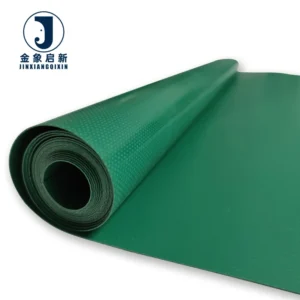
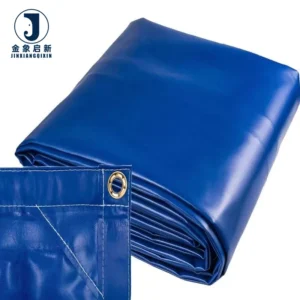
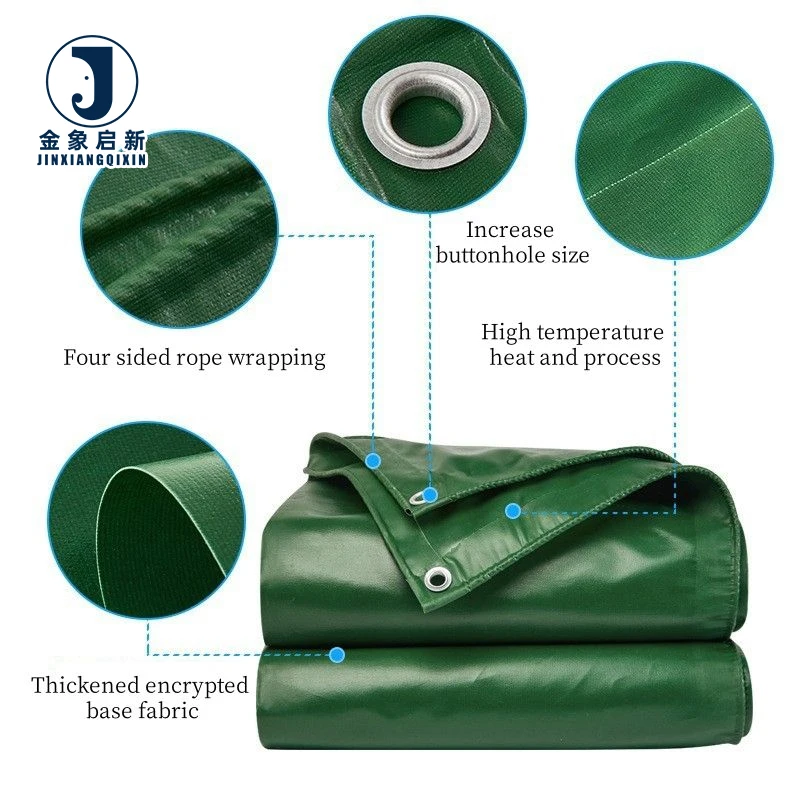
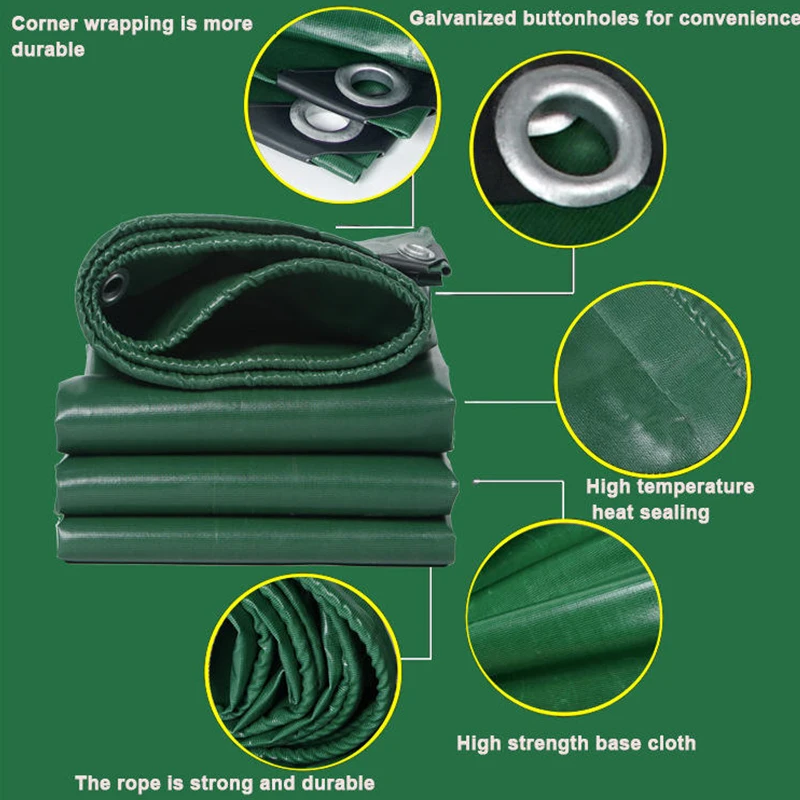
This PVC coated tarpaulin roll uses a tricot-coated process applied to a woven plain anti-pull industrial base fabric. The tricot structure distributes coating weight evenly across the warp and weft, reducing the risk of thin spots that appear as weak lines during welding or under sustained tension. For fabricators cutting truck covers to specific trailer dimensions, dimensional stability across a full roll means less material waste and fewer rejected panels at the quality check stage.
Waterproof and Corrosion Performance for Transport Environments
The anti-permeable rating of ≥20KPa means water penetration through the coated surface is blocked under sustained hydrostatic pressure. Combined with acid, alkali and brine corrosion resistance, this PVC coated tarpaulin roll suits logistics routes that pass through industrial zones, coastal ports or chemical handling areas [NEED_CITE: hydrostatic pressure testing standards for coated technical textiles]. The mildew-resistant properties further support use in humid climates where stored covers face biological degradation between deployments.
Reading the Specification Sheet Beyond GSM
The 500GSM weight reflects total coated fabric mass, but the anti-pull tricot base fabric contributes directly to tear propagation resistance — a property that GSM alone cannot predict. A heavier coating on a loosely woven base may show high weight yet split under point load. The tricot coating method bonds the PVC layer through the weave rather than sitting on the surface, improving peel strength at welded seams where truck covers flex most. Low-temperature flexibility to -30°C without fracture indicates the plasticizer system remains active in cold-climate transport corridors, preventing the brittle cracking that occurs when standard PVC compounds are used below their designed thermal range.
The Hidden Cost of Ignoring Roll-to-Roll Consistency
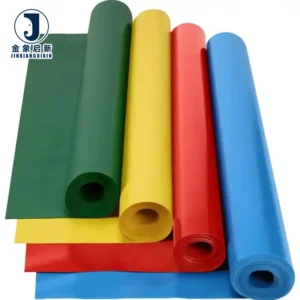
When color varies between rolls within the same shipment, the difference becomes visible only after fabrication — once panels are installed side by side on a fleet of trucks or across adjacent cargo bays. The rework cost extends beyond material waste to include labor, transport and client relationship damage [NEED_CITE: batch color consistency standards in industrial coated fabrics]. Similarly, when flame retardant performance is claimed without a documented test basis, the fabricated cover may fail site inspection at a mining or construction project, leaving the contractor without compliant protection and facing project delays.
Why Source This PVC Coated Tarpaulin Roll Here
Three full production lines and 36 sets of professional equipment support bulk roll output with consistent coating application across every production run. A 10-person R&D team handles custom width, color matching and pattern printing requests with sample development completed within days. Dedicated QA/QC runs at every stage — base fabric inspection, coating weight check, and 100% pre-shipment roll inspection — rather than a single final audit. Nearly 30 years of focused coated fabric production translates into process control over adhesion and weight that newer operations cannot replicate quickly. Roll packing and container loading plans are prepared per order to prevent creasing and coating damage during ocean freight.
Documentation & Verification
- Material specification sheet listing 500GSM weight, tricot base fabric denier, and PVC coating details
- Pre-shipment inspection record confirming GSM per roll against quoted specification
- Roll packing list with individual roll count, net weight, and container loading sequence
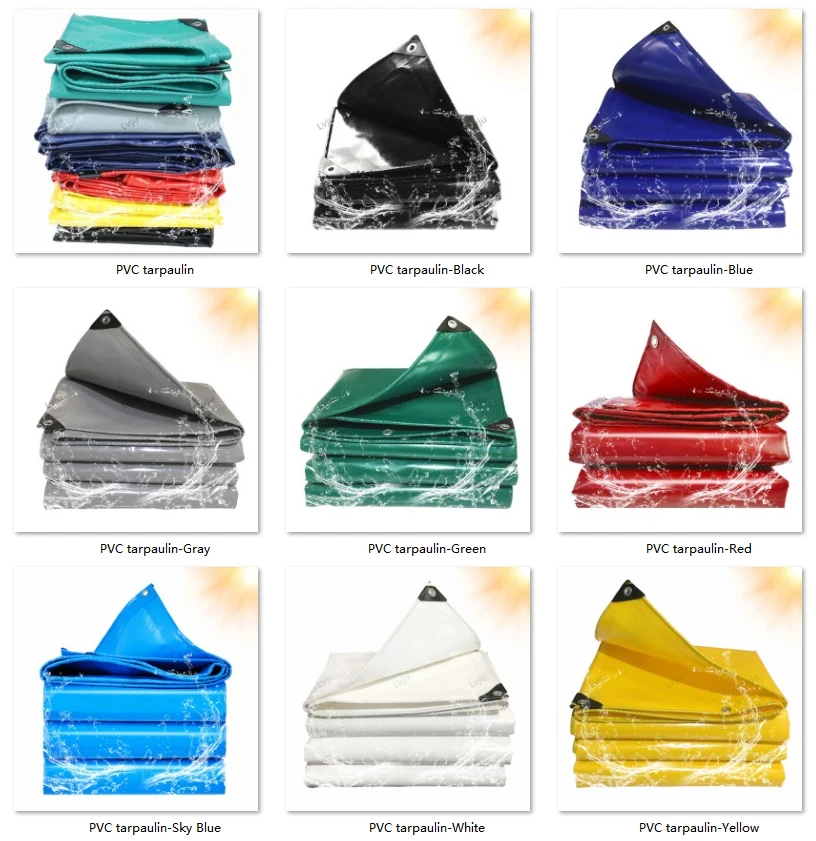
- Color reference verification across all rolls within the same production batch
- Certificate of origin and customs documentation for international roll-stock trade
Fabrication, Handling & Storage
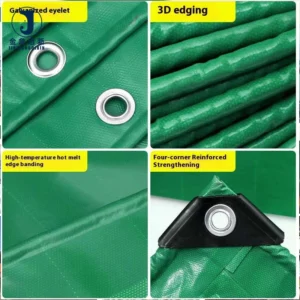
- Hot-air welding temperature must match 500GSM PVC coating thickness to prevent seam delamination at flex points
- Allow rolls to acclimatize before unrolling in cold conditions — low-temperature flexibility rated to -30°C but stiff handling may cause creasing
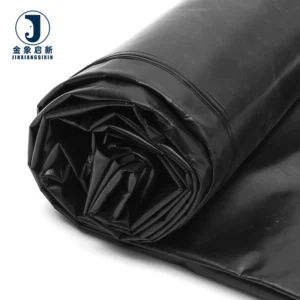
- Store rolls horizontally on padded racks to prevent permanent compression marks on the tricot-coated surface
- Use rotary cutters rather than shears on the anti-pull woven base to avoid frayed edges that compromise hem welding
- Clean with mild detergent only — acid and alkali resistance refers to environmental exposure, not concentrated cleaning agents
What to Include in Your Roll-Stock Inquiry
Provide the target trailer dimensions or fabricated cover sizes so the correct roll width and length can be matched to minimize off-cuts. Specify the end-use environment — cold-climate routes, coastal logistics, or chemical exposure — to confirm that the 500GSM grade and corrosion resistance profile suit your application. Indicate whether you require stock widths or custom roll dimensions, along with annual volume estimates for pricing tier alignment.
Frequently Asked Questions
Q: How is GSM verified per roll before shipment and what records are provided?
A: Each roll passes a coating weight check during production, and a 100% pre-shipment inspection confirms the 500GSM specification. A signed inspection record accompanies the shipment, listing measured GSM values against the quoted weight. This document is matched to the roll packing list so every roll can be traced from coating line to container.
Q: What flame retardant standard does this 500GSM grade meet?
A: The fabric achieves flame retardant performance of ≤10 seconds, but the specific test standard and grade are not stated in the base specification. Buyers must confirm the fire classification required by their local regulations or project specification — such as DIN 4102, NFPA 701, or regional building codes — before placing the order so the correct grade is produced.
Q: How is batch-to-batch color consistency maintained across rolls?
A: Color reference is locked at the sample approval stage, and each production batch is checked against this reference before dispatch. Rolls within a single order are produced in the same coating run wherever possible to minimize shade variation. Buyers ordering across multiple shipments should request a color reference panel for incoming inspection.
Q: What custom widths and roll lengths are available for bulk orders?
A: Custom widths and lengths are available subject to production line capability and minimum order quantities. The 10-person R&D team develops samples for non-stock dimensions within days, allowing fabricators to test cutting yield and welding parameters before committing to a full container order.
Q: How is roll stock packed to prevent damage during container shipping?
A: Rolls are packed with protective wrapping and loaded according to a container plan that prevents crushing and creasing. The packing list details roll count, individual weights, and loading sequence so the receiving warehouse can plan unloading and storage without handling damage to the PVC coating surface.