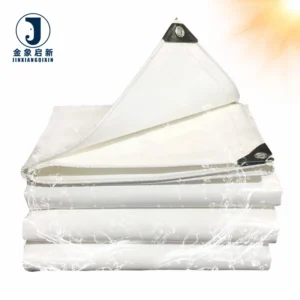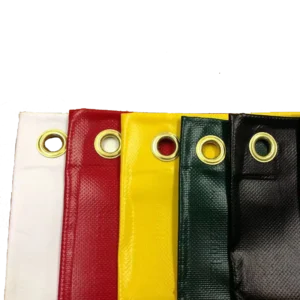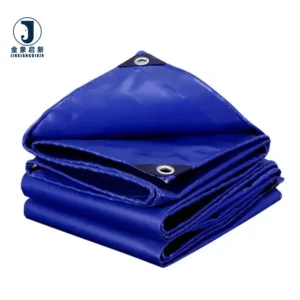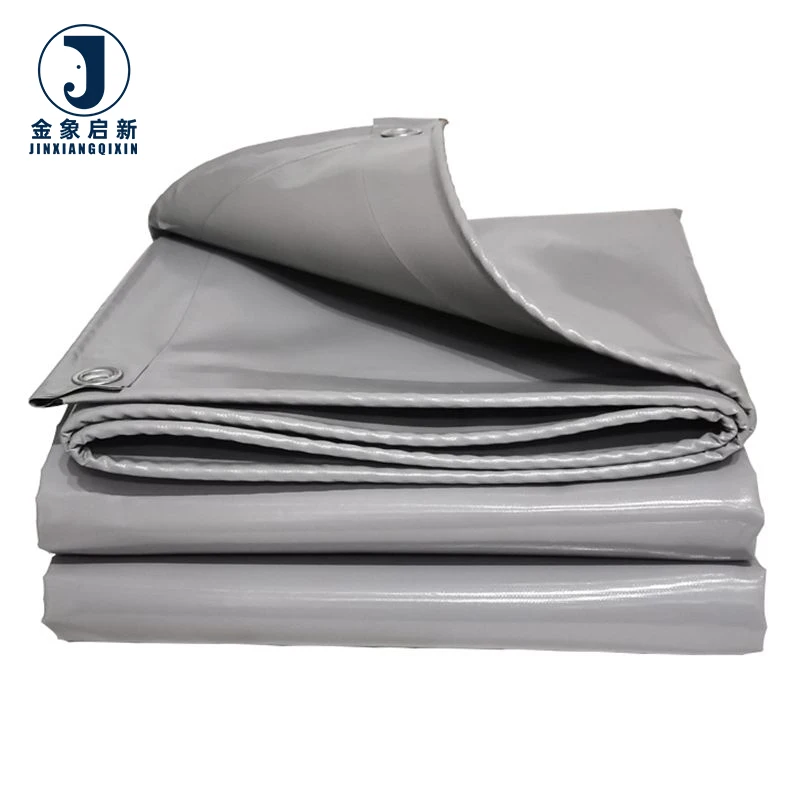
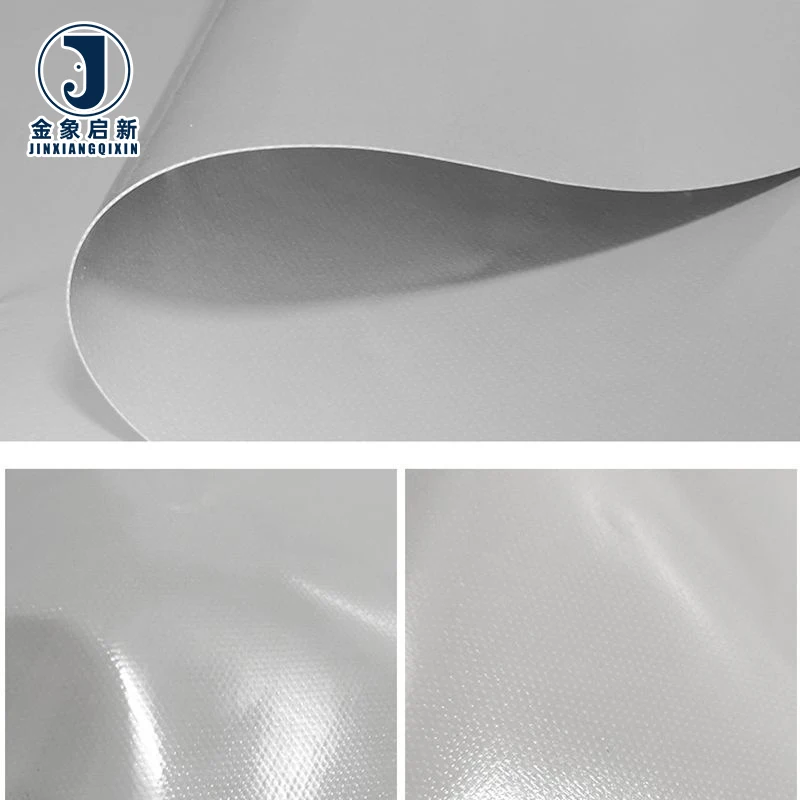
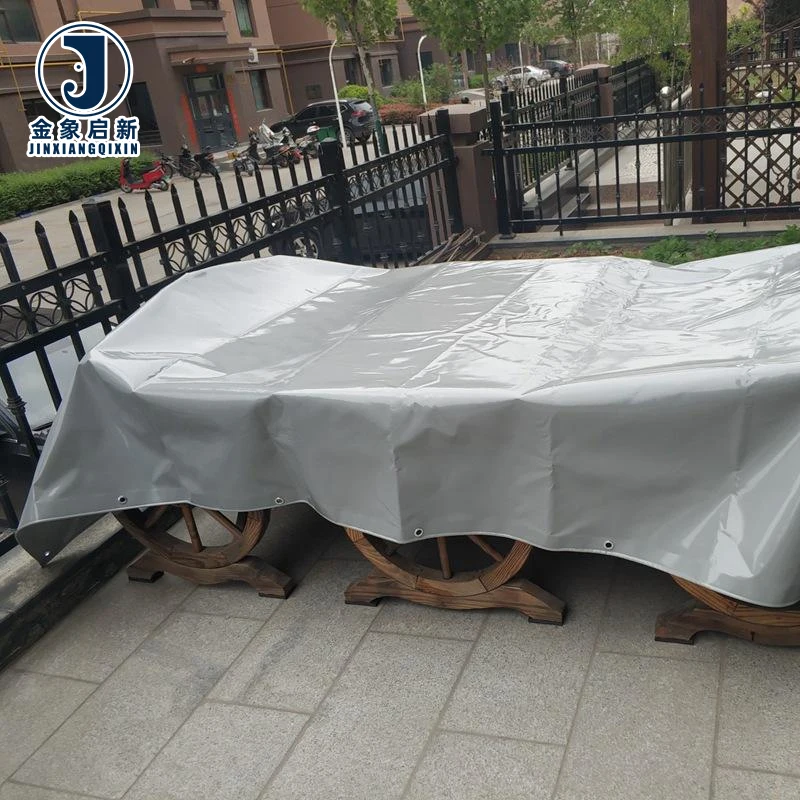
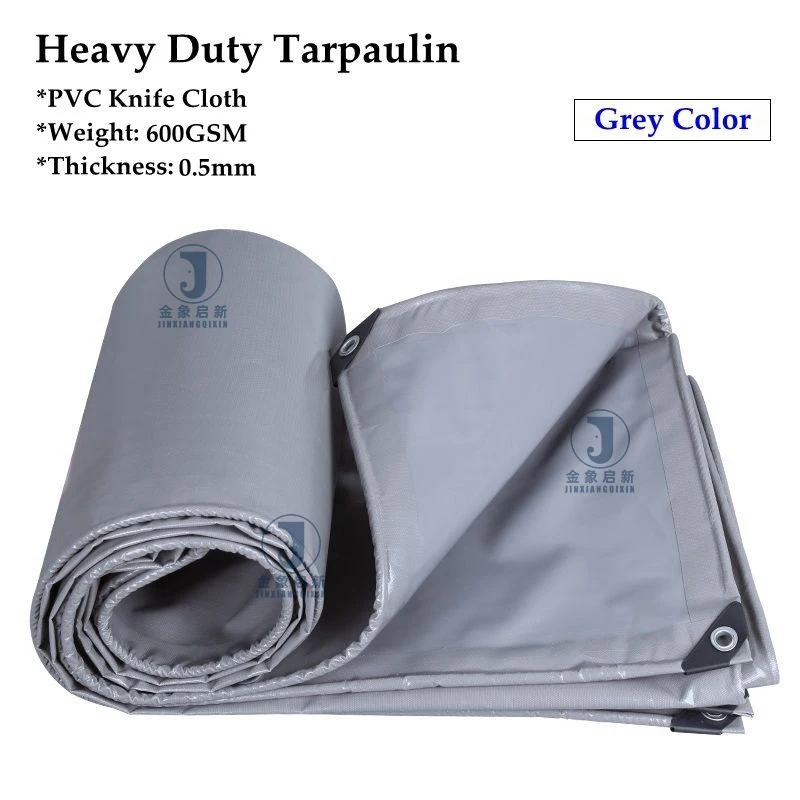
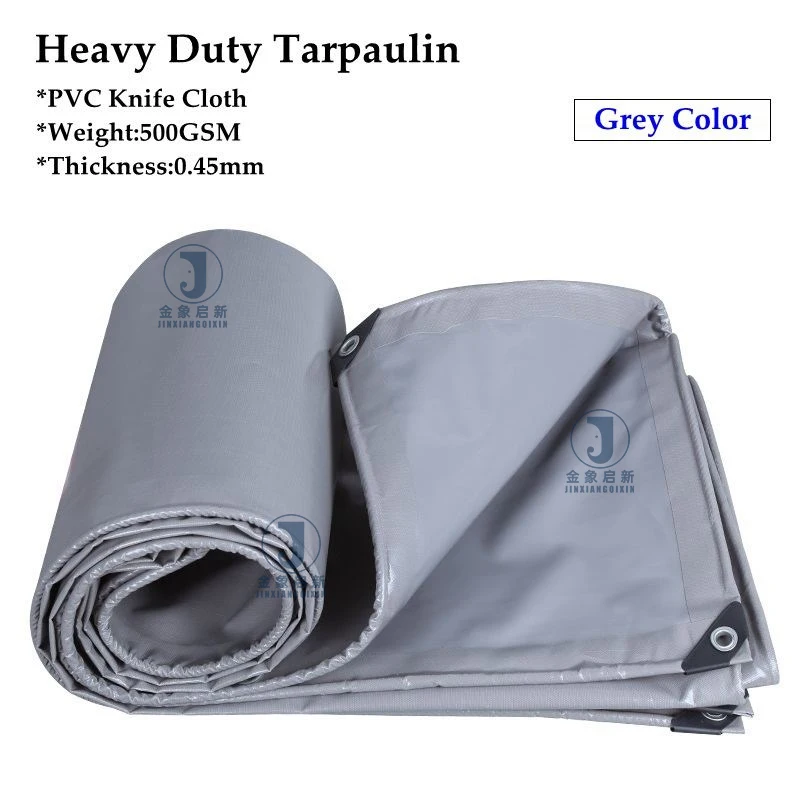
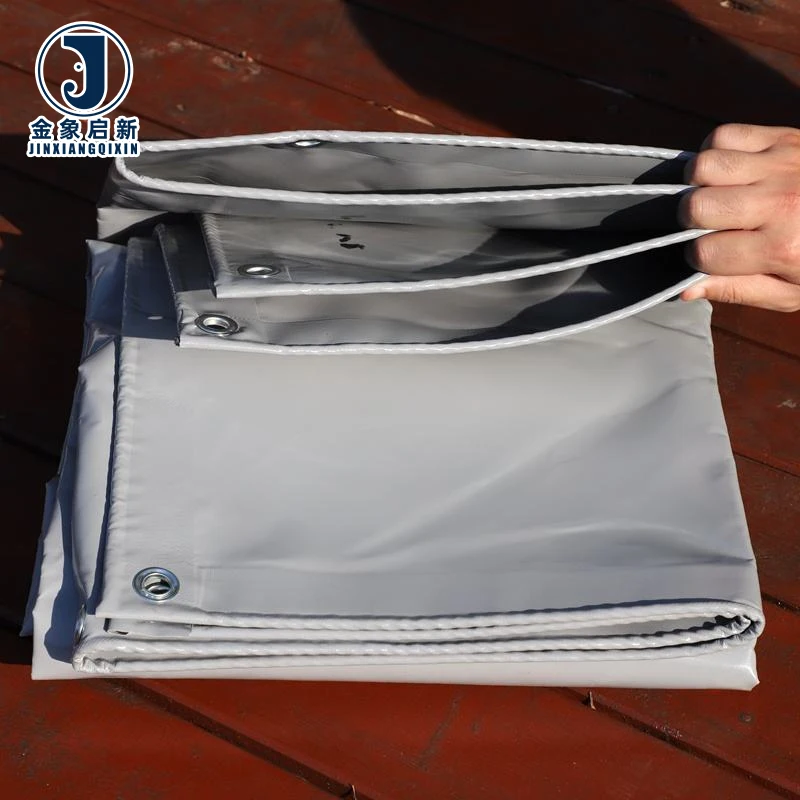
Description
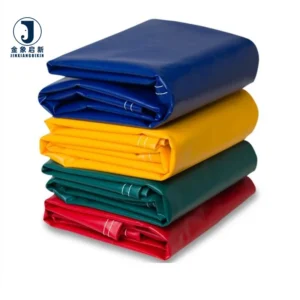
Bulk-Ready Roll Stock — Every roll of PVC knife-coated fabric ships with documented GSM verification and pre-shipment inspection, so container loads arrive with the weight and colour consistency your production line depends on.
Technical Specifications
| Parameter | Value |
|---|---|
| Product Type | PVC Knife-Coated Fabric |
| Coating Method | Knife coated |
| Coating Material | PVC |
| Waterproof Rating | Anti-permeable ≥ 20KPa |
| Flame Retardant Grade | Available in flame retardant grades — confirm the grade required for your market |
| UV Treatment | Anti-UV treatment available — request test report for specific grade |
| Low-Temperature Flexibility | -30°C (no fracture) |
| Chemical Resistance | Acid, alkali, and brine corrosion resistance |
| Joining Method | High-frequency heat combined |
| Anti-Mildew | Mildew proofing available — confirm grade required |
Application Suitability
| Application | Exposure & Requirement |
|---|---|
| Tent and awning fabrication | Prolonged UV exposure, wind flex, rain ingress — requires consistent GSM and waterproof integrity across full roll length |
| Canopy and shade structures | Static tension loads, thermal cycling — demands low-temperature flexibility and stable coating adhesion |
| Outdoor event covers | Repeated deployment and packing, abrasion at fold points — needs high-frequency heat seaming compatibility |
| Tarpaulin wholesale distribution | Resale to diverse end users — requires batch-to-batch colour consistency and documented specification per roll |
| Industrial outdoor covers | Chemical splash, saline coastal environments — calls for acid, alkali, and brine corrosion resistance |
Why Quoted GSM Rarely Matches What Arrives on the Dock
Verified GSM starts at the coating head, not at the weighing scale.
When PVC knife-coated tarpaulin roll wholesale orders land with lighter material than invoiced, the root cause is almost always process variance during coating — the knife gap drifts, the paste viscosity shifts between batches, or the base fabric tension fluctuates. Buyers end up with fabric that feels right but fails the cut-weight test. For wholesale distributors and tent fabricators buying full containers, even a small GSM shortfall across hundreds of rolls compounds into significant material loss and production rejects [NEED_CITE: tensile and tear test methods for coated fabrics per ISO 1421]. The consequence is not just a thinner fabric — it is a product that cannot hold a seam under tension or survive a season of UV exposure at the rated performance level.
Roll-to-Roll Colour Consistency Across Container Loads
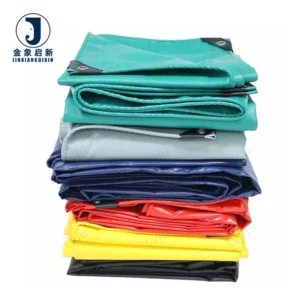
When canopy fabricators unroll consecutive batches side by side, even a slight hue shift becomes immediately visible on installed structures. Our PVC knife-coated tarpaulin rolls are produced with controlled pigment dosing and documented colour references per batch, reducing the variance that forces fabricators to sort and segregate rolls before cutting. For distributors stocking multiple shades, this means predictable inventory allocation without customer complaints about mismatched panels on a single job site.
High-Frequency Seaming Compatibility for Fabricator Workflows
Tent and awning manufacturers need fabric that welds cleanly at production speed without burning through or delaminating at the joint. The knife-coated PVC formulation used in this fabric supports high-frequency heat combined seaming, producing watertight joins that flex with the material rather than cracking at the bond line. Fabricators running automated welders can set consistent parameters across the roll, reducing scrap from failed seams [NEED_CITE: high-frequency welding parameters for PVC coated polyester fabrics].
Decoding the Specification Sheet Beyond Weight
GSM alone tells you how much material is on the roll, but not how that material performs under load. The relationship between base fabric denier, weave density, and coating weight determines whether the fabric tears cleanly or resists tear propagation once a puncture occurs. Knife coating, as opposed to lamination or calendering, forces PVC paste into the weave structure under blade pressure, producing higher peel strength at the coating-to-yarn interface — this is what prevents delamination when the fabric flexes repeatedly at a hem or weld line. The ≥ 20KPa anti-permeable rating confirms water cannot pass through the coating layer, but real-world waterproofness also depends on seam integrity, which is why high-frequency heat seaming is specified as the joining method. Low-temperature flexibility at -30°C means the PVC compound retains plasticiser stability in cold climates, preventing the brittle cracking that destroys awning covers during winter storms.
What Specifying the Wrong Grade Costs Your Production Line
Ordering a lighter GSM to save on roll cost seems logical until the fabric fails at the weld line during fabrication or cracks along the hem after one season deployed in coastal wind. Flame retardant grades claimed without a supporting test report create liability exposure when a site inspector requests certification and none is available. Colour inconsistency between rolls forces fabricators to reject panels mid-production, generating waste and delaying shipments [NEED_CITE: batch colour variation in PVC coated textile production]. Each of these failures traces back to incomplete specification at the inquiry stage — the grade, the test basis, and the verification protocol were never confirmed before production started.
Why Fabricators and Distributors Source This Roll Stock Here
Three full production lines and 36 sets of professional coating equipment support volume PVC knife-coated tarpaulin roll wholesale orders with consistent output scheduling, so lead times remain predictable across container-load quantities. A dedicated 10-person R&D team handles custom width and colour development with sample turnaround measured in days, not weeks, allowing distributors to confirm specifications before committing to full production runs. QA inspection runs at every production stage with 100% pre-shipment roll-by-roll checks, meaning GSM and colour are verified against the quoted grade before any roll is packed. Deep process control over coating weight and adhesion, built across nearly 30 years focused exclusively on coated fabric, reduces the coating variance that causes field failures. Full documentation packages ship with every container, giving distributors and importers the traceability their downstream customers require.
Documentation & Verification
- Material specification sheet stating GSM, base fabric denier, and coating weight per roll
- Weight verification record comparing actual roll GSM against quoted grade before dispatch
- Roll packing list with individual roll weights for container load planning
- Test report for UV and flame retardant grades where applicable and requested
- Certificate of origin and customs documentation for international shipment clearance
- Pre-shipment inspection record confirming 100% roll-by-roll quality check
Fabrication, Handling & Storage
- Set high-frequency welder parameters to match PVC knife-coated thickness for clean, flexible seams
- Store rolls upright on end cores to prevent flat-spot creasing across the coating surface
- Allow cold-stored rolls to reach ambient temperature before unrolling to avoid coating crack at -30°C flexibility limit
- Use PVC-compatible cleaners only — solvent-based products may attack the plasticiser in the knife-coated layer
- Plan cut patterns around roll width to minimise offcut waste and reduce the number of welded joins per structure
- Reinforce hem and tie-down zones with additional welded patches to distribute load across the base fabric weave
Before You Request a Quote
Provide the intended application and typical exposure conditions — coastal salt air, industrial chemical splash, or standard outdoor weather — so the correct chemical resistance grade can be specified. Confirm your target market’s fire safety classification requirements and whether you need a supporting test report for site inspection purposes. Specify the roll widths and lengths that align with your cutting tables and container loading plan, along with estimated annual volume for pricing structure alignment.
Frequently Asked Questions
Q: How is GSM verified on each roll before shipment?
A: Every roll undergoes cut-weight testing during the pre-shipment inspection process. The actual GSM is recorded against the quoted grade on a weight verification document that ships with the container. Rolls that fall outside the agreed tolerance are flagged and replaced before dispatch, so you receive documented confirmation that the material matches your purchase order specification.
Q: What roll width and length options support optimal container loading?
A: Rolls are available in custom widths and lengths to match your cutting table dimensions and container payload planning. The R&D team provides sample rolls for layout testing, allowing you to calculate roll count per container and minimise dead space. Width and length specifications are confirmed during the sample approval stage before bulk production begins.
Q: How do you ensure colour consistency across all rolls in a single order?
A: Pigment dosing is controlled at the mixing stage with documented colour references assigned to each production batch. Rolls from the same order are grouped and checked side by side during pre-shipment inspection to confirm visual colour match. If your application requires panels installed adjacent to one another, request a colour tolerance specification at the inquiry stage.
Q: What documentation accompanies each shipment for customs and quality traceability?
A: Each container ships with a material specification sheet, roll packing list with individual weights, pre-shipment inspection record, certificate of origin, and test reports for UV or flame retardant grades where specified. This documentation package supports customs clearance and provides your downstream customers with verifiable quality records for their own compliance requirements.