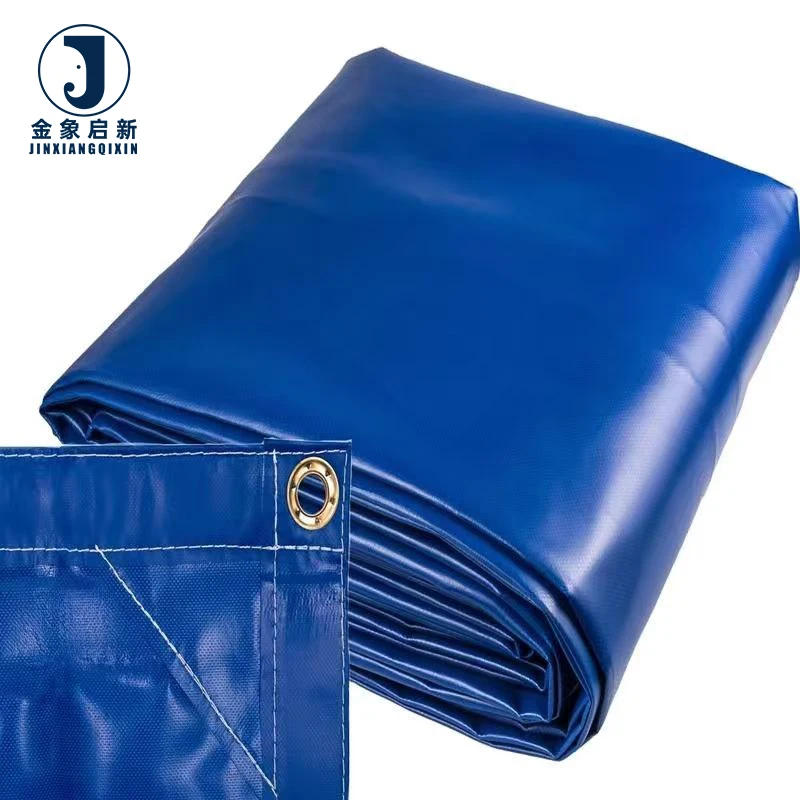
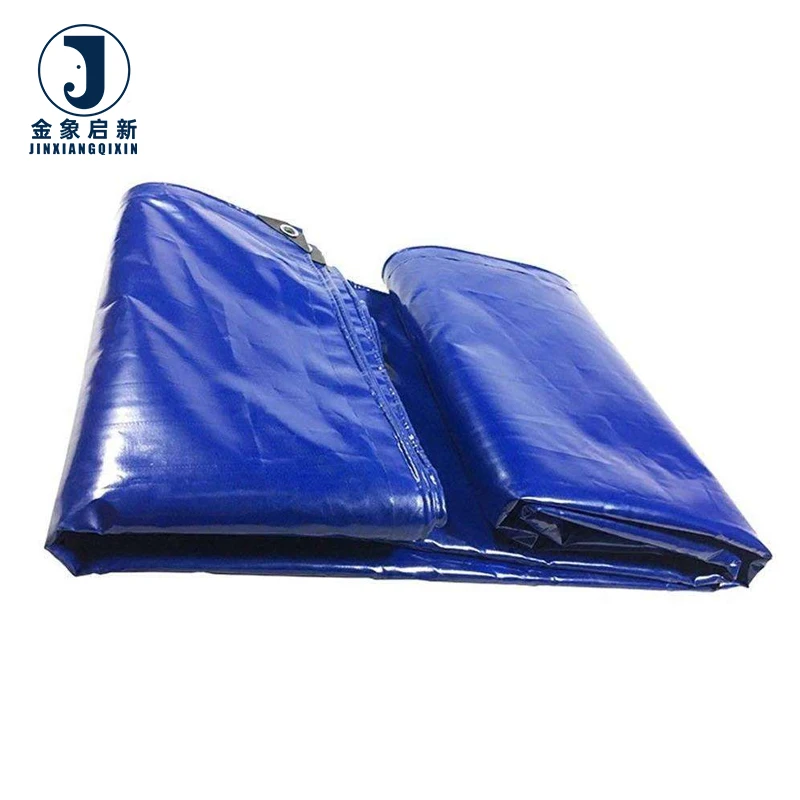
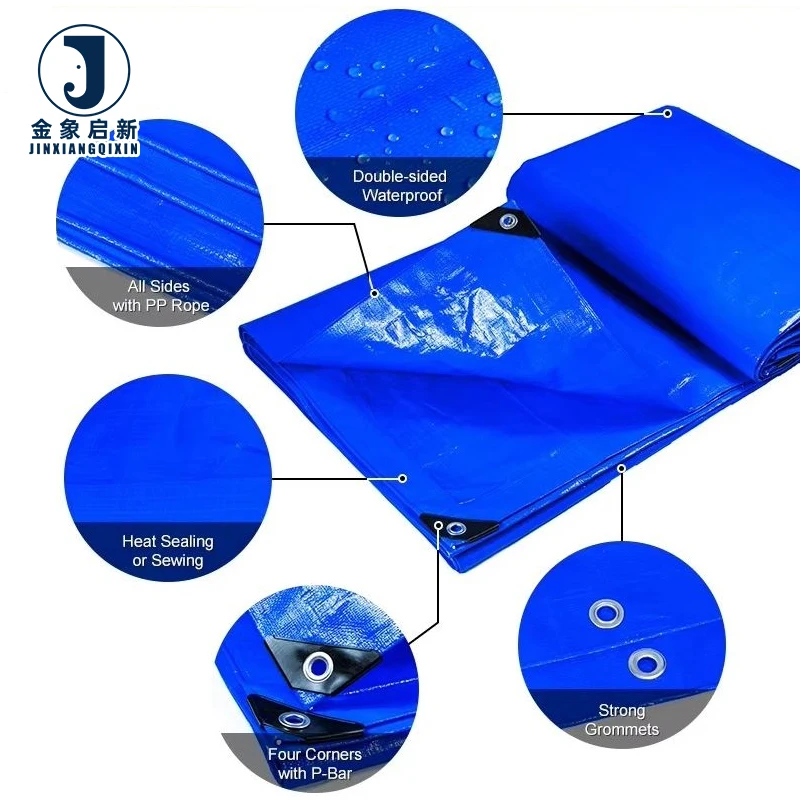
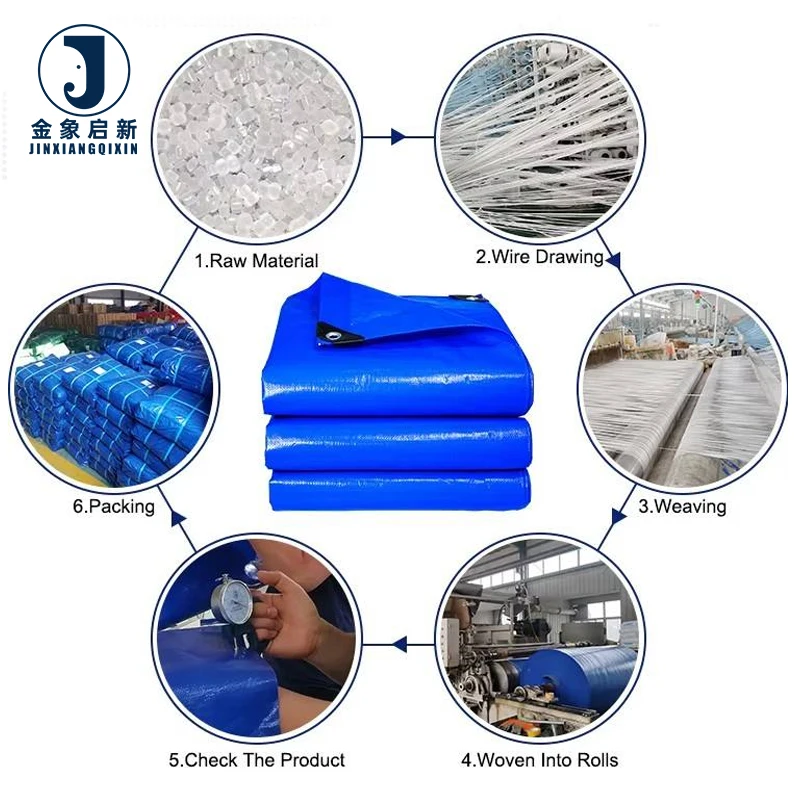
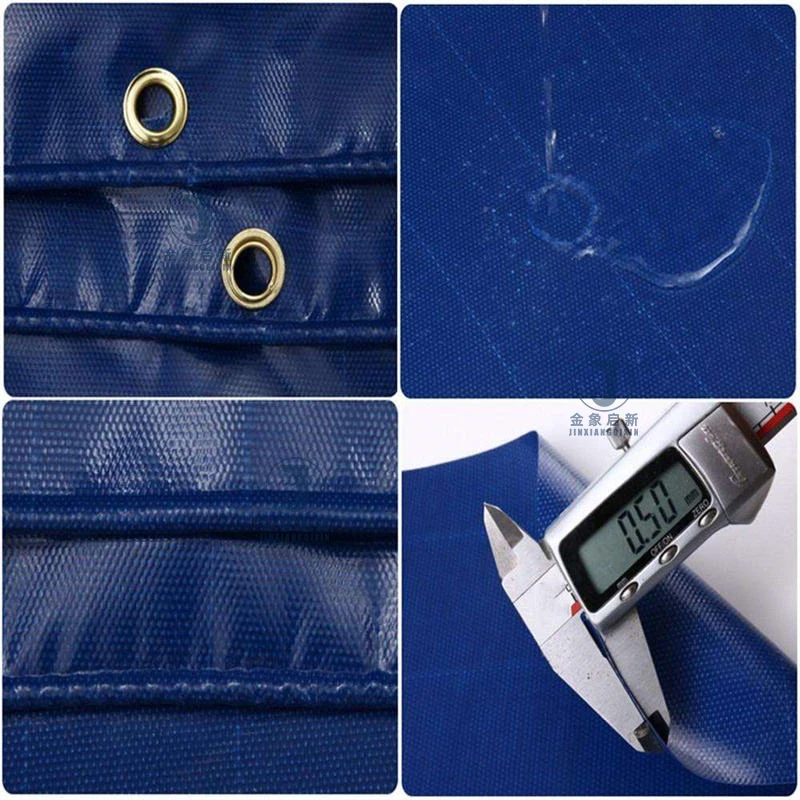
Description
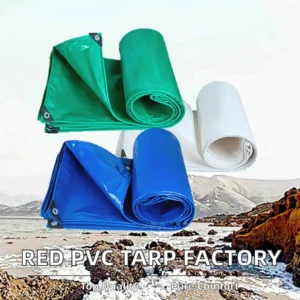
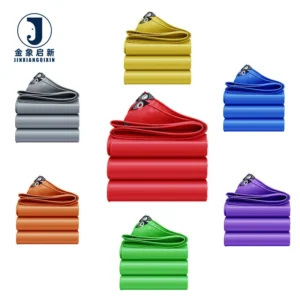
Batch-Matched Colour Control — every roll of PVC coated tarpaulin roll stock is held to the same colour reference and GSM tolerance across a single shipment, eliminating side-by-side variation that forces rework at the warehouse or on site.
Technical Specifications
| Parameter | Value |
|---|---|
| Product Type | PVC Coated Tarpaulin |
| Weight Range | 250gsm-1500gsm (confirm the grade for this item) |
| Base Fabric Denier | 200DX300D, 500DX500D, 840DX840D, 1000DX1000D |
| Coating Material | PVC |
| Coating Method | Coated and laminated (verify against current catalog) |
| Standard Width | 3 m |
| Surface Finish | Available in glossy or matte finish |
| Temperature Range | -15°C to 70°C |
| UV Treatment | Customized — test basis not stated, confirm requirement |
| Flame Retardant | Treated — grade not stated, confirm the grade required for your market |
| Anti-Fungal | Treated |
| Waterproof | Yes |
| Working Life | 3-10 years depending on usage environment (verify against current catalog) |
Application Suitability
| Application | Exposure & Requirement |
|---|---|
| Tarpaulin distributor stocking | Multiple widths and colours held to consistent GSM per roll for regional resale |
| Truck fleet side curtain fabrication | Fabric by the roll with repeatable weld behaviour at flex points |
| Tent and awning manufacturing | Roll-to-roll colour matching so panels align visually after assembly |
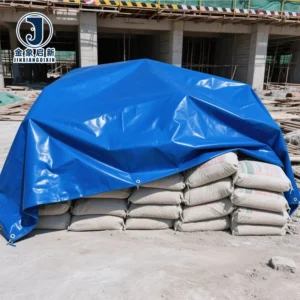
| Outdoor equipment protection covers | Waterproof and anti-fungal treated surface for prolonged weather exposure |
| Swimming pool and reservoir covers | Continuous water contact demanding stable coating adhesion and anti-fungal treatment |
Why Colour Drift Across Rolls Destroys Wholesale Margins
Colour consistency is a coating-process discipline, not a dye-lot coincidence.
When a distributor unloads a container and two rolls show a visible shade difference side by side, the entire batch can be rejected by the end user. This is not a cosmetic complaint — it forces returns, re-shipping, and lost shelf space. Roll-to-roll colour control depends on pigment dosing accuracy and curing temperature stability across the full production run [NEED_CITE: pigment dispersion and curing tolerance in PVC coating lines]. Buyers sourcing PVC coated tarpaulin roll stock in volume need documented batch colour references before the container is sealed, not a promise that the colour will be close.
Roll-to-Roll Consistency Across Denier Grades
Our range covers base fabric deniers from 200DX300D through 1000DX1000D, giving wholesale buyers a single sourcing point for lightweight through heavy-duty PVC coated tarpaulin roll stock. Each denier is paired with a coating weight that matches its tensile and tear capacity, so a 500DX500D roll does not carry more coating than the base fabric can hold without delamination. This matters when a distributor stocks multiple grades and expects weld settings to transfer predictably from one thickness to the next.
Glossy or Matte Finish and Its Practical Consequence
The choice between glossy and matte is not purely aesthetic. A glossy surface sheds dirt more readily and resists staining from road film and industrial fallout, which matters for side curtain and awning panels that must stay clean in service. A matte finish reduces glare and provides better adhesion for printed graphics and branding applied by the fabricator. Both finishes are available across the denier range, so buyers ordering full containers can specify the finish that matches their end-use market without splitting orders across suppliers.
How Base Fabric and Coating Weight Interact in Roll Stock
The denier of the base fabric — written as warp × weft thread count — sets the tear and tensile floor of the material. A 1000DX1000D base provides substantially higher tear resistance than a 200DX300D base before any coating is applied. The PVC coating then adds waterproofing, UV protection, and surface durability, but it also adds stiffness. If the coating weight is too high relative to the base denier, the fabric becomes difficult to fold and weld without cracking at the crease [NEED_CITE: relationship between coating-to-substrate ratio and flex fatigue in coated fabrics]. The coated and laminated construction used here bonds the PVC to the woven base for adhesion strength, but the denier-to-coating ratio still determines how the roll behaves when the fabricator runs it through a high-frequency or hot-air welder.
The Hidden Cost of Specifying on GSM Alone
A buyer who sources PVC coated tarpaulin roll stock based only on a target GSM may receive fabric that meets the weight but uses a lighter base fabric with heavier coating to compensate. The roll hits the scale, but the tear strength falls short of what the denier should deliver. When this fabric is fabricated into a side curtain or tensioned awning, the stress concentrates at the weld lines and eyelet zones — precisely where a weaker base fabric fails first. Pre-shipment inspection records that verify both GSM and base fabric denier per roll close this gap before the container is loaded [NEED_CITE: tensile and tear test methods for coated fabrics per ISO 1421].
Why Volume Buyers Source Roll Stock Here
Three full production lines and 36 sets of professional equipment support the container-volume output that wholesale buyers depend on for scheduled restocking. A 10-person R&D team develops custom colour and width samples within days, letting distributors confirm a new shade before committing to a full production run. Dedicated QA/QC runs at every production stage, not only at final inspection, so a coating-weight deviation is caught mid-run rather than discovered at the loading dock. Roll packing lists detail roll count, net weight, and container loading plan per shipment, giving logistics planners the data they need without a follow-up email. ISO and CE certification underpins the documentation package that accompanies every export order.
Documentation & Verification
- Weight verification per roll against the stated GSM before dispatch
- Colour reference documented per batch to confirm roll-to-roll consistency
- Roll packing list with roll count, net weight, and container loading layout
- Material specification sheet stating base fabric denier, coating type, and finish
- Test report for UV and flame-retardant grades where applicable and confirmed
- ISO and CE certificates supplied with the shipment documentation set
Fabrication, Handling & Storage
- Hot-air weld temperature should be calibrated to the specific GSM grade ordered, as heavier rolls absorb more heat before bonding
- Glossy finish rolls require clean platen surfaces to avoid marking the surface during thermal welding
- Store rolls upright on pallets to prevent flat-spotting on the coating surface at the contact point
- Allow cold-shipped rolls to reach workshop temperature before unrolling to avoid coating crack at low flex
- Matte finish rolls accept solvent-based inks for branding with better adhesion than glossy surfaces
- Cut rolls on a flat table with a straight edge to maintain square edges for downstream panel welding
What We Need to Quote Your Roll Stock Order
To provide an accurate specification and lead time, share the denier grade and target GSM you require for your market, the standard or custom width, and the finish preference. If your end users demand a specific flame-retardant grade or UV treatment level, state the standard your market enforces so we can confirm test coverage. Let us know your annual volume and whether you need full-container loading by roll count, and we will return a packing plan with the quotation.
Frequently Asked Questions
Q: How is GSM verified on arrival and what documentation accompanies each roll?
A: Every roll is weighed and measured during pre-shipment inspection, and the results are recorded against the quoted GSM. The inspection record, material specification sheet, and roll packing list ship with the container so you can cross-check weight and denier on arrival without waiting for a separate document request.
Q: How do you control colour consistency between rolls in the same bulk order?
A: Pigment batches are mixed for the full order quantity before production begins, and each roll is checked against the master colour reference during the coating stage. This prevents mid-run shade drift that would otherwise show as a visible difference when two rolls from the same container are installed side by side.
Q: What standard widths and roll lengths are available for container loading?
A: Standard roll width is 3 m, with custom widths available subject to production line setup. Roll lengths are cut to suit container capacity and your fabrication requirements. The roll packing list details exact roll count and loading configuration so your logistics team can plan ahead.
Q: What is the minimum order quantity for custom colour or custom width rolls?
A: Minimum quantities vary by colour and width because custom runs require dedicated pigment mixing and line adjustment. Share your target colour reference and width, and we will confirm the minimum along with a sample for approval before the production run is scheduled.
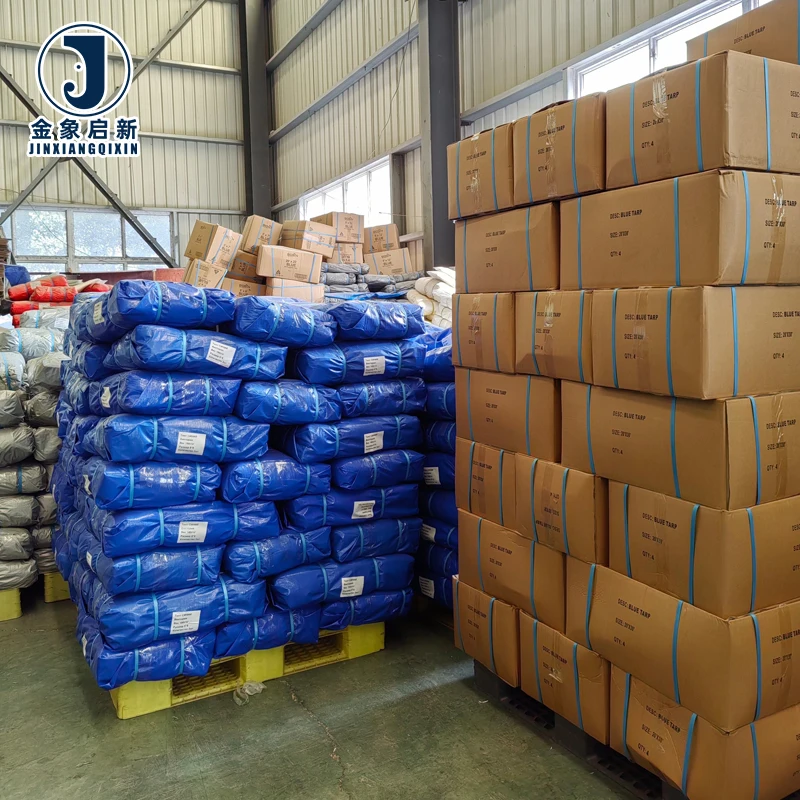
Q: How are rolls packed for ocean freight to prevent damage and creasing?
A: Rolls are packed in carton or bale wrapping depending on the grade and buyer preference, with end caps protecting the core edges. Rolls are loaded upright or horizontally according to the container plan, with blocking to prevent shifting that could cause creasing or coating damage during transit.