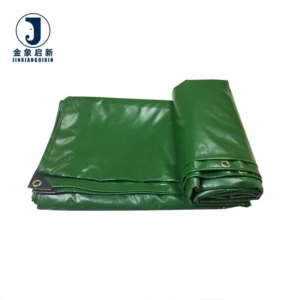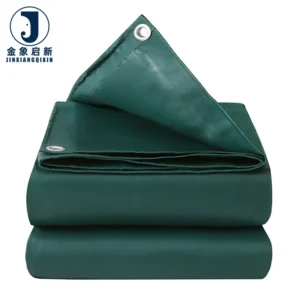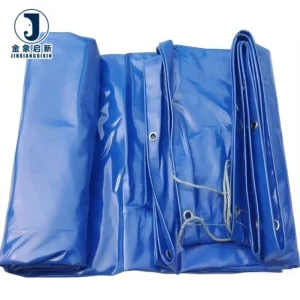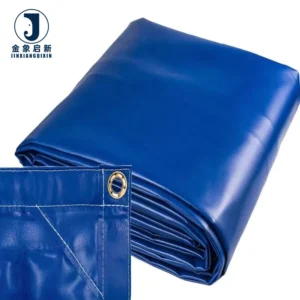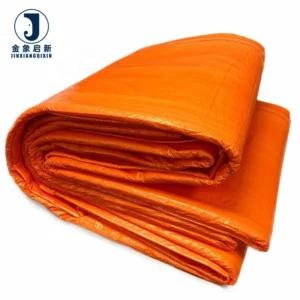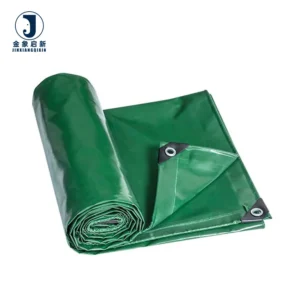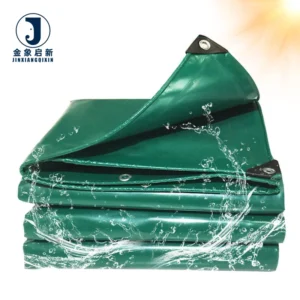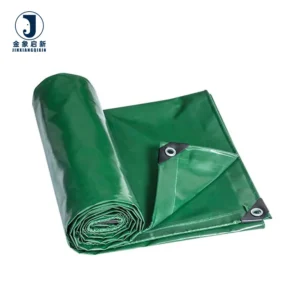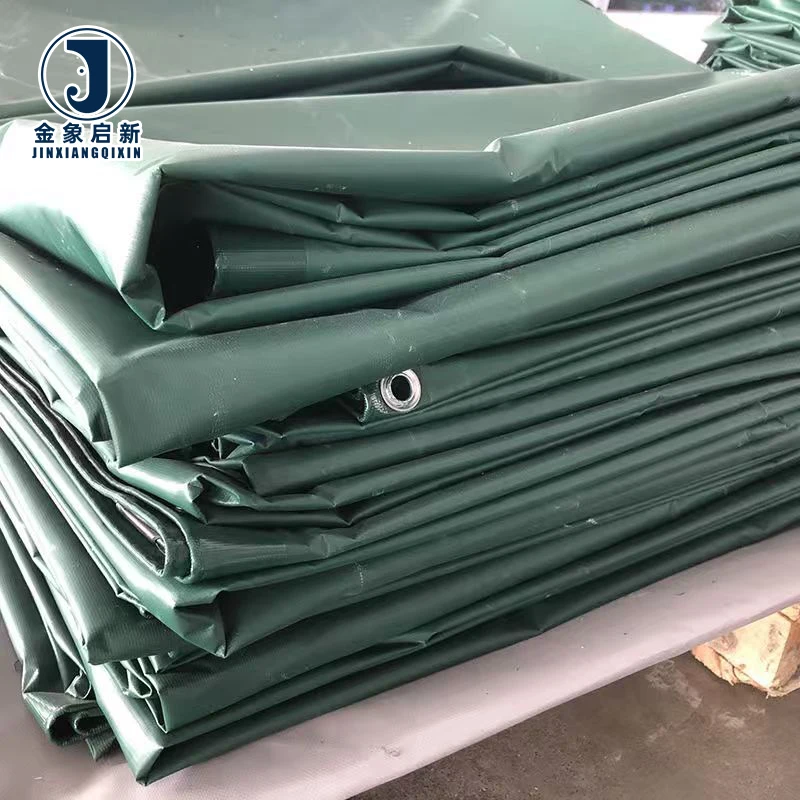
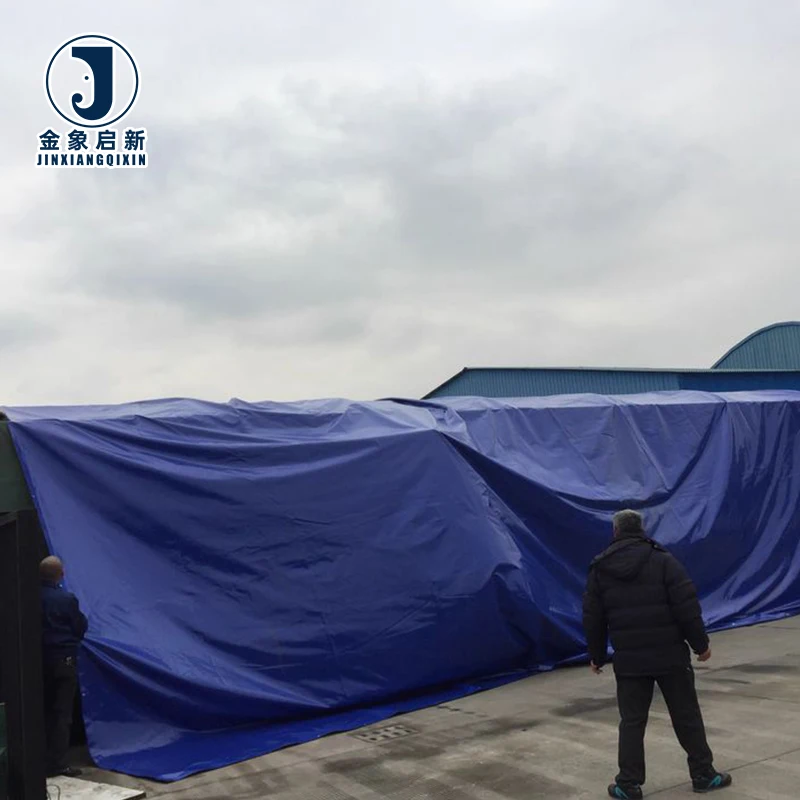

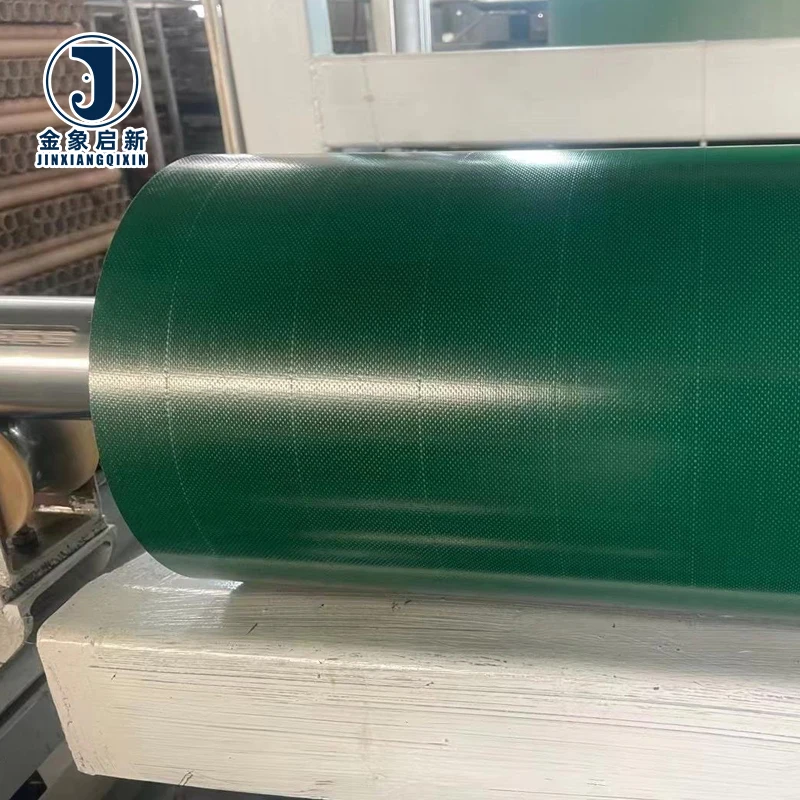
Description
Deep Process Control — Every roll leaves the facility with a pre-shipment inspection record confirming actual coating weight, ensuring distributors and fabricators receive material that matches the agreed specification.
Technical Specifications
| Parameter | Value |
|---|---|
| Product Type | PVC Coated Tarpaulin |
| Base Material | 100% high toughness polyester yarn |
| Coating Material | PVC |
| Coating Technology | Lamination technology and hot melt coating technology |
| Weight (GSM) | 400-1500 g/m² (source value — verify against manufacturer catalog) |
| Thickness | 0.35-1.5 mm |
| Base Fabric Denier | 500D-2000D |
| Tensile Strength (Warp) | 1500-3000 N/5cm |
| Tensile Strength (Weft) | 1200-2800 N/5cm |
| Welding Tear Strength | Excellent |
| Color Fastness | Best |
| Waterproof | Yes |
| Anti-Mildew | Yes |
| Cold Resistant Cracking | Yes |
| Treatment Options | Flame retardant, anti-static, cold resistant, mold proof, UV resistant (grades available — confirm the grade required for your market) |
| Color | Custom colors available |
| Adhesion Strength | Good adhesive strength |
| Size | Custom widths and lengths available |
| Printing Option | Custom printing available |
| Eyelet & Hem Options | Custom sizing available |
| Certifications | ISO, CE |
Application Suitability
| Application | Exposure & Requirement |
|---|---|
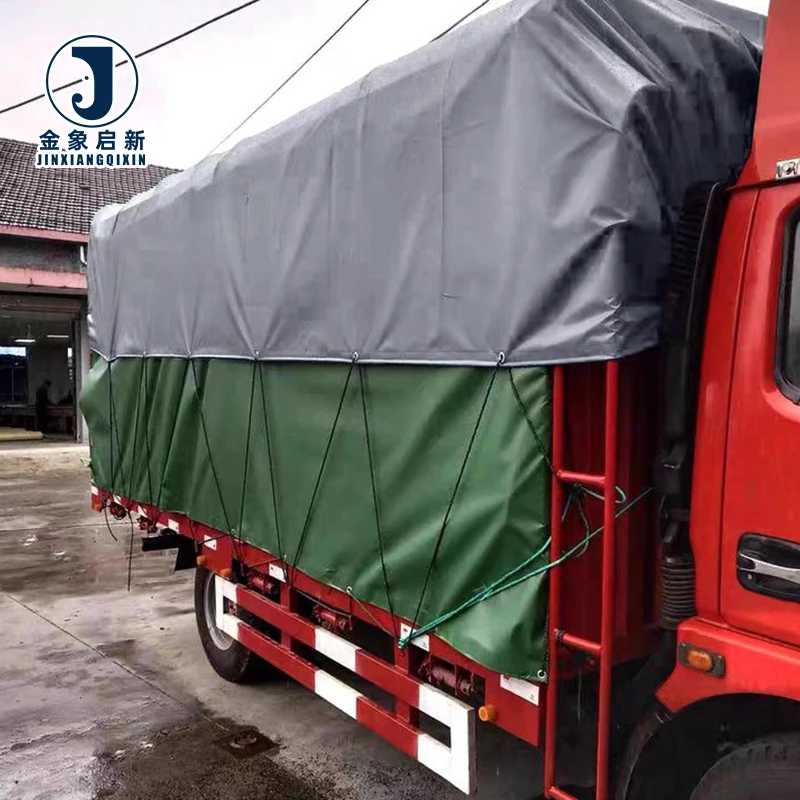
| Truck and trailer tarpaulins | Constant flexing at load points, road debris abrasion, prolonged UV and weather exposure, tie-down stress at hems |
| Heavy truck side curtains | Repeated rolling and unrolling, wind flap fatigue, colour match across adjacent panels on the same vehicle |
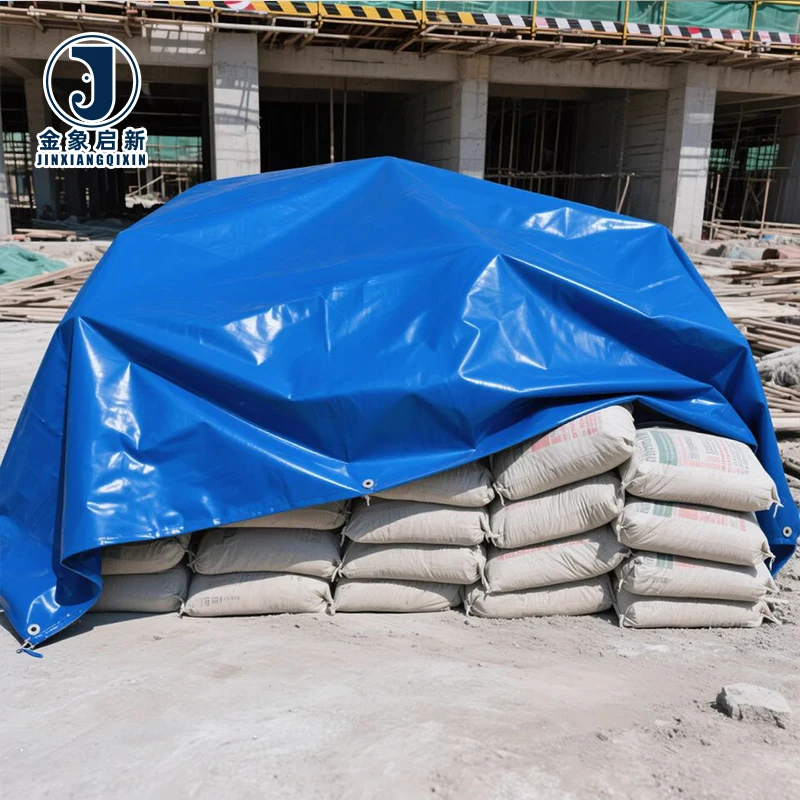
| Engineering protective cloth | Job-site dust and moisture, chemical splash, mechanical puncture from tools and materials |
| Industrial pipe canopy | Long-term outdoor weathering, wind load on tensioned spans, heat reflection requirements |
| Tensioned structural fabric | Sustained tensile load, thermal expansion and contraction, seam integrity under dynamic stress |
Why the Roll You Receive Must Match the Roll You Quoted
Verified GSM at dispatch is the only defence against paying for material that was never shipped.
Tarpaulin distributors and fabricators regularly face a frustrating reality: the PVC coated tarpaulin roll that arrives on the dock weighs lighter than the 600 GSM stated on the purchase order. The shortfall may only be discovered weeks later during fabrication, when the material feels thinner under the welding bar or tears more easily at the hem. Across a full container load, even a modest GSM deficit compounds into significant material value lost. Roll-to-roll weight consistency within the same shipment matters just as much — a fabricator cutting panels for a fleet order needs every roll to behave identically under the hot wedge welder. [NEED_CITE: GSM verification methods for coated technical textiles per ISO 3801]
Batch Consistency Across a Container Load
When a distributor receives a container of PVC coated tarpaulin rolls, the first concern after weight verification is colour uniformity. Panels cut from different rolls and installed side by side on the same trailer will reveal any shade variation immediately. This PVC coated tarpaulin range addresses that risk through controlled process management during coating and finishing. Each production batch follows a defined colour reference, and rolls within the same order are grouped from the same coating run to minimise drift. For wholesale buyers stocking multiple grades, this consistency reduces customer complaints and costly panel replacements in the field.
Coating Technology and Fabrication Performance
The lamination and hot melt coating technologies used in this PVC coated tarpaulin product line directly affect how the material performs during fabrication. Hot melt coating produces strong adhesion between the PVC layer and the polyester base fabric, which means the weld line is less likely to delaminate when the fabric flexes under load. Fabricators working with high-frequency or hot wedge welding equipment will find the coating responds predictably to heat input, producing consistent seam strength across long joins. Good adhesive strength between coating and substrate also means the material resists peeling at cut edges and eyelet reinforcements during years of field use. [NEED_CITE: hot melt versus knife-over-roll coating adhesion comparison for PVC tarpaulin fabrics]
Understanding GSM, Denier and Tensile Strength Together
GSM alone does not determine how strong a coated fabric will perform in service. The 400-1500 g/m² range covers light duty through heavy-duty grades, but the base fabric denier (500D-2000D) and weave density define how tensile and tear loads are distributed through the yarn structure. A 600 GSM fabric built on a 1000D base will resist tear propagation differently than a 600 GSM fabric on a 500D base, even though the quoted weight is identical. Lamination and hot melt coating add stiffness and surface durability but contribute less to structural tensile strength than the polyester scrim itself. Buyers specifying for truck side curtains or tensioned structures should request the tensile strength values (warp 1500-3000 N/5cm, weft 1200-2800 N/5cm) alongside GSM to match the material to the actual load case. Thicker coatings (up to 1.5 mm) improve abrasion resistance and waterproofness but increase roll weight and reduce drapability, affecting how easily fabricators handle the material on the cutting table.
The Hidden Cost of Specifying on Price Per Kilogram Alone
Choosing PVC coated tarpaulin based solely on price per kilogram invites problems that surface after the material reaches the fabrication shop or the end user. Rolls that arrive below the quoted GSM may pass visual inspection but fail prematurely at flex points where truck loads shift during transit. Colour mismatch between rolls in the same order forces fabricators to sort and re-cut, wasting material and delaying fleet delivery schedules. When flame retardant or anti-static treatments are specified without a confirmed test grade, the finished product may fail site inspection at a mining or construction project, leaving the distributor liable for replacement. These consequences compound: one underweight container can damage a distributor’s reputation across an entire regional customer base. [NEED_CITE: coating weight tolerance standards for PVC tarpaulin per ISO 2286]
Why Fabricators and Distributors Source Here
Three full production lines and 36 sets of professional equipment mean roll stock orders can be scheduled without competing against small custom jobs for machine time. A dedicated 10-person R&D team handles custom width, colour matching and treatment formulation, supporting fabricators who need non-standard roll dimensions to optimise their cutting yield. Every production stage includes QA checks, with 100% pre-shipment inspection before any container is sealed — roll-by-roll GSM and colour are verified against the order specification. Nearly 30 years of focused coated fabric production has refined process controls over coating weight and adhesion, directly addressing the consistency issues that cause downstream fabrication failures. Sample development within days allows buyers to confirm colour, hand feel and weldability before committing to a full container order.
Documentation & Verification
- Material specification sheet stating base fabric denier, coating weight and GSM for each roll grade ordered
- Pre-shipment inspection record with roll-by-roll weight verification against the quoted GSM
- Roll packing list detailing exact roll count, individual dimensions and net weight for container loading
- Test reports for flame retardant or anti-static grades where those treatments are specified on the order
- Certificate of origin and customs documentation prepared to match the destination market requirements
- Colour reference record confirming all rolls in one order were produced within the same coating batch
Fabrication, Handling & Storage
- Hot wedge welding temperature should be calibrated to the PVC coating thickness — the 0.35-1.5 mm range requires different heat settings across grades
- Store rolls upright on end cores to prevent flat spots and permanent creasing in the coating layer
- Allow cold-shipment rolls to reach ambient temperature before unrolling to avoid cracking the PVC surface
- Reinforce eyelet positions with additional PVC patches, as the polyester base carries the tie-down point load
- Cut panels with a slight margin on heavier GSM grades to account for edge trim loss during welding
- Use PVC-compatible cleaners only — solvent-based products may soften the hot melt coating bond
What to Include in Your Inquiry
Provide the intended application and exposure conditions so the correct GSM grade and treatment package can be recommended. Specify the roll width and length that suits your cutting table or fabrication line to minimise offcut waste. Confirm any fire safety or anti-static compliance your end market requires, along with the relevant test standard, so the matching treatment grade is applied from the start.
Frequently Asked Questions
Q: What is the minimum order for custom width or colour?
A: Custom widths and colours are produced on full production lines, so minimums are tied to a single coating run rather than a fixed roll count. Standard stock grades in common widths may be available in smaller quantities. Contact the sales team with your required dimensions and colour reference to receive a specific minimum and lead time for your order.
Q: Can you guarantee GSM matches the quotation on every roll?
A: Each roll undergoes GSM verification during the pre-shipment inspection, and the results are recorded on the inspection report that ships with your order. This roll-by-roll check ensures the material you receive matches the coating weight stated on your quotation before the container is sealed.
Q: Do you supply test reports for flame retardant and anti-static grades?
A: Where flame retardant or anti-static treatments are specified on your purchase order, the corresponding test reports are included in the shipping documentation. Confirm the exact grade or standard your project requires at the inquiry stage so the correct treatment and supporting documentation are prepared.
Q: How do you ensure colour consistency across multiple rolls in one order?
A: Rolls within a single order are grouped from the same production batch, meaning they pass through the coating line under the same colour formulation and process conditions. A colour reference record is maintained and provided with the shipment documentation for your receiving inspection.
Q: What documentation ships with the order for customs and receiving inspection?
A: Each shipment includes a material specification sheet, pre-shipment inspection record, roll packing list, certificate of origin, and any applicable test reports for treatments specified. This documentation package supports both customs clearance at the destination port and your own incoming quality check.