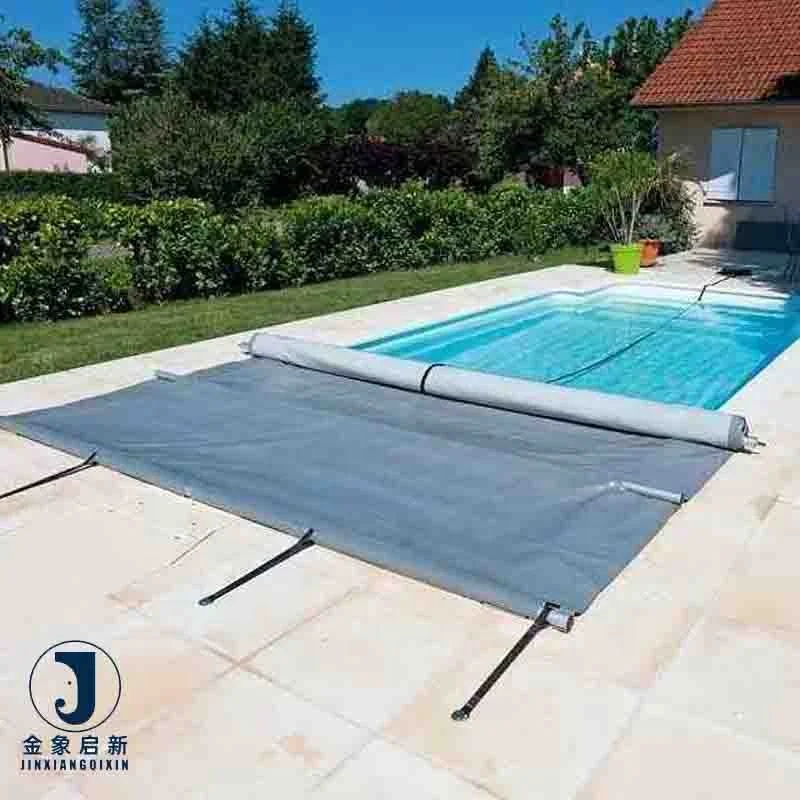
Description
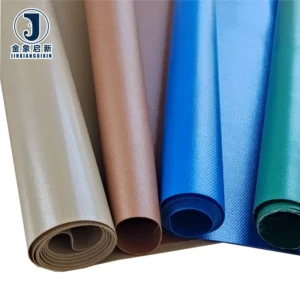
Process-Controlled Consistency — Every roll of PVC coated tarpaulin undergoes 100% pre-shipment inspection against the stated specification, ensuring the GSM, colour and coating adhesion you order are what arrives at your warehouse.
Technical Specifications
| Parameter | Value |
|---|---|
| Product Type | PVC Coated Tarpaulin |
| Coating Material | PVC |
| Weight (GSM) | Medium Weight (source value — verify against manufacturer catalog) |
| UV Treatment | Anti-UV (test basis not stated in source) |
| Waterproof Rating | Waterproof (grade not stated in source) |
| Finish | Not stated in source |
| Color | Not stated in source |
| Eyelet & Hem Options | Not stated in source |
| Key Features | Waterproof construction, Anti-UV treatment available, PVC coated fabric |
Application Suitability
| Application | Exposure & Requirement |
|---|---|
| Outdoor awning fabrication | Prolonged sun exposure, rain ingress, wind flutter fatigue, colour retention under UV |
| Shade sail production | Tensioned membrane loading, UV degradation resistance, seam stress at corner patches |
| Canopy manufacturing | Weather shielding, pooling water load, repeated assembly and teardown abrasion |
| Pet dog house cover | Ground moisture contact, scratching and claw abrasion, seasonal storage folding |
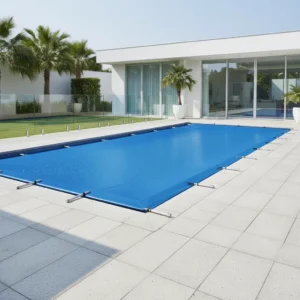
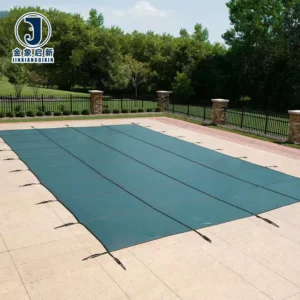
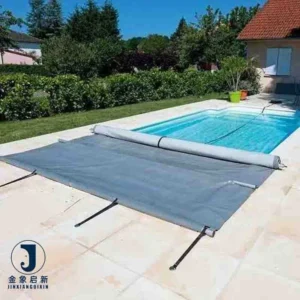
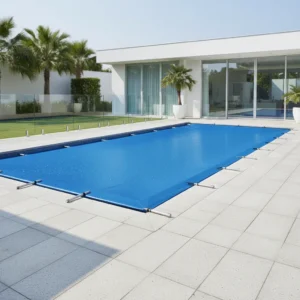
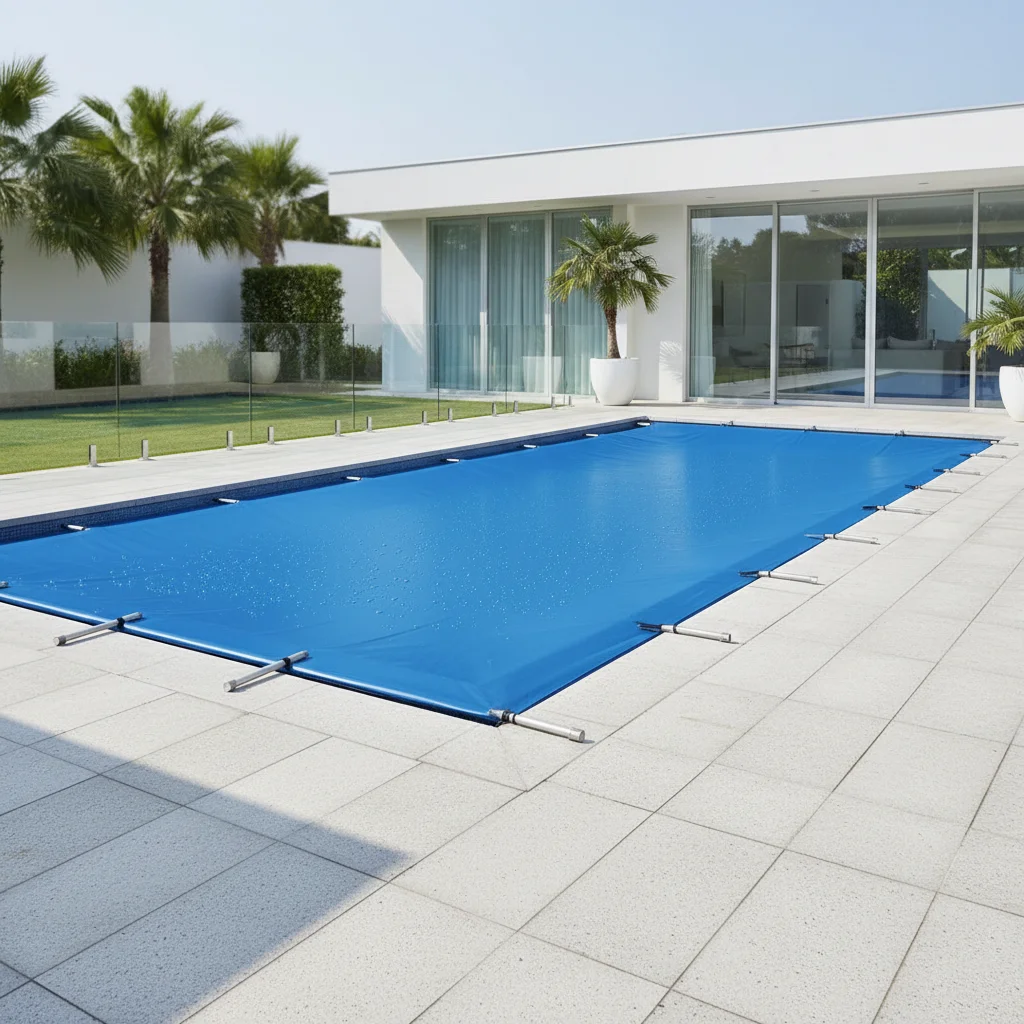
| Pool cover cutting stock | Water containment, chemical splash from pool treatment, solar heat reflection |
Why Roll-to-Roll Weight Variance Matters More Than the Quoted GSM
Coated fabric consistency across every roll in a shipment determines whether your cut-and-sew line runs smoothly or stalls for material re-inspection.
When a tarpaulin distributor receives a container of PVC coated tarpaulin rolls, the first check is usually the scale. Too often the GSM stated on the quotation does not match the weight measured on the dock. A shortfall in coating weight means thinner protection at the surface, reduced tear propagation resistance and a product that under-performs against the end-user’s expectation [NEED_CITE: tensile and tear test methods for coated fabrics per ISO 1421]. For awning and shade sail fabricators running high-volume cut-and-sew operations, even a small deviation across rolls forces pattern re-nesting and material waste that erodes margin.
How PVC Coated Tarpaulin Roll Stock Supports Fabrication Workflows
Fabricators cutting shade sails and awnings from roll stock need predictable material behaviour from the first metre to the last. PVC coated tarpaulin supplied in controlled roll lengths allows nesting software to calculate yield accurately, reducing offcut waste and keeping per-panel cost stable across a production run. The coating adhesion must remain uniform so that heat-welded seams hold at the same strength regardless of which section of the roll the panel came from.
Colour Matching Across Multi-Roll Shipments
When a canopy installer fits panels from two different rolls side by side, any colour drift becomes immediately visible to the end client. Batch-to-batch colour verification during production ensures that a single order ships with rolls pulled from matched dye lots. This control matters especially for awning fabricators supplying residential and hospitality projects where the client has approved a specific colour reference [NEED_CITE: colour fastness evaluation methods for coated textiles].
Reading the Specification Sheet Beyond the GSM Number
The weight in GSM tells you how much material is present per square metre, but it does not describe how that weight is distributed between base fabric and coating. A heavier base fabric with a lighter coating will behave differently under tension than a lighter base with a thicker coating layer, even if both read the same GSM on the scale. For shade sail applications where the fabric is tensioned across anchor points, the base fabric denier and weave density govern how well the material resists bias stretch and tear propagation. The PVC coating weight and adhesion method determine weldability and surface durability. Anti-UV treatment is available in grades suited to extended outdoor exposure — confirm the grade required for your market and request supporting test documentation before placing bulk orders.
The Hidden Cost of Specifying on Price Per Kilogram Alone
Choosing PVC coated tarpaulin solely on the lowest price per kilogram invites downstream failures. Rolls that arrive under-weight produce covers that tear at stress points within the first season. Coating that was applied too thin delaminates at fold lines during winter storage. Colour inconsistency across a single shipment forces the fabricator to sort and reject rolls on the shop floor, consuming labour hours that were never budgeted [NEED_CITE: common causes of PVC coating delamination in field use]. These costs compound silently and surface only when the end customer files a warranty claim.
What Bulk Roll Buyers Can Expect from This Supply Chain
Three full production lines allow simultaneous running of multiple roll widths, keeping lead times manageable even during peak ordering seasons. A 10-person R&D team handles custom width requests, colour matching and sample development within days rather than weeks. Every roll passes dedicated QA/QC checkpoints at each production stage, with a final 100% inspection confirming weight and visual quality before packing. Roll packing lists detail net weight and roll count so you can plan container loading by weight distribution and cubic volume. ISO and CE documentation ships with every dispatch, supporting customs clearance and quality audit trails in your destination market.
Documentation & Verification
- Material specification sheet listing GSM, base fabric type and PVC coating weight for each roll batch
- Pre-shipment inspection record confirming every roll was weighed and visually checked before packing
- Roll packing list with individual roll net weight and total count for container load planning
- UV treatment test documentation available upon request for the ordered grade
- ISO and CE certificates included in the shipping document set for customs and compliance
- Certificate of origin provided to support preferential tariff claims where applicable
Fabrication, Handling & Storage
- Heat-weld seam temperature and dwell time should be tuned to the PVC coating thickness of this medium weight grade
- Store rolls horizontally on racking to prevent flat spots and permanent creasing across the coating surface
- Allow cold-transported rolls to acclimatise to workshop temperature before unrolling to avoid coating crack at low flex
- Clean the PVC surface with mild detergent only; solvent-based cleaners may degrade the coating bond layer
- Plan cut layouts to maximise panel yield from each roll length, reducing offcut waste on shade sail patterns
- Reinforce tie-down and grommet zones with additional PVC patches to distribute load beyond the eyelet ring
What to Include in Your Enquiry
Specify the end-use application and the environmental exposure conditions your customers expect, including UV intensity and wind loading for awning and shade sail projects. State the roll widths and roll lengths that match your cutting table and nesting equipment. Indicate your annual volume estimate so we can plan production slots and maintain batch colour continuity across repeat orders. Confirm whether you need raw roll stock only or if finished cut-to-size panels with hemming are required.
Frequently Asked Questions
Q: How is GSM verified on arrival and what documentation supports the quoted weight?
A: Every roll is weighed during the 100% pre-shipment inspection, and the results are recorded on a pre-shipment inspection report that ships with the container. This document lists actual measured weight per roll against the quoted GSM, giving you a verifiable record before the material enters your production line.
Q: How is batch colour consistency controlled across multiple rolls in the same order?
A: Rolls within a single order are produced from matched raw material batches and inspected side by side during the QA/QC process. Any roll showing visible deviation from the approved colour reference is rejected before packing, ensuring uniformity across your entire shipment.
Q: What custom widths and roll lengths are available, and what are the minimums?
A: Custom widths and roll lengths are available to suit your cutting equipment and nesting patterns. The R&D team develops samples within days for approval before bulk production begins. Minimum order quantities vary by specification, so share your required dimensions for a confirmed quotation.
Q: How is the tarpaulin packed for container shipping to prevent roll damage?
A: Rolls are packed with protective wrapping and loaded according to a roll packing list that specifies count, net weight and placement. Horizontal stacking with weight distribution planning prevents crushing and edge damage during ocean transit to your destination port.
Q: What UV treatment test basis is available for outdoor awning and shade sail use?
A: Anti-UV treatment is available in grades appropriate for extended outdoor exposure. Test documentation supporting the UV resistance claim can be provided upon request — specify the standard or performance level your market requires so we match the correct treatment grade to your order.