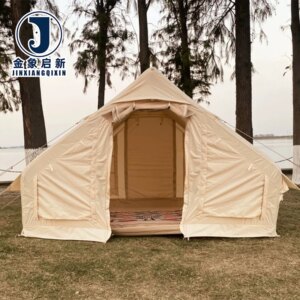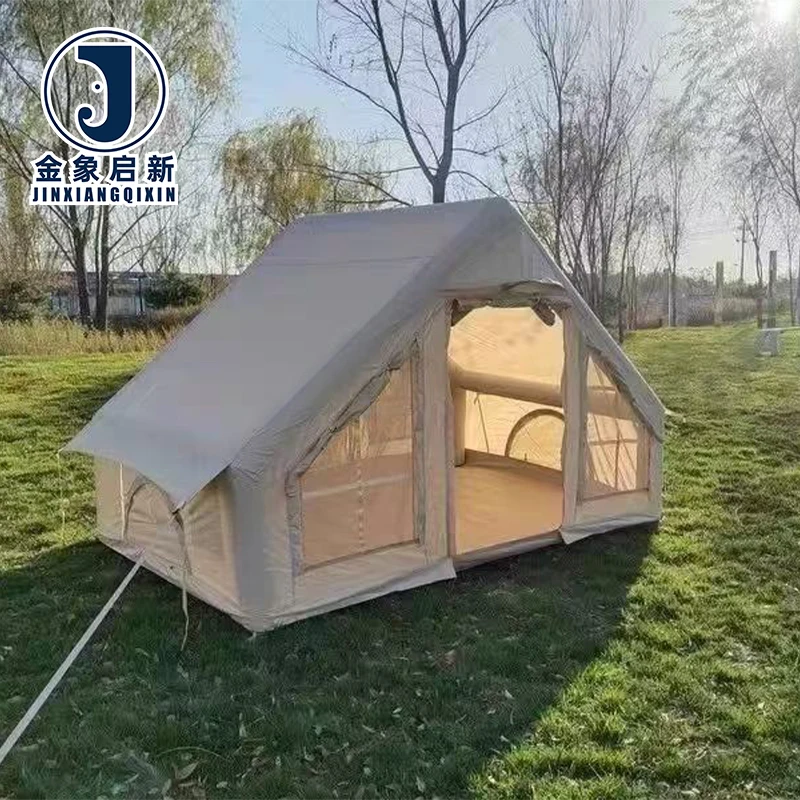
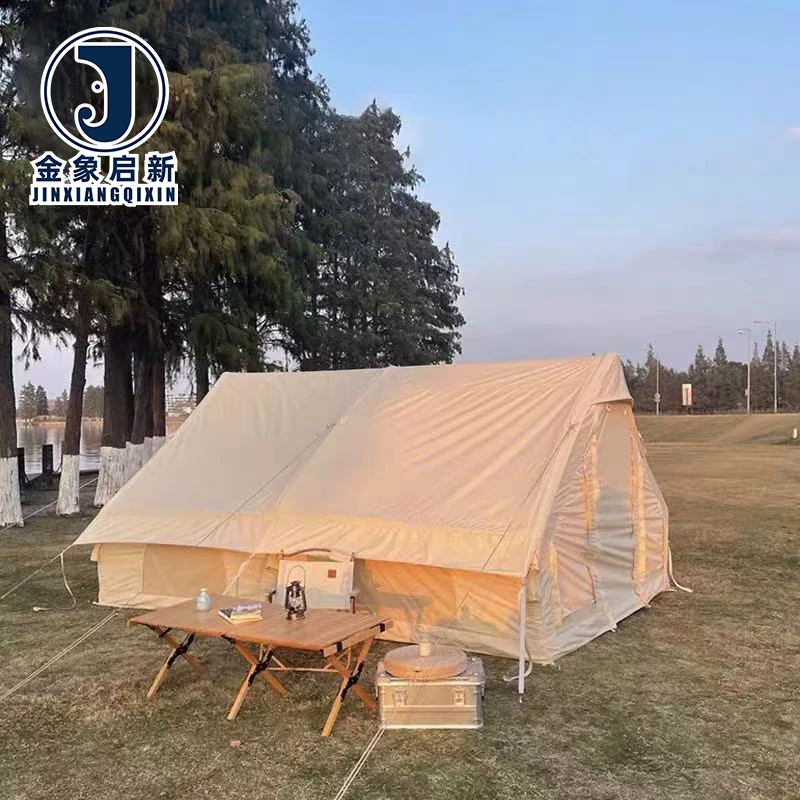
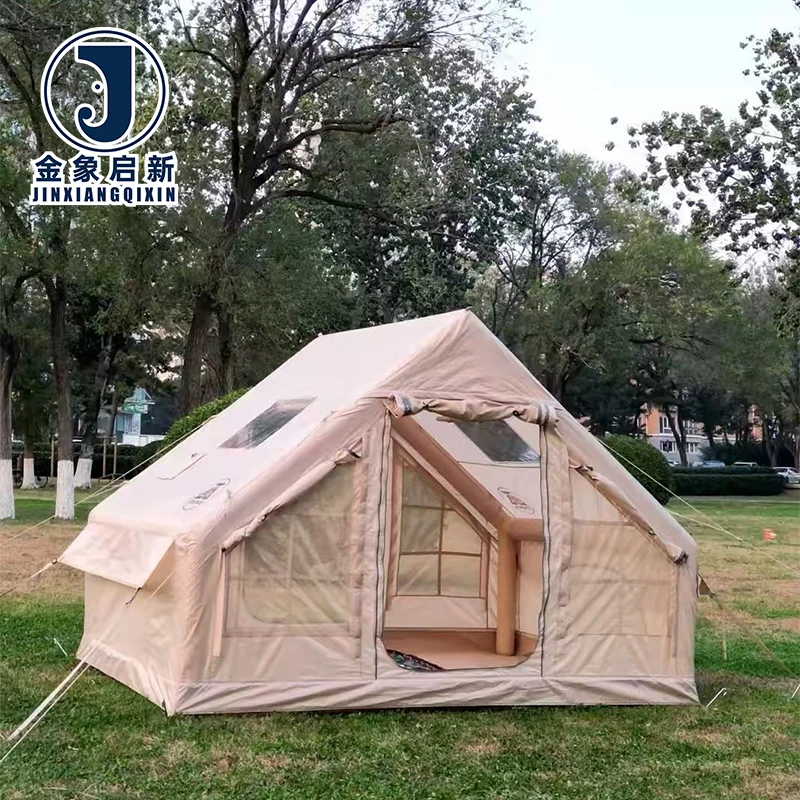
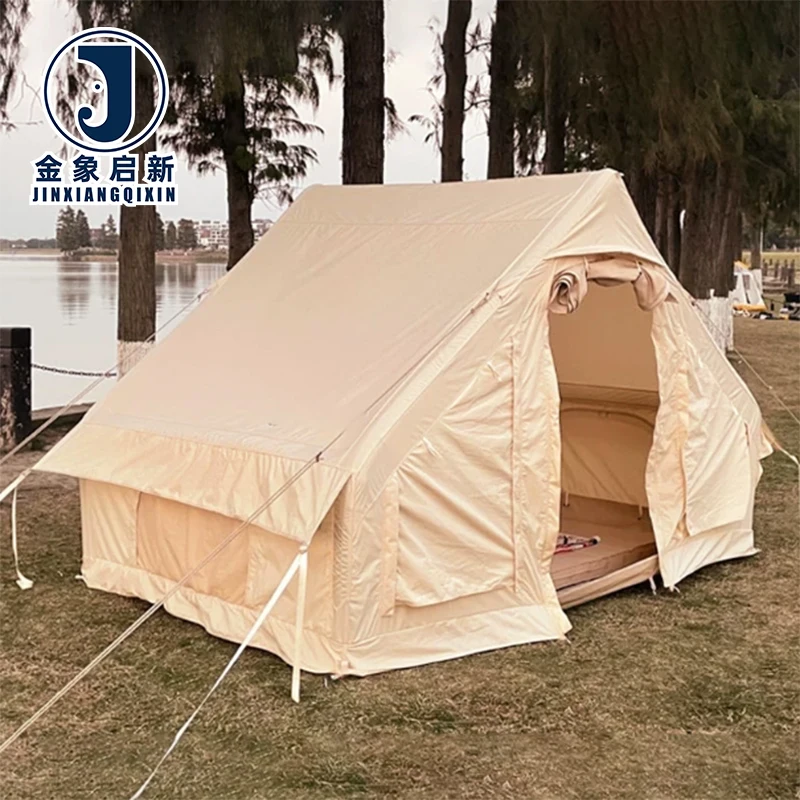
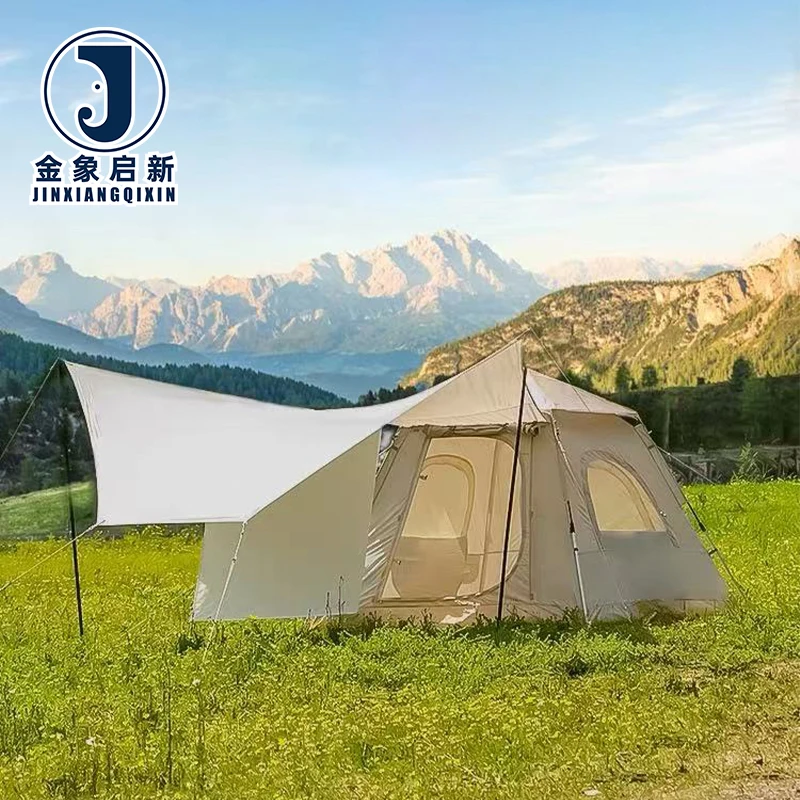
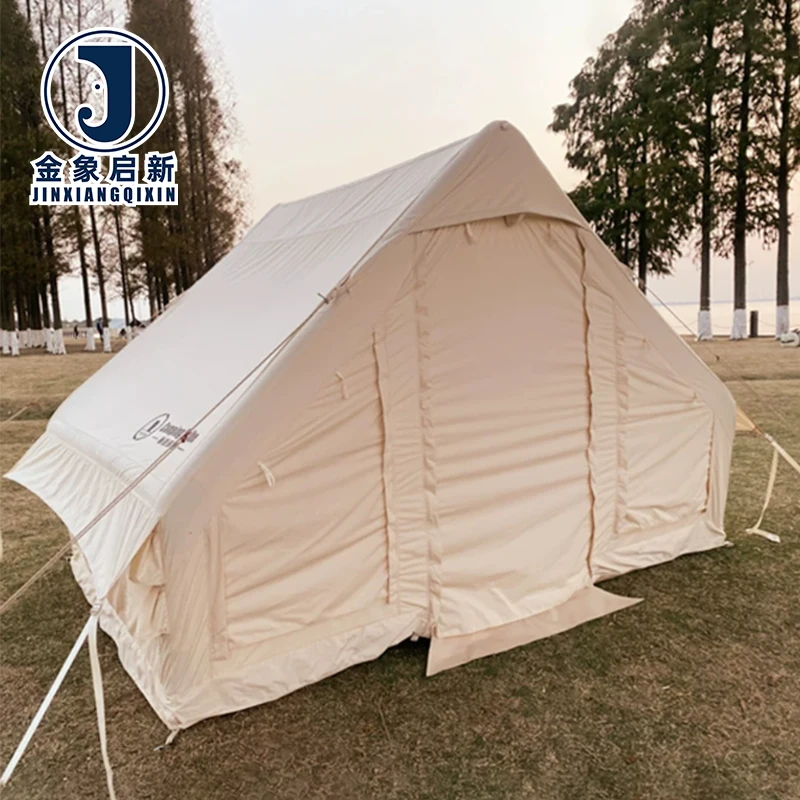
Description
Batch-consistent roll stock — PVC inflatable tent fabric produced on three dedicated lines with in-process coating weight checks to hold GSM within tolerance from first roll to last.
Technical Specifications
| Parameter | Value |
|---|---|
| Product Type | Inflatable Tent |
| Core Material | PVC Tarpaulin |
| Waterproof | Yes (grade not stated in source) |
| UV Resistance | Available in UV-treated grades — confirm the grade required for your market |
| Tear Resistance | Tear-resistant construction (test basis not stated in source) |
| Fire Retardancy | Available in flame retardant grades — confirm the grade required for your market |
| Anti-Static | Available in anti-static grades — confirm the standard required for your site |
| Key Features | Quick automatic opening, all-season rating, extended configuration |
| Customization | OEM & ODM, size adjustments, pattern printing, material thickness variations |
| Standards | ISO 9001, ISO 14001, ISO 45001, CE |
Application Suitability
| Application | Exposure & Requirement |
|---|---|
| Disaster relief emergency shelters | Rapid deployment, all-season weather exposure, repeated inflation and deflation cycles |
| Construction site temporary accommodation | Wind loading, UV exposure, abrasion from site equipment and foot traffic |
| Temporary storage facilities | Moisture ingress prevention, dust exclusion, fire safety compliance on active sites |
| Emergency response command centers | Quick single-operator setup, reliable structural integrity in variable conditions |
| Industrial outdoor operational shelters | Anti-static requirements in sensitive zones, sustained weather resistance |
Why "Flame Retardant" Means Nothing Without a Verified Grade for Inflatable Tent Fabric
A certificate number on a quotation is worthless if the test method does not match the fire code at your destination.
Purchasing managers sourcing PVC inflatable tent aftermarket supplier stock often receive a blanket "flame retardant" claim with no reference to DIN 4102, NFPA 701, or the local building code the structure must satisfy. The material passes one standard and fails the inspection that actually matters, leaving a disaster relief agency or construction contractor with a shelter that cannot legally be occupied. [NEED_CITE: fire classification standards for temporary membrane structures]
Batch-to-batch variation compounds the problem when a second order tests differently from the approved sample, and the PVC inflatable tent fabric arrives without documentation linking each roll to its specific test result.
Roll-to-Roll Consistency Across Large Inflatable Tent Orders
When a distributor receives fifty rolls of PVC inflatable tent fabric for redistribution to emergency preparedness programs, colour drift between rolls becomes immediately visible once shelters are deployed side by side at a single site. Consistent coating weight and pigment loading across the entire batch eliminates this rejection risk and protects the distributor’s reputation with institutional buyers who specify exact colour references for identification and branding purposes.
Procurement Volume and Container Loading Efficiency
Wholesale buyers evaluating PVC inflatable tent aftermarket supplier options need clarity on how many linear metres fit a container and whether mixed widths can share a single shipment. Stocking multiple grades within one container — heavy-duty fabric for disaster relief shelters alongside lighter stock for temporary event structures — reduces per-roll freight cost and gives distributors flexibility in fulfilling varied customer orders from a single landed inventory.
How Coating Method and Base Fabric Density Shape End Performance
The relationship between GSM and actual tensile strength depends on the base fabric denier and weave density, not the coating weight alone. A PVC tarpaulin with a high coating-to-yarn ratio may measure heavy on a scale yet tear more easily than a lighter fabric woven from high-tenacity yarns with tighter thread count. The coating method — whether knife-over-roll, lamination, or calendering — directly affects peel strength at welded seams, which is where inflatable structures concentrate stress during inflation cycles. Surface finish selection between glossy and matte affects dirt pickup and print adhesion for pattern-printed branding. Buyers specifying PVC inflatable tent fabric should request the base fabric specification alongside the total GSM to understand what proportion of the weight is structural yarn versus surface coating. [NEED_CITE: tensile and tear test methods for coated fabrics per ISO 1421]
The Hidden Cost of Underspecifying Inflatable Tent Material
A roll that arrives lighter than the quoted GSM means the inflatable tent manufacturer must either accept reduced structural performance or reject the shipment and delay production. When anti-static or fire-retardant treatment is claimed without a verifiable test report, the finished shelter fails site inspection and the entire installation is shut down until compliant material is sourced and fabricated. Welded seams on underweight fabric fail prematurely at flex points where the inflatable structure bends during inflation, and the repair cost in the field far exceeds the saving from accepting cheaper stock. [NEED_CITE: weld seam failure modes in inflatable membrane structures]
What Consistent Process Control Delivers for Roll Buyers
Three full production lines running simultaneously means large-volume PVC inflatable tent orders ship without splitting across multiple lead-time windows. In-process quality checks at every coating stage catch GSM drift before a full roll is wound, not after it reaches the buyer’s warehouse. A ten-person R&D team handles custom width requests and pattern printing specifications, developing samples for buyer approval before the production run begins. Pre-shipment inspection covers every roll against the purchase order specification, with photographic records provided before the container is sealed. Documentation travels with the shipment, including material specification sheets and certificates of origin for customs clearance at destination.
Documentation & Verification
- Material specification sheet stating base fabric denier, coating weight, and colour reference per roll
- Test reports for UV and flame retardant grades linked to specific batch numbers
- Pre-shipment inspection record with photographic evidence of roll condition before packing
- ISO 9001, ISO 14001, ISO 45001, and CE certificates with valid issuing body references
- Certificate of origin and customs documentation matching container packing list
Fabrication, Handling & Storage
- Heat-weld parameters must match PVC tarpaulin coating thickness to prevent seam failure at inflation stress points
- Store rolls upright on pallets to avoid flat-spot deformation that affects unrolling on the fabrication table
- Allow cold-transported rolls to acclimatize before unrolling to prevent coating micro-cracking
- Clean printed surfaces with pH-neutral detergent only to preserve pattern adhesion on branded inflatable tent fabric
- Plan cutting layout around roll width to minimize offcuts and welded seam count in finished structures
Requesting a Quotation That Matches Your Actual Requirement
Provide the target market and the fire safety or anti-static standard the finished inflatable shelter must meet at the installation site. Specify the roll width, approximate annual volume, and whether pattern printing or custom colour matching is needed for your product line. Confirm whether you require finished cut sizes or full roll stock for your own fabrication facility, and indicate if sample approval is needed before committing to production volume.
Frequently Asked Questions
Q: How is GSM verified on each roll and what does the pre-shipment inspection cover?
A: Every roll is weighed and measured against the specification sheet before packing. The inspection record includes coating weight per square metre, colour consistency under standard illuminant, and visual checks for coating defects. Photographic documentation is shared with the buyer before the container is sealed and dispatched.
Q: What fire-retardant grade is available and does it meet target market compliance?
A: Flame retardant grades are available, but the specific grade must be confirmed against your destination market’s fire code before production begins. Request the test report referencing the applicable standard so your compliance team can verify suitability before the order is placed.
Q: How is batch-to-batch colour consistency controlled across large roll orders?
A: Pigment formulation is locked after sample approval, and in-process checks compare each production run against the approved reference under controlled lighting. Rolls from the same purchase order are produced consecutively to minimize batch variation across the full quantity shipped.
Q: What custom sizing and minimum order quantities apply for inflatable tent fabric?
A: Custom widths and pattern printing are handled by the R&D team with samples developed for buyer approval before mass production. Minimum quantities depend on the specific width, colour, and treatment combination requested — provide your specification to receive the applicable threshold and lead time.
Q: How are welded seams tested to ensure they hold under inflation stress?
A: Peel strength at the weld line is tested per the applicable coated fabric standard to confirm the seam does not fail before the base material. Weld parameters are calibrated to the specific PVC tarpaulin coating weight and thickness used in the order.