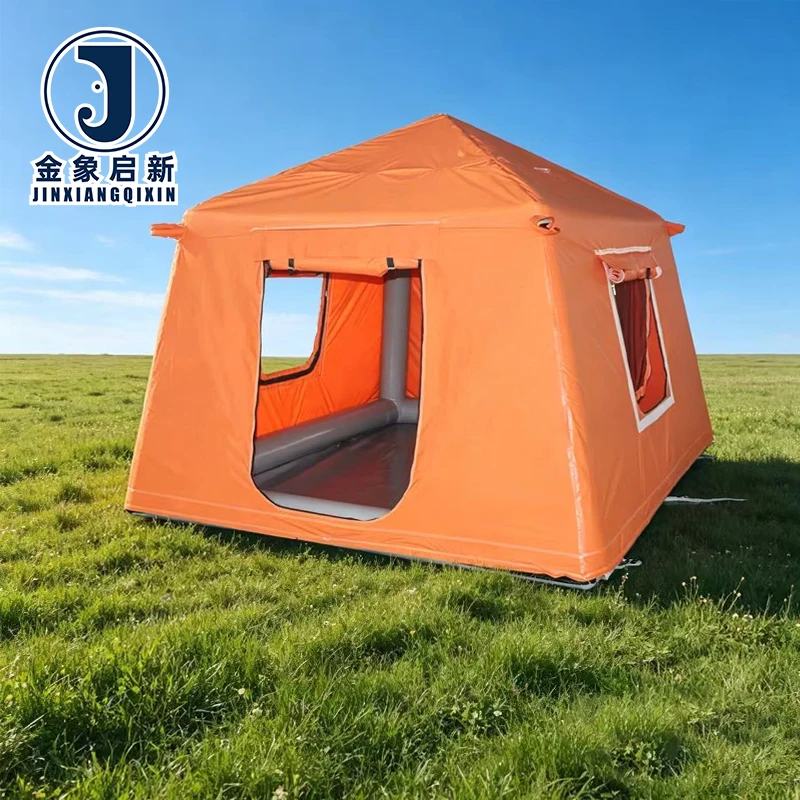
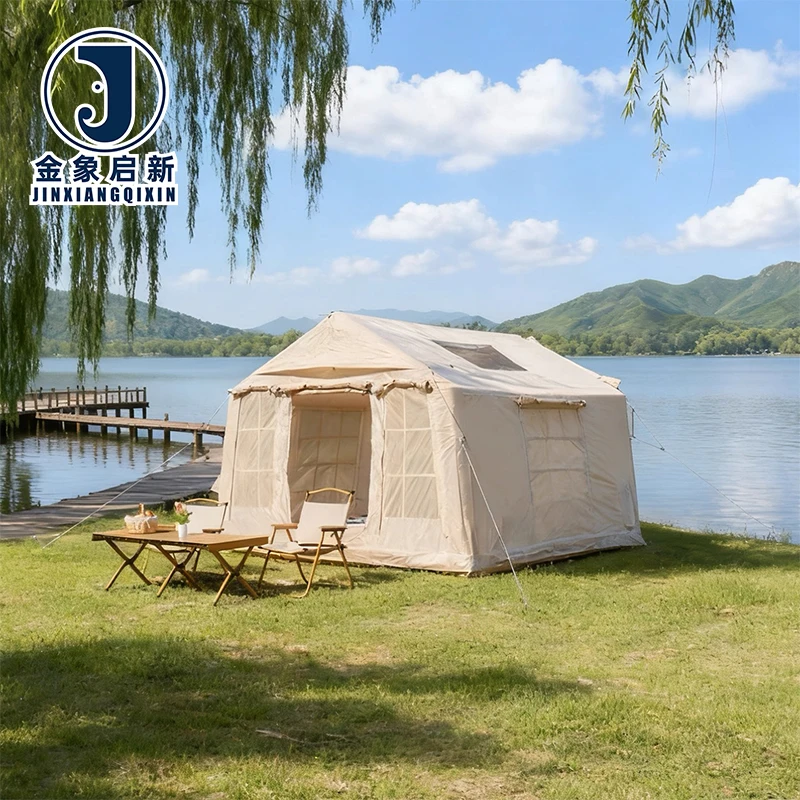
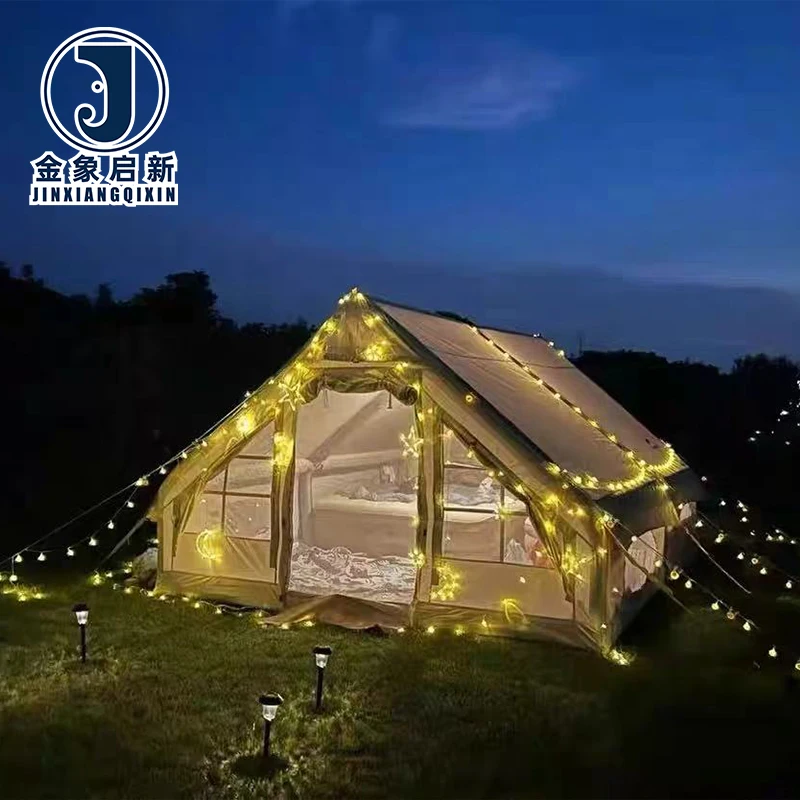
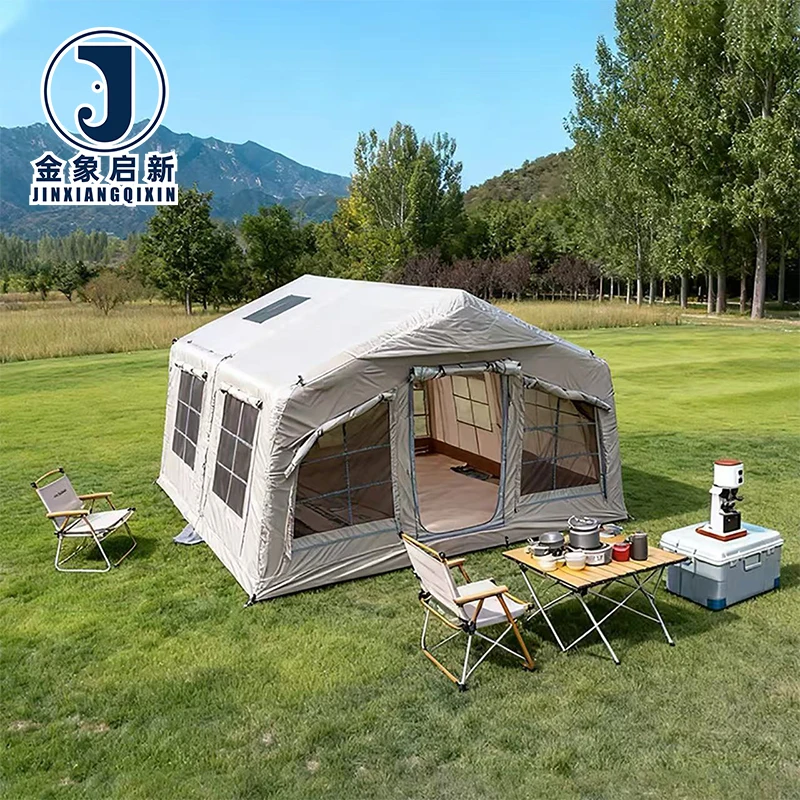
Description
Batch Consistency You Can Measure — full-process QA with dedicated staff verifying coating weight and colour uniformity on every roll before dispatch, applied to PVC inflatable tent fabric produced across 3 dedicated lines.
Technical Specifications
| Parameter | Value |
|---|---|
| Product Type | Inflatable Tent Fabric |
| Core Material | PVC Tarpaulin (PVC knife-coated fabric) |
| Waterproof Rating | Tested per ASTM D751 |
| Tear Strength | Tested per ISO 13937-2 |
| UV Resistance | Tested per ISO 4892-2 |
| Construction | Single Layer |
| Opening Mechanism | Quick Automatic Opening |
| Capacity | 4-6 Person |
| Customization | OEM & ODM (material selection, product design, size adjustments, colour matching, logo printing) |
| Quality Control | Full-process inspection with dedicated QA & QC staff |
| Certifications | ISO9001, ISO14001, ISO45001, CE |
Application Suitability
| Application | Exposure & Requirement |
|---|---|
| Tent and inflatable manufacturers | Roll-to-roll batch consistency, reliable coating adhesion for heat-welded seams, colour matching across production runs |
| Event rental companies | Repeated inflation cycles, outdoor UV exposure, frequent packing and transport abrasion |
| Commercial outdoor operators | Rapid-deploy shelter fabric, waterproof performance under sustained rain, wind load on inflated structures |
| Construction site temporary offices | Multi-week continuous deployment, sun and weather exposure, dust and debris contact |
Why Roll-to-Roll Colour Variation Wrecks Inflatable Tent Production Runs
Uniform colour across every roll in your order is a process control outcome, not a promise.
When a tent manufacturer cuts panels from two different rolls and the shade shifts visibly under daylight, the entire unit looks mismatched once inflated on site. This is not a cosmetic complaint from an end user — it is a rejection from a rental fleet operator or event brand who paid for consistency. The root cause usually traces back to coating batches mixed at different times or pigment lots that were never cross-referenced before production [NEED_CITE: colour consistency standards in coated fabric manufacturing per ISO 4892 series]. For PVC inflatable tent wholesale buyers ordering container loads, a single off-shade roll can force a production halt and delay shipments to downstream clients.
How Batch Traceability Protects Your Production Schedule
Every roll of PVC inflatable tent fabric we ship carries a batch reference tied to the coating run, pigment lot, and base fabric source. When your order spans multiple rolls, our QA team pulls samples from the start, middle, and end of each production run and compares them under controlled lighting before release. This means the material you feed into your cutting table behaves identically from the first panel to the last, whether you are producing a single custom inflatable or a fleet of rental units for the summer season.
Coating Weight and Adhesion Under Inflation Stress
The knife-coating process deposits PVC onto the base fabric with controlled thickness, and the adhesion between coating and yarn determines how well the material survives repeated inflation and deflation cycles. A tent that flexes at the seam every time it is set up or packed away puts peeling force on the coating interface. We verify coating adhesion at multiple points across each roll, because a weak spot in the bond will surface as delamination at the weld line after only a few deployment cycles [NEED_CITE: peel adhesion test methods for coated fabrics per ISO 2411].
Reading the Specs Beyond the GSM Number
GSM tells you the total mass per square metre, but two fabrics at the same weight can perform very differently depending on the base fabric denier, weave density, and coating ratio. A heavier coating layer with a lighter base yarn may resist abrasion well but tear more easily along the weave. For inflatable tent applications, the balance matters because the material must hold airtight welds while resisting puncture from ground contact and transport handling. The knife-coated construction specified here allows the PVC to penetrate the yarn structure, creating a mechanical bond that supports heat welding without the coating lifting under seam tension.
The Hidden Cost of Skipping Pre-Shipment Roll Inspection
A container of inflatable tent fabric that arrives with inconsistent roll diameters, crushed edges, or surface marking from transit compression creates waste before the first cut is made. Roll stock that was not inspected against the order specification can arrive with widths that do not match the cutting pattern, forcing the manufacturer to reorder and absorb weeks of delay. For event rental operators working against seasonal deadlines, this kind of supply failure cascades into missed bookings and client penalties [NEED_CITE: coated fabric roll handling and transit damage prevention standards].
Why Inflatable Tent Manufacturers Source From This Facility
Three full production lines and 36 sets of professional equipment mean your bulk order runs on dedicated capacity rather than being slotted between unrelated products. The 10-person R&D team handles colour matching, custom width slitting, and sample development in-house, so a Pantone match or a non-standard roll width does not require a third-party intermediary. Full-process inspection by dedicated QA and QC staff at every production stage — from base fabric intake through coating, curing, and winding — ensures that the roll you receive matches the specification sheet you approved. OEM and ODM capability covers material selection, size adjustments, and logo printing, giving inflatable tent brands a single source for fabric that arrives ready for production.
Documentation & Verification
- Material specification sheet stating coating method, colour reference, and tested performance parameters per roll
- Batch inspection report with waterproof rating per ASTM D751, tear strength per ISO 13937-2, and UV resistance per ISO 4892-2
- Pre-shipment inspection record confirming 100% visual and dimensional check before dispatch
- Roll packing list with container loading plan detailing roll count, weight, and stowage position
- Certificate of origin and customs documentation prepared for the destination market
Fabrication, Handling & Storage
- Heat-weld PVC inflatable tent fabric at temperatures matched to the knife-coated layer to avoid scorching or incomplete bonding
- Store rolls upright on pallets in a dry, shaded area to prevent edge crushing and surface marking on the coated face
- Use sharp rotary blades when cutting to avoid fraying the base yarn at panel edges before welding
- Avoid folding the coated fabric at sharp angles during packing to prevent permanent crease marks on the surface
- Clean finished inflatable panels with mild, non-solvent detergents to protect the PVC coating from chemical degradation
What to Include in Your Inflatable Tent Fabric Enquiry
Provide the target roll width, annual volume estimate, and the Pantone or RAL colour reference you need matched across your production batches. If your end market requires specific UV resistance or fire classification, state the test standard your customers expect so we can align the formulation and documentation before sampling. Let us know whether you need raw roll stock for your own cutting and welding line, or if you require OEM-finished panels with logo printing and custom sizing.
Frequently Asked Questions
Q: How do you ensure colour consistency across multiple rolls in a single order?
A: Our QA team samples the start, middle, and end of each coating run and compares all rolls under controlled lighting before release. Pigment lots are cross-referenced to the batch record so every roll in your container traces back to the same mix. This process ensures that panels cut from different rolls show no visible shade difference once the inflatable is assembled and deployed on site.
Q: What is the minimum order quantity for custom width and colour on inflatable tent fabric?
A: Custom widths and colour matches are produced as dedicated coating runs, so the minimum depends on the roll width and the pigment formulation required. We provide the exact MOQ alongside your quotation once the colour reference and width are confirmed. Sample rolls are developed within days so you can validate the shade and coating hand feel before committing to the full production batch.
Q: How is roll stock packed and loaded into containers to prevent transit damage?
A: Each roll is wound on a reinforced core, wrapped in protective film, and packed upright or horizontally according to a loading plan that accounts for roll diameter and weight distribution. The roll packing list details the stowage position of every roll inside the container so you can verify the shipment against your order on arrival and identify any transit-related issues immediately.
Q: Can you match a specific Pantone or RAL colour for branded inflatable tent production?
A: Yes. Provide the Pantone or RAL reference and our R&D team will develop a coating sample for your approval before production begins. The approved colour standard is then locked into the batch record, and every subsequent roll in that order is verified against it during pre-shipment inspection to maintain consistency across your entire inflatable tent production run.
Q: What documentation accompanies each bulk shipment for customs and quality traceability?
A: Every shipment includes a material specification sheet, batch inspection report with test results, pre-shipment inspection record, roll packing list with container loading plan, certificate of origin, and ISO and CE certificates. This documentation package supports customs clearance at the destination port and gives your quality team full traceability from the coating batch through to the individual roll in your warehouse.