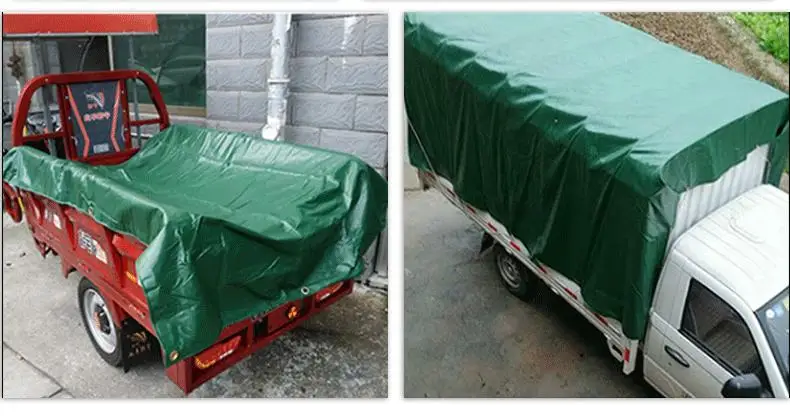
Description
Batch-Verified GSM Consistency — every roll of 600 GSM woven laminated canvas tarpaulin undergoes 100% pre-shipment inspection so the weight you ordered is the weight that arrives at your warehouse.
Technical Specifications
| Parameter | Value |
|---|---|
| Product Type | Canvas Tarpaulin |
| Specification | 600 GSM |
| Base Fabric | Woven plain canvas |
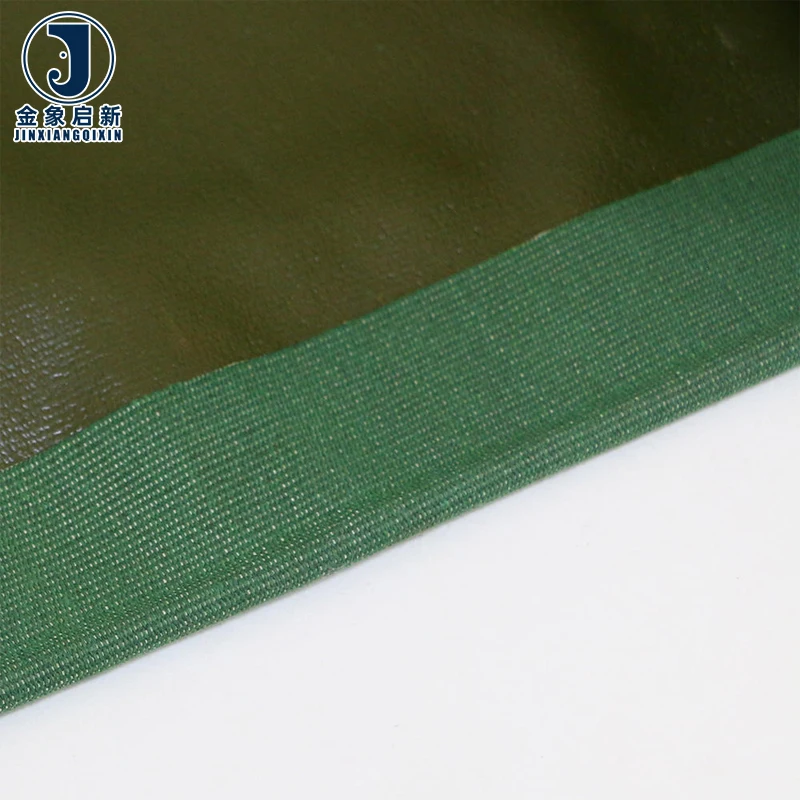
| Coating Method | Laminated |
| Waterproof | Fully waterproof laminated construction |
| UV Treatment | UV resistant (test basis not stated in source — confirm grade required) |
| Flame Retardant | Flame retardant (grade not stated in source — confirm grade required for your market) |
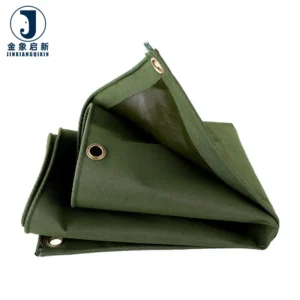
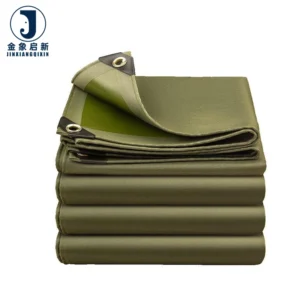
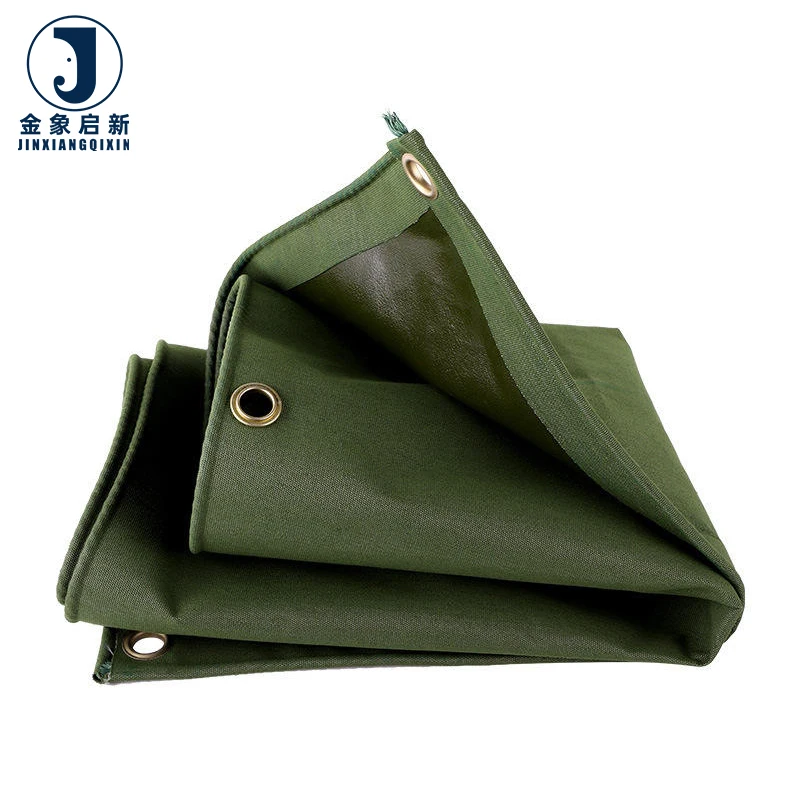
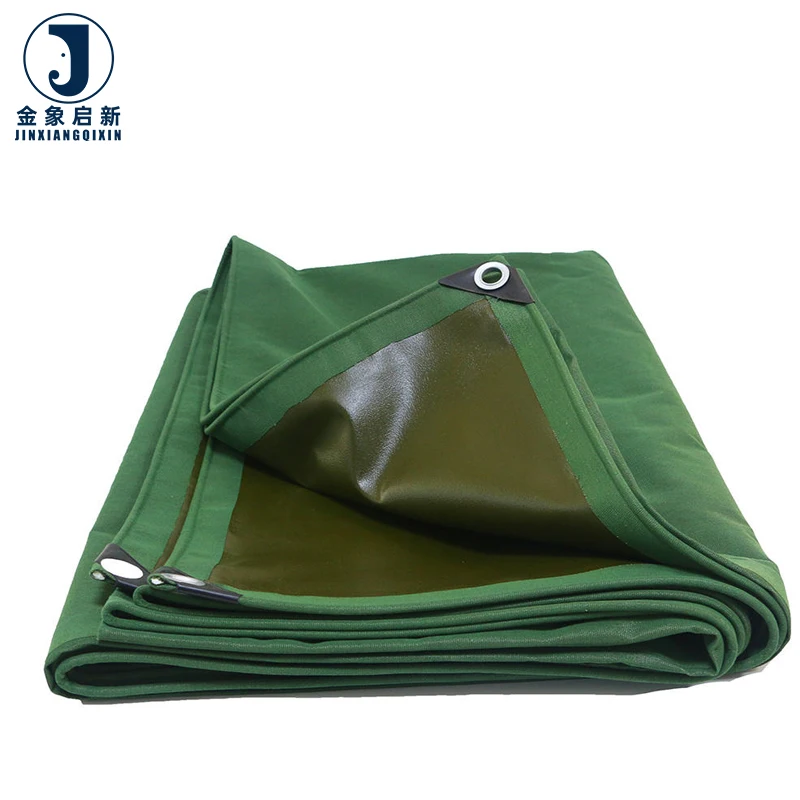
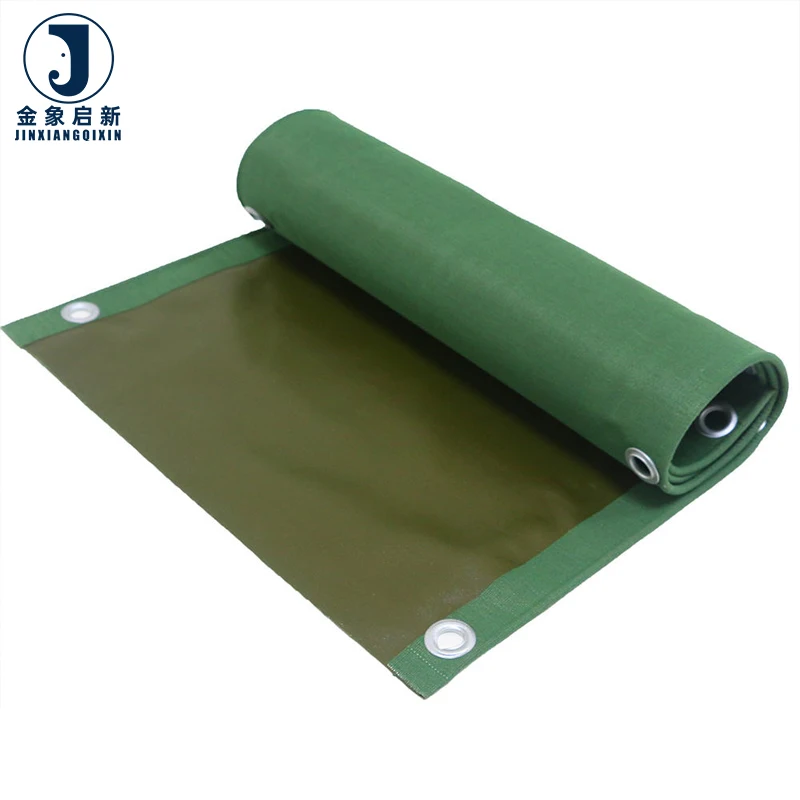
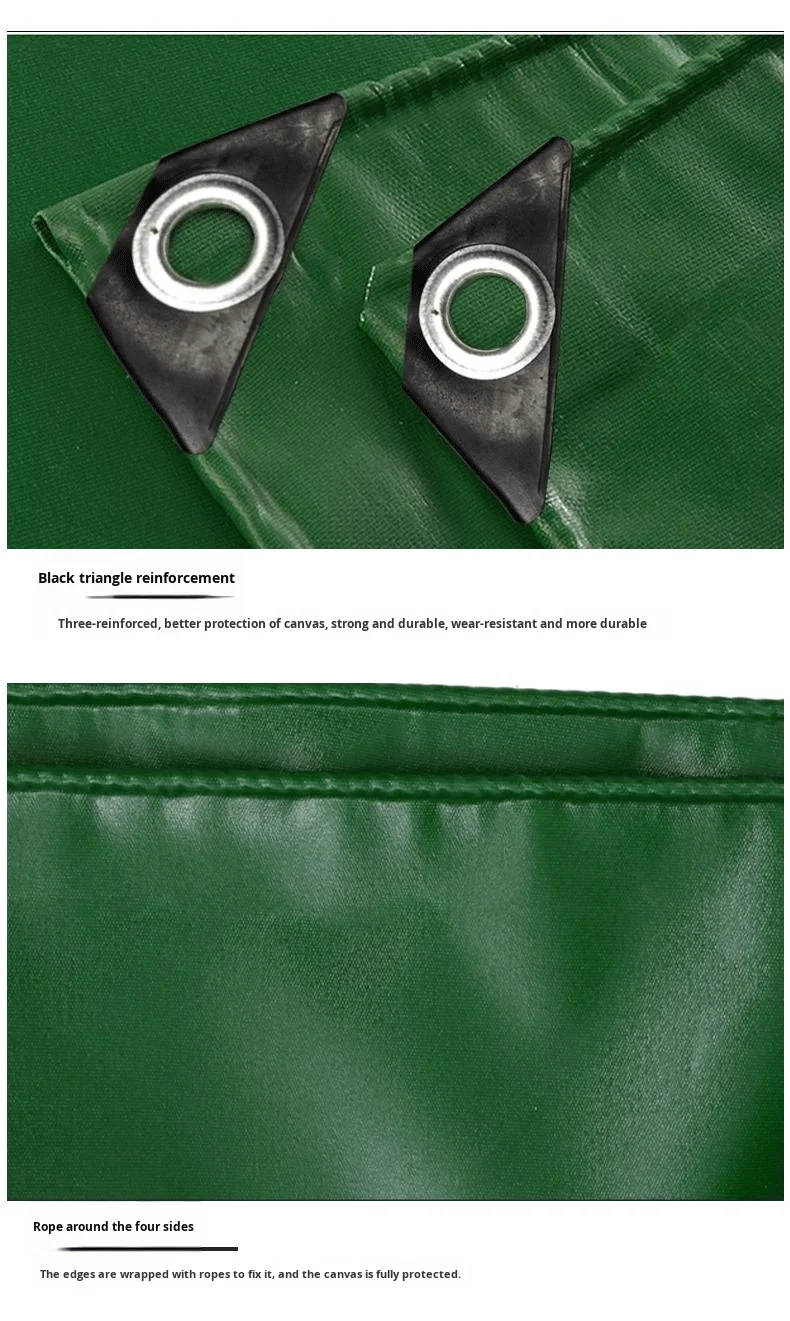
| Edge Construction | Reinforced edges |
| Application Grade | Heavy duty / industrial grade |
Application Suitability
| Application | Exposure & Requirement |
|---|---|
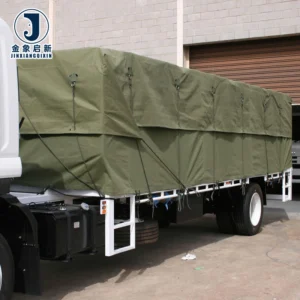
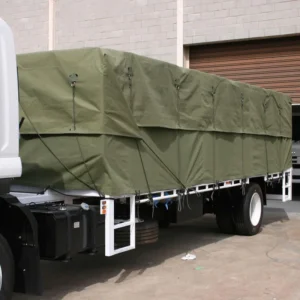
| Industrial equipment and site covers | Constant outdoor weather, UV exposure, mechanical abrasion from wind-driven debris |
| Construction site material protection | Rain ingress, dust, prolonged sun exposure, repeated handling and repositioning |
| Agricultural stockpile and pond covering | Permanent water contact, soil chemistry, puncture risk from sharp substrate |
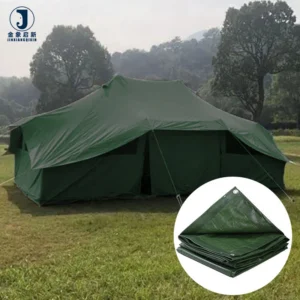
| Outdoor camping and event shelters | UV degradation, folding stress at ridgelines, moderate wind loading |
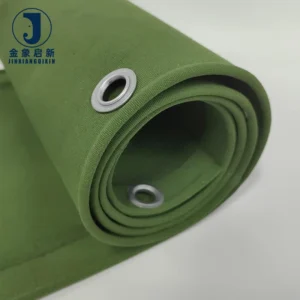
| Roll stock for tarpaulin distributors | Warehouse storage, re-cutting and re-rolling, shelf-life under fluorescent and ambient light |
Why Stated GSM Does Not Guarantee Consistent Roll-to-Roll Weight
Verified weight per roll before dispatch eliminates the most common dispute in bulk tarpaulin procurement.
When distributors buy Laminated Canvas Tarpaulin roll wholesale, the stated GSM on the quotation is often taken on trust. In practice, coating thickness can drift across a production run — a roll measured at the start of a batch may differ from one pulled mid-run. The result is visible only after the buyer has sold the material downstream and received a complaint about premature wear or unexpected flexibility in a cover that was specified as heavy duty [NEED_CITE: tensile and tear test methods for coated fabrics per ISO 1421]. Batch-consistent weight is not a premium feature; it is the baseline that protects your margin from returns.
Roll-to-Roll Consistency Across a Container Load
Buying Laminated Canvas Tarpaulin roll wholesale means you are committing to dozens of rolls in a single shipment, and any variation between them becomes your problem once the container is opened. Colour drift between rolls is immediately visible when two panels are installed side by side on a construction hoarding or a warehouse partition. Weight variation is less obvious but equally damaging — a lighter roll yields a cover that flexes more under wind load and wears faster at stress points. Consistent coating weight and pigment dispersion across the entire batch is what separates usable roll stock from material that generates cutting-floor waste.
Reinforced Edges Where Roll Stock Meets the Cutting Table
When roll stock is unrolled, measured and cut on a fabrication table, the longitudinal edges bear the brunt of handling stress. A laminated canvas tarpaulin with reinforced edges resists fraying at these boundaries, reducing the amount of material that must be trimmed away before a usable panel is produced. This is particularly relevant for distributors who re-roll smaller widths for resale, or contractors who cut on-site covers for irregularly shaped equipment [NEED_CITE: edge reinforcement practices in heavy-duty coated fabric fabrication]. Less edge waste per roll translates directly into more sellable or usable square metres from the same container.
How 600 GSM and Lamination Define the Fabric’s Behaviour
A 600 GSM weight grade places this material firmly in the heavy-duty category for canvas tarpaulin, meaning the combined mass of woven base fabric and laminated coating delivers substantial resistance to tearing and puncture. The lamination process bonds the coating film to the woven canvas under heat and pressure, creating a waterproof barrier that will not delaminate under normal flexing or folding. Unlike dip-coated or knife-over-edge methods, lamination produces a uniform coating thickness that supports predictable heat-welding behaviour during fabrication. The woven plain canvas base provides the structural skeleton — its yarn denier and weave density determine how a tear propagates once initiated, and at 600 GSM the base fabric carries enough yarn mass to resist tear spread across both warp and weft directions. Flame retardant and UV resistant treatments are available in grades suited to different regulatory markets; buyers should confirm the specific grade their end-use or local code demands before placing a bulk order.
The Hidden Cost of Ordering by Price Per Kilogram Instead of Verified GSM
A roll that arrives lighter than quoted saves the supplier material cost and passes the shortfall to the buyer as reduced service life. Covers cut from underweight rolls fail first at flex points and hems, where the fabric is asked to carry the most load with the least material [NEED_CITE: common failure modes in industrial tarpaulin covers under cyclic wind loading]. For distributors, the reputational cost of a single failed cover sold to a construction contractor far outweighs the per-kilogram saving on the original purchase. Insisting on a pre-shipment inspection record that lists actual GSM per roll — not just a batch average — is the most effective control a wholesale buyer can apply.
Why Wholesale Buyers Source This Roll Stock Here
Three full production lines and 36 sets of professional equipment support the volume and scheduling reliability that container-load roll orders demand. A dedicated 10-person R&D team handles custom width, colour and sample development in days rather than weeks, keeping your inventory responsive to end-customer requests. Every roll passes through stage-by-stage QA and a 100% pre-shipment inspection, with the actual measured weight documented before it leaves the factory floor. Nearly 30 years of focused coated-fabric production means the coating adhesion, edge reinforcement and colour matching processes are controlled rather than adjusted reactively. Samples are developed quickly so you can confirm hand-feel, stiffness and weld behaviour before committing to a full container.
Documentation & Verification
- Material specification sheet stating 600 GSM, woven canvas base and lamination method per roll
- Pre-shipment inspection record confirming actual measured GSM against the stated value
- Roll packing list with net weight, roll count and dimensions for container loading planning
- Batch colour reference card to verify consistency when rolls are opened on site
- Certificate of origin and customs documentation included with every export shipment
- UV and flame retardant test reports provided for the specific grade ordered
Fabrication, Handling & Storage
- Heat-weld settings should be calibrated to the laminated coating before joining 600 GSM panels at full speed
- Reinforced edges tolerate grommet spacing at standard intervals without additional webbing on this canvas tarpaulin
- Store rolls upright on pallets to prevent flat-spotting and permanent creasing of the laminated surface
- Unroll in temperatures above 5 °C to avoid cracking the laminate at the fold line
- Use mild detergent and soft brush for cleaning — abrasive pads will score the laminated finish
- Offcuts from 600 GSM roll stock can be heat-welded into patch repairs with matching adhesion strength
What to Include When Requesting a Quotation
To price a roll-stock order accurately, we need your target roll width, the number of rolls or total square metres, and the destination port for freight calculation. Let us know whether you require a specific flame retardant or UV resistant grade to meet local code, and whether colour matching to a Pantone or physical swatch is needed. If your fabrication line has a maximum roll weight or core diameter, share those limits so we can configure the winding accordingly.
Frequently Asked Questions
Q: How is GSM verified per roll before shipment?
A: Each roll of 600 GSM laminated canvas tarpaulin is weighed and measured during the pre-shipment inspection. The actual GSM is recorded on the inspection report, which is shared with the buyer before dispatch. Rolls that fall outside the agreed tolerance are held back and replaced, ensuring only conforming material is loaded into your container.
Q: What roll widths and lengths are available for bulk container loading?
A: Standard roll widths are produced to suit common fabrication tables and shipping container dimensions. Custom widths are available subject to production line capability and minimum order quantity. Roll length is configured to match your cutting requirements and to maximise container utilisation by weight and volume.
Q: How do you control colour consistency across rolls in one order?
A: Pigment is batch-mixed before coating, and all rolls in a single order are drawn from the same production run. A colour reference card from the approved sample is retained and used at the inspection stage to flag any visible drift before the rolls are packed for shipment.
Q: What is the MOQ for custom width or colour on this laminated canvas tarpaulin?
A: Minimum order quantities for custom width or colour depend on the specific configuration and the production schedule at the time of inquiry. Sample rolls are developed within days so you can evaluate the material before committing to the full production run.
Q: How should roll stock be stored to prevent edge damage in transit and warehouse?
A: Rolls should remain upright on pallets with edge protectors in place, stored in a dry, shaded environment away from direct sunlight. Avoid stacking rolls horizontally, as the weight of upper rolls can compress and crease the laminated surface of those below, affecting flatness when unrolled for cutting.