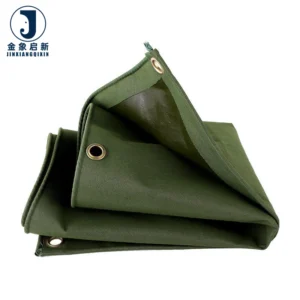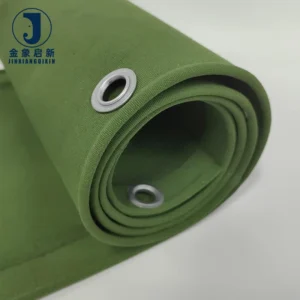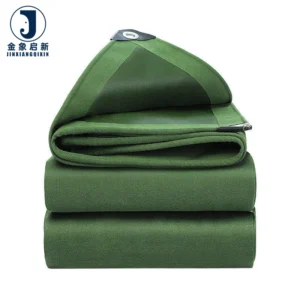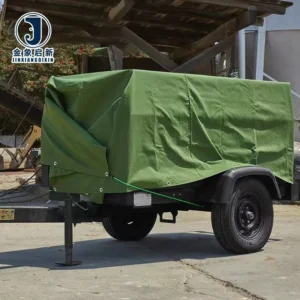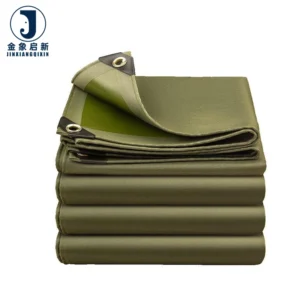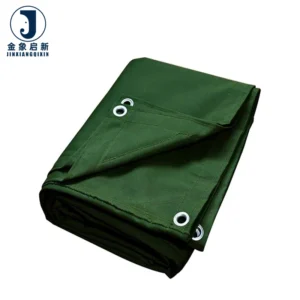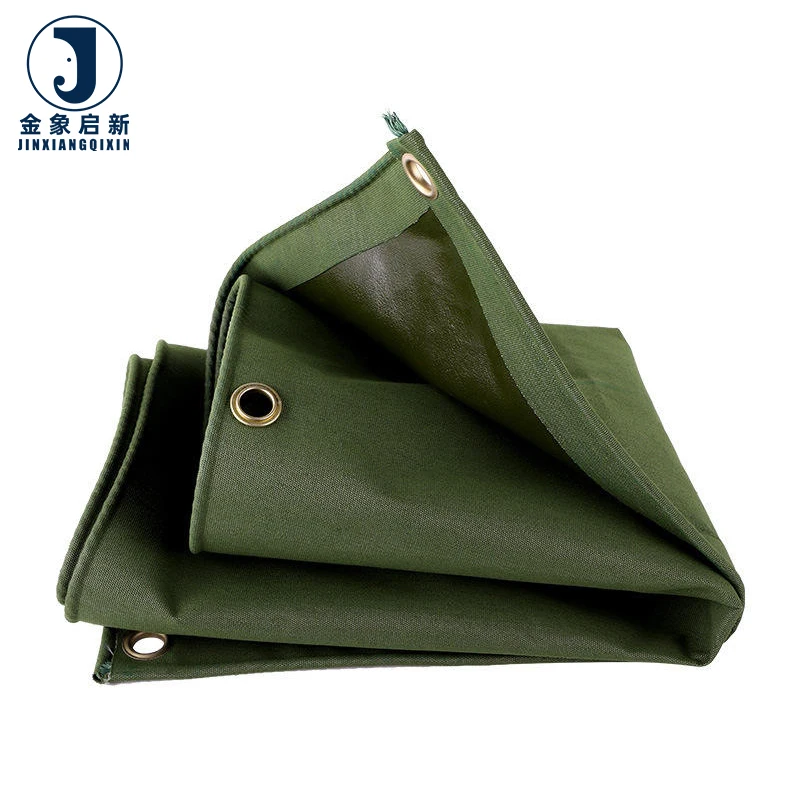
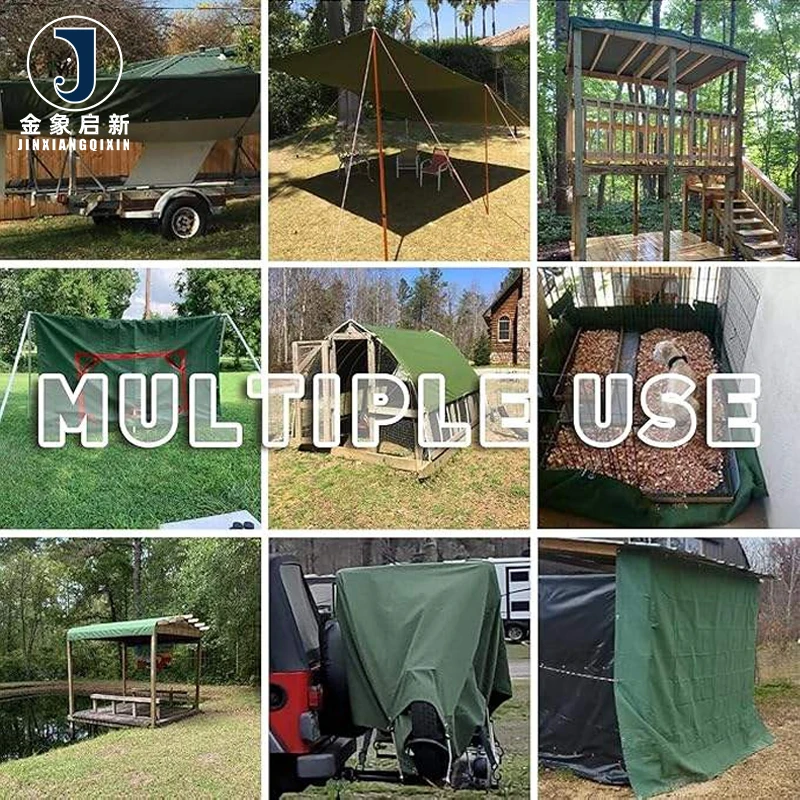
Description
[Batch Consistency Verified] — Every roll of 0.9mm PVC Laminated Canvas Tarpaulin is weighed and visually inspected before dispatch, confirming the stated 600gsm against your specification sheet with full traceability across container loads.
Technical Specifications
| Parameter | Value |
|---|---|
| Product Type | Canvas Tarpaulin |
| Coating Material | PVC Laminated |
| Base Fabric | Polyester cotton industrial textile with 8-12 strands of fine cotton yarn |
| Weight | 600gsm |
| Total Thickness | 0.5mm / 0.6mm / 0.7mm (0.9mm per product designation) |
| Roll Width | 2m |
| Roll Length | 100m |
| Color Options | Army Green Camouflage / Custom colours available |
| Eyelet Specification | Rust-proof aluminum, spaced every 1 meter at corners and hem |
| Hem & Seam Construction | Folded, welded and sewn with poly rope reinforcement |
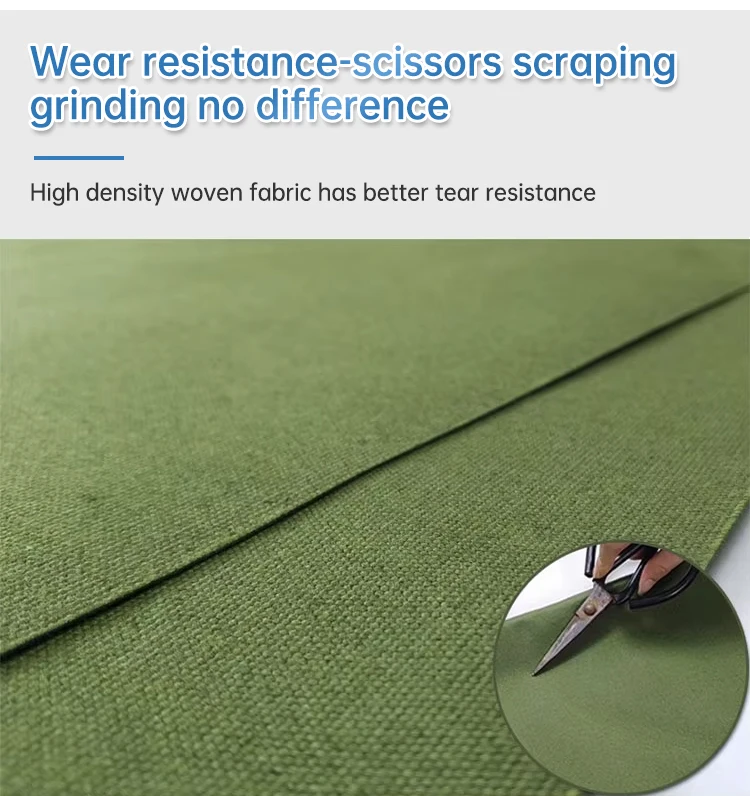
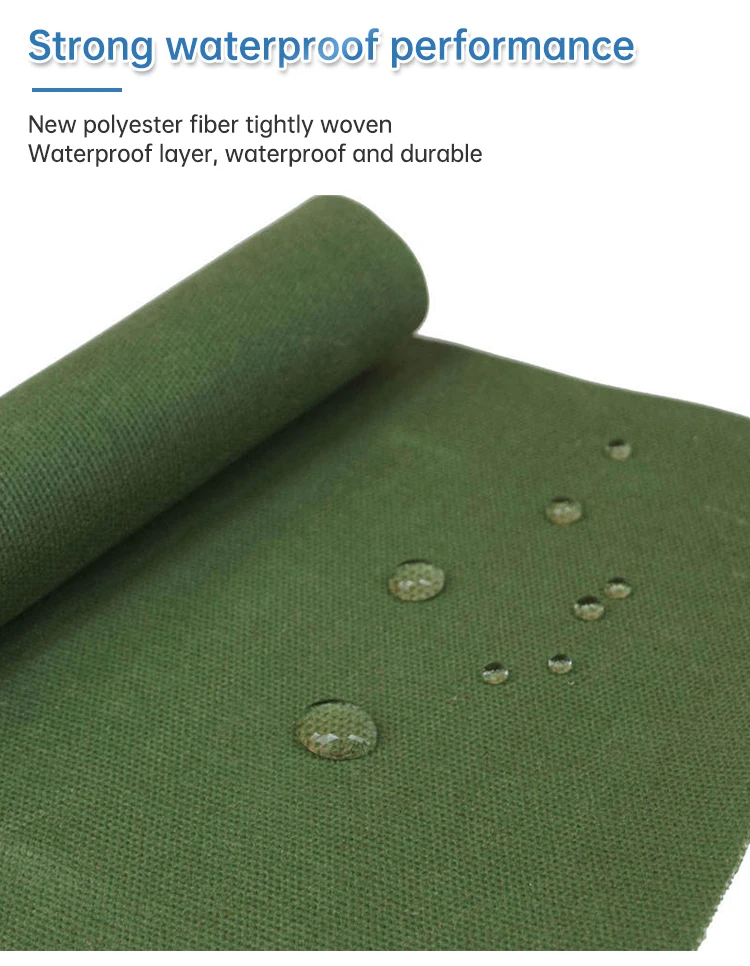
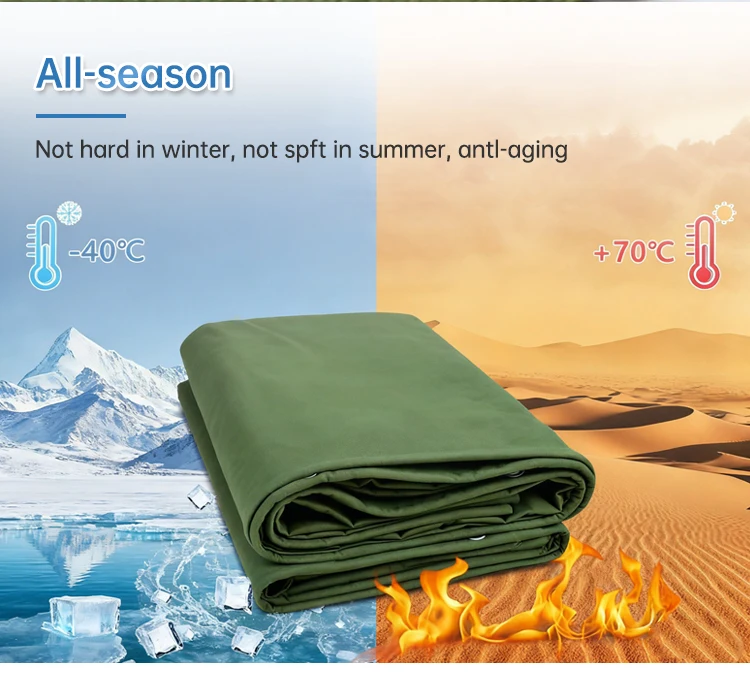
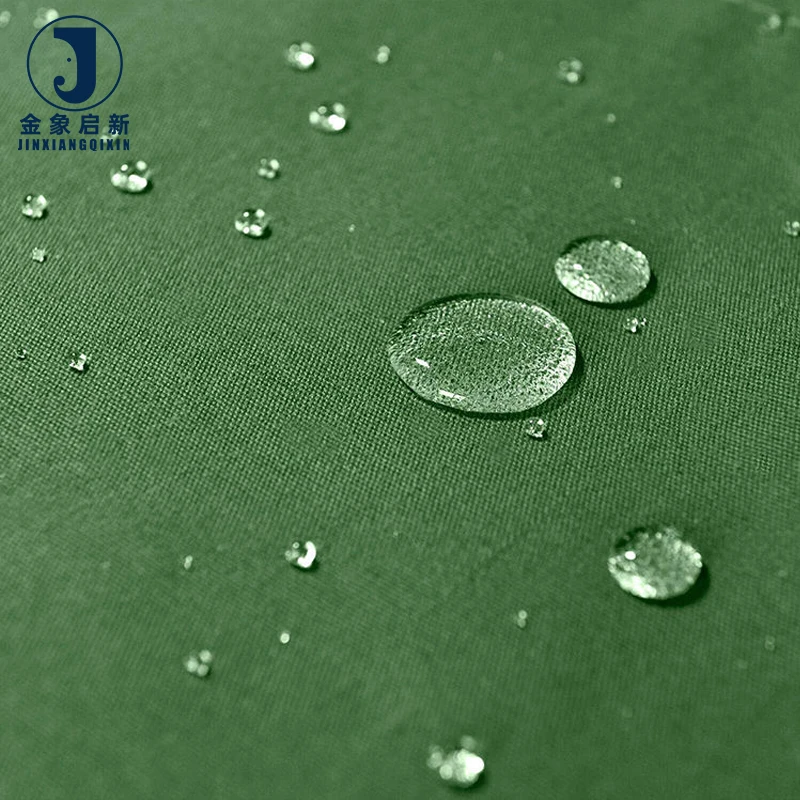
| Key Features | Wear-resistant, corrosion-resistant, tensile-resistant, high- and low-temperature resistant, waterproof, UV resistant, mold resistant, shrink-proof |
| Standards | CE, ISO (grade not stated) |
Application Suitability
| Application | Exposure & Requirement |
|---|---|
| Truck and trailer covers | Constant road vibration, UV exposure, wind load on tie-down eyelets, abrasion at contact points |
| Construction and asphalt covers | Dragging over rough surfaces, chemical exposure from wet concrete, prolonged sun and rain |
| Outdoor tents and awnings | Sustained tension across frames, UV degradation risk, water pooling, mildew in humid climates |
| Shading sails and outdoor structures | Continuous UV and wind load, seam stress at mounting points, colour retention over seasons |
| Equipment and open-air stock covers | Dust and moisture ingress prevention, puncture from sharp edges, repeated folding and unfolding |
Why 600gsm Canvas Tarpaulin Roll Wholesale Orders Fail at the Weigh-In
Roll-to-roll weight verification before dispatch eliminates the gap between the quotation and the receiving dock.
Buyers who source Canvas Tarpaulin roll wholesale know the frustration of specifying a weight class, paying for it, and then watching the material tear prematurely under load. The root cause is often not the design but the actual delivered GSM falling below what was agreed. A canvas tarpaulin invoiced at one weight but delivered lighter will underperform on tensile load, seam holding strength, and abrasion resistance exactly where the buyer cannot afford failure [NEED_CITE: tensile and tear test methods for coated fabrics per ISO 1421].
When you are loading full containers of roll stock, even a small per-roll deficit compounds across the shipment. This is why every roll from our production lines is weighed individually during pre-shipment inspection, with results recorded against the batch specification sheet.
Roll-to-Roll Batch Consistency Across Canvas Tarpaulin Orders
Maintaining identical GSM, colour shade, and coating weight from the first roll to the last in a container load requires in-line process control, not just final sampling. Our three full production lines run under dedicated QA/QC checkpoints at each stage, from base fabric tensioning through PVC lamination to final winding. This ensures that a truck cover fabricator cutting from roll number one and roll number fifty will see the same hand feel, thickness, and weld response.
For distributors stocking Canvas Tarpaulin roll wholesale inventory, batch consistency means fewer customer complaints and fewer returns tied to shade mismatch or weight deviation. Every batch is traceable by roll number on the packing list.
How PVC Lamination Differs From Coating in Canvas Tarpaulin Production
PVC lamination bonds a pre-formed PVC film to the polyester-cotton base fabric under heat and pressure, as opposed to applying liquid PVC as in knife-coated or dip-coated methods. This process yields a uniform coating thickness across the full 2m roll width, with consistent surface character on both sides. The laminated structure provides the waterproof barrier and surface durability that construction and transport covers demand, while the 8-12 strand fine cotton yarn in the base fabric contributes dimensional stability during cut-and-sew operations.
Laminated canvas tarpaulin also tends to show stronger peel adhesion between the coating and the base fabric, reducing the risk of delamination when the material flexes under load or during folding in cold conditions [NEED_CITE: peel adhesion test methods for laminated fabrics]. This matters directly for truck covers that are tensioned and released daily.
Reading the Specification Sheet Beyond the GSM Number
The 600gsm figure tells you the total weight per square metre, but not how that weight is distributed between the base fabric and the PVC laminate layers. A heavier base fabric with a lighter coating will behave differently at the weld line than a lighter base with a heavier coating, even at the same total GSM. The polyester-cotton blend with 8-12 strands of fine cotton yarn in this product provides a balanced base that holds eyelets securely and resists tear propagation.
The available thickness range of 0.5mm, 0.6mm, and 0.7mm offers flexibility for different end uses — thinner options for awning and tent applications where drapability matters, thicker options for heavy-duty truck and construction covers where abrasion resistance is the priority. The 2m roll width at 100m length is standardised for efficient container loading, while custom widths and lengths can be arranged subject to production minimums.
Rust-proof aluminum eyelets at one-meter intervals distribute tie-down loads evenly, and the welded-and-sewn poly rope hems reinforce the edges where most field failures originate.
The Hidden Cost of Specifying the Wrong Canvas Grade
When a tarpaulin distributor stocks a single weight class for all applications, they inevitably face either over-engineering or under-engineering. A canvas too light for truck covers will show abrasion at contact points and seam failure within a single season. A canvas too heavy for shading sails will add unnecessary dead load and cost without improving performance.
Colour inconsistency between rolls in the same order becomes visible the moment two panels are installed side by side on a construction hoarding or tent structure, triggering rework that costs far more than the original material savings [NEED_CITE: batch shade variation in coated fabric production and its cost impact]. Weld failures at flex points are often traced back to base fabric inconsistency rather than the welding process itself, which is why process-level QA matters more than end-of-line sampling.
What Sets This Supply Source Apart for Roll Buyers
Deep process control over PVC lamination weight and base fabric adhesion comes from nearly 30 years focused exclusively on coated fabric production. Three full production lines and 36 sets of professional equipment provide the capacity to fill container orders on schedule without splitting production across different facilities.
A 10-person R&D team handles material selection, colour matching, and sample development, returning samples within days for buyer approval before bulk runs begin. Dedicated QA/QC at every production stage with 100% inspection before shipment means every roll is checked for weight, visual defects, and specification compliance — not sampled from a batch.
Full documentation accompanies each dispatch: specification sheets, packing lists, and certificates required for customs clearance. This matters for importers who need traceability and compliance records for their own downstream customers.
Documentation & Verification
- Material specification sheet confirming 600gsm, polyester-cotton base fabric, and PVC lamination method per batch
- Pre-shipment inspection record with roll-by-roll weight check and visual assessment
- Roll packing list with roll count, net and gross weight, and container loading plan
- UV and waterproof treatment test reports available where applicable to your market requirements
- CE and ISO certificates included for customs and regulatory submission
- Certificate of origin and full customs documentation support for each shipment
Fabrication, Handling & Storage
- Heat-weld seams at temperatures matched to the PVC laminate layer; test weld on a sample offcut of the 600gsm material first
- Position rust-proof aluminum eyelets to align with the poly rope reinforced hem for even load distribution
- Store 2m × 100m rolls upright on a flat surface to prevent edge deformation and coating creasing
- Allow rolled canvas to acclimatise to ambient temperature before unrolling in cold conditions to avoid surface cracking
- Use mild detergent for cleaning; avoid solvent-based products that may affect the PVC laminated surface
- Plan cut-and-sew layouts to maximise yield from the 2m roll width and minimise offcut waste
Before You Request a Quote
Tell us the end application and the environmental conditions the finished cover will face — sustained UV, chemical exposure, abrasion type, or temperature extremes. Specify whether you need roll stock at the standard 2m × 100m or a custom width and length, and whether cut-to-size finished panels are required.
For custom colours beyond Army Green Camouflage, provide a Pantone or RAL reference so we can develop a sample for your approval before the production run. Confirm the fire-retardant or anti-static grade your local regulations or project specifications require, so we can verify compliance before quoting.
Frequently Asked Questions
Q: How do you verify the 600gsm weight before my Canvas Tarpaulin roll wholesale order ships?
A: Every roll is individually weighed during our pre-shipment inspection process and compared against the specification sheet. Results are recorded on the inspection report that accompanies your shipment. This roll-by-roll check ensures the GSM stated on your quotation matches what arrives at your receiving dock, eliminating the weight shortfall risk that plagues bulk canvas orders.
Q: How do you control colour consistency across rolls in the same order?
A: Our in-line QA monitors colour shade during the PVC lamination process, not just at final inspection. Each production batch is matched against the approved colour reference before winding. For Army Green Camouflage and custom colours, we provide a sample swatch from the production run for your approval, ensuring roll-to-roll consistency across your full container load.
Q: Can I order custom roll widths or lengths instead of the standard 2m × 100m?
A: Yes, custom widths and lengths are available subject to production minimums. The standard 2m × 100m format is optimised for container loading efficiency and volume pricing. For non-standard dimensions, provide your required width and roll length at inquiry stage so we can confirm feasibility, minimum order quantity, and lead time for your specific configuration.
Q: What is the minimum order quantity for custom colours or cut-to-size panels?
A: MOQ varies by the degree of customisation — custom colours carry a higher minimum than standard Army Green Camouflage, and cut-to-finish-size panels have a different threshold than roll stock. Provide your colour reference, panel dimensions, and estimated annual volume at inquiry stage so we can quote accurately and confirm the production minimum that applies to your order.
Q: What documentation ships with each container of canvas tarpaulin rolls?
A: Each shipment includes a material specification sheet stating GSM and base fabric composition, a roll packing list with batch traceability, CE and ISO certificates, and a certificate of origin. Customs documentation support is provided for your destination market. UV and waterproof treatment test reports are supplied where applicable to your regulatory requirements.