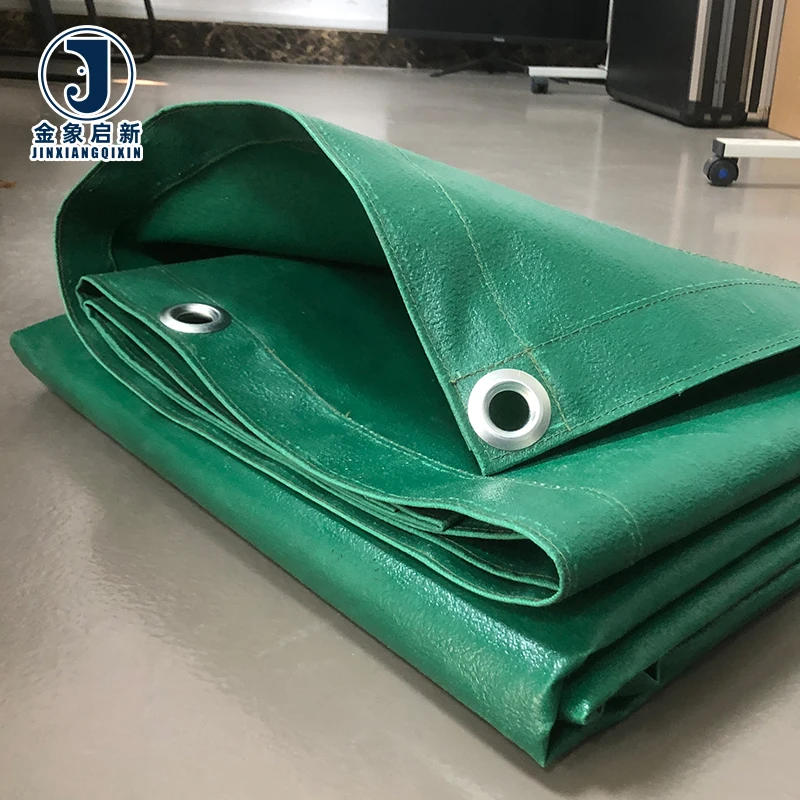
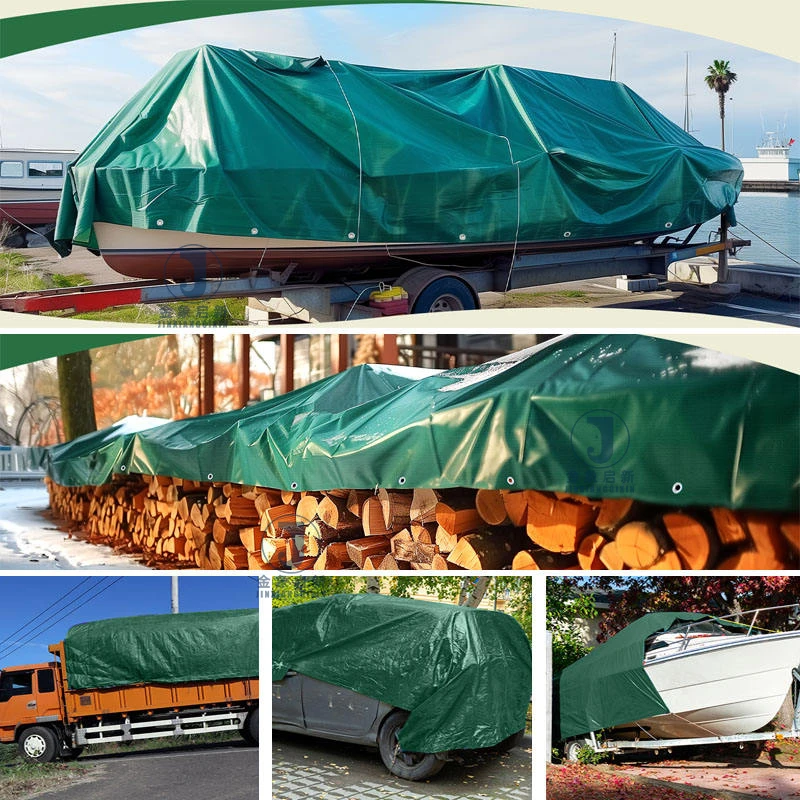
Description
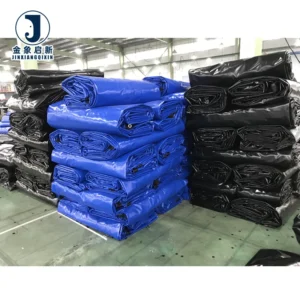
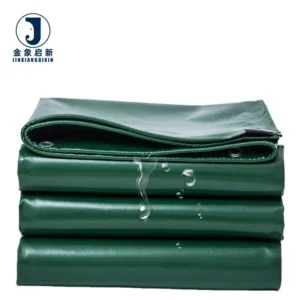
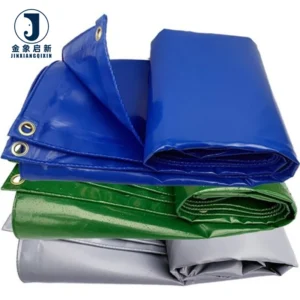
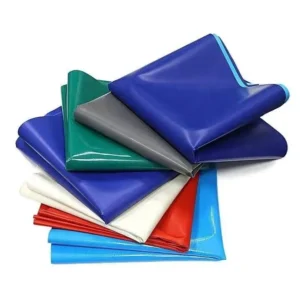
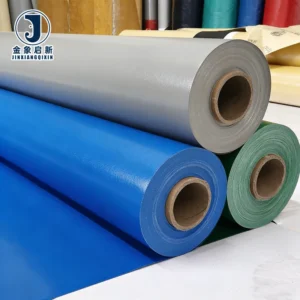
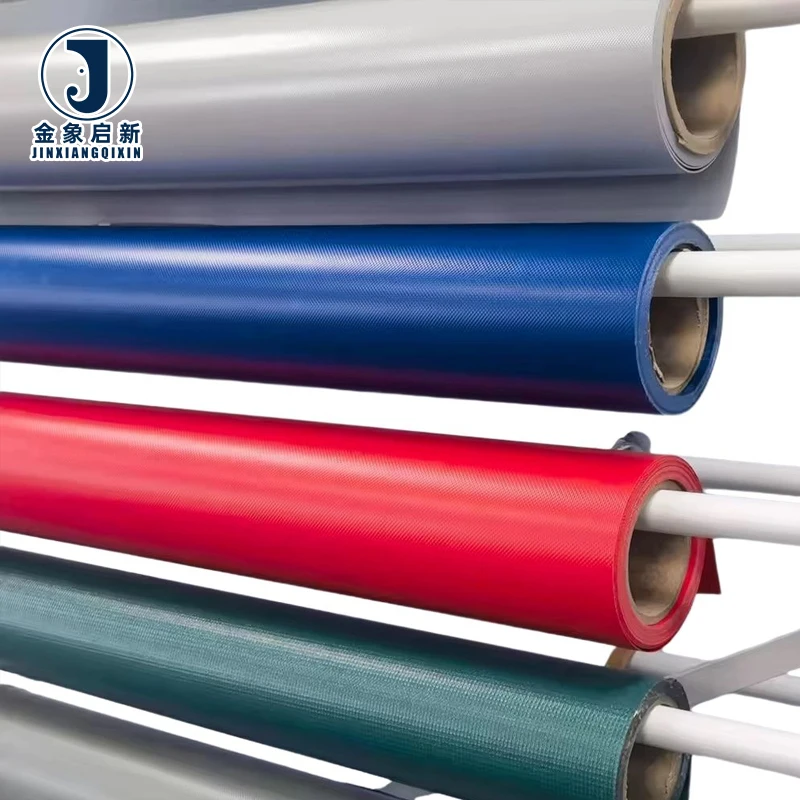
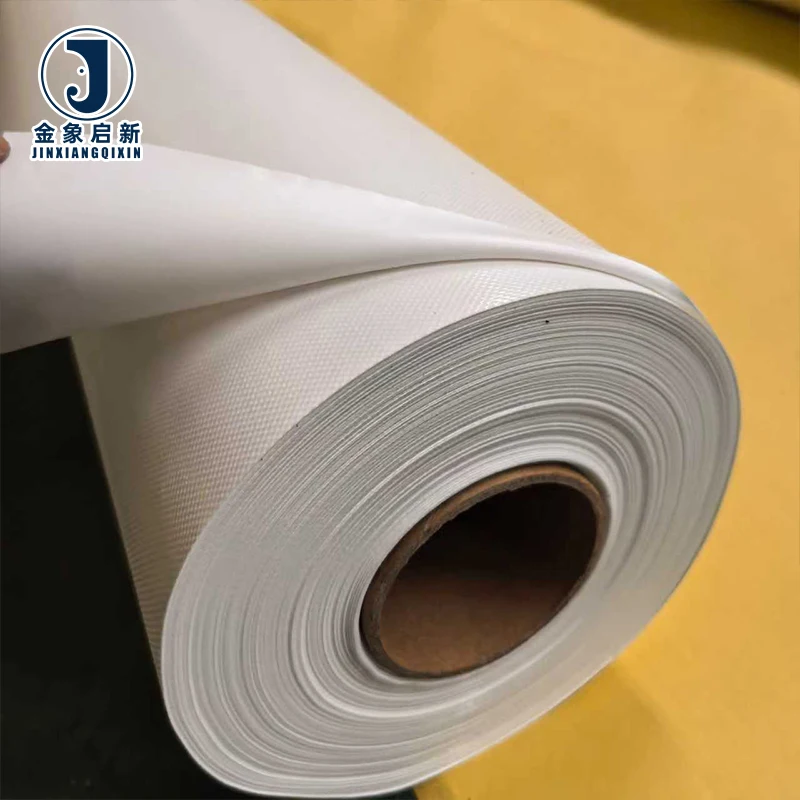
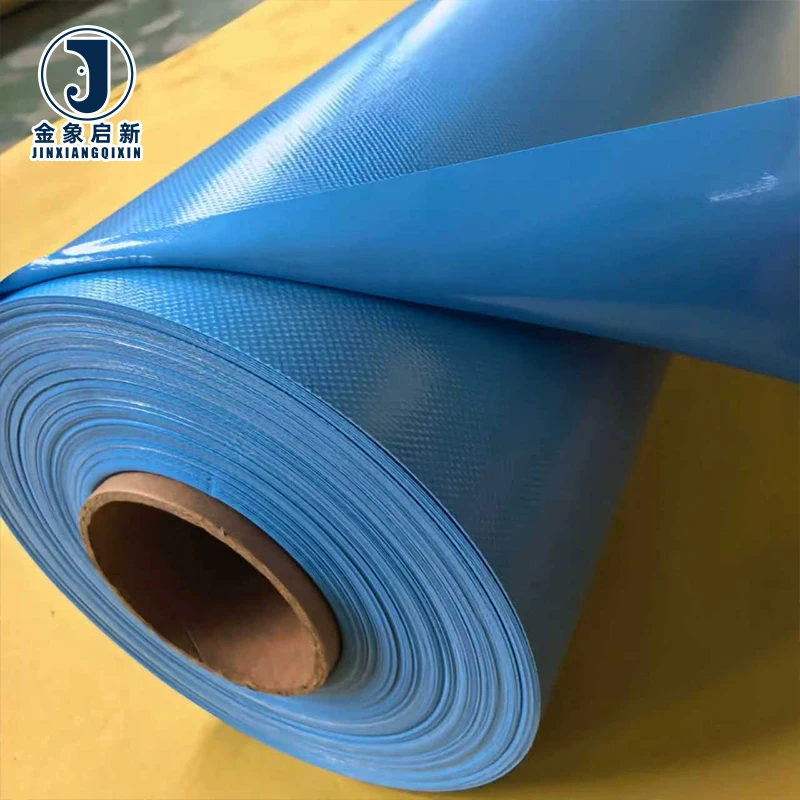
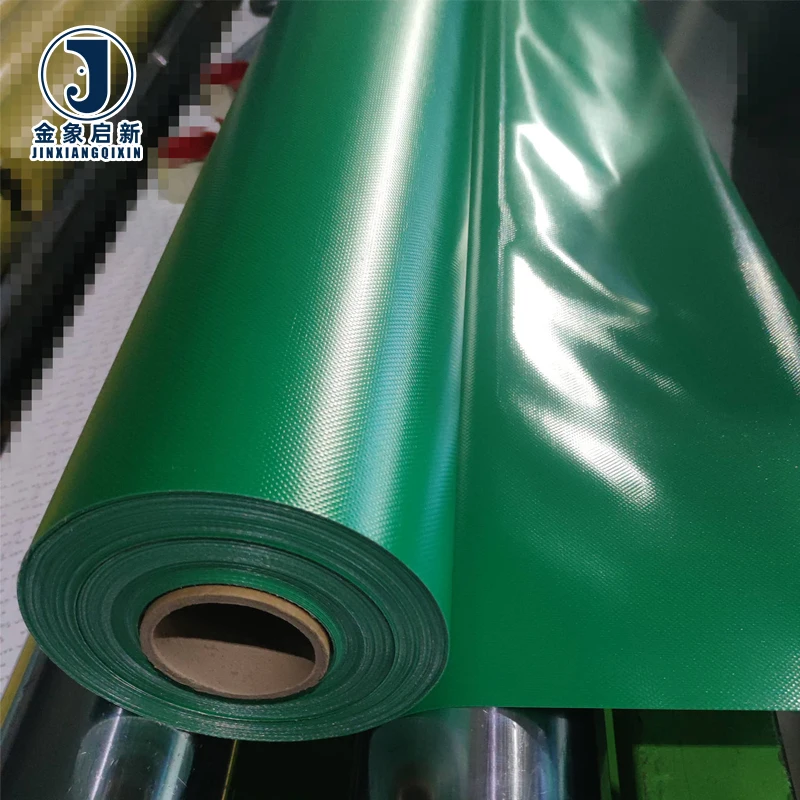
Roll-to-Roll Consistency — Every roll of 1000D blackout PVC tarpaulin is checked for GSM, base fabric denier and color match before leaving the line, so shade structure panels align without visible drift across a full container order.
Technical Specifications
| Parameter | Value |
|---|---|
| Product Type | PVC Coated Tarpaulin Roll |
| Base Fabric Denier | 1000D |
| Finish | Blackout |
| UV Treatment | Anti-UV (test basis not stated in source) |
| Flame Retardant | Fire retardant (grade not stated in source) |
| Anti-Mildew | Antibacterial and mildew proof |
| Chemical Resistance | Oil, stain, acid and alkali resistant |
| Temperature Resistance | High temperature and cold resistant |
| Anti-Oxidation | Yes |
| Surface Property | Self-cleaning |
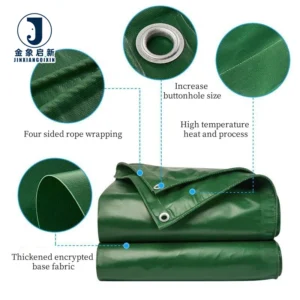
| Welding Options | HF, Hot Air, Sewing |
| Flexibility | Highly flexible, crack-resistant formulation |
Application Suitability
| Application | Exposure & Requirement |
|---|---|
| Event and exhibition shade tents | Full light blocking, repeated folding and deployment, UV exposure across multi-day outdoor installations |
| Tensile and membrane structures | Sustained wind load, structural tension, long-term weathering and UV degradation resistance |
| Portable storage structures | Abrasion from stored goods, moisture ingress prevention, tear resistance at anchor points |
| Stadium architectural covers | Large-span tension, high UV exposure, fire safety compliance for public assembly areas |
| Airport hangar enclosures | Wide panel spans, wind-driven rain, fuel and chemical exposure on the tarmac |
| Shade systems and shadings | Continuous sun exposure, thermal cycling, self-cleaning surface to reduce maintenance at height |
Why Color Drift Between Rolls Costs Tent Fabricators More Than Fabric Price
Roll-to-roll color inconsistency forces fabricators to reject entire panels after cutting, sewing and welding — not just the raw material.
When a container of PVC coated tarpaulin roll wholesale stock arrives and two rolls show a visible shade difference once laid side by side on the cutting table, the damage is already done. The fabricator has allocated labor, machine time and hardware. Ripping out a mismatched panel from a partially assembled event tent means re-cutting, re-welding and often re-shipping on a deadline that does not move. This is not a cosmetic complaint — it is a production failure that compounds through the supply chain. [NEED_CITE: color measurement standards for coated textiles per ISO 105 series]
The issue typically originates at the coating stage. If pigment dispersion, coating weight or oven temperature varies even slightly between production runs, the finished surface reflects light differently. For blackout fabric used in exhibition tents where panels join at visible seams, the tolerance window is narrow. Buyers who specify only a Pantone reference without requiring batch-matched color verification leave themselves exposed. Sourcing PVC coated tarpaulin roll wholesale requires confirming that the supplier checks color on every roll against the approved reference, not just on the first sample.
Blackout Performance Where Light Control Defines the Venue
Event organizers rely on complete darkness inside exhibition tents for projection mapping, controlled lighting design and daytime screening environments. The blackout finish in this PVC coated tarpaulin roll blocks light transmission through the fabric body, eliminating the need for secondary liner layers that add weight and cost. For fabricators producing shade structures, this means fewer material layers to cut, weld and tension on site.
Tensile structure contractors working on stadium covers and portable storage also benefit from the light-blocking property. It reduces solar heat gain inside the enclosed space, which matters for temperature-sensitive storage and spectator comfort. The single-layer construction keeps the overall dead load on the supporting frame within design limits.
Seam Integrity at Flex Points in Large-Span Structures
A tent or membrane structure fails first where it flexes most — at welded seams and folded hems. This PVC coated tarpaulin roll supports high-frequency welding, hot air welding and sewing, giving fabricators the flexibility to match the seam method to the structural load path. HF welding produces a continuous bond along the full seam width, which is critical for tensile structures under sustained wind load.
The crack-resistant formulation allows the fabric to fold and unfold during transport and repeated installation cycles without developing stress fractures at crease lines. [NEED_CITE: flex fatigue test methods for coated fabrics] For portable storage and event tents that deploy and strike multiple times per season, this durability at fold points extends usable service life without requiring panel replacement.
How Base Fabric Denier, Coating Weight and Welding Interact
The 1000D base fabric provides the tensile backbone. Denier alone does not determine strength — the warp and weft density, combined with coating penetration into the yarn structure, define how load transfers across the fabric. A high-denier yarn with low pick count will tear more easily than a tighter weave at the same denier. This is why requesting the base fabric specification sheet matters beyond the headline number.
The coating method directly affects peel strength at welded seams. PVC coatings that bond through full penetration into the base fabric weave — rather than sitting as a surface layer — produce stronger welds because the heat-activated bond engages the coating throughout the yarn cross-section. For fabricators running HF welders, coating formulation determines the optimal power and dwell time settings. Running test welds on each incoming roll batch prevents seam failures that only appear under tension on site.
Blackout pigments sit within the coating layer. If the coating weight is inconsistent across the roll width, light blocking will vary from edge to center — a defect that may not show until panels are tensioned on a frame with backlight exposure. Inline coating weight monitoring during production catches this before the roll ships. [NEED_CITE: coating weight measurement methods for PVC tarpaulin per ISO standards]
The Hidden Cost of Ordering on GSM Alone
When a roll arrives lighter than the quoted weight, the immediate loss is material — less coating means reduced abrasion resistance, weaker UV protection and lower tear strength than expected. But the secondary cost is worse: a tensile structure designed around assumed load values may deflect beyond acceptable limits, requiring engineering re-evaluation and potentially on-site reinforcement.
For distributors importing PVC coated tarpaulin roll wholesale, a batch that tests below the quoted GSM also creates downstream liability. Their fabricator customers design patterns, specify hardware and quote end-user prices based on the published spec. Delivering material that does not match erodes the distributor’s credibility and triggers warranty claims that are costly to resolve. [NEED_CITE: GSM verification and tolerance standards for industrial coated textiles]
Flame retardant claims without a matching grade create a different failure. A tent installed at a public venue may require documented fire classification for the local fire authority to issue an occupancy permit. If the certificate does not match the batch — or if the grade is not specified at all — the structure cannot legally open, regardless of how well the fabric actually performs in a fire test.
Why Fabricators Source This Roll Stock Here
Three full production lines and 36 sets of professional equipment handle container-volume orders with consistent output quality. For wholesale buyers ordering multiple rolls of blackout PVC tarpaulin, this capacity means your entire order runs within a single production window — reducing the batch-to-batch variation that occurs when an order is split across multiple production dates.
The 10-person R&D team develops custom width, color and surface finish samples within days, not weeks. When a tensile structure project specifies a non-standard roll width to minimize on-site welding, the sample approval cycle stays short enough to protect the project timeline.
Dedicated QA and QC runs at every production stage with full pre-shipment inspection. Each roll is checked for GSM, color match and coating integrity against the material specification before packing. This catches deviations before they reach your cutting table, not after.
ISO and CE certified production processes provide the documentation framework that export markets require. Certificate of origin, customs support and roll-level packing lists streamline the import process for distributors receiving PVC coated tarpaulin roll wholesale shipments.
Documentation & Verification
- Material specification sheet confirming GSM, 1000D base fabric and coating type for each roll
- Pre-shipment inspection record covering weight, color and surface quality per roll
- Roll packing list with roll count, net weight and container loading plan
- Batch color reference card matched to the shipped production run
- Fire retardant and UV test reports available — confirm the grade required for your market
Fabrication, Handling & Storage
- HF welding parameters should be calibrated per roll batch to match coating formulation variations
- Hot air welding temperature must account for the blackout pigment layer absorbing heat differently than standard PVC
- Store rolls upright on pallets to prevent flat-spot deformation across the 1000D base fabric
- Avoid dragging rolls on unsealed concrete to protect the self-cleaning surface coating
- Allow cold-stored rolls to acclimate to workshop temperature before unrolling to prevent cracking
What to Specify When Requesting a Quote
Provide your application type — event tent, tensile structure, portable storage or shade system — along with the environmental exposure conditions at the installation site. State the roll widths and lengths that match your cutting pattern to minimize offcut waste.
If your market requires fire classification documentation, specify the grade and standard needed so the correct formulation is matched to your order. Confirm whether you need stock widths or custom roll dimensions, and whether a pre-production sample is required for color approval before the full container ships.
Frequently Asked Questions
Q: How do I verify the GSM matches the quotation when the rolls arrive?
A: Request the pre-shipment inspection record that documents the measured GSM per roll before dispatch. On receipt, you can verify with a calibrated scale and a measured sample cut. Our documentation includes the weight per roll on the packing list, giving you a direct reference to check against.
Q: How do I choose the right roll width and length for my cutting pattern?
A: Share your panel dimensions and nesting layout with us during the quoting stage. We can recommend roll widths that minimize offcut waste for your specific tent or shade structure design. Custom widths are available with sample approval before the full production run begins.
Q: Is color consistent across all rolls in a single container order?
A: Our production process monitors coating weight and pigment dispersion inline, and each roll is checked against the batch color reference before packing. We supply a batch color reference card with your shipment so you can verify consistency on your cutting table before fabrication starts.
Q: Which welding methods work with this blackout PVC tarpaulin fabric?
A: This roll stock supports high-frequency welding, hot air welding and sewing. HF welding gives the strongest continuous bond for tensile and structural seams. We recommend running test welds on each incoming batch to dial in power and dwell settings for your specific welder model.
Q: How are rolls protected during container shipping?
A: Each roll is individually wrapped and packed upright on pallets to prevent surface damage and flat-spotting during transit. The roll packing list included in your documentation details roll count, dimensions and weight for container loading planning and customs clearance.