
Description
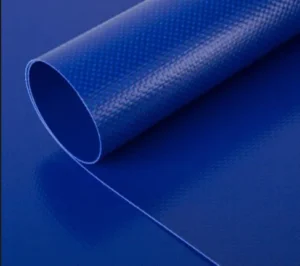
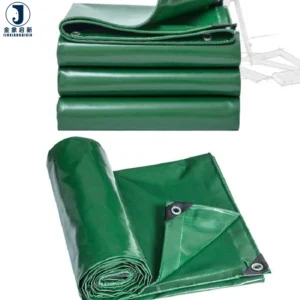
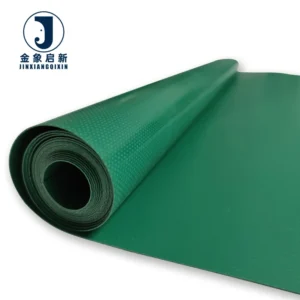
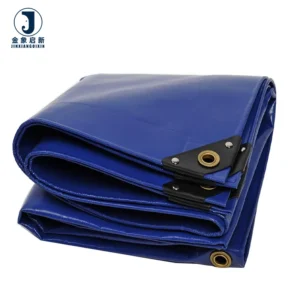
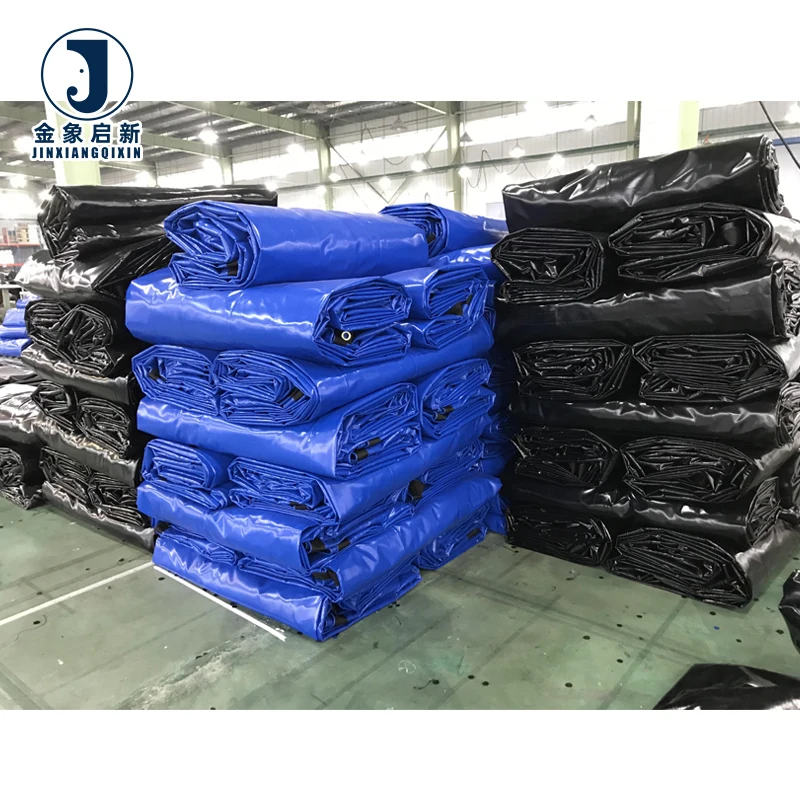
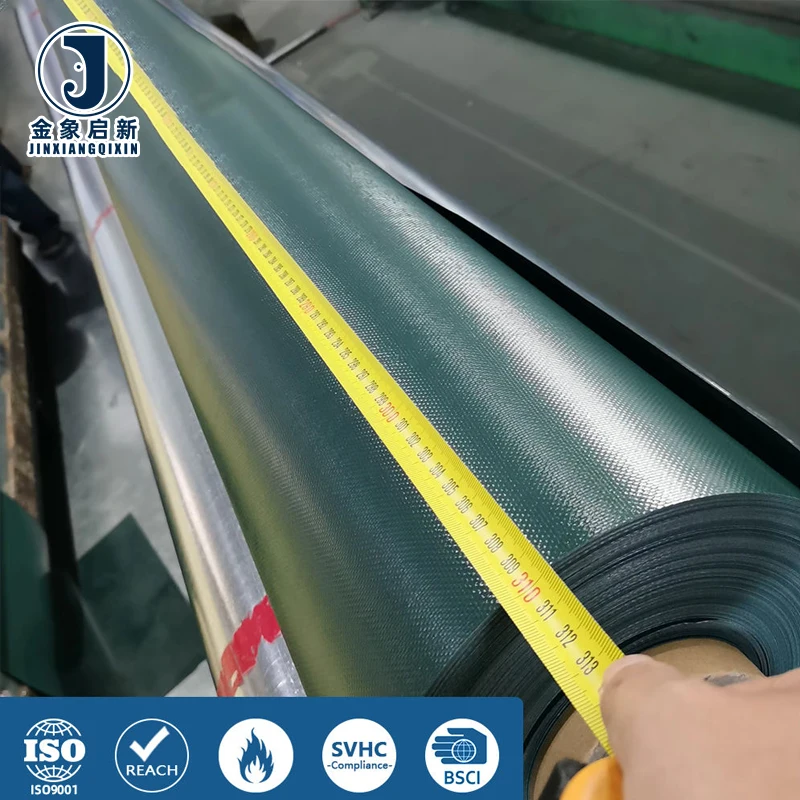
Verified Roll Weight — every 650 Gsm roll is weighed, recorded and cross-checked against the material specification sheet before leaving the production floor, eliminating the gap between quoted and delivered coating weight.
Technical Specifications
| Parameter | Value |
|---|---|
| Product Type | PVC Tarpaulin Roll |
| Weight | 650 Gsm |
| Coating Material | PVC |
| Waterproof Rating | Fully waterproof coated construction |
| Flame Retardant | Available in flame retardant grades — confirm the grade required for your market |
| UV Treatment | UV resistance available — request test report for specific application requirements |
| Anti-Mildew | Mildew proof |
| Chemical Resistance | Oil and stain resistance, acid and alkali resistance |
| Temperature Range | High temperature and cold resistance |
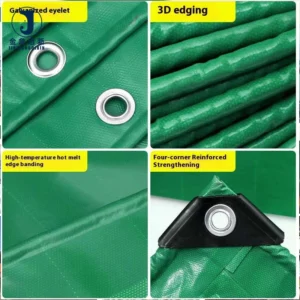
| Welding Options | HF, Hot Air, Sewing |
| Surface Property | Self-cleaning |
| Flexibility | Highly flexible, resistant to cracking |
| Tensile Strength | Excellent tensile resistance (test basis not stated in source) |
| Tear Strength | Excellent tearing resistance (test basis not stated in source) |
| Peel Strength | Excellent peeling resistance (test basis not stated in source) |
| Certifications | ISO, CE |
Application Suitability
| Application | Exposure & Requirement |
|---|---|
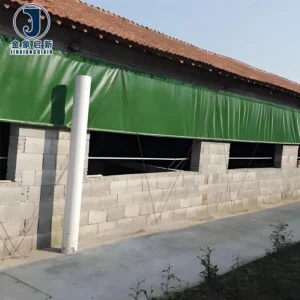
| Tent and awning fabric | Repeated assembly and disassembly, wind load stress, seasonal UV exposure, waterproofing demand |
| Tensile structures and shade systems | Permanent tension stress, solar heat buildup, long-term weather exposure, seam integrity under load |
| Portable storage structures | Wind-borne debris impact, internal humidity, temperature fluctuation, abrasion at frame contact points |
| Airport hangars and stadium roofs | Large-span tension, high wind uplift, strict fire safety requirements, self-cleaning for maintenance reduction |
| Truck and trailer side curtains | Constant flexing at folds, road spray and salt exposure, UV from parked orientation, abrasion at rail channels |
Why Batch Consistency Matters More Than Quoted GSM for Roll Buyers
A quoted 650 Gsm only protects you on paper — roll-to-roll weight variance is where procurement budgets and fabrication schedules quietly unravel.
When a container of PVC coated tarpaulin rolls arrives and individual rolls weigh lighter than the specification sheet promised, the fabricator downstream bears the cost through early field failures or rejected installations. I have seen wholesale buyers accept containers where individual rolls varied enough to cause visible stiffness differences once unrolled and welded side by side. The issue is rarely intentional short-weighting; it is more often a lack of per-roll weighing discipline at the production stage. [NEED_CITE: coating weight variance effects on coated fabric tensile performance per ISO 1421] A PVC Coated Tarpaulin Roll wholesale order must therefore be verified roll by roll, not just by the batch average stated on the packing list.
Roll-to-Roll Weight Control for Volume Fabricators
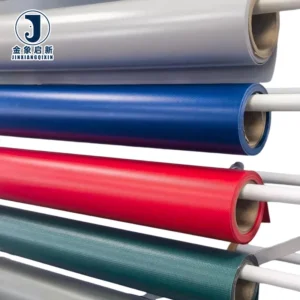
A PVC Coated Tarpaulin Roll wholesale buyer purchasing full container loads needs assurance that the 650 Gsm specification holds across every roll in the shipment, not just on the sample sent before the order. Each roll is individually weighed and recorded before packing, so the packing list reflects actual measured weight rather than a nominal target. This eliminates the scenario where a fabricator cuts into a roll midway through a project and finds the material noticeably lighter or stiffer than the previous one.
Colour Matching Across Production Batches
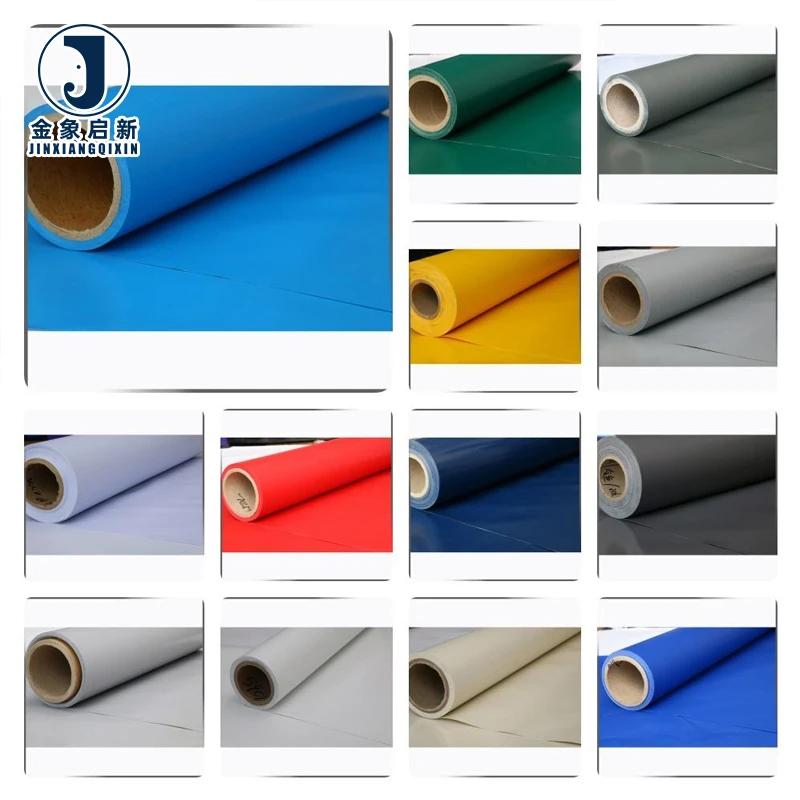
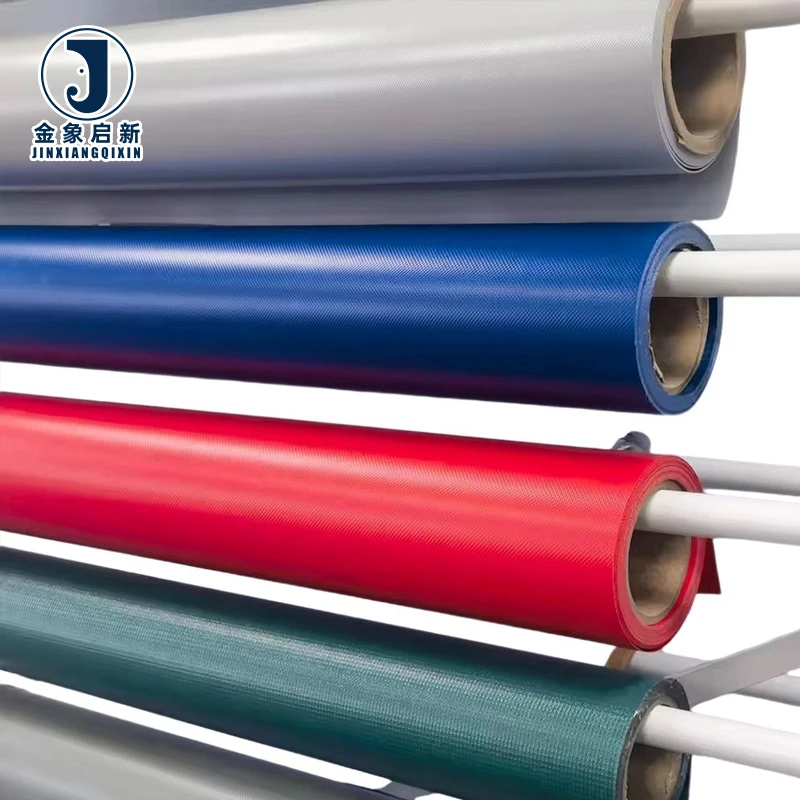
Colour shift between rolls in the same order becomes immediately visible when panels are installed adjacent to each other on a tensile structure or tent canopy. Dedicated QA/QC checks at the coating stage compare each batch against the approved colour reference before the roll proceeds to winding. This PVC Coated Tarpaulin Roll wholesale supply maintains batch consistency through controlled pigment dosing and curing temperature, reducing the risk of visible panel mismatch on finished installations. [NEED_CITE: colour matching standards for architectural coated fabrics]
Understanding the 650 Gsm Weight Specification
The 650 Gsm figure represents the total weight per square metre of the finished coated fabric, encompassing both the base polyester fabric and the PVC coating applied to each side. This weight class positions the material in the medium-to-heavy-duty range, suitable for structural applications where the fabric must carry sustained tension without excessive stretch. However, GSM alone does not determine strength — the denier of the base yarn and the weave density of the scrim layer are equally critical. A 650 Gsm fabric with a loosely woven base and thick coating may peel at the seams, while one with a tightly woven high-denier base and balanced coating will resist both tearing and delamination under load. The self-cleaning surface treatment reduces dirt accumulation on installed structures, lowering the frequency of manual washing required to maintain appearance.
The Hidden Cost of Unverified Coating Weight
When coating weight falls below specification, the fabric becomes more susceptible to cracking at fold lines during cold-weather installation, and welded seams may fail before the fabric body does. A tent manufacturer cutting hundreds of panels from a single batch cannot afford to discover mid-production that the material lacks the flexibility expected of a true 650 Gsm grade. Similarly, a distributor stocking rolls for resale faces customer complaints when the material performs inconsistently between orders. [NEED_CITE: weld strength versus base fabric strength in coated textile failure analysis] These are not hypothetical concerns — they represent documented failure modes in coated fabric applications where incoming material verification was insufficient.
Why Volume Buyers Source This Grade Here
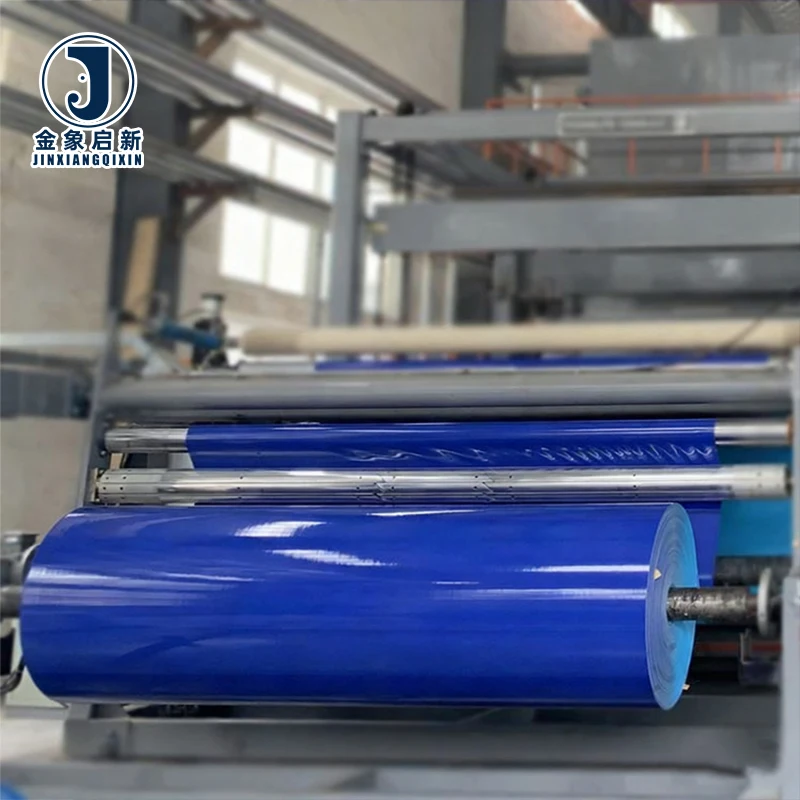
Three full production lines and 36 sets of professional equipment provide the capacity to fulfil container-load PVC Coated Tarpaulin Roll wholesale orders with reliable scheduling. A 10-person R&D team supports custom width, colour and printing requirements with samples developed within days rather than weeks. Dedicated QA/QC inspection covers every production stage, with 100% inspection before shipment ensuring no roll leaves the facility without weight and colour verification. Nearly 30 years of focused coated fabric production provides the process knowledge to control coating adhesion and weight consistency across long production runs. Pre-shipment inspection records and roll packing lists give wholesale buyers the documentation needed to verify their order on arrival without dispute.
Documentation & Verification
- Material specification sheet stating 650 Gsm, base fabric type and coating composition per production batch
- Roll packing list showing per-roll measured weight for GSM verification against the quoted specification at destination
- Pre-shipment inspection record confirming colour, weight and surface quality of every roll before container loading
- Test reports for UV and flame retardant grades where applicable, matched to the specific batch shipped
- Certificate of origin and customs documentation supporting international shipment clearance
Fabrication, Handling & Storage
- HF welding delivers the strongest seams on this 650 Gsm grade; adjust power settings to achieve full coating fusion without scorching the base fabric
- Hot air welding suits curved seams on tensile structures; maintain consistent travel speed to avoid cold spots on the self-cleaning surface
- Store rolls upright on end cores in a dry environment; laying 650 Gsm rolls flat for extended periods causes flat-spot creasing that shows through on light-coloured installations
- When sewing, use UV-resistant thread and seal needle holes with compatible PVC seam sealer to maintain waterproof integrity across stitched panels
- Cut panels with the self-cleaning surface facing up to reduce contamination of the weld area by workshop dust and oil residues
- Allow rolls acclimatise to workshop temperature before unrolling in cold weather; the high flexibility rating reduces cracking risk but does not eliminate it at extreme low temperatures
What to Specify in Your Enquiry
Provide the intended application and the environmental conditions the installed fabric will face — this determines whether standard or upgraded UV and flame retardant treatments are necessary. State your required roll width, preferred roll length and estimated annual volume so container loading can be optimised for your freight costs. If your project requires fire safety certification for a specific market or building code, name the standard so the correct grade is quoted from the outset.
Frequently Asked Questions
Q: How is 650 Gsm verified per roll before shipment?
A: Each roll is individually weighed on calibrated scales after winding. The measured weight is recorded on the roll label and cross-referenced on the packing list. This allows you to verify the actual GSM against the quoted specification immediately upon receipt, roll by roll, rather than relying on a batch average that may conceal individual shortfalls.
Q: How is colour consistency maintained across multiple rolls in one order?
A: Pigment batches are mixed in controlled quantities and matched against an approved reference before coating begins. During production, QA personnel check colour at intervals against the standard under controlled lighting. Rolls that drift outside the tolerance window are segregated before packing, ensuring your container contains only colour-matched material.
Q: What roll widths and lengths are available for container loading?
A: Standard and custom widths are available to suit your cutting patterns and minimise offcut waste. Roll lengths can be specified to optimise container weight and volume utilisation. Provide your target dimensions and order quantity so the loading plan can be calculated before production begins.
Q: Which welding method works best for tensile structure fabrication?
A: HF welding generally produces the strongest and most consistent seams on this 650 Gsm PVC coated fabric for structural applications. Hot air welding is suitable for complex curves and on-site repairs. Sewing is used where mechanical fastening is required, with seam sealing applied to maintain waterproof continuity across needle perforations.