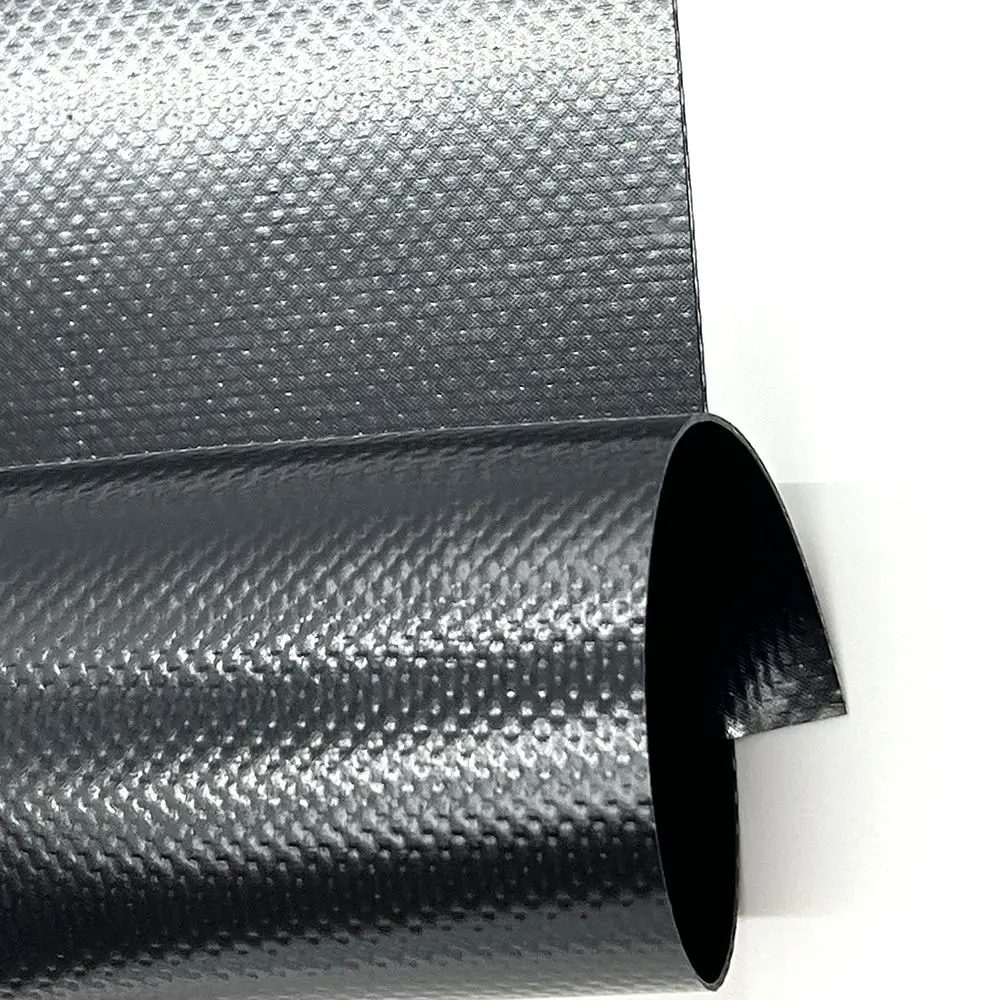
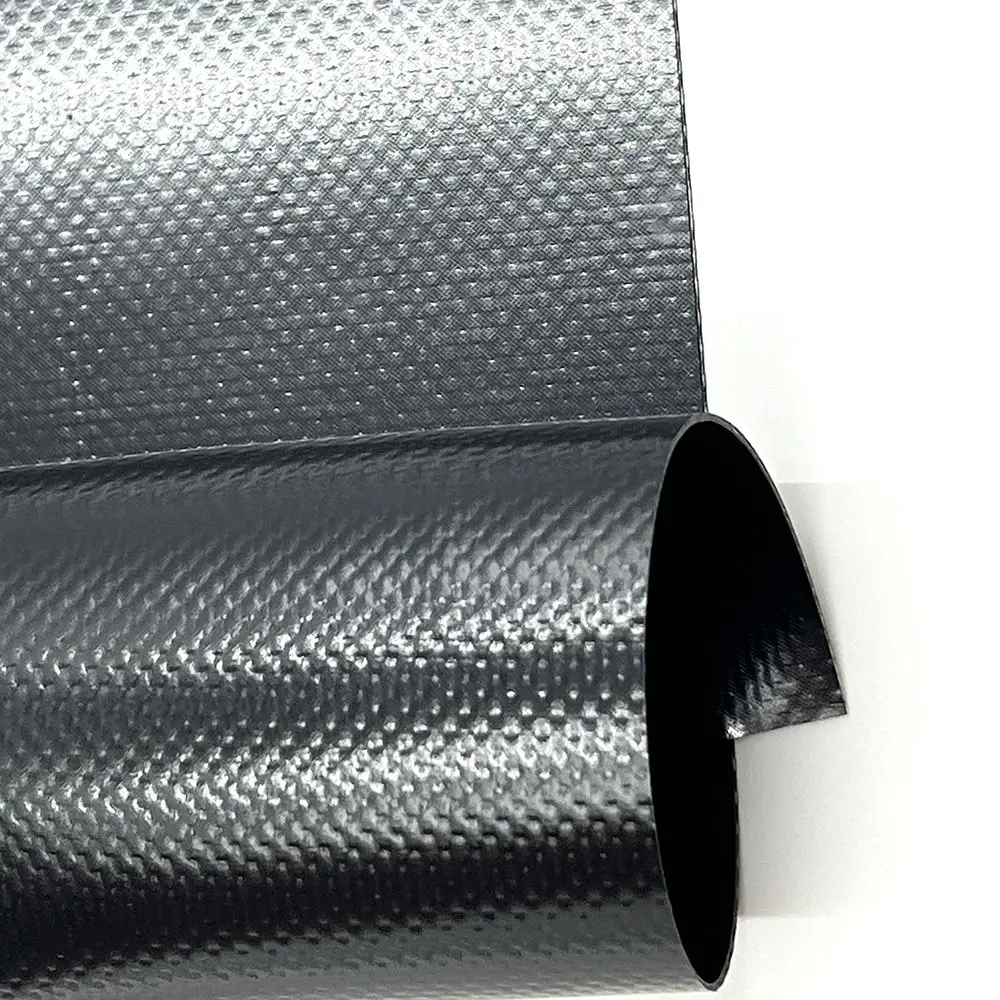
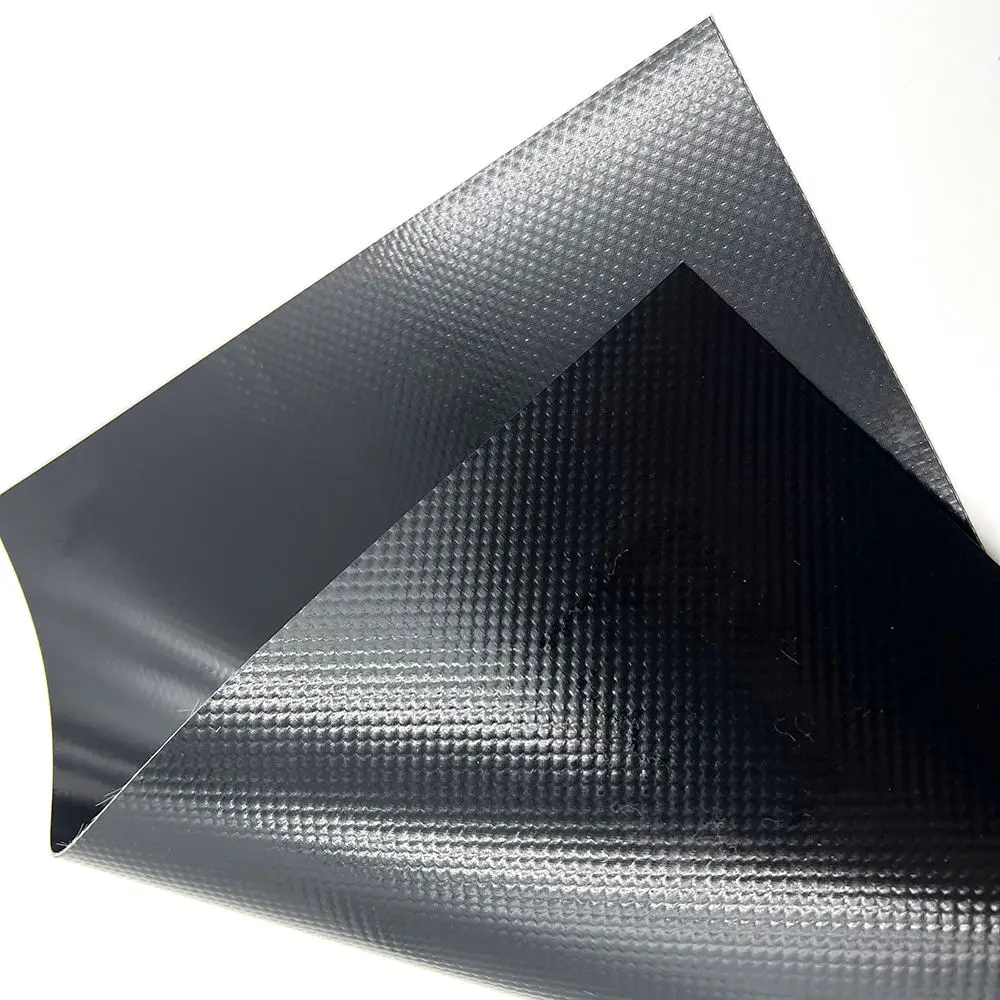
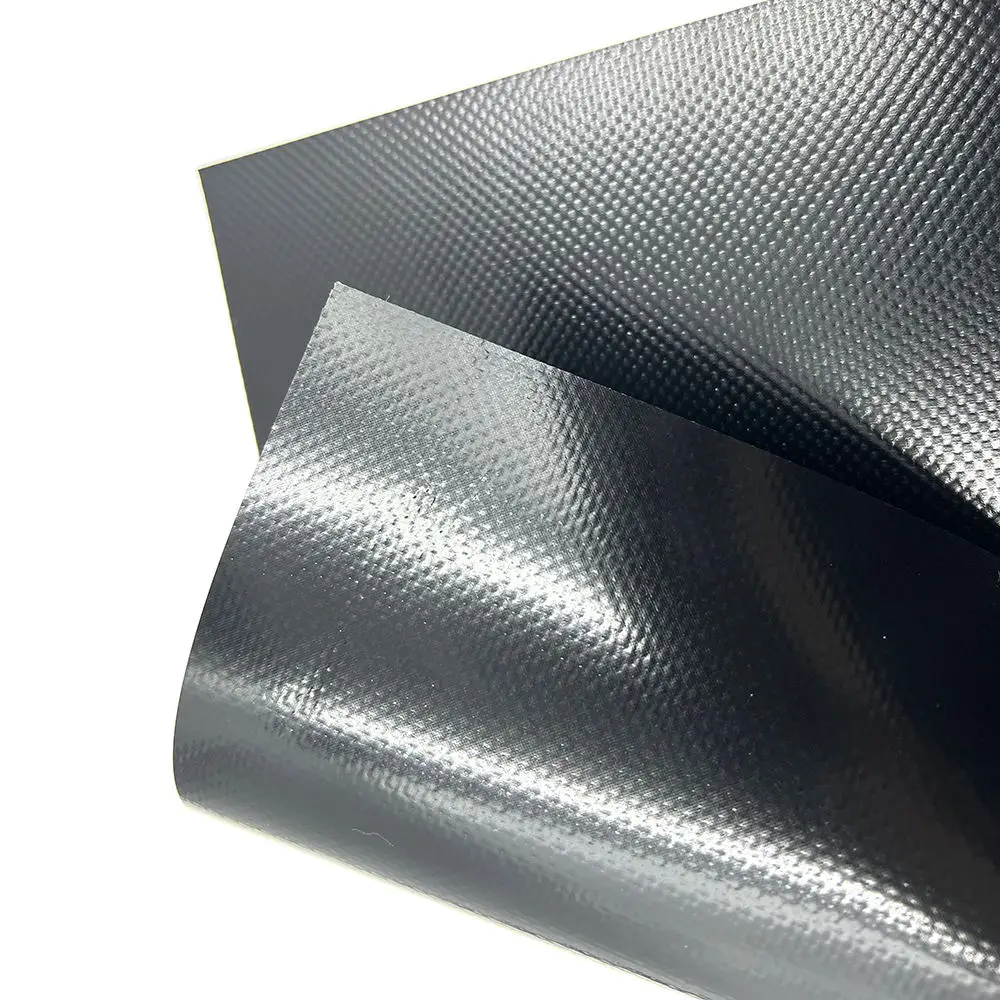
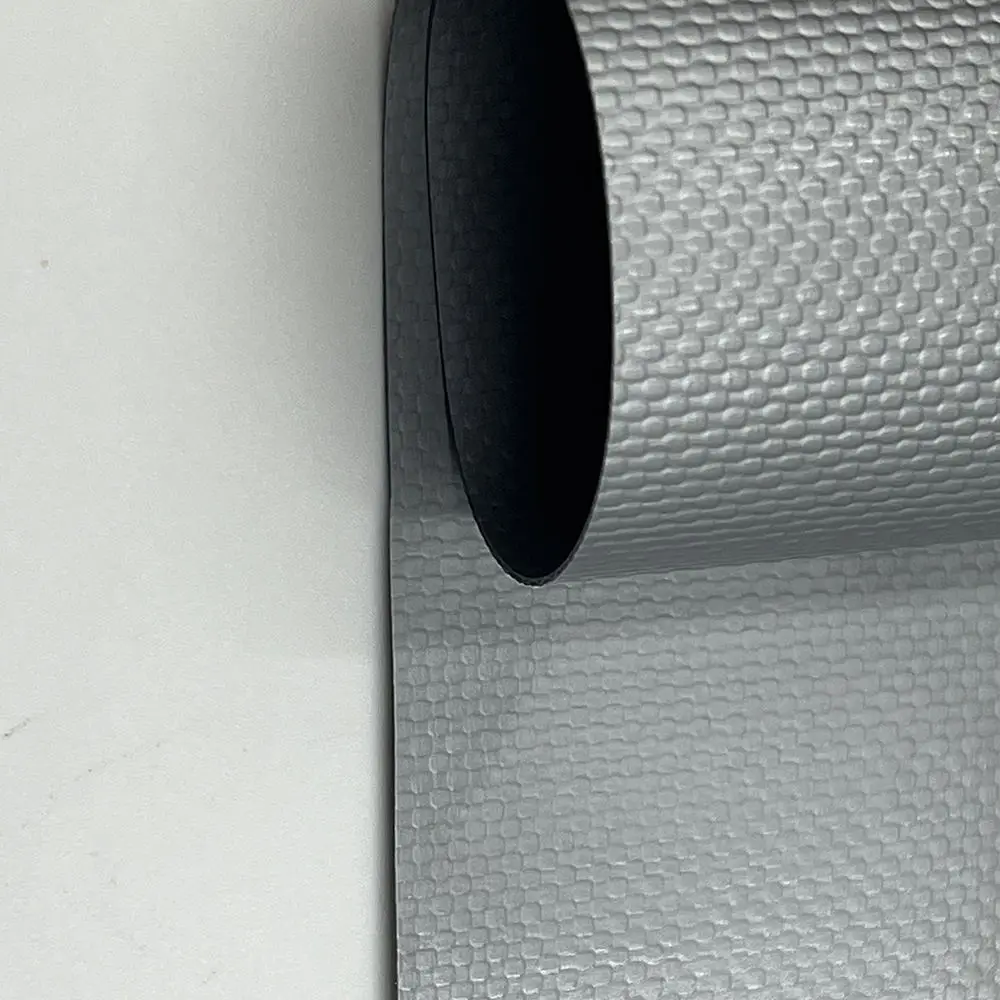
Description
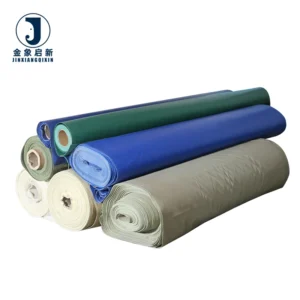
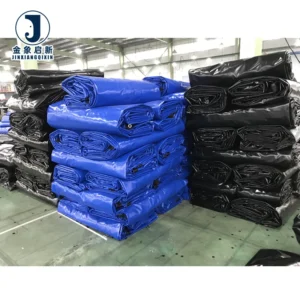
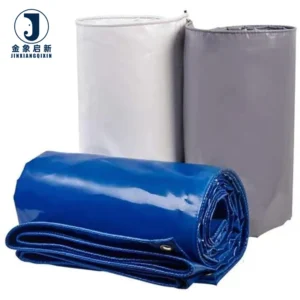
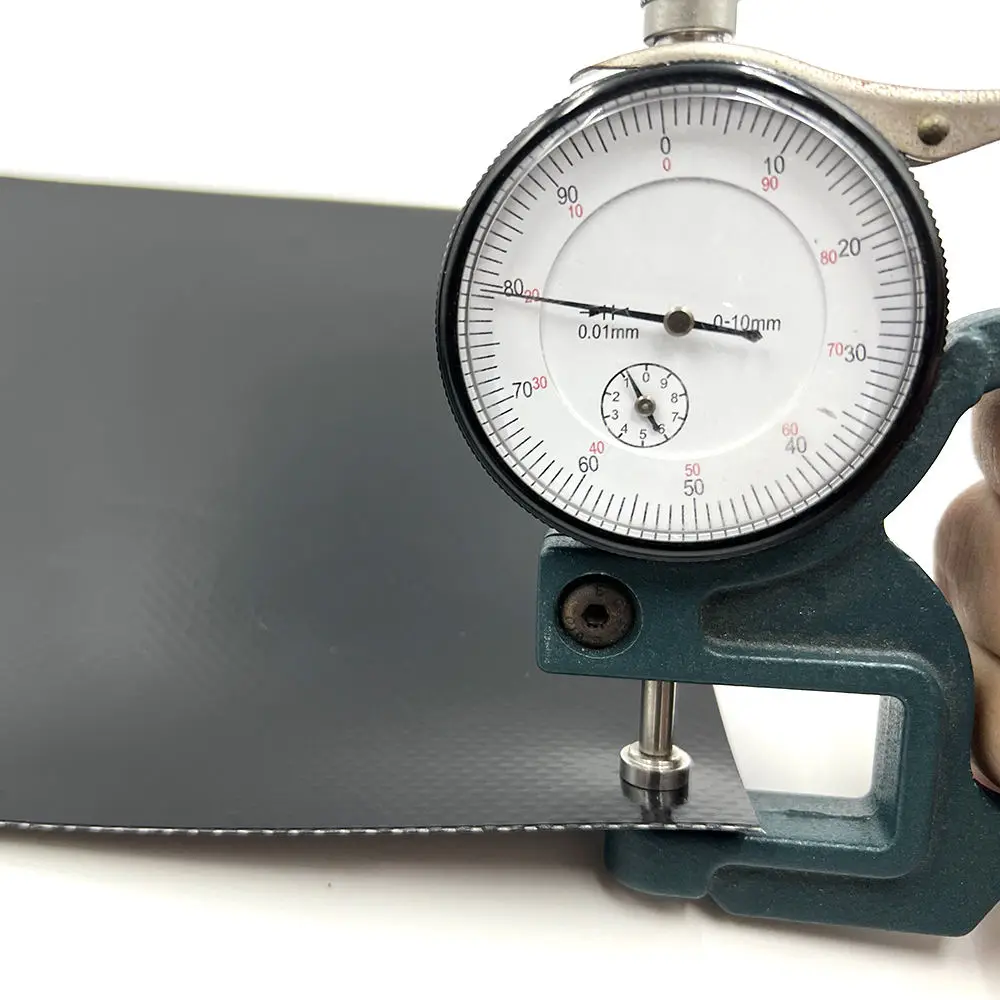
Roll-to-roll consistency — every batch undergoes 100% pre-shipment inspection with individual roll verification for GSM and colour reference before container loading.
Technical Specifications
| Parameter | Value |
|---|---|
| Product Type | PVC Knife Coated Tarpaulin Roll |
| Coating Method | Knife coated |
| Coating Material | PVC |
| Available Colour | Gray |
| UV Treatment | UV resistance (test basis not stated in source) |
| Flame Retardant Grade | Available in flame retardant grades — confirm the grade required for your market |
| Anti-Mildew | Mildew proof (test basis not stated in source) |
| Waterproof Rating | Fully waterproof coated construction |
| Welding Options | HF, Hot Air, Sewing |
| Additional Properties | Antibacterial, oil and stain resistance, acid and alkali resistance, anti-oxidation, weather resistance, self-cleaning |
Application Suitability
| Application | Exposure & Requirement |
|---|---|
| Tensile membrane structures | Permanent tension loads, wind uplift, UV exposure, panel welding at seams |
| Stadium architectural fabric | Long-span coverage, weather cycling, consistent colour across large visible areas |
| Shade systems and shading structures | Direct sun exposure, thermal expansion, colour consistency across adjacent panels |
| Portable storage structures | Repeated assembly and teardown, abrasion at frame contact points |
| Airport hangar covers | Wide clear-span fabric, wind loading, fire classification requirements |
| Large format technical textiles | Bulk cutting and welding, batch uniformity for multi-panel fabrication |
Why Colour Drift Across Rolls Derails a Membrane Project
Batch colour variation becomes visible the moment two rolls are installed side by side on a tensile canopy.
When a fabricator orders multiple rolls of PVC knife coated tarpaulin roll wholesale stock for a stadium roof or shade array, the panels cut from different rolls sit adjacent in the finished structure. Even a slight shade difference between rolls shows up under daylight and reflects poorly on the installer. This is not a defect in the coating chemistry — it is a process control gap at the production stage where pigment dosing, mixing time, or coating head temperature drifts between batches. [NEED_CITE: colour consistency testing methods for coated architectural fabrics per ISO standards] Fabricators who have experienced this know the cost of replacing installed panels far exceeds the cost of pre-shipment verification.
How Knife Coating Serves Tensioned Panel Fabrication
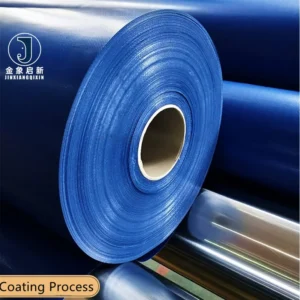
Knife coated PVC construction builds a continuous coating film directly onto the base fabric, producing a uniform surface that holds tension evenly across the panel. For fabricators producing tensile structures, the consistent coating adhesion supports predictable behaviour when panels are stretched into their final geometry. PVC knife coated tarpaulin roll wholesale supply in this configuration allows fabricators to plan panel layouts from roll stock with confidence in how the material will respond during installation and under sustained load.
Welding Compatibility Across Seam Configurations
Fabricators working on complex membrane geometries rely on multiple joining methods depending on seam location and stress direction. This roll stock supports high-frequency welding for clean, high-strength panel joins, hot air welding for curved or compound seams where continuous heat application is needed, and traditional sewing for reinforcement overlaps. [NEED_CITE: HF versus hot air weld strength comparison in PVC coated fabrics per ISO 1421] The self-cleaning surface property also means that weld lines on exposed architectural faces resist dirt accumulation, maintaining a uniform appearance over the structure’s service life.
Reading the Specification Sheet for Structural Fabric Selection
The knife coated method produces a coating layer that bonds directly to the yarns, which influences both adhesion strength and how the fabric behaves under biaxial tension — critical for tensile structures where panels carry load in both warp and weft directions simultaneously. The fully waterproof PVC construction ensures membrane integrity under rain exposure without secondary coatings. Antibacterial and mildew proof treatment addresses environments where humidity promotes biological growth on fabric surfaces, particularly relevant for enclosed portable storage or hangar applications. The oil, stain, acid and alkali resistance extends the range of environments where the fabric can be specified, from industrial storage to agricultural shade structures. UV resistance is included as a treatment — buyers specifying for long-term outdoor architectural use should request the test basis to confirm suitability for their climate zone and exposure duration.
The Hidden Cost of Skipping Pre-Shipment Roll Verification
When a container of roll stock arrives at the fabricator’s workshop and the GSM does not match the quotation, the material may lack the tensile capacity needed for the designed panel spans. Fabricators who discover weight variance after cutting have already committed the rolls to a project timeline. Similarly, when flame retardant documentation is requested by a building inspector after installation and the supplier cannot produce a grade-specific test report, the entire structure may face compliance delays. [NEED_CITE: fire classification documentation requirements for tensile building membranes] Batch colour inconsistency discovered post-installation forces selective panel replacement, which disrupts the project handover schedule and damages the fabricator’s reputation with the end client.
What This Supply Chain Delivers to Roll Buyers
Three full production lines and 36 sets of professional equipment support bulk roll output with stable lead times, so fabricators can plan container loading around their project schedules. The 10-person R&D team develops samples within days when custom colour matching or width adjustments are needed before a full production commitment. Dedicated QA/QC runs at every production stage with individual roll checks for GSM and colour consistency documented before dispatch. The coating process control built over nearly three decades of PVC fabric production ensures that adhesion strength and coating weight remain within specification across the full order. Export documentation and customs support packages are prepared per shipment, reducing clearance delays at the destination port.
Documentation & Verification
- Material specification sheet stating GSM, base fabric, coating weight and gray colour reference for each roll order
- Pre-shipment inspection record with roll-by-roll GSM and colour check before loading
- Roll packing list with exact roll count, weight and dimensions for container planning
- UV and flame retardant test reports matched to the quoted grade where applicable
- Certificate of origin and customs documentation prepared per destination country requirements
Fabrication, Handling & Storage
- HF welding parameters should be tuned to the knife coated PVC layer thickness for consistent seam strength
- Hot air welding suits curved seams on tensile panels where continuous heat follows the curve geometry
- Sewn reinforcement overlaps should use UV-stable thread compatible with the coated surface
- Store rolls horizontally on racking to prevent flat spots and permanent creasing across the width
- Unroll in ambient temperature conditions to avoid cracking the PVC coating in cold environments
- Clean surfaces with mild detergent only — solvent-based cleaners may damage the self-cleaning finish
What to Include in Your Inquiry
Specify the intended structure type and span dimensions so that the appropriate GSM grade and base fabric construction can be recommended for the tension loads involved. State the flame retardant classification required by your local building code to ensure the correct treatment grade is applied and documented. Provide the roll width and annual volume you need so that stock availability and container loading can be confirmed with lead times. If colour matching to a specific RAL or Pantone reference is required, request a sample roll for approval before the production run is committed.
Frequently Asked Questions
Q: How do I verify GSM on arrival against the quoted specification for each roll?
A: Every roll is weighed and measured during 100% pre-shipment inspection, and the results are recorded on the inspection report shared before dispatch. On arrival, you can verify by cutting a measured sample from the roll end and weighing it. Any variance from the specification sheet should be flagged immediately with the inspection report as reference.
Q: What controls ensure colour consistency roll-to-roll within the same shipment?
A: Pigment batches are mixed to a single formulation for the full order, and individual rolls are compared against the approved colour reference during pre-shipment inspection. Rolls that deviate from the reference are pulled before loading. The inspection record documents the colour check result for every roll in your shipment.
Q: Which welding method is recommended for knife coated PVC at different seam stress levels?
A: High-frequency welding delivers the highest seam strength for primary structural joins under sustained tension. Hot air welding suits curved seams and field repairs where equipment portability matters. Sewing with sealed stitch lines works for non-structural overlaps. Sample weld testing is available before bulk production to confirm the best method for your panel design.
Q: How are custom widths, roll lengths and minimum order quantities handled?
A: Custom widths and lengths are available subject to a sample approval step before the production run. Minimum quantities depend on the width and colour specification requested. Submit your target dimensions and annual volume, and the team will confirm the production window, container loading plan and sample timeline for your approval.
Q: What UV resistance test basis is available for outdoor architectural specification?
A: UV resistance is included as a standard treatment on this roll stock. The specific test method and exposure duration rating depend on the grade produced. Request the test report for your batch to confirm it meets the climate exposure requirements of your project location before finalising the material specification.