Description
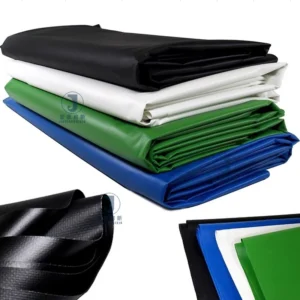
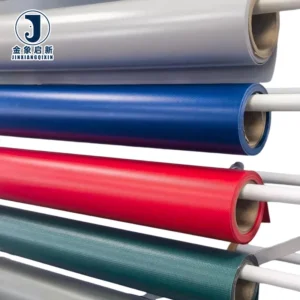
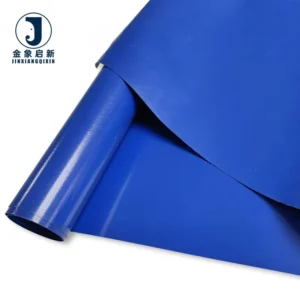
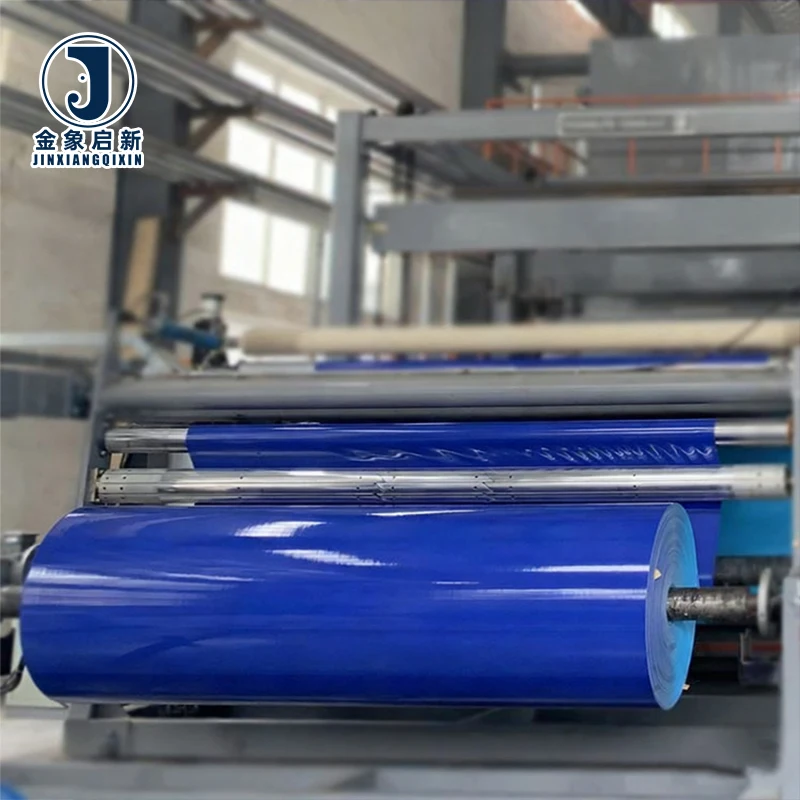
Verified Roll-to-Roll Consistency — every batch of PVC Tarpaulin Roll ships with pre-shipment GSM verification and colour-matched documentation so your inventory stays uniform from first roll to last.
Technical Specifications
| Parameter | Value |
|---|---|
| Product Type | PVC Coated Tarpaulin Roll |
| Weight (GSM) | 350 GSM – 900 GSM |
| Total Thickness | 0.29 mm – 0.65 mm |
| Base Fabric Yarn Count | 500D×840D / 500D×1000D / 1000D×1000D / 1000D×1300D / 1300D×1300D / 1000D×2000D |
| Weave Density | 20×20 / 30×19 / 30×15 |
| Warp Tensile Strength | 1650 N – 3900 N |
| Weft Tensile Strength | 1600 N – 3500 N |
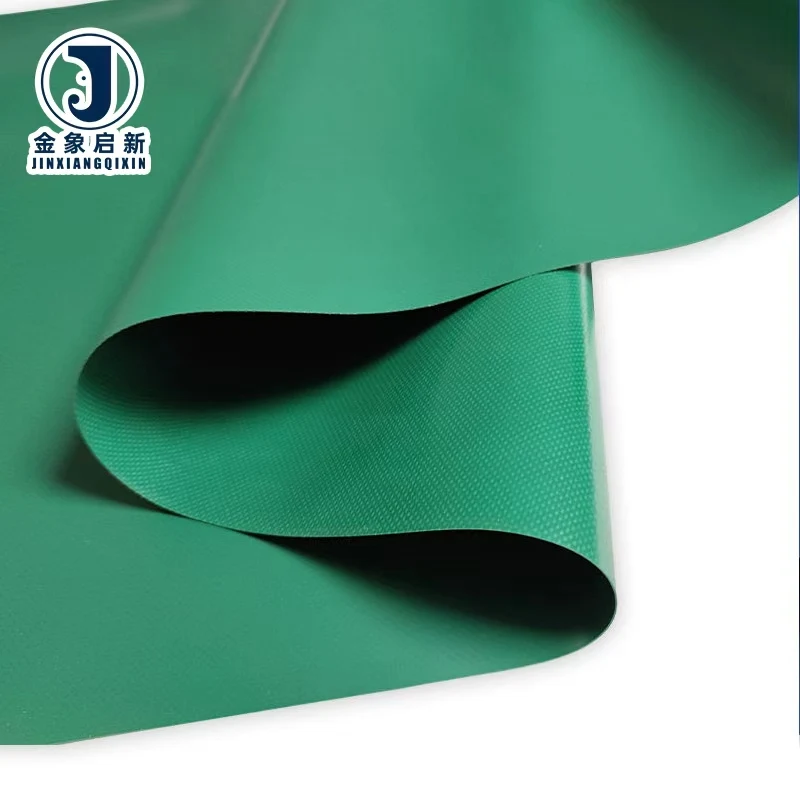
| Coating Material | Polyester base fabric + double-sided PVC coating |
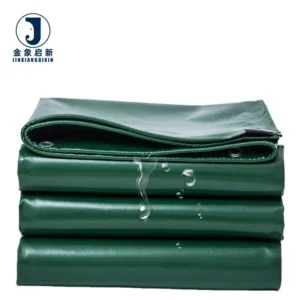
| Surface Finish | Smooth, leather-like texture |
| Flame Retardant | Available in flame retardant grades — confirm the grade required for your market |
| UV Treatment | Anti-UV (test basis not stated in source) |
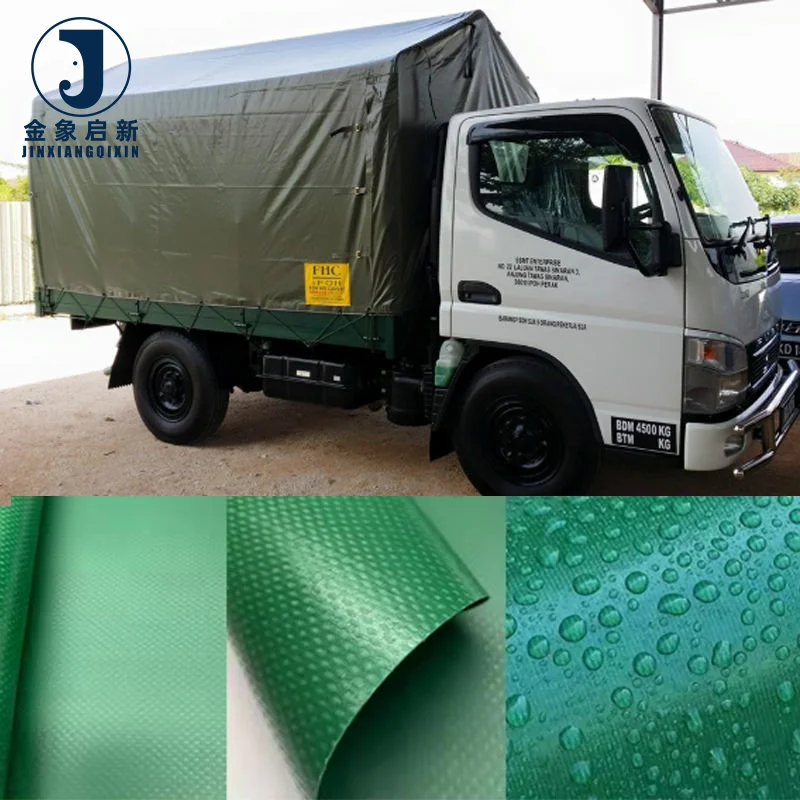
| Key Features | Water resistant, waterproof |
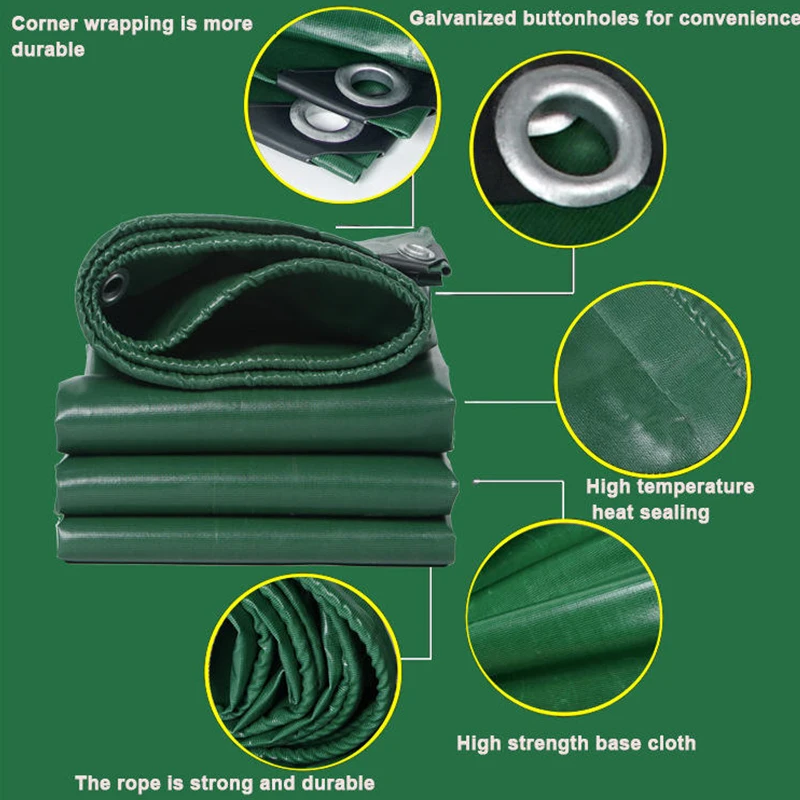
| Edge Construction | High-temperature heat-sealed seamless edge wrapping |
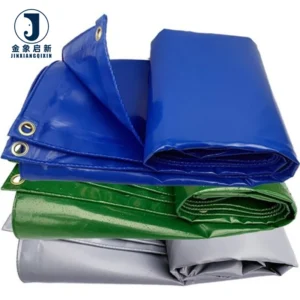
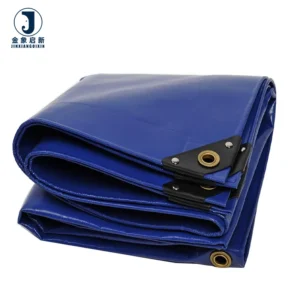
| Eyelet Options | 3 cm enlarged aluminum alloy buttonhole, custom spacing |
| Reinforcement | Reinforced corners on all sides |
| Rope | 5 mm thick rope without splicing |
| Brittle Temperature | ≤ −50 to −60 °C |
| Softening Temperature | ≥ 80 °C |
| Melting Point | 212 °C |
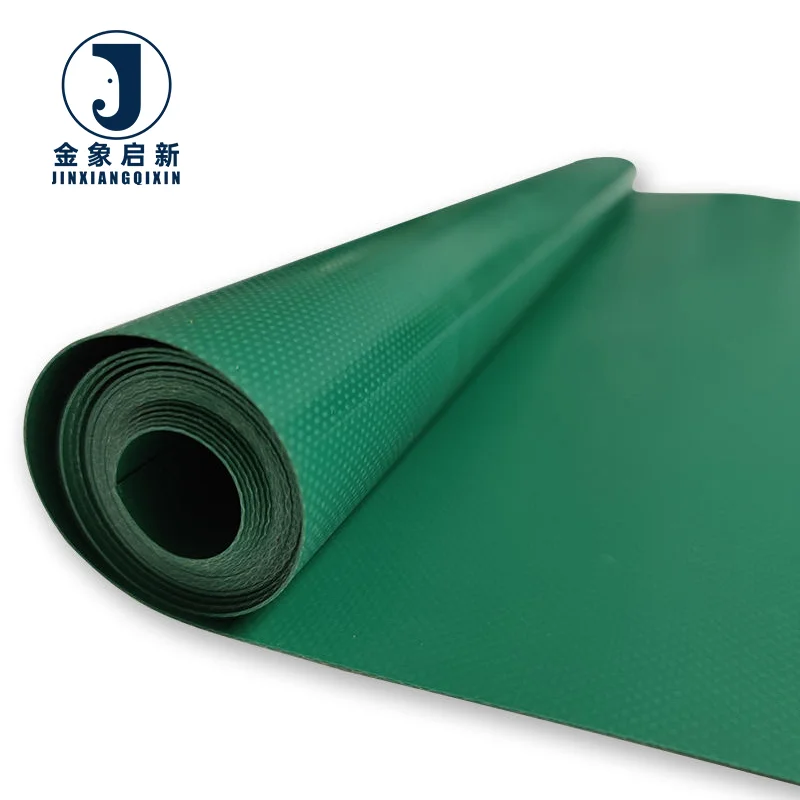
| Package | Roll packing / bale packing / carton |
| Standards | ISO, CE |
Application Suitability
| Application | Exposure & Requirement |
|---|---|
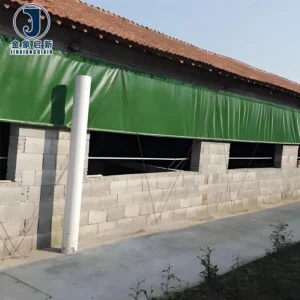
| Truck and trailer side curtains | Constant flexing at load points, road abrasion, UV exposure, weather sealing |
| Construction site and equipment covers | Prolonged outdoor exposure, wind load, puncture from sharp edges |
| Awning and tent fabrication | Repeated folding, UV stability, colour consistency across panels |
| Container roof covers | Standing water, thermal cycling, wind uplift tension |
| Agricultural and garden covers | Moisture contact, chemical exposure from fertilisers, seasonal storage |
Why Colour Shifts Between Rolls Cost More Than the Fabric Itself
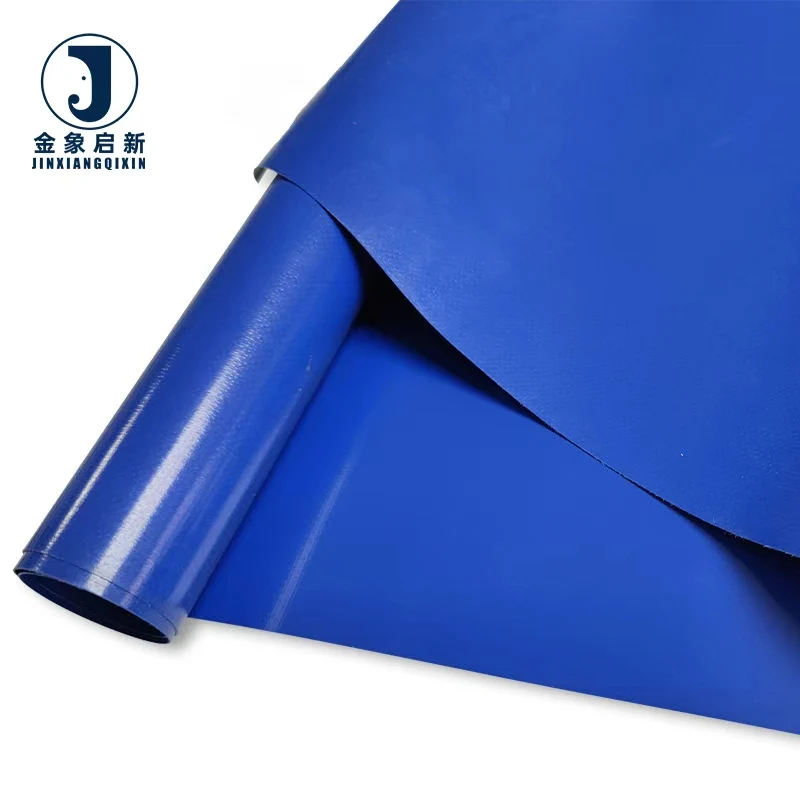
When a distributor unloads a container of PVC Tarpaulin Roll wholesale stock and finds two rolls beside each other on the rack showing visibly different shades, the entire batch faces return claims from downstream buyers. Batch-to-batch colour control is a process discipline, not a lucky outcome.
PVC coated fabrics absorb pigment differently depending on coating temperature, mixing order, and resin lot. A shift as small as one Delta-E unit can be visible when two panels hang side by side on a truck curtain or awning frame. Fabricators who cut from mismatched rolls absorb rework cost and delay their own deliveries [NEED_CITE: colour measurement standards for coated textiles per ISO 105 series].
Roll-to-Roll Uniformity for High-Volume Buyers
Distributors importing container loads of PVC Tarpaulin Roll wholesale stock need every roll to meet the same GSM and colour reference stated on the purchase order. Our production runs hold coating weight within a tight tolerance across the full roll length, verified at multiple checkpoints before winding. This means your downstream customers receive the same material performance whether they buy their first roll or their fiftieth from your warehouse.
Container Loading Efficiency for Bulk Shipments
Stocking PVC Tarpaulin Roll wholesale inventory means balancing roll count, weight, and cube inside a standard container. Rolls are packed in roll packing, bale packing, or carton configurations depending on the grade and destination port requirements. A detailed packing list accompanies every shipment, listing exact roll count, individual roll dimensions, and net weight so your logistics team can plan unloading and warehouse placement before the container arrives [NEED_CITE: container loading configurations for coated fabric rolls].
Choosing the Right Denier for the End Use
The base fabric denier directly determines how the roll performs once it leaves your warehouse and enters a fabricator’s shop. A 500D×840D construction suits lighter covers and temporary shelters where flexibility matters, while a 1300D×1300D or 1000D×2000D construction provides the tensile reserve needed for truck side curtains that flex under load daily. Matching denier to application prevents over-specifying on weight while under-specifying on strength.
Understanding GSM, Denier, and Weave Density Together
GSM alone does not predict how a PVC Tarpaulin Roll will perform in service. A 650 GSM roll built on a 500D×1000D base with a 20×20 weave will tear more easily than a 650 GSM roll on a 1000D×1000D base at 30×19 density, because the heavier yarn and tighter weave distribute stress across more fibre intersections. Coating weight adds to GSM but contributes little to tear resistance — it primarily governs waterproofing, surface durability, and heat-seal behaviour. Buyers who specify only on GSM risk receiving a roll that feels heavy on the scale yet fails prematurely at flex points. The interplay between yarn count, weave density, and coating thickness is where real material selection happens, and sample testing under actual fabrication conditions confirms the right combination [NEED_CITE: tensile and tear test methods for coated fabrics per ISO 1421].
The Hidden Cost of Specifying on Price Per Kilogram Alone
When purchasing decisions focus only on cost per kilogram, suppliers compensate by reducing coating weight while keeping base fabric thin — the roll hits the quoted GSM through heavier yarn with less coating, or lighter yarn with excess coating that cracks at fold lines. Either scenario produces PVC Tarpaulin Roll stock that looks correct on the purchase order but fails in the field or on the fabrication table. Weld seams peel, colour fades unevenly, and fabricators blame your distribution brand rather than the mill. Verified GSM with documented coating-to-base ratio removes this guesswork and protects your market reputation [NEED_CITE: coating adhesion test methods for PVC tarpaulins].
Why Distributors Source Their PVC Tarpaulin Roll Wholesale Stock Here
Nearly 30 years of focused coated fabric production gives deep process control over coating weight and adhesion across every roll in a batch. Three full production lines and 36 sets of equipment support bulk container volumes without sacrificing lead-time reliability. A dedicated 10-person R&D team handles custom width, colour matching, and sample development within days rather than weeks. QA/QC checkpoints at every production stage with 100% pre-shipment inspection catch GSM deviation and colour drift before rolls are packed. Every dispatch includes the documentation your compliance and logistics teams need — no chasing for certificates after the goods have sailed.
Documentation & Verification
- Material specification sheet stating GSM, base fabric denier, and coating composition per roll batch
- Pre-shipment inspection record with verified weight and colour reference for each roll
- Roll packing list detailing roll count, dimensions, and net weight for customs clearance
- UV and flame retardant test reports provided for treated grades where applicable
- Certificate of origin and customs documentation for destination-country import requirements
- ISO and CE certificates supporting quality management claims
Fabrication, Handling & Storage
- Heat-seal temperature should match the PVC coating thickness — 0.29 mm rolls need lower dwell time than 0.65 mm grades
- Aluminum alloy eyelets at 3 cm diameter distribute load on high-tensile base fabric constructions
- Store rolls upright on pallets to prevent flat spots that cause tracking issues during unrolling
- Allow cold-stored rolls to reach ambient temperature before unrolling to avoid coating micro-cracking
- Cut panels from the same roll batch to maintain colour uniformity across a finished cover or curtain
- Use compatible PVC-based adhesives for field repair to ensure bond strength matches the coating chemistry
What to Include in Your Inquiry
Tell us the target GSM range, the base fabric denier suited to your end use, and the standard roll widths your market demands. Specify whether you need flame retardant or anti-UV treatment and which certification your destination market requires. Share your annual volume estimate and preferred packing method so we can quote container loading accurately. Request a sample roll if colour matching or fabrication testing is needed before committing to bulk.
Frequently Asked Questions
Q: How is GSM verified before shipment and what tolerance applies?
A: Each roll is weighed and measured during pre-shipment inspection, with results recorded against the quoted specification. The inspection report accompanies the shipment so you can cross-check on arrival. We hold coating weight within a controlled tolerance across the production run and document any variation on the packing list.
Q: Can I get consistent colour across multiple rolls in one order?
A: All rolls in a single order are produced from the same coating batch with matched pigment reference. A colour check is performed at winding and recorded on the inspection sheet. If your downstream customers require panels hung side by side, we recommend ordering the full project quantity in one production run.
Q: What standard widths and roll lengths are stocked, and what are the minimums for custom dimensions?
A: Standard widths cover common market requirements for truck covers, awnings, and general-purpose tarpaulins. Custom widths and non-standard roll lengths are available with sample development completed within days. Minimum order quantities for custom dimensions depend on the specific width and colour requested.
Q: How are rolls packed for container loading to prevent transit damage?
A: Rolls are packed in roll packing, bale packing, or carton depending on grade and buyer preference. Each roll is wrapped to protect the coating surface, and pallets are secured inside the container to prevent shifting during ocean transit. The packing list details roll count and weight for unloading planning.