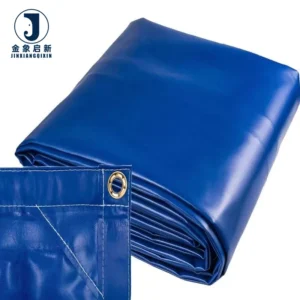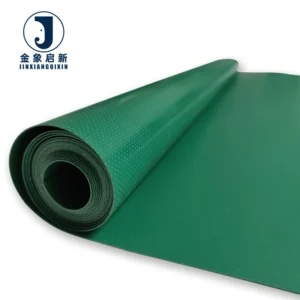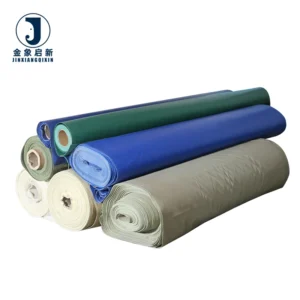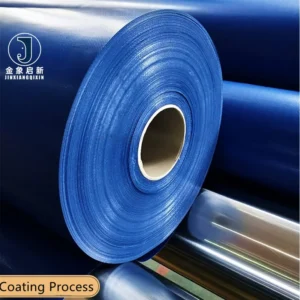
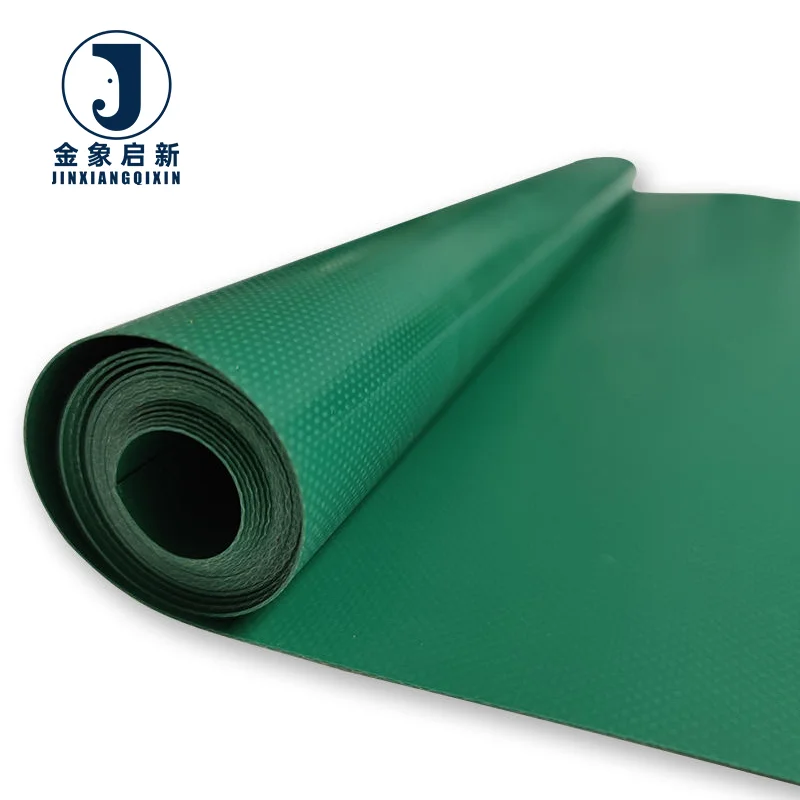
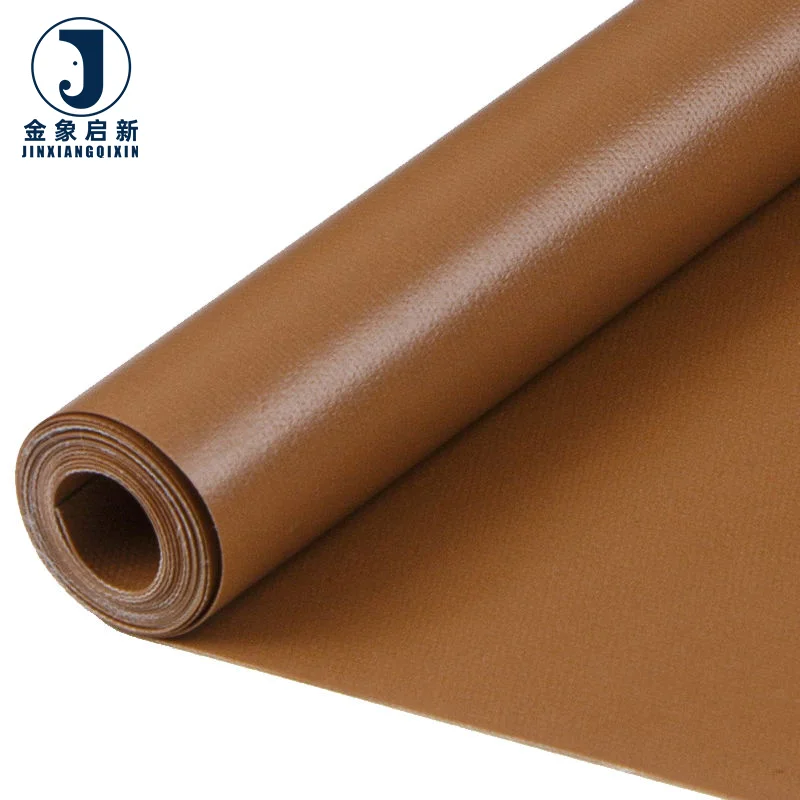
Description
Verified Roll-to-Roll Weight — every PVC tarpaulin roll is weighed and measured against its stated GSM on the production line before packing, so container loads arrive with consistent thickness and coating density across every roll.
Technical Specifications
| Parameter | Value |
|---|---|
| Product Type | PVC Tarpaulin Roll |
| Base Fabric | HDPE weaving (source value — verify against manufacturer catalog) |
| Coating Material | LDPE lamination on both sides (source value — verify against manufacturer catalog) |
| Weight (GSM) | 50gr/m² ~ 220gr/m² available (range covers product family — confirm the grade for this item) |
| Total Thickness | 0.2–0.4mm / 8 mil–16 mil |
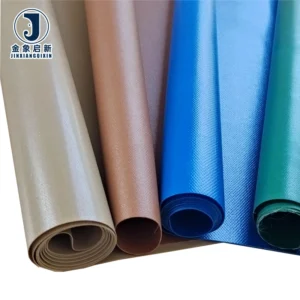
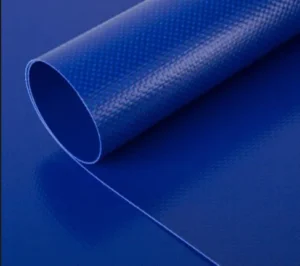
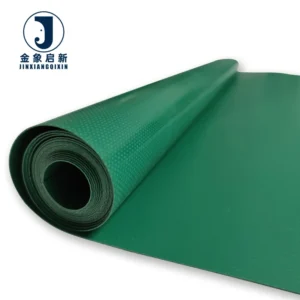
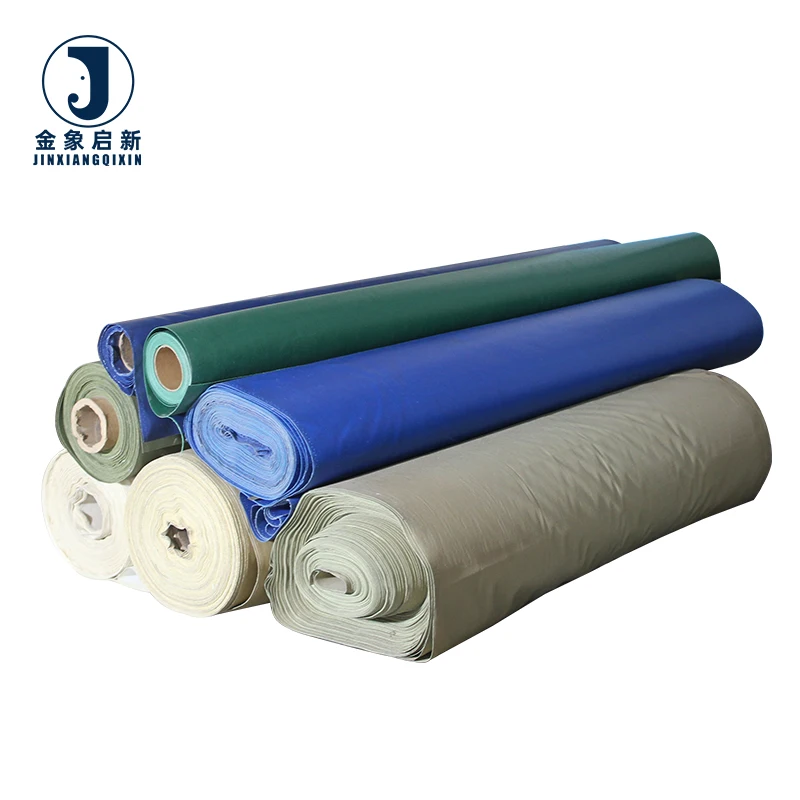
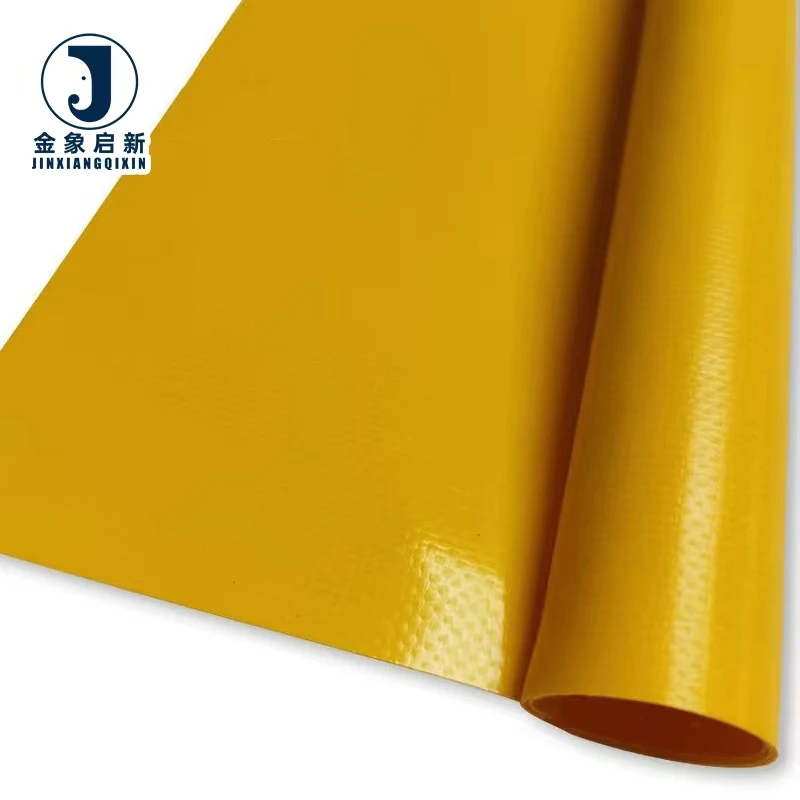
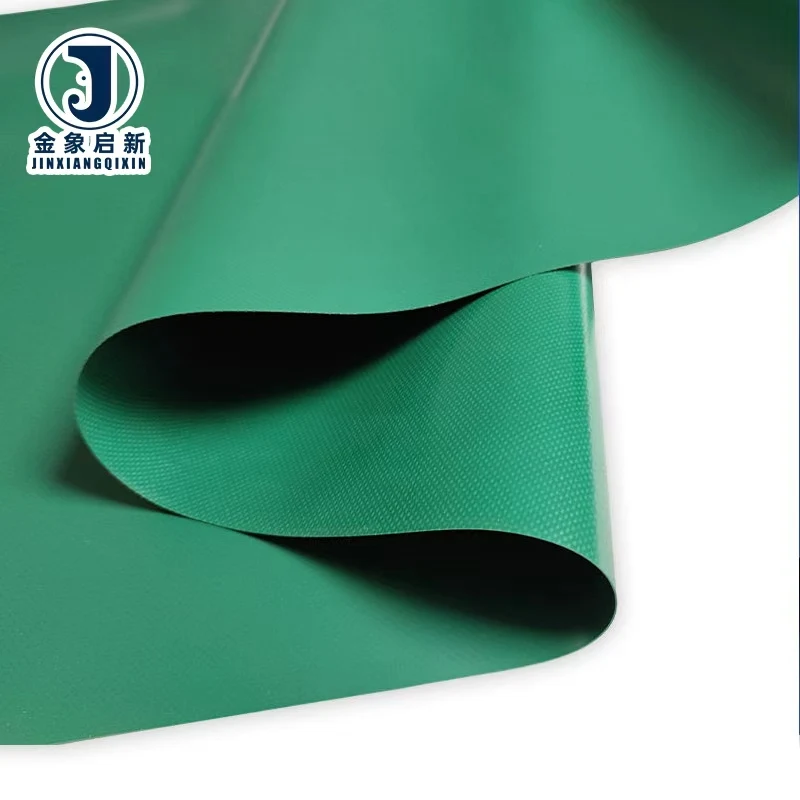
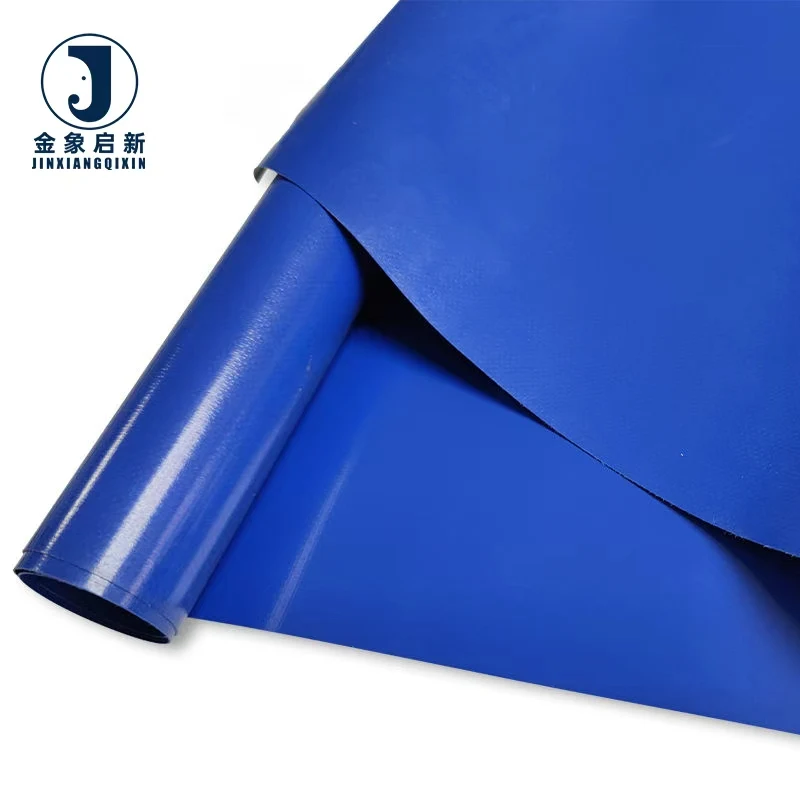
| Colour Options | Blue, Blue/Orange, Green, Grey, Black, Clear, Grey/Green, Orange, or custom colour |
| Waterproof | Yes |
| UV Treatment | Available (test basis not stated in source) |
| Anti-Mildew | Yes |
| Custom Printing | Accepted |
| Key Features | Waterproof, washable, tear resistant, weather proof, sunproof, mildew proof, anti-aging |
| Standards | ISO, CE |
Application Suitability
| Application | Exposure & Requirement |
|---|---|
| Tent and awning fabrication | Prolonged sun exposure, repeated assembly and teardown, rain and wind loading on seams |
| Tarpaulin distributor stock for resale | Batch-to-batch colour matching, roll consistency for local converting and slitting |
| Agricultural and aquaculture covers | Moisture contact, organic debris, mildew risk in humid climates |
| Outdoor event and canopy structures | UV load, flex at ridge poles, requirement for clean visual appearance across panels |
Why Consistent GSM Across Rolls Determines Your True Cost Per Square Metre
A quotation lists the GSM, but the rolls that land in your warehouse may not match — and that gap silently inflates your cost per usable square metre.
When a container of PVC tarpaulin roll wholesale stock arrives with rolls that are lighter than the agreed specification, the fabric has less coating mass and a thinner protective layer than you sold to your customers. [NEED_CITE: coated fabric weight deviation and its effect on tensile and tear performance per ISO 1421] Distributors who convert bulk rolls into cut sizes find that underweight material tears more easily during eyeletting and hemming, generating waste that erodes margin. Buyers who install multiple rolls side by side on awning frames or tent roofs notice shade variation immediately when one roll has a thinner coating and therefore transmits light differently.
Maintaining Colour and Weight Uniformity Across a Full Container
A container load of PVC tarpaulin roll wholesale stock typically holds dozens of rolls that must match each other in shade and coating weight when a fabricator cuts them into panels and welds them together. Achieving this uniformity starts at the coating stage, where the PVC or PE compound is metered onto the base fabric at a controlled rate. Any drift in line speed or compound viscosity between production runs produces rolls that feel different to the hand and behave differently under heat welding.
How Roll Width and Length Drive Converting Yield
Fabricators buying PVC tarpaulin rolls for tent and awning production calculate their cutting layout around the roll width and length. A wider roll reduces the number of longitudinal weld seams in a large canopy, cutting labour and eliminating potential leak paths. Longer rolls mean fewer changeovers on the cutting table. [NEED_CITE: fabric yield and waste calculation for coated roll stock converting] Suppliers who keep standard widths in stock shorten lead times, while custom widths allow fabricators to optimise panel dimensions for specific tent and awning models.
Reading the Specification Sheet Beyond the GSM Number
The GSM figure tells you the total mass per square metre but not how that mass is distributed between base fabric and coating. A roll with a heavy coating and a light base fabric may feel substantial but tear easily along the warp because the yarn density is low. Conversely, a roll with a tight HDPE weave and a moderate coating layer delivers better tear propagation resistance even at a lower overall GSM. Thickness, measured in millimetres or mils, gives a secondary check — a 0.4mm roll at 180gr/m² has a different coating-to-fabric ratio than a 0.2mm roll at the same weight. UV treatment, where applied, must be verified by a test report matched to the batch, because additive concentration degrades over time if the compound sits in storage before coating.
The Hidden Cost of Specifying on Price Alone
When procurement decisions focus only on the lowest per-kilogram price, the rolls that arrive often sit at the thin end of the GSM tolerance band. [NEED_CITE: coating weight tolerance in laminated tarpaulin production] A fabricator converting these rolls into truck covers or pond liners discovers that the welded seams fail before the fabric itself does, because the coating layer is too thin to fuse properly under hot air or wedge welding. In awning applications, underweight rolls show premature chalking and colour fade on the side of the structure that faces direct sun, forcing the end user to file a warranty claim against the fabricator, not the mill.
Why Sourcing PVC Tarpaulin Rolls Through Jinxiang Works
Three full production lines and 36 sets of professional equipment support bulk roll output with stable coating parameters from the first roll to the last in a run. A 10-person R&D team handles custom width, colour matching, and pattern printing requests, developing samples within days so that fabricators can approve shade and hand feel before a full container is produced. Every roll passes 100% pre-shipment inspection where coating weight and colour are checked against the material specification sheet — not sampled from one roll and assumed for the batch. ISO and CE certification underpins the quality management system that governs each production stage. Roll packing lists detail roll count, net weight, and container loading plan, giving the buyer full visibility before the container is sealed.
Documentation & Verification
- Material specification sheet stating exact GSM, base fabric type, and coating compound for each roll grade ordered
- Pre-shipment inspection record confirming weight and colour consistency roll by roll
- Roll packing list with individual roll labels, net weight, and container loading plan by roll count
- UV and mildew treatment test basis documented where applicable for the batch supplied
- Certificate of origin and customs documentation included with every ocean freight shipment
Fabrication, Handling & Storage
- Hot air welding parameters must match the coating thickness — 0.2mm rolls require lower temperature than 0.4mm rolls to avoid burn-through
- Store rolls horizontally on racking to prevent flat spots that show as visible creases when unrolled on the cutting table
- Allow rolls to acclimatise to workshop temperature before unrolling in cold weather to prevent coating micro-cracking
- Use UV-stable thread and bonded polyester for sewing hems, as the thread outlasts standard cotton under sun exposure
- Clean printed surfaces with neutral pH detergent to preserve custom branding without attacking the coating layer
What to Include in Your Enquiry
Specify the target GSM grade, required roll width, and the annual volume you plan to purchase so that production can be scheduled against available line capacity. Confirm whether your market requires a UV or flame-retardant test report and name the standard your local regulations reference. If you need custom colour matching or printed branding, provide a Pantone or RAL reference and the print repeat length so that sample rolls can be developed for your approval before bulk production begins.
Frequently Asked Questions
Q: How is GSM verified on each roll before shipment?
A: Every roll is weighed and measured on the production line. The coating weight is compared against the material specification sheet, and the result is recorded on the pre-shipment inspection report. Rolls that fall outside the stated tolerance are rejected before packing.
Q: What stock widths and roll lengths are available?
A: Standard widths are kept in inventory for common tent and awning panel sizes. Custom widths and extended roll lengths are produced to order. Confirm your required width and the maximum roll diameter your unwinding equipment can handle when you enquire.
Q: How do you maintain colour consistency across rolls in one order?
A: All rolls in a single purchase order are coated from the same compounded batch. A physical sample roll is produced and sent for approval before the full run begins, and the approved shade is used as the line reference throughout production.
Q: What is the minimum order quantity for custom width or printed rolls?
A: MOQ depends on the width, colour, and print complexity. Custom colours and widths require a minimum run to justify compound batching and line setup. Provide your target specification and volume for a confirmed minimum and lead time.
Q: How are rolls packed and loaded into containers?
A: Each roll is individually wrapped and labelled with its grade, width, length, and net weight. A loading plan details roll count and weight distribution for 20ft, 40ft, or 40HQ containers. The packing list is shared with the buyer before the container is sealed.