Description
Consistent Roll Output — three full production lines maintain batch-to-batch colour and GSM uniformity across every wholesale Inflatable Tent fabric order we ship.
Technical Specifications
| Parameter | Value |
|---|---|
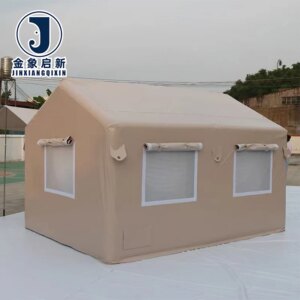
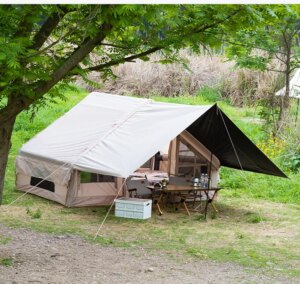
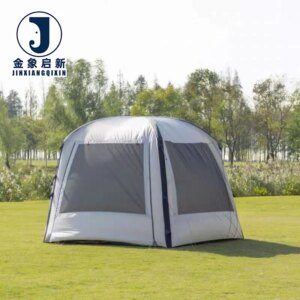
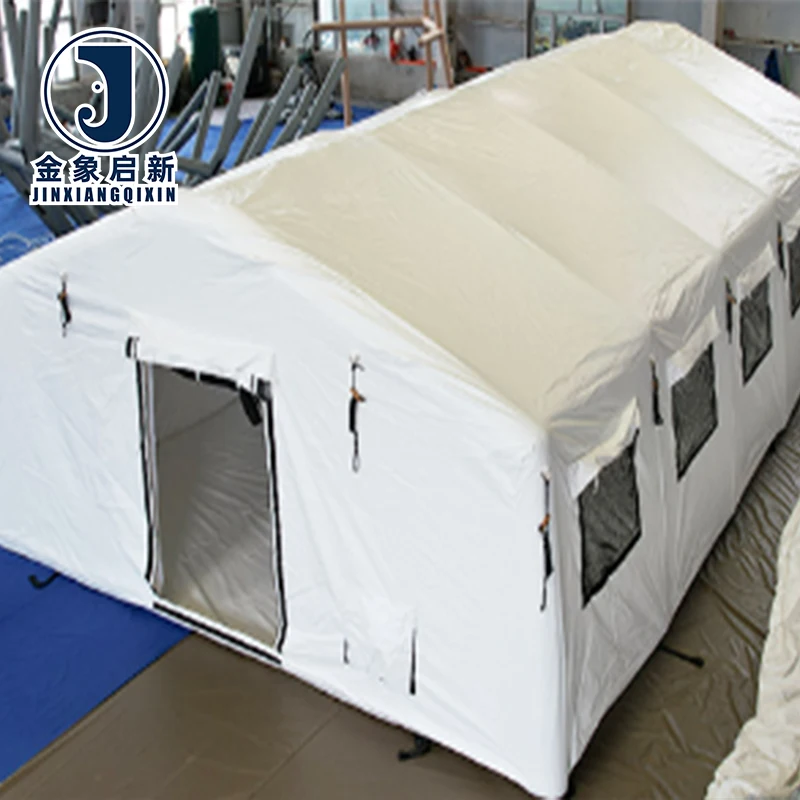
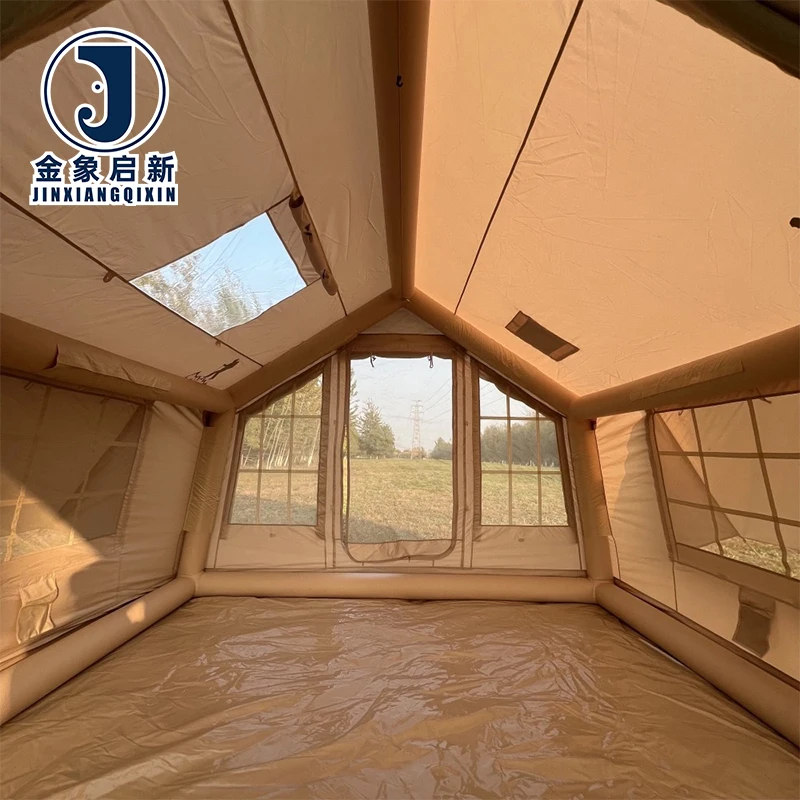
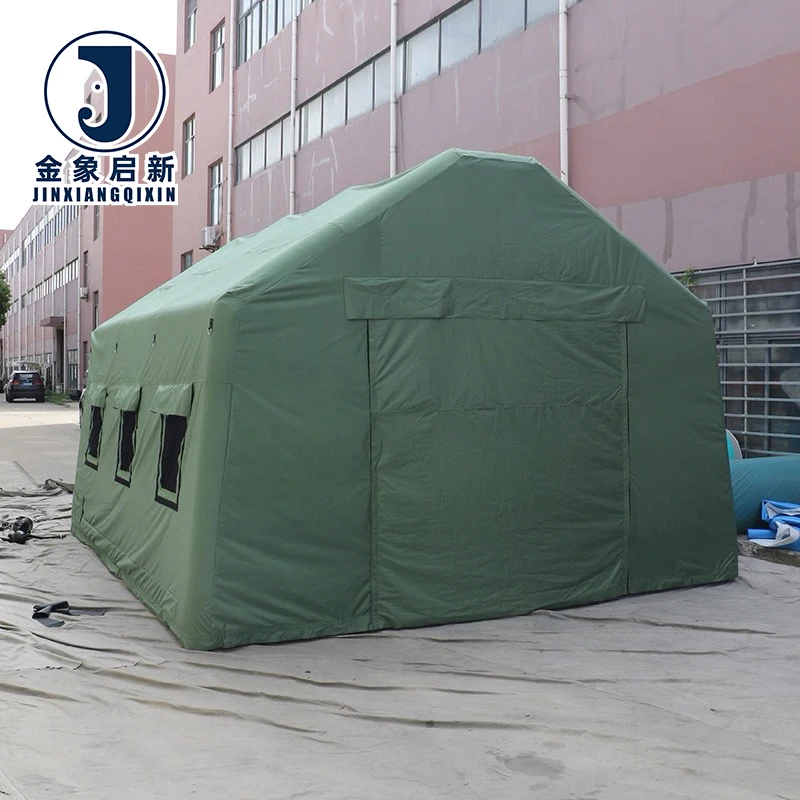
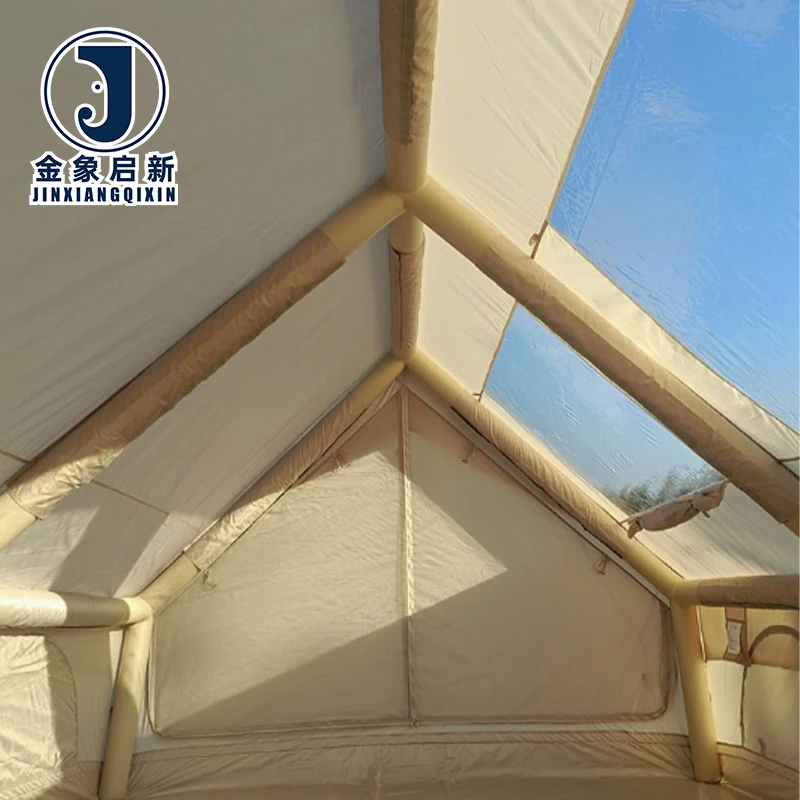
| Product Type | Inflatable Tent Fabric / Inflatable Shelter |
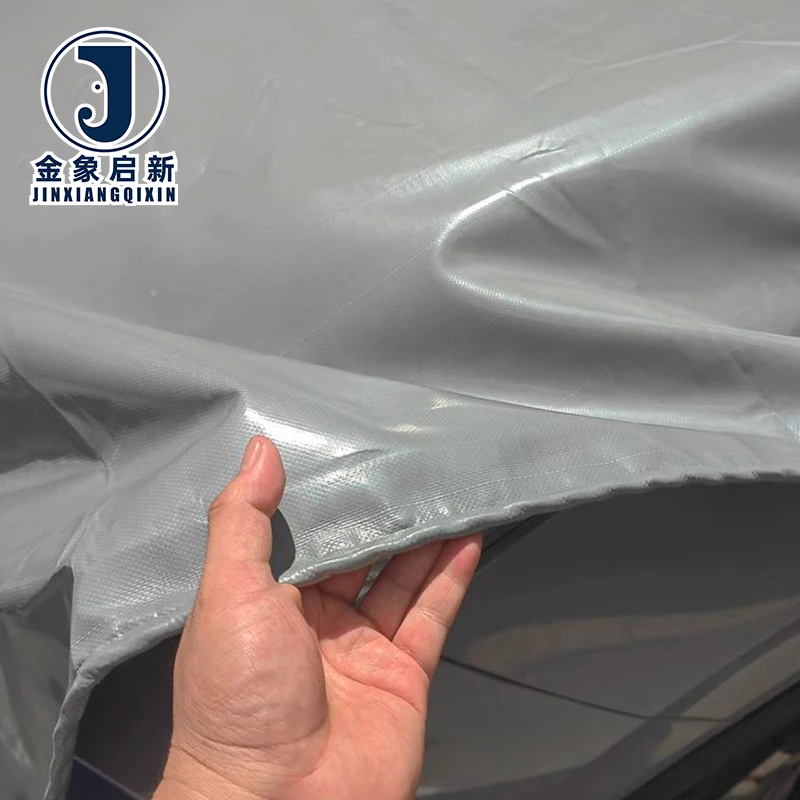
| Core Material | PVC tarpaulin |
| Construction | Single layer |
| Key Features | Waterproof, tear-resistant, quick setup |
| UV Resistance | Available in UV-resistant grades — confirm the test standard required for your market |
| Flame Retardant | Available in flame retardant grades — confirm the grade required for your market |
| Season Rating | Four-season |
| Customization | OEM & ODM (size, color, pattern printing) |
| Certifications | ISO9001, ISO14001, ISO45001, CE |
Application Suitability
| Application | Exposure & Requirement |
|---|---|
| Commercial camping grounds | Continuous outdoor weathering, seasonal temperature swings, guest safety compliance |
| Outdoor event venues | Rapid deployment cycles, public gathering fire codes, frequent packing and transport |
| Industrial site accommodations | Harsh environmental exposure, extended occupancy, heavy-duty structural inflation |
| Equipment storage shelters | Moisture ingress prevention, UV degradation of stored assets, wind load resistance |
| Personnel rest areas | Thermal comfort retention, ventilation integration, repeated inflation and deflation |
Why GSM Variance Between Rolls Costs Tent Manufacturers More Than They Expect
Colour shifting from one roll to the next is the fastest way to lose a tent manufacturing client.
When tent and inflatable structure producers buy Inflatable Tent roll stock in container volumes, even a slight shade difference between two rolls becomes obvious once panels are welded side by side on the factory floor. The same applies to coating weight: a roll that arrives lighter than the stated GSM inflates differently, holds pressure differently, and ultimately performs differently from its neighbour on the production line. Batch inconsistency is rarely a single defect — it compounds across cutting, welding, and final assembly, forcing rework or outright rejection. [NEED_CITE: coated fabric batch consistency standards for inflatable structure manufacturing]
Roll-to-Roll Consistency Across Wholesale Inflatable Tent Fabric Orders
Maintaining uniform coating weight and colour across a multi-roll order requires process control at the coating head, not just inspection at the packing stage. Our three production lines run with dedicated QA checkpoints that monitor GSM and shade against the approved reference before each roll is wound, so the Inflatable Tent roll stock arriving at your facility matches the sample you signed off on.
Container-Load Planning and Batch Traceability
When tent manufacturers build seasonal inventory, every roll in the container needs to trace back to the same production batch for colour and weight uniformity. Our roll packing list records batch number, roll count, and net weight so you can allocate specific rolls to specific production runs and isolate any variance before it reaches the welding table. [NEED_CITE: batch traceability requirements for coated fabric roll stock in inflatable manufacturing]
Understanding the Specification Sheet for Inflatable Tent Fabric
The single-layer PVC tarpaulin construction used in inflatable shelters must balance air-holding integrity with the flexibility needed for repeated inflation cycles. Coating adhesion to the base fabric determines whether the material delaminates at the weld line under internal pressure. The base fabric denier and weave density together govern tear propagation resistance — a factor that matters when a puncture in the field needs to stay localised rather than spreading across a panel. Waterproof performance depends on full encapsulation of the base fabric by the coating, leaving no exposed yarn that could wick moisture into the structure. Surface finish selection — glossy or matte — affects both the ease of cleaning in commercial camping environments and the adhesion of printed branding applied to the exterior.
The Hidden Cost of Specifying on Price Per Kilogram Alone
Choosing roll stock based on unit cost rather than verified GSM and coating adhesion often surfaces as weld failures during tent assembly. When the coating is thinner than expected, heat-seam parameters that worked on the previous batch burn through the material, creating pinhole leaks that only appear after inflation testing. Colour variance between rolls forces manufacturers to sort and match panels manually, adding labour hours that erase any initial savings. In commercial glamping applications, a tent panel that fades unevenly because of inconsistent UV treatment generates warranty claims that fall back on the fabric supplier. [NEED_CITE: weld failure analysis in PVC inflatable structure fabrication]
Why Tent Manufacturers Source Roll Stock Here
Our 10-person R&D team develops custom colour and print samples within days, allowing tent producers to approve shade and registration before mass production runs begin. Three full production lines and 36 sets of processing equipment give us the capacity to fill container-load orders for wholesale Inflatable Tent fabric without splitting your order across multiple batches. Every roll undergoes full-process quality inspection with dedicated QA and QC staff, catching coating weight deviation and colour drift before the roll reaches the packing station. OEM and ODM customization — including pattern printing and custom widths — is handled in-house, so specification changes do not require re-sourcing from a different supplier. ISO9001, ISO14001, ISO45001, and CE certifications are maintained and documented for your import compliance files.
Documentation & Verification
- Material specification sheet stating base fabric, coating type, and performance parameters per roll batch
- Weight verification per roll against the stated GSM before dispatch with recorded results
- Pre-shipment inspection record confirming colour consistency and coating adhesion across the full order
- Roll packing list with batch number, roll count, net weight, and GSM reading per roll
- ISO and CE certificates supporting import and distribution compliance in your target market
- Certificate of origin prepared for customs clearance at destination port
Fabrication, Handling & Storage
- Heat-seam parameters must be adjusted to the specific PVC tarpaulin coating weight to avoid pinhole leaks at weld lines
- Store rolls vertically on end-caps to prevent flat-spot deformation that shows as visible creases after inflation
- Cut panels with allowance for weld overlap; single-layer construction requires precise alignment to maintain air-holding integrity
- Avoid dragging roll stock across concrete floors — the PVC coating surface scratches permanently and affects printed branding appearance
- Use PVC-compatible cleaners only; solvent-based products can soften the coating and compromise waterproof performance
- Field repairs require compatible PVC patch material and solvent weld adhesive matched to the coating formulation
What to Include in Your Next Roll Stock Inquiry
Send us your target roll width, annual volume estimate, and the colour references or print artwork you need matched across the order. Specify the fire classification or UV test standard your destination market requires so we can confirm the correct treatment grade before sampling. Let us know whether you need finished panels cut to your tent pattern or full rolls for your own production line, and whether a pre-production sample roll is required for your welding team to dial in seam parameters.
Frequently Asked Questions
Q: How is GSM verified on each roll before shipment and what documentation comes with it?
A: Each roll is weighed and measured during pre-shipment inspection, with the recorded GSM logged against the batch number on the roll packing list. You receive this inspection record along with a material specification sheet stating the base fabric and coating parameters, so arrival weight can be cross-checked against the documented values.
Q: How is colour consistency controlled across multiple rolls in a single order?
A: All rolls in a wholesale Inflatable Tent fabric order are produced within the same batch run under controlled coating conditions. Shade is checked against the approved sample reference at the coating line, and the pre-shipment inspection record confirms colour uniformity across every roll before container loading.
Q: What roll widths are available and how does container loading work?
A: Custom widths are available based on your tent panel cutting layout to minimise off-cuts and weld seams. Container loading is planned by roll count and weight to maximise utilisation, and the roll packing list details exactly how many rolls and which batch numbers are in each container.
Q: How is pattern printing handled on continuous roll stock and what is the sampling process?
A: Print registration is maintained across the full roll length using controlled feed systems on our processing equipment. We produce a sample section for your approval showing print alignment, colour accuracy, and repeat spacing before the full production run begins on your Inflatable Tent roll order.
Q: What are the minimums and lead times for custom colour or printed roll stock?
A: Minimum roll quantities for custom colour or print depend on the width and treatment grade selected. Typical lead times are in the multi-week range once the sample is approved, and we confirm the exact schedule at the quotation stage based on your required roll count and specification.