Description
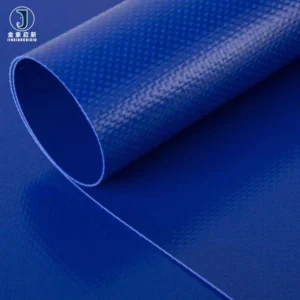
Coating Weight Control — every roll of PVC coated truck cover fabric is verified against the quoted GSM specification before dispatch, ensuring batch consistency across bulk container loads.
Technical Specifications
| Parameter | Value |
|---|---|
| Product Type | PVC Coated Tarpaulin Truck Cover |
| Material | PVC Coated Tarpaulin |
| Weight Range | 250gsm–1500gsm (confirm the grade required for your application) |
| Base Fabric Denier | 200DX300D, 500DX500D, 840DX840D, 1000DX1000D |
| Surface Finish | Glossy or matte |
| Colour Options | Blue, yellow, black, green, white, custom |
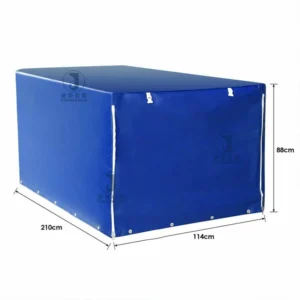
| Size Options | 3x4m, 6x8m, 8x10m, 10x12m or custom made |
| Temperature Range | -15ºC to 70ºC |
| Waterproof | Yes |
| UV Treatment | Available — confirm the grade required for your market |
| Flame Retardant | Available in flame retardant grades — confirm the grade required for your market |
| Anti-Fungal Treated | Yes |
| Environment | Eco-friendly |
| OEM/ODM | Accepted |
| Printing Option | Custom logo |
| Certifications | ISO, CE |
Application Suitability
| Application | Exposure & Requirement |
|---|---|
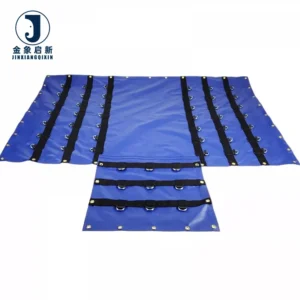
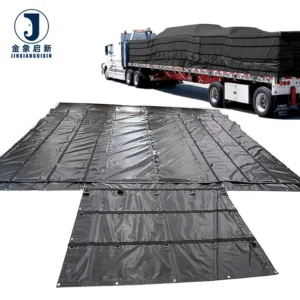
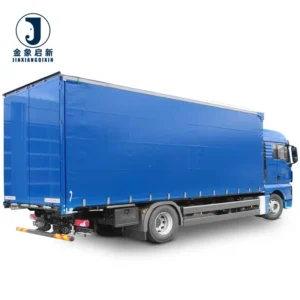
| Truck side curtain | Constant flexing at load points, road debris abrasion, daily UV exposure |
| Flatbed trailer top cover | Full weather exposure, tie-down tension across eyelets, wind uplift |
| Fleet-scale roll stock | Batch colour consistency across multiple rolls, container loading efficiency |
| Distributor cut-size inventory | Standard dimension readiness, roll-to-roll GSM uniformity for retail cutting |
| OEM trailer bodywork | Fabric supplied by the roll for factory-fit curtain and cover assembly |
Why Batch Consistency Matters More Than Quoted GSM for PVC Truck Cover Wholesale Bulk Orders
GSM on paper means little when the roll that arrives weighs less than what you paid for.
Fleet operators and tarpaulin importers have received container loads where individual rolls varied noticeably in weight, leading to uneven tensile performance across the same trailer fleet. When covers are installed side by side on adjacent trailers, even slight differences in coating weight become visible as shade variation under sunlight. Buyers who specify PVC truck cover wholesale bulk quantities need documentation that ties every roll to the quoted specification, not just a single sample tested at the quotation stage [NEED_CITE: pre-shipment inspection practices for coated fabric roll stock].
Roll Stock Availability Across Denier Constructions
Sourcing PVC truck cover wholesale bulk fabric requires matching the base fabric denier to the mechanical demand of the end application. The 200DX300D construction suits light-duty equipment covers and short-term cargo protection, while 1000DX1000D serves heavy-duty side curtains on articulated trailers where flexing and tie-down loads are continuous. Stocking multiple denier grades in roll form allows distributors and fleet procurement teams to consolidate orders and maintain consistent supply without switching between unrelated material sources.
Colour and Finish Consistency Across Container Loads
When purchasing PVC truck cover wholesale bulk volumes, colour drift between production batches is one of the most common reasons for rejection at the destination warehouse. Glossy and matte finish options are available, and each order is documented with a colour reference to ensure that every roll within the same container matches the approved sample. This matters particularly when fabric from one shipment is installed alongside fabric from a previous delivery on the same fleet [NEED_CITE: colour measurement and tolerance standards for PVC coated textiles].
How Denier, Weight and Finish Interact in Practice
The relationship between base fabric denier and PVC coating weight determines how the material behaves under tension and at the weld line. A higher denier base such as 840DX840D provides greater tear propagation resistance, but the coating weight must be sufficient to fill the weave structure completely — otherwise moisture ingress through exposed yarns undermines the waterproof claim. Glossy surfaces shed dirt and road spray more readily, reducing cleaning frequency for fleet operators, while matte finishes reduce glare during installation and handle better in hot conditions where glossy PVC can become tacky. The -15ºC to 70ºC operating range covers most overland transport climates, though buyers in extreme cold regions should verify low-temperature flex performance against their specific route conditions. Anti-fungal treatment prevents mildew buildup on fabric stored in humid conditions between deployments.
The Hidden Cost of Specifying on Price Per Roll Alone
When procurement decisions focus solely on unit cost, the downstream consequences surface at the fabrication stage or after installation. Rolls that arrive below the quoted GSM will weld at different temperatures than expected, producing seams that fail before the fabric body does — typically at the point where the load flexes most during transit. Colour inconsistency discovered after cutting and welding means the entire panel must be scrapped, wasting both material and labour [NEED_CITE: weld failure analysis in PVC coated fabric assemblies]. Flame retardant claims without a documented test grade lead to rejected shipments at markets where fire classification is enforced at the border.
Why Fleet Buyers and Distributors Source Here
Nearly 30 years of focused production on coated fabric provides process control over coating weight and adhesion that directly affects roll-to-roll consistency. Three full production lines and 36 sets of professional equipment support bulk container orders with reliable scheduling. A 10-person R&D team handles custom width, colour matching and sample development within days rather than weeks. Dedicated QA/QC at every production stage with full inspection before dispatch means the packing list you receive reflects verified rolls, not estimated quantities. Sample rolls are developed rapidly so buyers can confirm colour, finish and weld behaviour before committing to bulk production.
Documentation & Verification
- Material specification sheet stating confirmed GSM, base fabric denier and coating type per roll
- Pre-shipment inspection record verifying weight against the quoted specification for every roll
- Roll packing list with batch reference enabling traceability across the full container load
- Colour reference documented per order to ensure consistency across all rolls shipped
- Test report for UV or flame retardant grades where applicable to the specified treatment
- Certificate of origin and customs documentation supporting international shipment clearance
Fabrication, Handling & Storage
- Heat welding parameters should be adjusted to the confirmed GSM of each roll batch
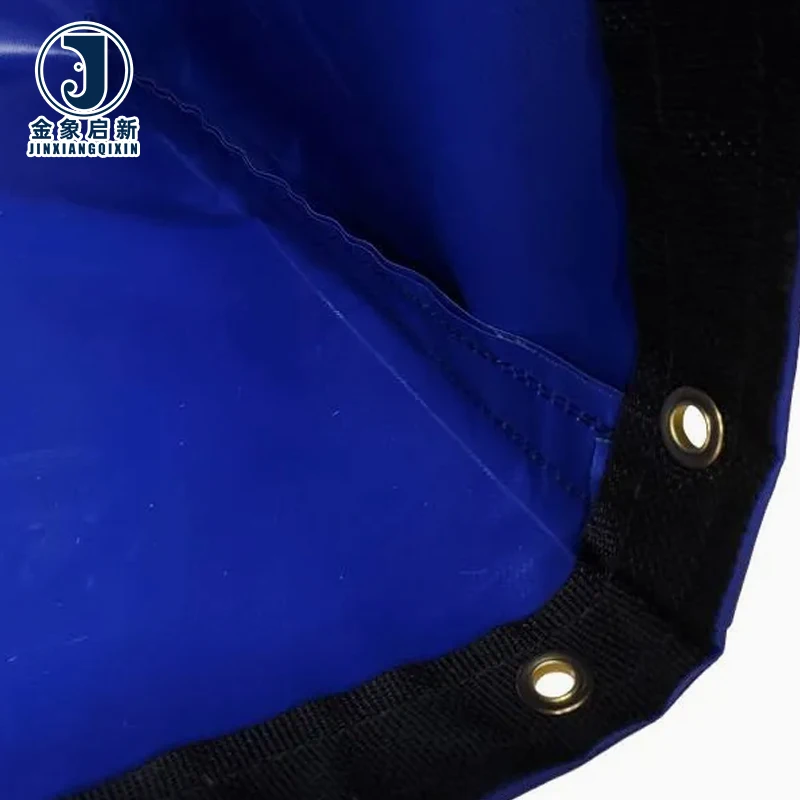
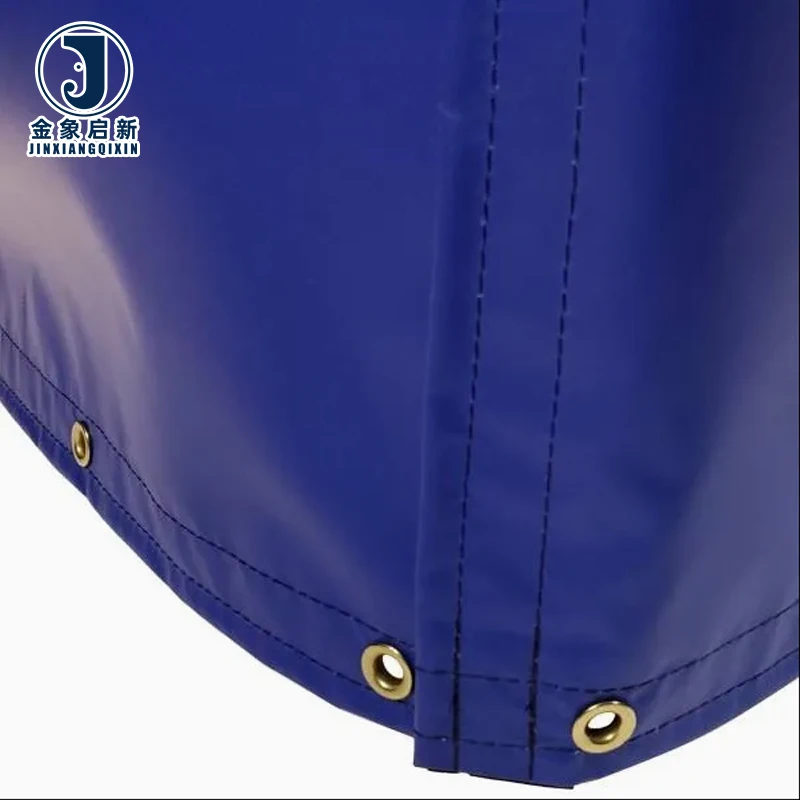
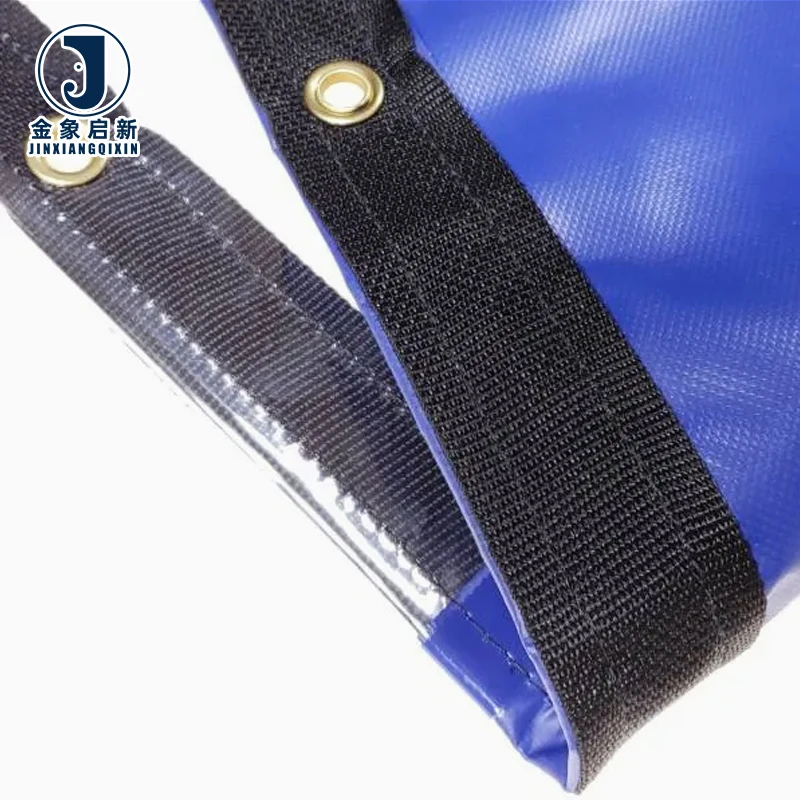
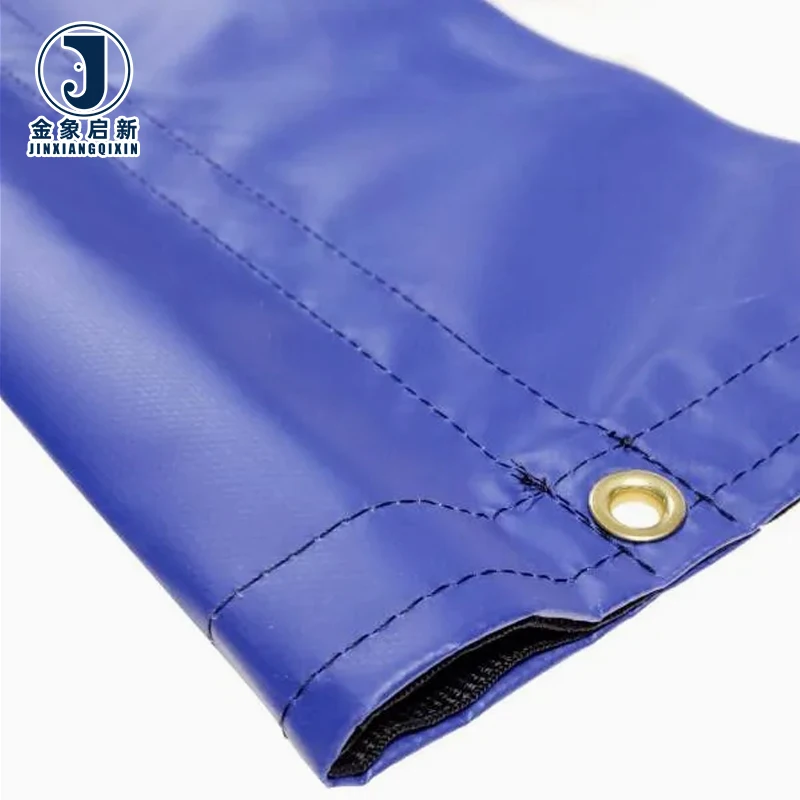
- Reinforced hems and eyelet placement must account for the denier grade and expected tie-down loads
- Store rolls upright on pallets to prevent flat-spotting and permanent crease marks on the PVC surface
- Allow rolls to acclimatise before unrolling in cold conditions to avoid coating stiffness and cracking
- Use mild detergent for cleaning glossy finishes to preserve surface integrity and dirt-shedding properties
- Plan cutting layouts to maximise yield from roll width and minimise welded seams on finished covers
What to Include in Your Enquiry
To receive an accurate quotation, specify the denier construction and GSM grade your application requires, along with the target colour and finish. Indicate whether you need rolls in standard widths or custom dimensions, and the approximate annual volume so that batch scheduling can be planned. If your market requires flame retardant or UV treatment, state the specific grade or standard so the correct formulation is quoted from the start.
Frequently Asked Questions
Q: How is GSM verified per roll before dispatch and what documentation supports arrival inspection?
A: Every roll undergoes weight verification during the pre-shipment inspection process. The inspection record documents the actual GSM measured against the quoted specification, and this travels with the shipment alongside the roll packing list. On arrival, buyers can cross-reference each roll’s batch number against the documentation to confirm the material received matches what was ordered.
Q: How is colour consistency maintained across multiple rolls in a single bulk order?
A: Each order is assigned a documented colour reference, and production is scheduled to ensure all rolls within one shipment are produced under the same batch conditions. The approved sample serves as the benchmark, and the pre-shipment inspection includes visual comparison to confirm no visible shade variation exists between rolls before they are packed for dispatch.
Q: What standard and custom width options are available, and how does roll length affect container loading?
A: Standard widths are available from stock, with custom widths produced to order. Roll length is planned in consultation with the buyer to optimise container loading by roll count and total weight. The packing list details dimensions and weight per roll so that logistics planning and warehouse racking can be arranged before the container arrives.
Q: What is the minimum order quantity for custom cut sizes versus stock roll purchases?
A: MOQ requirements differ between stock roll purchases and custom cut-size orders. Stock rolls in standard GSM grades and widths are available with lower minimums suitable for trial orders or replenishment. Custom widths, colours and cut sizes carry higher minimums reflecting production setup. Specific MOQ figures are provided at the quotation stage based on your exact requirements.
Q: What documentation ships with each container order?
A: Each shipment includes a material specification sheet, pre-shipment inspection record, roll packing list with batch references, certificate of origin and any applicable test reports for treatments specified in the order. ISO and CE certificates are available as part of the documentation package. All documents are prepared to support customs clearance at the destination port.