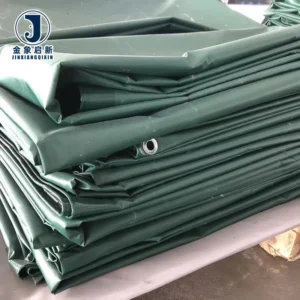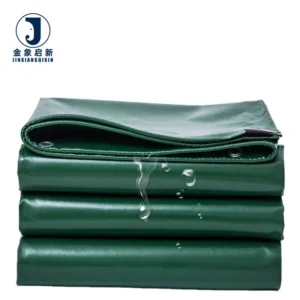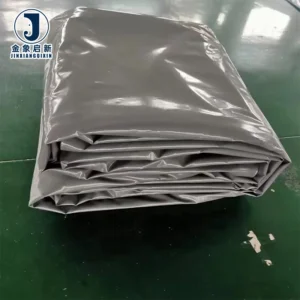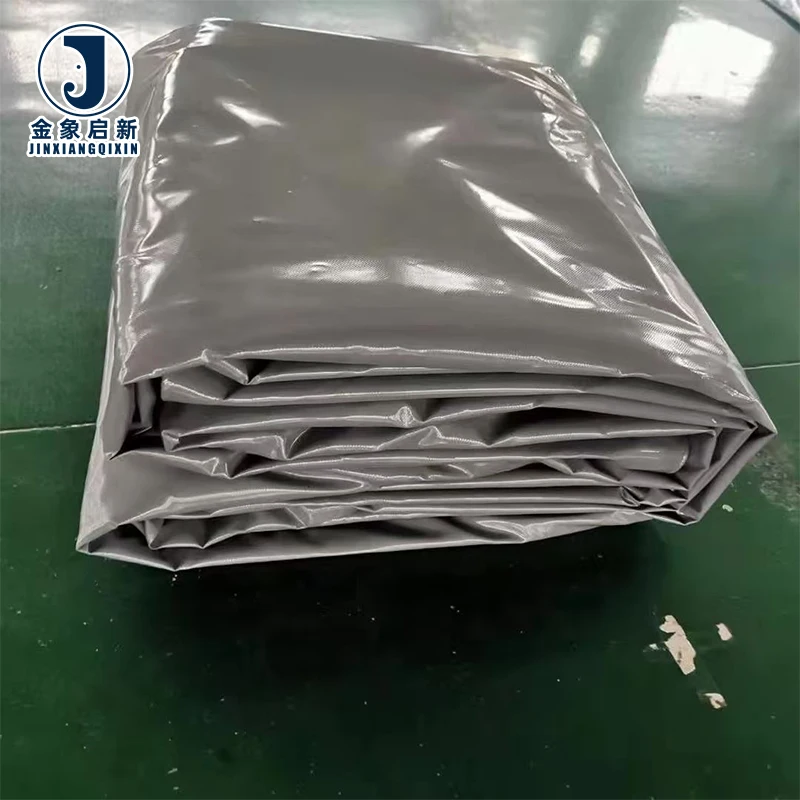
Description
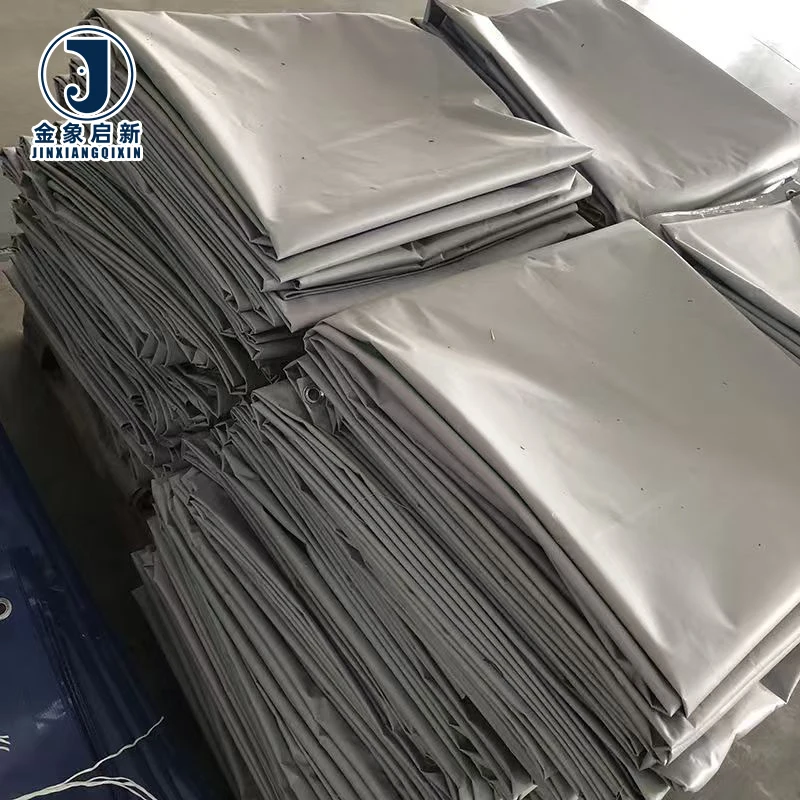
Verified Coating Weight — every PVC coated tarpaulin roll leaving the production line is backed by an inspection record that confirms the actual GSM against the order specification, so buyers receive the material they paid for.
Technical Specifications
| Parameter | Value |
|---|---|
| Product Type | PVC Coated Tarpaulin Roll |
| Weight (GSM) | 250gsm-1500gsm (grade confirmed per order) |
| Base Fabric Denier | 200DX300D / 500DX500D / 840DX840D / 1000DX1000D |
| Coating Material | PVC |
| Surface Finish | Glossy or matte |
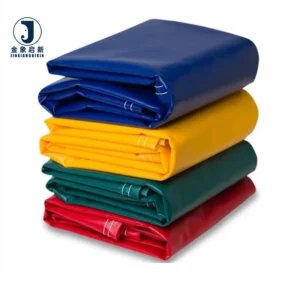
| Available Colors | Blue, Yellow, Black, Green, White, custom colors |
| Temperature Range | -15°C to 70°C |
| UV Treatment | Customized (confirm grade for your market) |
| Flame Retardant | FR treated (confirm grade required for your region) |
| Anti-Mildew | Anti-fungal treated |
| Waterproof Rating | Water-proof, rain-resistant |
| Printing Option | Custom printing supported |
| Certifications | ISO, CE |
Application Suitability
| Application | Exposure & Requirement |
|---|---|
| Tarpaulin distributor stock | Multiple GSM grades needed for regional resale across agricultural, transport and construction segments |
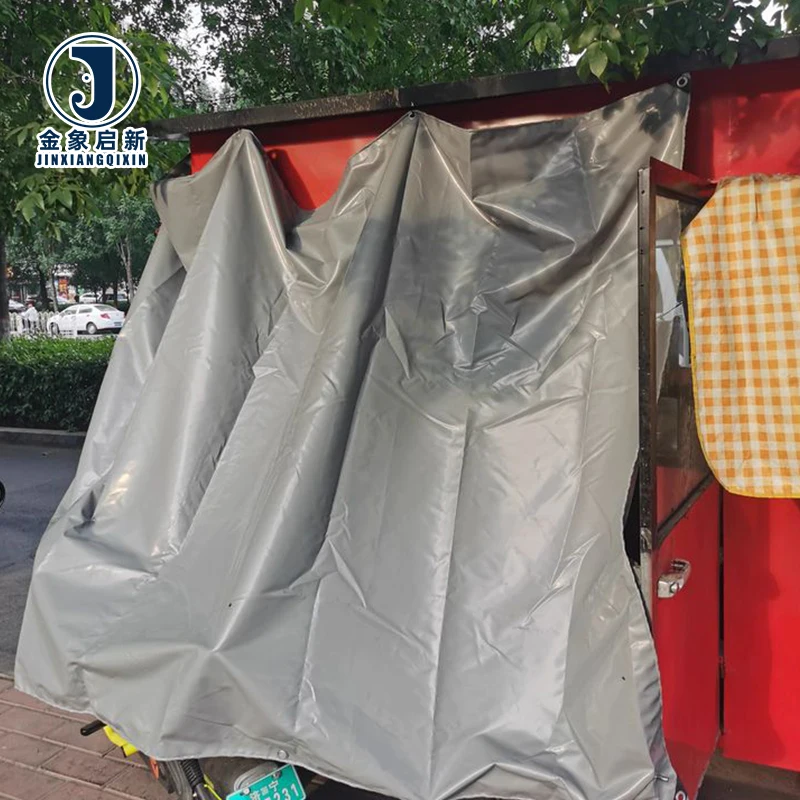
| Truck cover fabrication | Roll stock cut and welded in-house to fit specific trailer models; high flex fatigue and road abrasion at edges |
| Tent and awning production | Consistent color and surface finish across rolls to ensure uniform appearance after cutting and assembly |
| Inflatable and membrane structure | Airtight coating adhesion and reliable heat-weld seams required for pressurized panels |
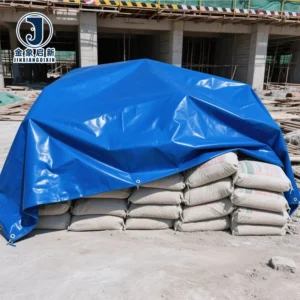
| Construction site enclosure | Continuous outdoor exposure, wind loading and mechanical contact with scaffolding and steelwork |
Why Batch Consistency Matters More Than the Quoted GSM
The specification on the quotation only has value when the delivered roll matches it gram for gram.
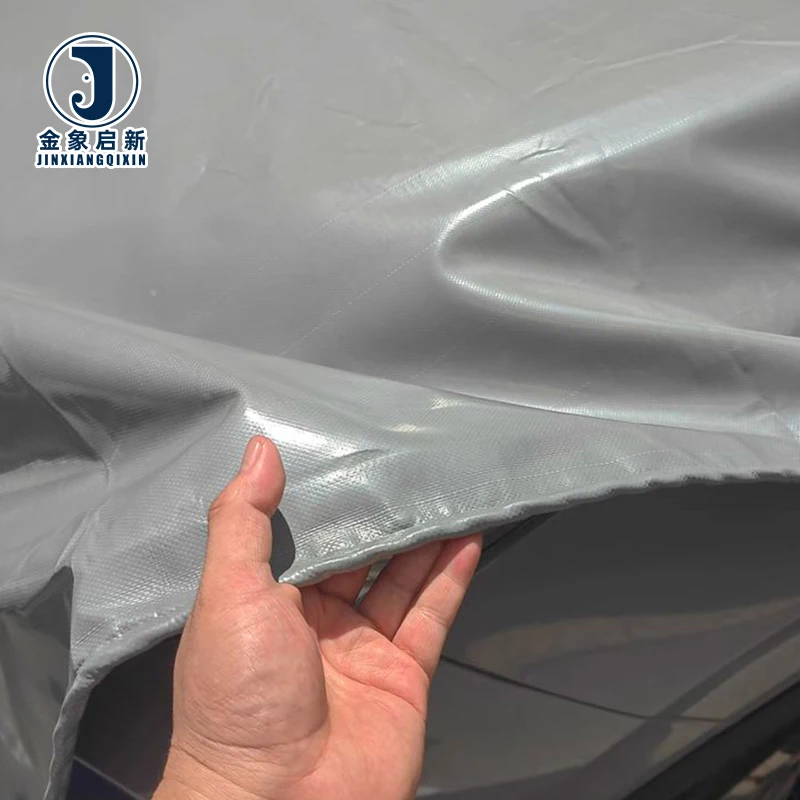
When sourcing PVC coated tarpaulin roll wholesale, buyers frequently discover that the material arriving at the warehouse feels lighter than the sample approved weeks earlier. A lower-than-specified GSM often traces back to reduced coating thickness rather than a lighter base fabric, and this difference is invisible to the eye until the roll is weighed on a calibrated scale. Over a container-load order, even a modest deviation across every roll compounds into significant material shortfall. [NEED_CITE: coating weight verification methods for PVC coated fabrics per ISO 1421] Coating adhesion and tear performance both decline when the applied PVC layer falls below the tested specification, which means the installed tarpaulin may fail at stress points well before the expected service period ends.
Controlling Color and Coating Across Every Roll in the Order
Fabricators who cut and weld multiple rolls into a single truck cover or site enclosure need the color and surface finish to match perfectly where panels meet. Our PVC coated tarpaulin roll production holds color references against the batch standard at the coating stage, so rolls produced in the same run carry the same dye lot. Glossy and matte finish options are set during the final calendering pass and remain stable across the full production batch.
How Denier Selection Drives Fabrication Yield and Seam Placement
The base fabric denier determines how the material behaves during cutting, folding and heat welding. Rolls woven at 200DX300D offer a lighter, more pliable sheet suited to temporary covers and short-run awning production, while the 1000DX1000D base provides the dimensional stability needed for large-format membrane structures and heavy-duty truck side curtains. Choosing the correct denier at the ordering stage reduces off-cuts and limits the number of welded joints in the finished product. [NEED_CITE: tensile and tear test methods for coated fabrics per ISO 1421]
Reading the Specification Sheet Beyond GSM
GSM alone does not describe how a PVC coated tarpaulin roll will perform once it is fabricated and installed. The base fabric denier and weave density control tensile and tear strength independently of the coating weight, which is why two rolls at the same GSM can show very different tear propagation behavior. A 500DX500D base with moderate coating delivers balanced strength for general-purpose truck covers, whereas an 840DX840D base at the same GSM sacrifices some coating thickness for higher structural integrity. Surface finish also plays a role: glossy surfaces shed dirt and allow printed branding to remain legible longer, while matte finishes reduce glare and improve grip during handling. Temperature range from -15°C to 70°C defines the operational envelope; below this range the PVC coating may stiffen, and above it the material softens and becomes more susceptible to mechanical damage. Custom width and length ordering reduces the number of cross-seams required during fabrication, which directly affects both labor cost and long-term seam reliability.
The Hidden Cost of Specifying on Price Alone
When a container-load of rolls arrives with inconsistent GSM across the batch, the fabricator faces two problems at once. Welding parameters calibrated for the approved sample may burn through lighter rolls or fail to penetrate heavier ones, producing seams that peel under load. [NEED_CITE: heat-weld seam integrity on PVC coated fabrics] Batch color variation between rolls becomes visible the moment panels are installed side by side on a trailer or building facade, triggering rejection or costly rework. Rolls that lack the documented flame retardant grade required by the job specification can halt an entire project at the inspection stage. These issues are preventable when the purchase order specifies the exact denier, GSM and treatment grade, and the supplier provides matching pre-shipment documentation for every roll.
Why Wholesale Buyers Consolidate Their Roll Orders Here
Three full production lines and 36 sets of professional equipment maintain steady output across standard and custom widths, keeping lead times predictable for container-load buyers. A dedicated QA team inspects coating weight, color and surface finish at every stage rather than sampling at the end, catching deviations before rolls are packed. The 10-person R&D team develops color matches and custom widths within days, so buyers do not carry excess inventory in niche specifications. Pre-shipment inspection records travel with every consignment, giving the importer a verifiable weight and quality baseline before the container is sealed. Custom printing and OEM branding are handled in-line, eliminating the need for a secondary finishing step after import. [NEED_CITE: ISO 9001 quality management system requirements for coated fabric manufacturing]
Documentation & Verification
- Material specification sheet confirming the exact GSM, denier and coating type for every roll in the shipment
- Pre-shipment inspection record with actual measured coating weight compared against the quoted value
- Batch color reference card matching the dye lot across all rolls within the same order
- UV and flame retardant test documentation for grades where treatment has been specified and verified
- Roll packing list detailing individual roll weight, dimensions and container loading plan
- Certificate of origin and full customs documentation prepared for the destination country
Fabrication, Handling & Storage
- Heat-weld temperature and dwell time should be adjusted to the specific GSM and coating thickness of each roll batch
- Store rolls upright on pallets in a shaded area to prevent flat-spot deformation of the PVC coating surface
- Allow rolls to acclimate to ambient temperature before unrolling in cold conditions to avoid coating stiffness and cracking
- Cut panels with a slight oversize allowance to account for material stretch differences between 200DX300D and 1000DX1000D deniers
- Clean glossy-finish rolls with mild detergent only; solvent-based cleaners may degrade the surface coating layer
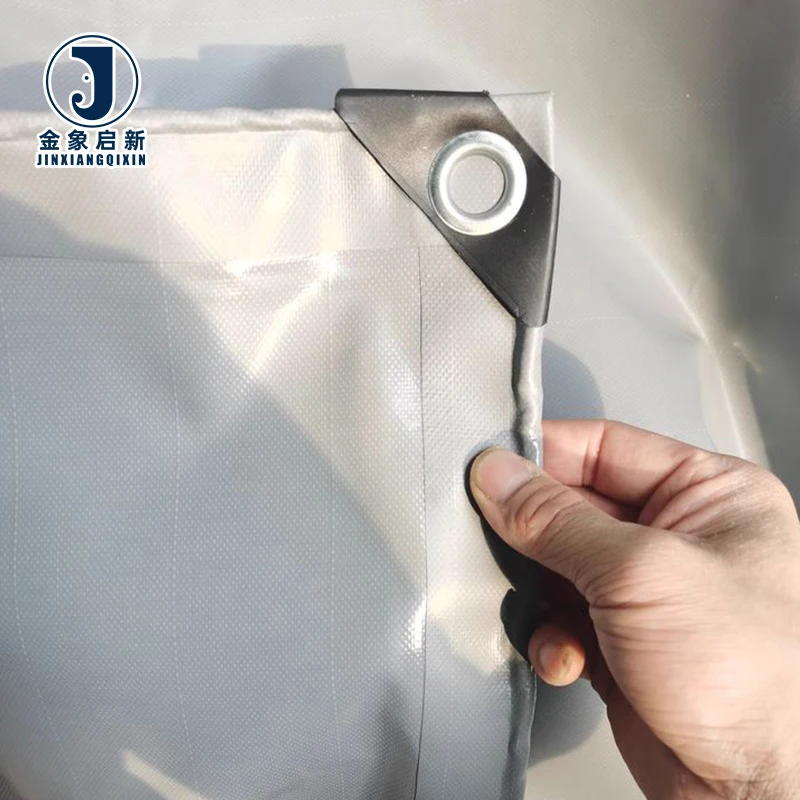
- Seal cut edges on matte-finish rolls with compatible PVC tape to prevent moisture ingress into the base fabric
What to Include in Your Roll Inquiry
Specify the end-use application and the environmental conditions the finished product will face, including temperature extremes and UV exposure expectations. Provide the target GSM, preferred denier and the width and length format that suits your cutting layout to minimize waste. If your market requires flame retardant or UV-treated material, state the certification standard your customer or regulator demands so we can match the correct treatment grade. Let us know whether you need rolls for immediate dispatch from stock grades or a full custom production run with matched color and OEM printing.
Frequently Asked Questions
Q: What GSM grades and denier options are available for immediate dispatch?
A: Stock roll inventory covers common grades across the 250gsm-1500gsm range with base fabrics from 200DX300D to 1000DX1000D. Exact stock availability shifts with production scheduling, so confirm your required GSM, denier and color before placing the order. Custom grades and widths outside the standard range are produced to order with typical multi-week lead times.
Q: Can you match a specific Pantone or RAL color across all rolls in one order?
A: Yes. The R&D team develops a color sample against your Pantone or RAL reference, and once approved the production line holds that dye lot for the entire batch. Every roll is checked against the batch reference card before packing to ensure side-by-side color consistency when panels are fabricated and installed.
Q: What is the minimum order quantity for custom width or color?
A: MOQ varies depending on whether you are ordering a standard stock specification or a fully custom width, color and GSM combination. Custom production runs require a minimum volume to justify machine setup and color matching. Contact us with your target specification and annual usage to receive the applicable MOQ and pricing tier.
Q: Do UV and flame retardant test reports ship with each order?
A: When UV or flame retardant treatment is specified on the purchase order, the corresponding test documentation is included in the shipment package. Confirm the exact grade or standard your market requires before ordering, as treatment levels vary and the correct grade must be applied during production.
Q: How are rolls packed to prevent damage during container shipping?
A: Each roll is wrapped in protective film and packed on pallets with a container loading plan that maximizes space while preventing crush damage. The packing list details the roll count, individual net weight and loading sequence so your warehouse team can plan unloading and inventory placement efficiently.