Description
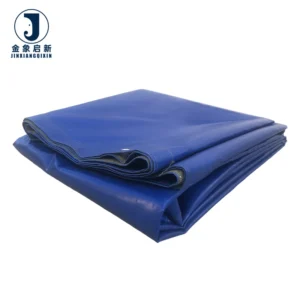
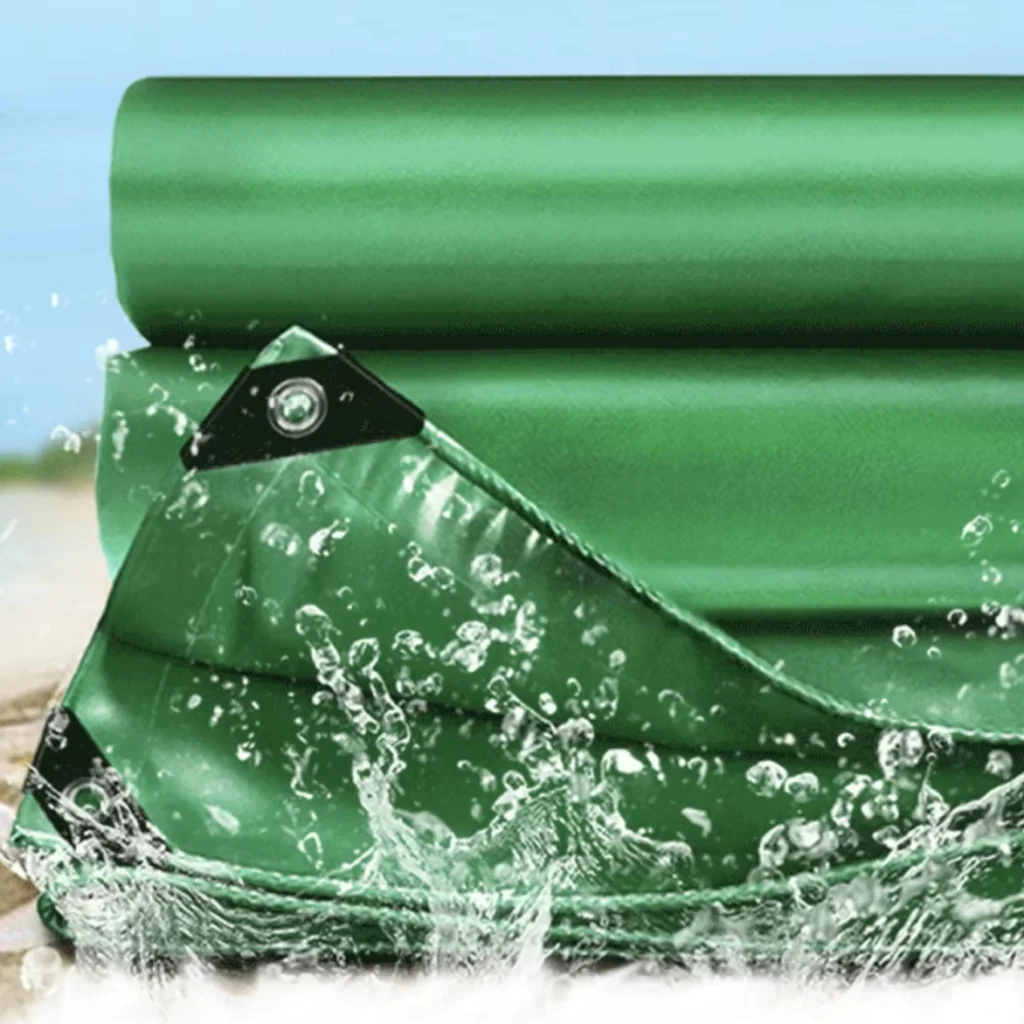
Consistent Roll-to-Roll Weight — Every 400g PVC Coated Tarpaulin Roll is weighed and recorded before dispatch, so the GSM on your quotation matches the roll on your scale.
Technical Specifications
| Parameter | Value |
|---|---|
| Product Type | PVC Coated Tarpaulin Roll |
| Weight (GSM) | 400g/m² |
| Total Thickness | 0.3mm |
| Base Fabric Denier | 500D × 500D |
| Coating Material | PVC & Polyester |
| Key Features | Water Resistant, Waterproof, Flame Retardant (grade not stated in source), Anti-UV (test basis not stated in source) |
| Packaging Options | Roll Packing, Bale Packing, Carton |
Application Suitability
| Application | Exposure & Requirement |
|---|---|
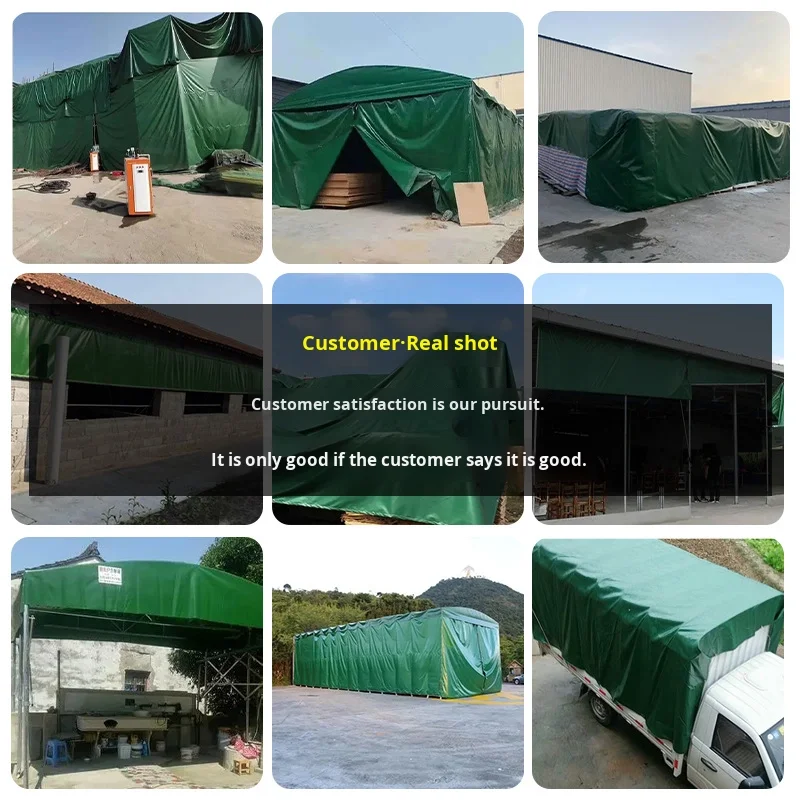
| Truck and trailer covers | Road vibration, UV exposure, repeated flexing at tie-down points, abrasion against cargo edges |
| Equipment and machine covers | Outdoor weathering, dust ingress prevention, moisture protection during idle periods |
| Awning and tent fabric | Sustained sun exposure, wind-driven rain, handling stress during assembly and teardown |
| Wood stock covering | Moisture barrier against rain and ground splash, moderate puncture risk from stacked timber |
The GSM Problem That Costs Distributors Trust
Purchasing a PVC Coated Tarpaulin Roll in bulk means your reputation rides on every roll that leaves your warehouse. The weight printed on the quotation must match the weight your customer measures on arrival.
Buyers across the tarpaulin supply chain report receiving rolls that arrive lighter than the specification sheet stated — 400g promised but a thinner hand feel and lower tensile response telling a different story. When you supply rolls to fabricators or fleet operators, a GSM shortfall does not surface until the cover is welded, installed, and fails under load months later. The cost of a single container with inconsistent weight extends well beyond material replacement; it pulls your credibility down with every downstream buyer who trusted your label. [NEED_CITE: tensile and tear test methods for coated fabrics per ISO 1421]
Batch Consistency Across Your Entire Container
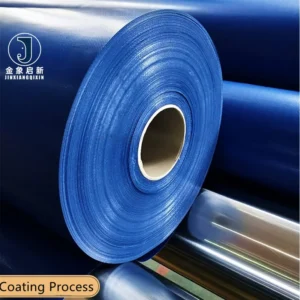
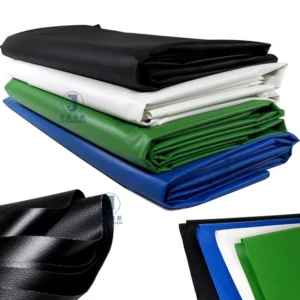
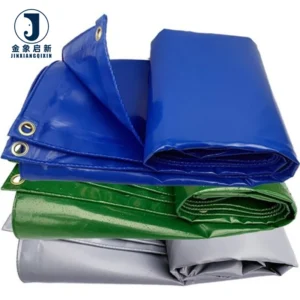
When a distributor orders multiple rolls of this 400g PVC coated tarpaulin roll, every unit in that shipment must carry the same coating weight and colour reference. Roll-to-roll variation shows up the moment two pieces are installed side by side on a truck or stretched across an awning frame. Production control at every coating stage ensures the base fabric receives uniform PVC application, and colour matching is verified before rolls are cleared for packing. This level of consistency is what separates a reliable bulk supply from one that generates complaints on arrival.
Container Loading Optimised for Volume Buyers
Shipping PVC coated tarpaulin roll wholesale orders demands efficient use of container space and weight allowance. Roll packing and bale packing are both available, with loading plans calculated by roll count and gross weight to maximise your 20ft or 40ft container. Standard widths move through regular production rotation, keeping turnaround times predictable for repeat orders. When you need a width outside the standard range, sample development runs before full production so the first roll you receive is the roll you approved. [NEED_CITE: DIN 4102 fire classification for building materials]
Reading the Specification Sheet Beyond GSM
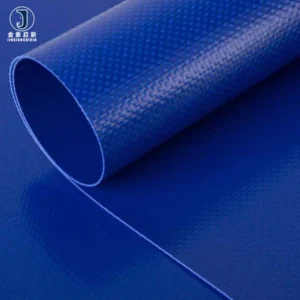
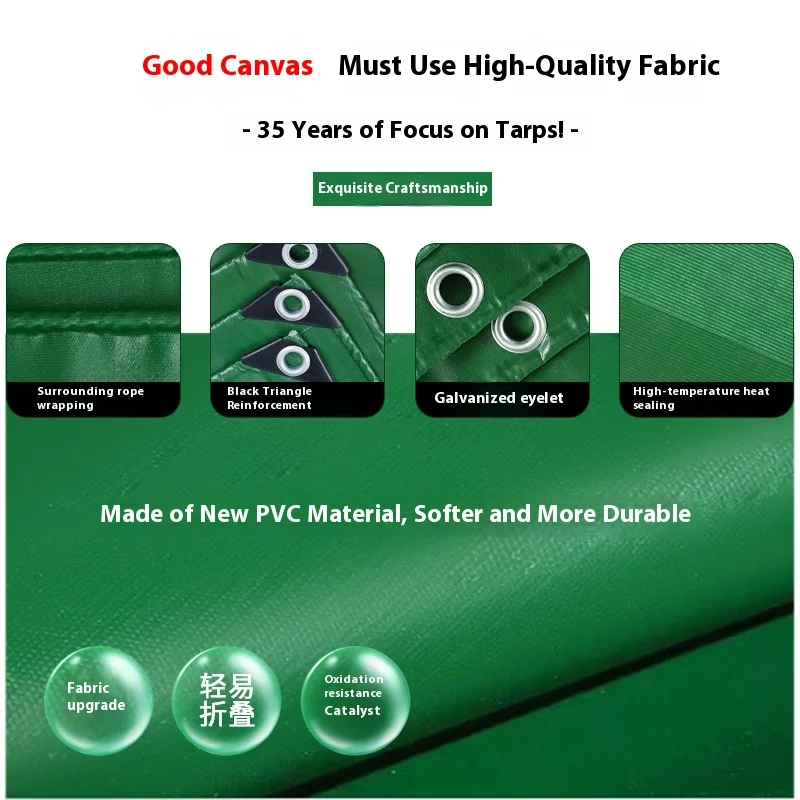
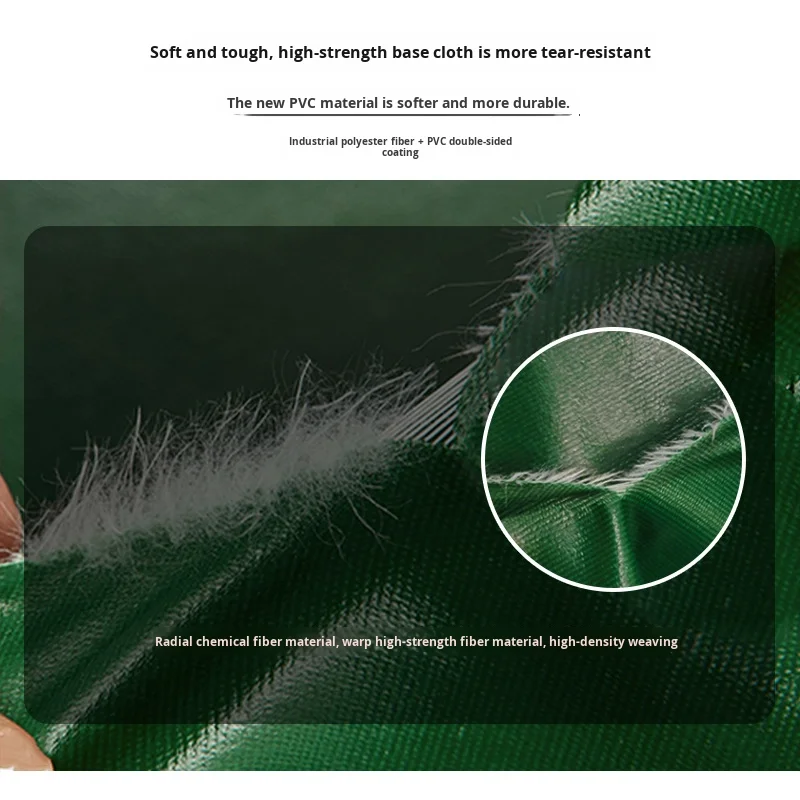
The 400g/m² weight of this fabric comes from a 500D × 500D polyester base fabric coated with PVC. GSM alone tells you how much material is present per square metre, but the denier count and weave density determine how that weight translates into tensile and tear strength. A 500D base provides a balanced foundation — sufficient for medium-duty truck covers and equipment protection without the excess weight that drives up freight cost per roll. The 0.3mm total thickness reflects the combined PVC coating on both faces of the woven polyester substrate, influencing how the material behaves during heat welding and how it resists abrasion at stress points.
What Happens When Weight Verification Is Skipped
Rolls that leave the factory without individual GSM measurement create problems that compound down the supply chain. A fabricator cutting truck covers from underweight material will see weld seams fail before the fabric body does, because the coating layer is too thin to sustain proper heat fusion. Distributors who do not verify weight on receipt end up shipping product that their own customers reject at installation. Colour drift between rolls in the same batch forces fabricators to reorder and re-cut, wasting material and delivery time. [NEED_CITE: pre-shipment inspection standards for coated fabric rolls]
Why This Source Handles Your Roll Orders Differently
Production runs on three full lines with dedicated quality checks at each coating stage, not just a final visual pass. The 10-person R&D team develops custom width and colour samples within days, so you confirm the material before committing to container quantities. Every roll is inspected and weighed before packing, with records retained against your order number. ISO and CE certified processes mean the documentation your customs broker requires is prepared as standard, not assembled as an afterthought. Rolls ship with a packing list that shows weight, length, and roll count per item — the detail your warehouse needs to verify receipt against the purchase order.
Documentation & Verification
- Material specification sheet confirming 400g GSM, 500D-500D base fabric, and PVC coating weight per roll
- Pre-shipment inspection record with actual weight measurement taken from each roll
- Roll packing list detailing weight, length, and roll count for customs clearance
- Certificate of origin included with every dispatch for import compliance
- Test reports for flame retardant and anti-UV grades supplied where applicable and verified
Fabrication, Handling & Storage
- Heat weld at temperatures suited to 0.3mm PVC coating thickness to avoid burn-through at seam lines
- Store rolls upright on pallets to prevent flat-spot deformation across the 400g PVC coated surface
- Use sharp blades for cutting to avoid fraying the 500D polyester base yarn at panel edges
- Clean with mild detergent only; aggressive solvents will degrade the PVC coating layer
- Allow material to reach ambient temperature before unrolling in cold conditions to prevent surface cracking
- Plan panel layout to minimise waste, using standard roll widths for high-yield truck cover patterns
Starting Your Roll Order
Provide your target roll width, colour reference, and estimated annual volume so the production team can map your requirements against standard and custom runs. If your market requires specific flame retardant or anti-UV certification, state the standard you need met so the correct grade is formulated from the start. Confirm whether you need roll stock only or finished cut sizes with eyelets and reinforced hems. Sample rolls are available for testing before you commit to a full container order.
Frequently Asked Questions
Q: What standard widths and GSM grades are kept in regular production?
A: This 400g/m² PVC coated tarpaulin roll in 0.3mm thickness moves through regular production rotation alongside other stock grades. Standard widths are kept available for faster turnaround on PVC coated tarpaulin roll wholesale orders. For widths outside the standard range, sample development is completed before production so you approve the material before the full run.
Q: How is colour consistency controlled across multiple rolls in one order?
A: Every roll in a single shipment is produced from matched colour reference batches. Coating weight and pigment formulation are monitored at each stage of the production line. Pre-shipment inspection includes visual comparison across rolls to catch any variation before packing. This batch consistency guarantee applies to all PVC coated tarpaulin roll wholesale orders regardless of container size.
Q: What is the minimum order for custom width, colour or printed branding?
A: Custom specifications are handled through sample development first, so you confirm weight, colour, and finish before committing to volume. Minimums are structured by container load rather than arbitrary roll counts. Custom width, colour, and pattern printing are managed in-house, and lead times depend on the complexity of the specification requested.
Q: How is roll packing optimised for container loading weight and count?
A: Roll packing and bale packing are both available depending on your handling preference and container type. Loading plans are calculated by roll count and gross weight to fill 20ft or 40ft containers efficiently. The packing list provided with each shipment details the exact roll count and weight per line item for your warehouse verification.
Q: Can I get a sample roll before committing to a full container order?
A: Sample rolls are developed within days for custom requirements, allowing you to test the 400g GSM, 0.3mm thickness, and coating adhesion before placing a bulk order. Standard grade samples from current stock are also available for immediate dispatch. Sample approval is built into the sales process as a required step before production begins.