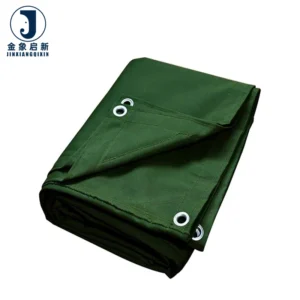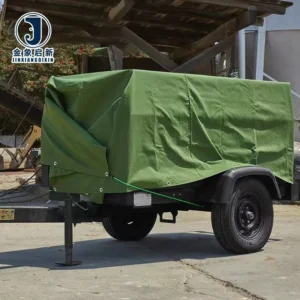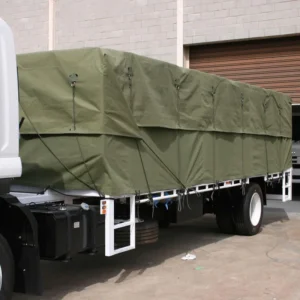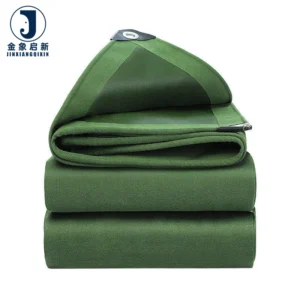
Description
Batch-Verified GSM Consistency — Every roll of canvas truck tarp is weighed and inspected against the quoted specification before leaving our facility, eliminating the mismatch between paper weight and delivered reality.
Technical Specifications
| Parameter | Value |
|---|---|
| Product Type | Truck Tarpaulin / Canvas Tarp |
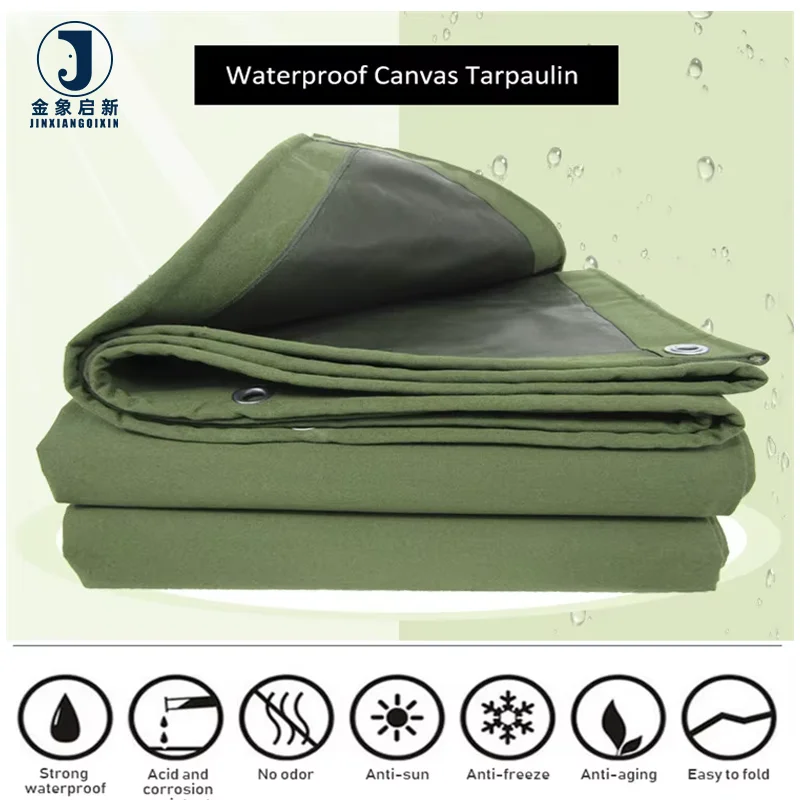
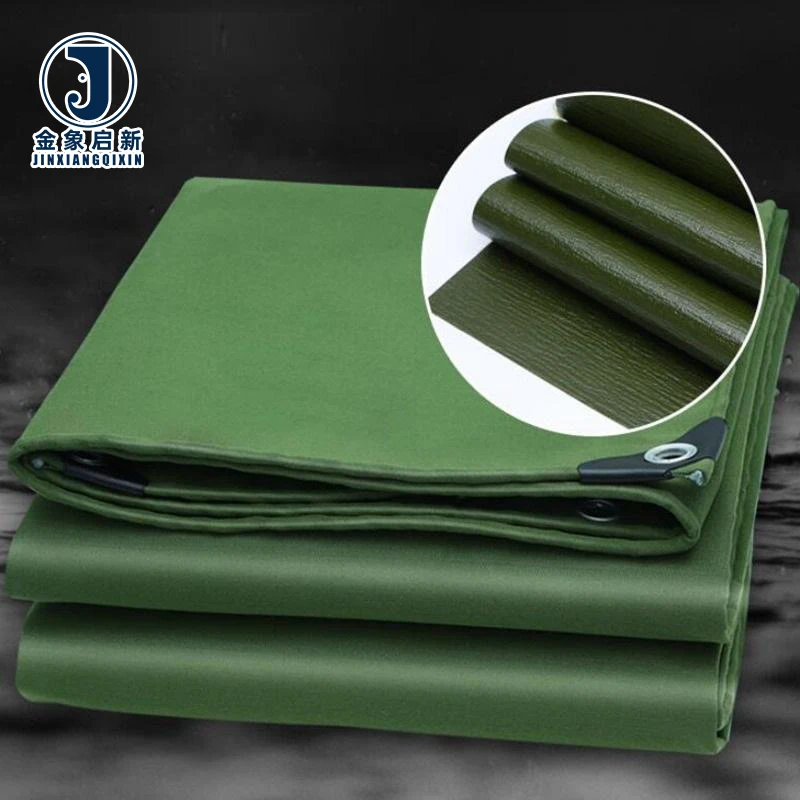
| Material | Silicone canvas tarpaulin |
| Weight (GSM) | 250gms-600gms |
| Waterproof | Yes |
| Wear-Resistant | Yes |
| Scratch-Resistant | Yes |
| Tensile-Resistant | Yes (grade not stated) |
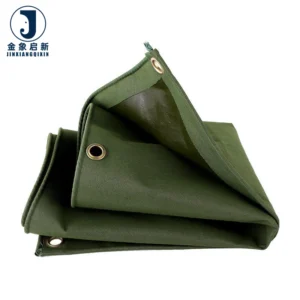
| Customization Options | Edge wrapping, punching, buttonhole, size, color |
| Certifications | ISO, CE |
Application Suitability
| Application | Exposure & Requirement |
|---|---|
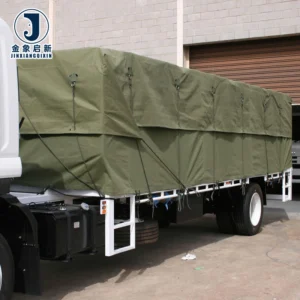
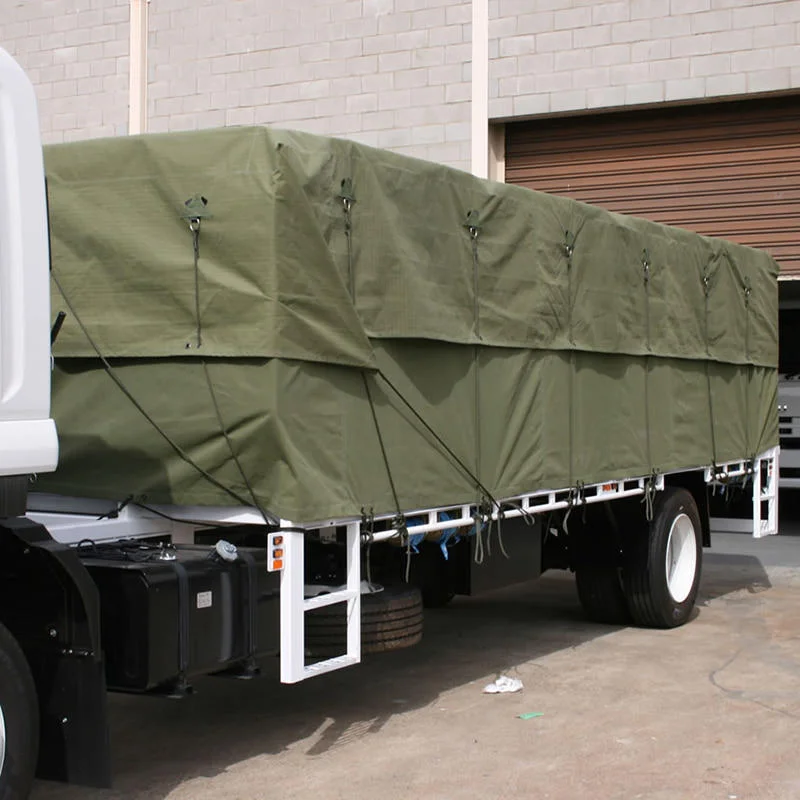
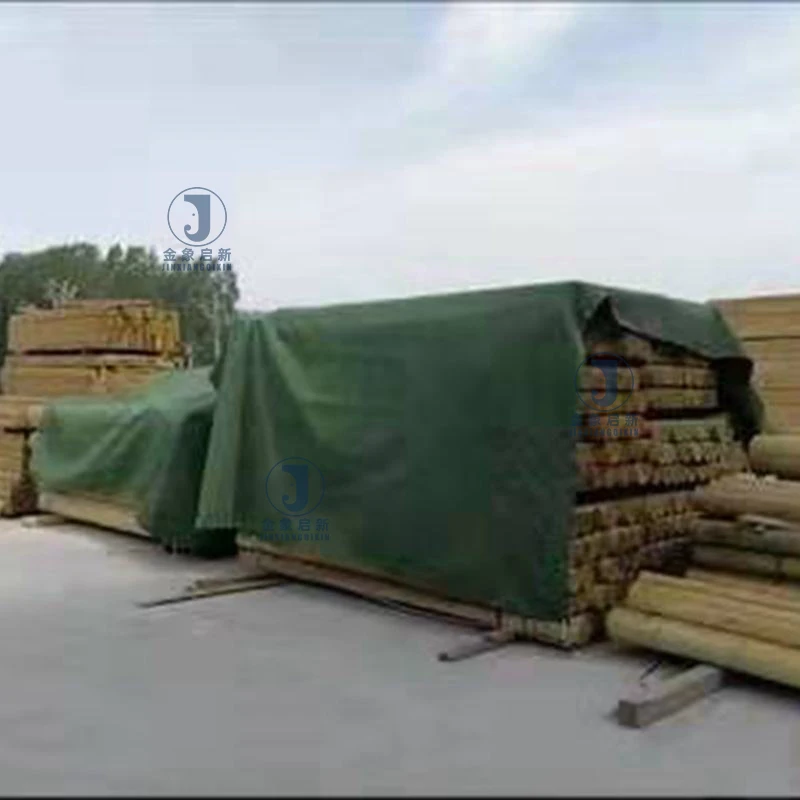
| Truck cargo covering | Continuous road vibration, wind uplift, weather exposure, frequent tie-down stress at edges |
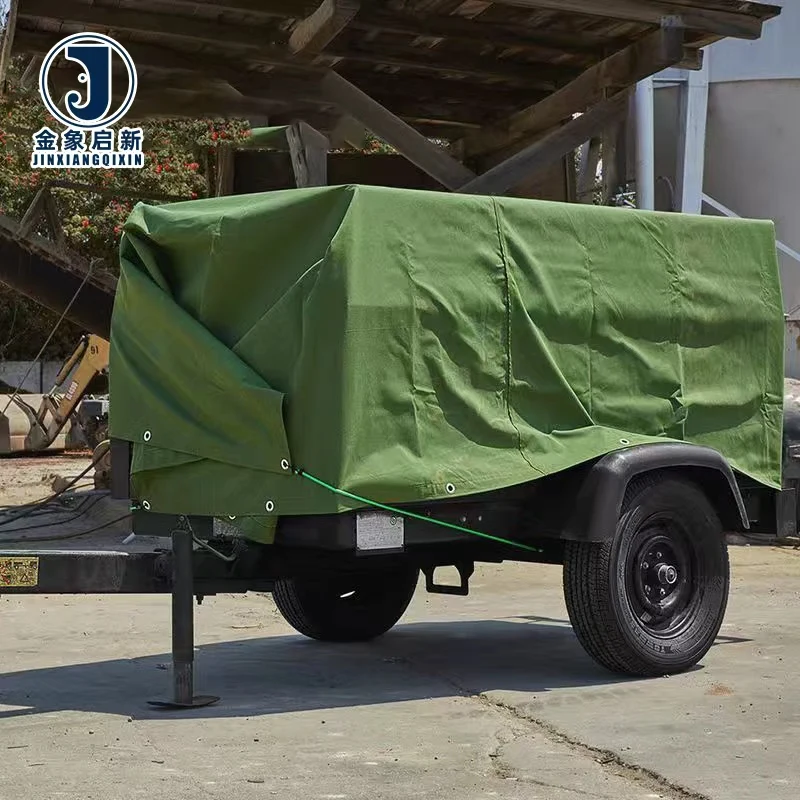
| Trailer load protection | Flexing at load points, abrasion against cargo edges, UV exposure during transit |
| Tricycle tarpaulin | Daily deployment and retraction, tight fold radii, urban particulate abrasion |
| Retractable tarp system | Repeated rolling mechanism stress, tension cycling, edge track friction |
Why Canvas Truck Tarp GSM Claims Fail at the Loading Dock
The number on the quotation must match the roll on the scale — anything less is a supply chain failure.
When a canvas truck tarp roll arrives lighter than the stated GSM, the downstream consequences compound quickly. Converters cutting to trailer-specific sizes discover the fabric does not hold the expected tension across a side curtain frame. Fleet operators replacing worn covers find the new material tears at the grommet line under the same tie-down loads the previous cover handled. Distributors reselling into regulated transport markets face rejection when load inspection authorities flag underspecification [NEED_CITE: tensile and tear test methods for coated fabrics per ISO 1421]. The root cause is nearly always insufficient process control at the coating stage, where weight drift across the production run goes undetected until the container is opened at destination.
Roll-to-Roll Colour Matching Across Bulk Canvas Truck Tarp Orders
When multiple rolls from the same canvas truck tarp order are installed side by side on adjacent trailers, even minor shade variation becomes immediately visible. Batch coating with controlled pigment dosing ensures that every roll within a production run meets the confirmed colour reference. For fleet operators standardising their vehicle livery and distributors fulfilling matched sets for multi-trailer orders, this consistency removes the risk of costly returns or selective panel replacement.
Edge Finishing Options for In-House Converters Buying by the Roll
Roll stock buyers who fabricate finished covers in their own workshops require predictable edge behaviour during hemming, eyelet insertion, and heat welding. Available edge wrapping, punching, and buttonhole options mean the canvas truck tarp roll can arrive pre-finished to your specification, reducing secondary processing time. The silicone canvas construction supports both stitched and welded seam methods, allowing converters to choose the joining technique that matches their existing equipment and the end-use stress profile [NEED_CITE: coated fabric seam strength testing protocols].
How Weight, Base Fabric, and Coating Interact in Canvas Tarps
The GSM figure alone does not define how a canvas truck tarp will perform under load. A 400gms roll woven from high-denier yarns at open spacing may tear more easily than a 350gms roll built on a tighter weave with lower-denier yarns, because tear propagation follows the path of least resistance through the base fabric structure. The silicone canvas coating adds surface protection and waterproofing, but its contribution to overall tensile strength depends on coating adhesion to the base — poor adhesion means the coating delaminates before the fabric reaches its breaking point. For buyers comparing grades in the 250gms-600gms range, requesting both GSM and base fabric denier data gives a more complete picture than weight alone.
The Hidden Cost of Inconsistent Roll Weight in Wholesale Orders
A distributor who receives ten rolls quoted at 500gms but actually weighing 440gms each faces a decision: ship the material and risk end-user complaints, or reject the container and absorb the logistics loss. Either outcome erodes margin. For transport fleets cutting covers in-house, undersized GSM translates directly to reduced service intervals — the cover reaches its wear limit faster, forcing more frequent replacement and more downtime per vehicle. Colour inconsistency across rolls within a single order creates a different problem: partial installation halts while the buyer requests replacement panels, and the rejected rolls may not match the next batch either [NEED_CITE: coating weight variation impact on tarpaulin service life].
Why Procurement Teams Source Canvas Truck Tarps Here
Three full production lines running dedicated coating processes allow bulk roll orders to move through without waiting for capacity gaps between smaller jobs. Each canvas truck tarp roll passes through inspection before packing, with GSM verification recorded against the purchase specification rather than assumed from line settings. The ten-person development team handles custom width and colour requests with sample turnaround measured in days rather than weeks, so buyers can confirm material before committing a container order. Mixed GSM grades within one shipment are accommodated, letting distributors stock their full range from a single logistics movement.
Documentation & Verification
- Material specification sheet confirming GSM, base fabric type, and silicone canvas coating for every roll
- Pre-shipment inspection record with individual roll weight verification against quoted specification
- Roll packing list detailing weight, dimensions, and roll count for container load planning
- Certificate of origin and customs documentation supporting international shipment clearance
- Colour reference confirmation sheet matched to approved physical sample before bulk production
Fabrication, Handling & Storage
- Heat welding parameters should be confirmed per GSM grade, as silicone canvas coating responds differently across the 250gms-600gms range
- Edge wrapping and buttonhole reinforcement should align with expected tie-down load points to prevent edge tearing
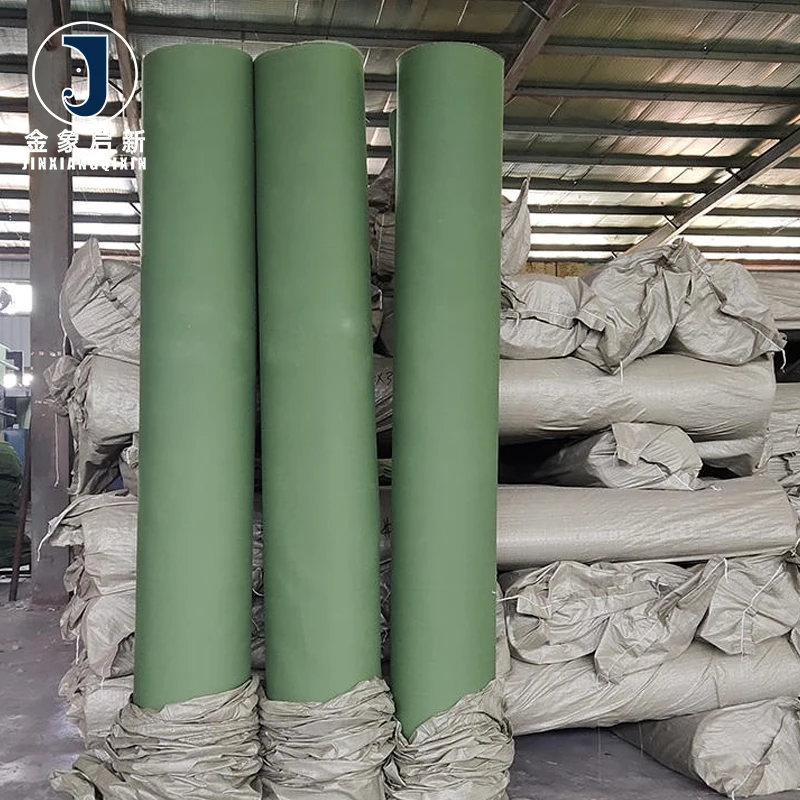
- Store rolls upright on pallets in dry conditions to avoid flat-spot deformation on the outer coating layer
- Allow cold-stored rolls to reach ambient temperature before unrolling to prevent silicone canvas surface cracking
- Cut panels with allowance for hem fold-back; the silicone canvas material requires clean blade edges to prevent fraying during stitching
What to Include in Your Canvas Truck Tarp Enquiry
Specify the GSM grade, roll width, and total roll count or linear meterage required so the quotation reflects your actual container load plan. If your market requires specific fire classification or UV treatment, state the standard your end-users demand rather than leaving this open. Confirm whether you need rolls supplied plain for in-house conversion, or with edge wrapping, punching, or buttonhole finishing completed before dispatch.
Frequently Asked Questions
Q: How is GSM verified on each canvas truck tarp roll before shipment?
A: Each roll is individually weighed on calibrated scales after production and the result is recorded against the order specification. This inspection record travels with the shipment documentation, so you can cross-reference the delivered roll weight with the GSM stated on your quotation before accepting the container.
Q: Can mixed GSM grades be combined in a single container order?
A: Yes. Distributors and converters regularly combine different weight grades within one shipment to stock their full product range efficiently. Each grade is clearly labelled on the roll packing list with its own specification line, so warehouse receiving can sort and allocate without confusion.
Q: How is roll-to-roll colour consistency controlled across a bulk order?
A: All rolls within a confirmed order are produced from the same pigment batch under controlled coating conditions. A physical colour sample is approved before production begins, and every roll is checked against this reference during final inspection to ensure no visible shade deviation between adjacent rolls.
Q: What edge finishing options are available when ordering canvas truck tarps by the roll?
A: Rolls can be supplied plain for your own workshop processing, or pre-finished with edge wrapping, punched holes, or buttonhole reinforcement at specified intervals. Confirming your preferred edge treatment at enquiry stage ensures the material arrives ready for immediate fabrication or deployment.
Q: How are rolls packed to prevent transit damage during container shipping?
A: Each canvas truck tarp roll is wrapped in protective film and secured upright on pallets to prevent crushing and surface abrasion during handling. The roll packing list details individual roll weights and dimensions, enabling accurate container loading plans that avoid over-stacking and coating damage.