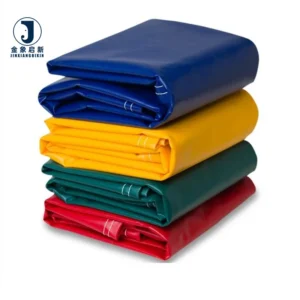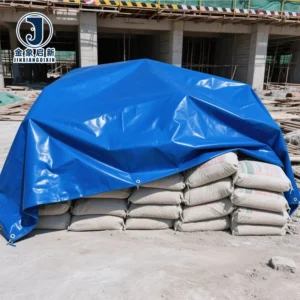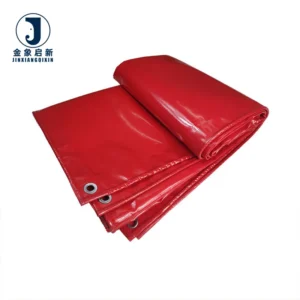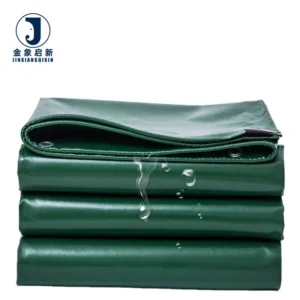
Description
Coating-Weight Process Control — Every roll of PVC coated tarpaulin fabric passes through in-line weight verification at the coating head, ensuring the GSM on the spec sheet matches the material in the container.
Technical Specifications
| Parameter | Value |
|---|---|
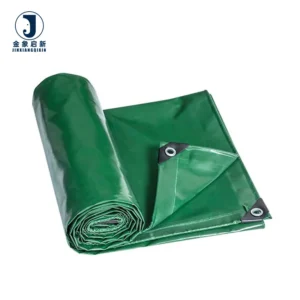
| Product Type | PVC Coated Tarpaulin Roll |
| Base Fabric | 1000×1000 Denier Polyester |
| Coating Material | PVC (Polyvinyl Chloride) |
| Coating Method | Knife Coated |
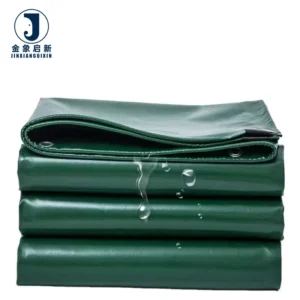
| Waterproof | Yes |
| Oilproof | Yes |
| Flame Retardant | Available — confirm the grade required for your market |
| Anti-Static | Available — surface resistance value to be confirmed per batch |
| UV Treatment | Available — test basis to be confirmed for your regional standard |
| Anti-Mildew | Available as special treatment |
| Anti-Cold | Available as special treatment |
| Custom Size | Available in custom widths and lengths |
| Outdoor Life Assurance | 3-5 years |
| Certification | ISO, CE |
Application Suitability
| Application | Exposure & Requirement |
|---|---|
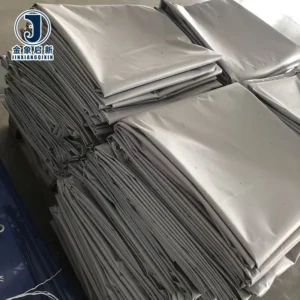
| Tarpaulin distribution & resale | Consistent GSM and colour across rolls for local cutting and eyelet finishing |
| Tent and awning manufacturing | Roll-form fabric for cut-and-sew production, weldable seams, UV exposure |
| Banner and signage production | Smooth coated surface for printing, roll-fed plotter compatibility |
| Truck cover fabrication | High tensile base fabric, flex resistance, waterproof performance |
Why Roll-to-Roll Colour Consistency Determines Your Fabrication Yield
A shade variance invisible in the warehouse becomes a customer complaint the moment two panels hang side by side on a trailer or tent frame.
When sourcing PVC coated tarpaulin roll stock for conversion, colour drift between rolls within the same shipment is one of the most costly defects a distributor or fabricator encounters. The rolls arrive, pass a quick visual check, and only reveal the mismatch during final assembly when adjacent panels show a visible tone shift under daylight. Re-cutting from a replacement roll wastes linear metres, delays container loading, and erodes the margin on the entire order [NEED_CITE: colour tolerance standards for coated fabrics in batch production]. This PVC coated tarpaulin roll wholesale supply addresses that problem at the coating line rather than at the inspection bench, with batch-controlled pigment dosing and standardised light-box comparison before any roll is cleared for packing.
Batch-Matched Supply for High-Volume Converters
Tarpaulin distributors importing PVC coated tarpaulin roll stock need every roll in a container to behave identically on the cutting table and under the hot-air welder. The 1000×1000 denier base fabric provides a stable substrate that feeds consistently through automated cutters, while the knife-coated PVC layer bonds uniformly to support high-frequency or hot-wedge welding. When multiple rolls feed a single production run of truck side curtains or large-format tent panels, matched GSM and coating weight across the batch mean weld parameters set on the first roll remain valid through the last.
Treatment Options Applied at the Coating Head
Flame retardant, anti-static, anti-cold, and anti-mildew treatments are integrated during the coating process rather than applied as a topical finish after the fact. This means the active chemistry is distributed through the full coating thickness, not concentrated on the surface where abrasion can remove it within the first weeks of deployment. Buyers specifying flame retardant grades or anti-static properties should request the corresponding test report referenced to the batch number on their rolls [NEED_CITE: test methods for flame retardant classification of PVC coated textiles].
How Base Fabric and Coating Method Shape Performance
The 1000×1000 denier designation refers to the yarn count in both warp and weft directions, creating a balanced weave that distributes tensile load evenly across the fabric plane. This balance matters when the material is cut into panels and subjected to multidirectional stress from wind loading or cargo shifting. Knife coating forces PVC paste into the interstices of the woven base under controlled blade pressure, producing a mechanical lock between coating and yarn that resists delamination during flex cycles. Compared to dip-coating or lamination, knife coating yields a higher coating weight per pass and a more consistent surface profile — factors that directly influence weld peel strength and long-term adhesion under thermal cycling. The waterproof and oilproof properties emerge from the continuous PVC film that encapsulates the base fabric, leaving no exposed yarn paths for moisture ingress. Width and roll length options determine how many linear metres of usable panel you can nest on your cutting table before generating offcut waste, which is why custom sizing is offered rather than limited to a single stock dimension.
The Hidden Cost of Choosing Roll Stock on Price Alone
A lower-cost roll that arrives lighter than the quoted GSM does not just reduce tensile margin — it changes the weld window. Thinner coating requires lower heat input, and if your operators run the same hot-air temperature used for a heavier grade, the PVC surface degrades before the bond forms, creating a seam that fails under the first significant load [NEED_CITE: relationship between coating weight and weld peel strength in PVC tarpaulin]. Colour inconsistency across rolls forces fabricators to segregate panels by shade, turning a single large order into multiple smaller batches and increasing cutting waste. Rolls supplied without verifiable treatment certificates create compliance risk at the job site, where a safety officer requesting documentation can halt installation until the paperwork arrives.
Why Converters Source This Roll Stock Here
Three full production lines and 36 sets of professional equipment allow container-load orders of PVC coated tarpaulin roll stock to be coated in a single campaign, minimising the batch-to-batch variation that arises when an order is split across multiple production runs. The 10-person R&D team develops custom colour matches and treatment formulations in sample quantities before full production, giving buyers a physical reference to approve against. Dedicated QA and QC at every stage — base fabric inspection, coating weight measurement, surface defect scanning, and 100% pre-shipment inspection — means defects are caught before rolls are wrapped and palletised. Samples are developed within days for custom width, colour, or treatment requirements, shortening the approval cycle for new specifications. Nearly 30 years of focused coated fabric production underpins the process knowledge required to hold GSM tolerance across long production runs.
Documentation & Verification
- Material spec sheet stating GSM, 1000×1000 base fabric denier, and knife coating method per roll batch
- Pre-shipment inspection record confirming 100% roll inspection before container loading
- Roll packing list with container loading plan detailing roll count, net weight, and linear metres
- Test reports for flame retardant and UV grades referenced to specific batch numbers
- Certificate of origin and customs documentation for international roll stock shipments
Fabrication, Handling & Storage
- Hot-air weld temperature must be calibrated to the knife-coated PVC layer thickness before full production runs begin
- Store rolls vertically on pallets to prevent flat-spot deformation of the 1000×1000 base fabric weave structure
- Unroll and allow fabric to acclimatise before cutting in cold climates to avoid PVC surface cracking
- Use PVC-compatible solvent cleaners only, as aggressive solvents can soften the knife-coated surface layer
- Plan cutting layout to maximise panel yield from each roll width and minimise offcut waste at selvedge edges
Requesting a Quotation for Roll Stock
Provide the target roll width, linear metres per roll, and the total roll count or container volume you need for your production schedule. Specify any treatment requirements such as flame retardant grade, anti-static classification, or anti-mildew finish, along with the compliance standard your end market demands. If colour matching to a RAL or Pantone reference is required, indicate whether you need a physical sample roll for approval before full dispatch.
Frequently Asked Questions
Q: How do I verify the GSM of each roll when the container arrives?
A: Cut a measured sample from the outer layer of each roll and weigh it on a calibrated scale. The material spec sheet provided with your shipment states the target GSM and acceptable tolerance range. Any roll falling outside tolerance should be flagged before it enters your cutting production.
Q: Can I mix different roll widths and treatments in a single container?
A: Mixed-width and mixed-treatment orders are accommodated within a single container load. Provide your required combination at the quotation stage so the production schedule and packing plan can be arranged to keep each variant clearly segregated and labelled on the roll packing list.
Q: How is colour consistency maintained when I reorder months later?
A: Each production batch is matched against the approved colour reference under standardised lighting. Retained samples from your original order provide a physical benchmark for future runs. Request a pre-shipment colour comparison photo set under controlled light before your reorder is dispatched.
Q: What is the minimum order for custom-width or custom-colour roll stock?
A: Minimum order quantities for custom width, length, or colour vary by specification complexity and treatment combination. Share your target dimensions and annual volume at the inquiry stage so an accurate minimum can be confirmed alongside lead time and container loading efficiency.