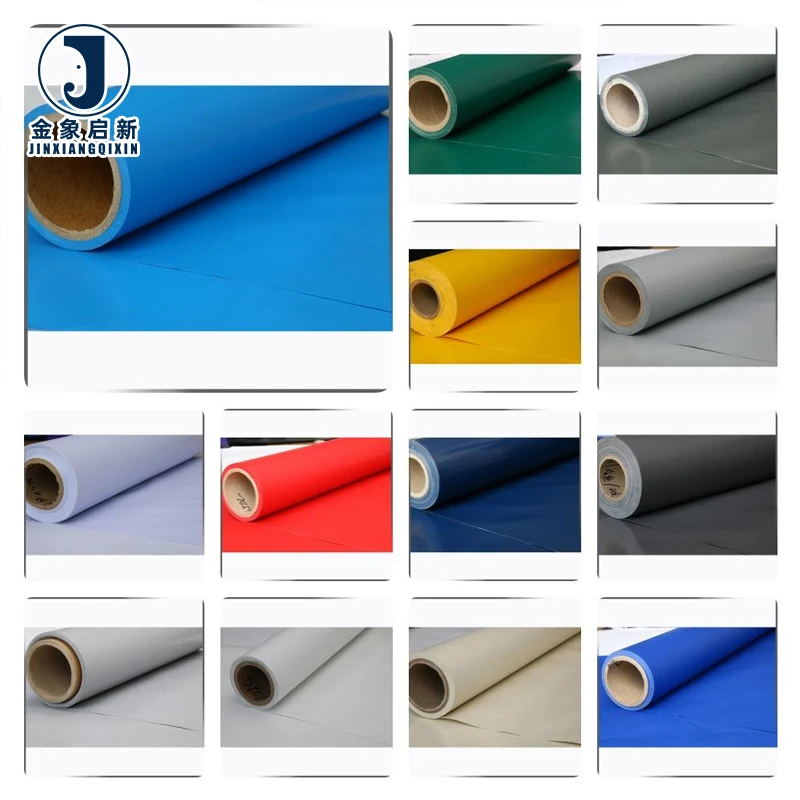
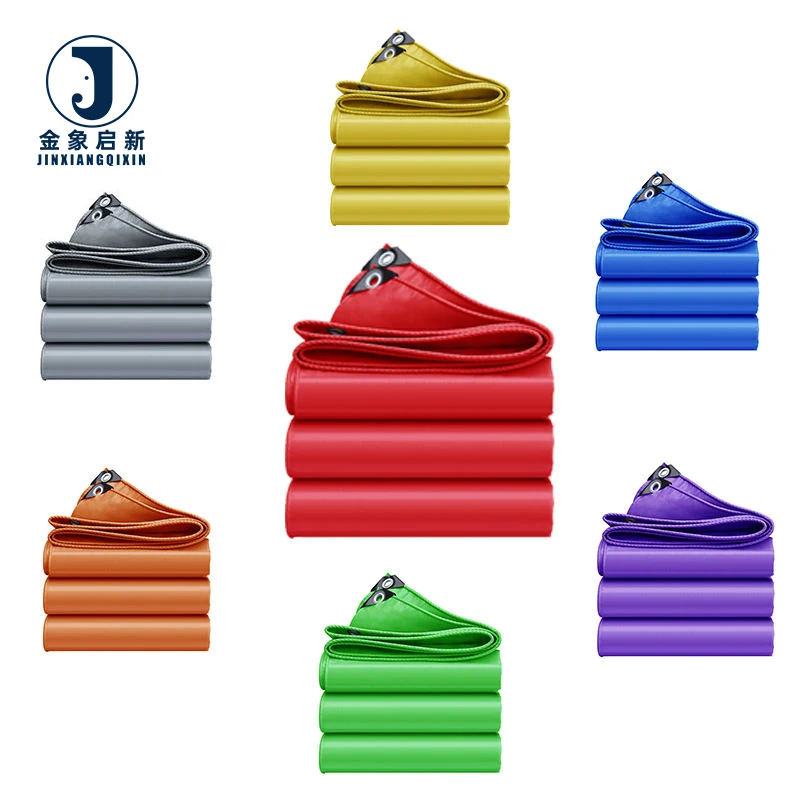
Description
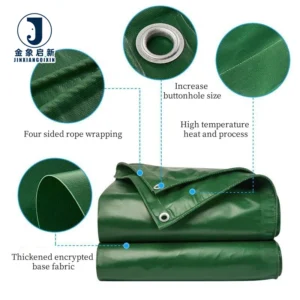
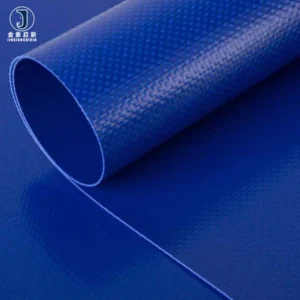
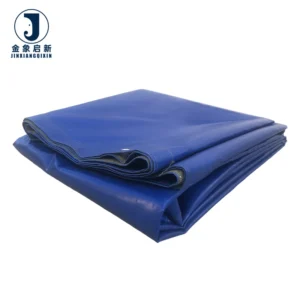
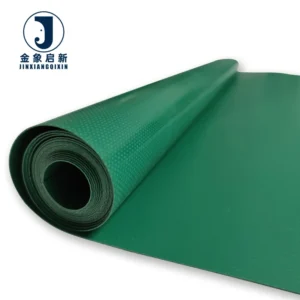
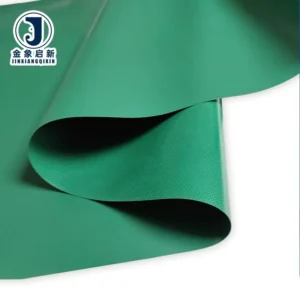
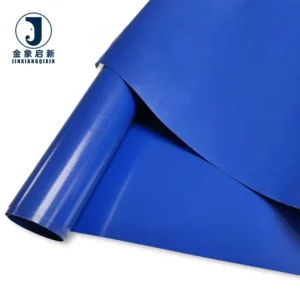
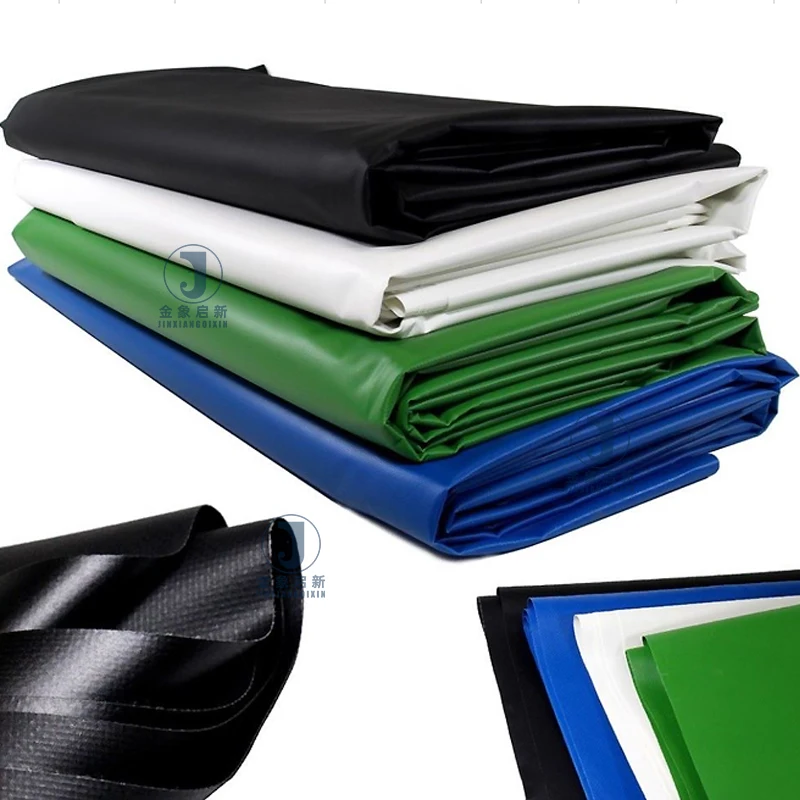
Bulk Capacity, Verified Consistency — Three full production lines and 36 sets of professional equipment ensure every roll of PVC coated tarpaulin ships with documented weight and colour verification.
Technical Specifications
| Parameter | Value |
|---|---|
| Product Type | PVC Coated Tarpaulin Roll |
| Base Fabric | 100% high tenacity polyester yarns |
| Coating Material | PVC |
| Coating Method | Laminated technology & Hot-melt Coating technology |
| Waterproof | Yes |
| Cold Crack Resistance | Yes |
| Tearing Strength | Outstanding tearing strength for welding |
| Adhesion Strength | Good |
| Color Fastness | Best (test basis not stated in source) |
| Special Treatment Options | Flame Retardant (grade not stated); Anti-Static (standard not stated); Anti-cold; Anti-mildew |
| Outdoor Weather Resistance | 3–5 years (source value — verify against manufacturer catalog) |
| Certifications | ISO and CE (verify against shipment documentation) |
Application Suitability
| Application | Exposure & Requirement |
|---|---|
| Tarpaulin distributor stock | Roll-to-roll GSM and colour consistency across container loads for regional resale |
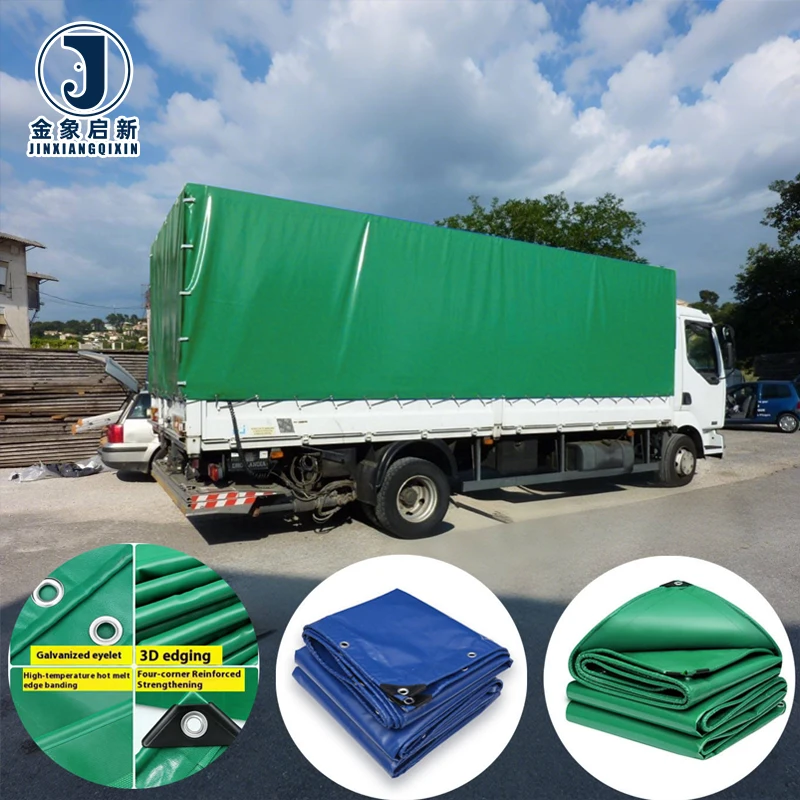
| Truck side curtain fabrication | Constant flexing, road abrasion, and high-frequency welding along seams |
| Tent and awning manufacturing | Batch colour matching across multiple rolls, clean welding behaviour |
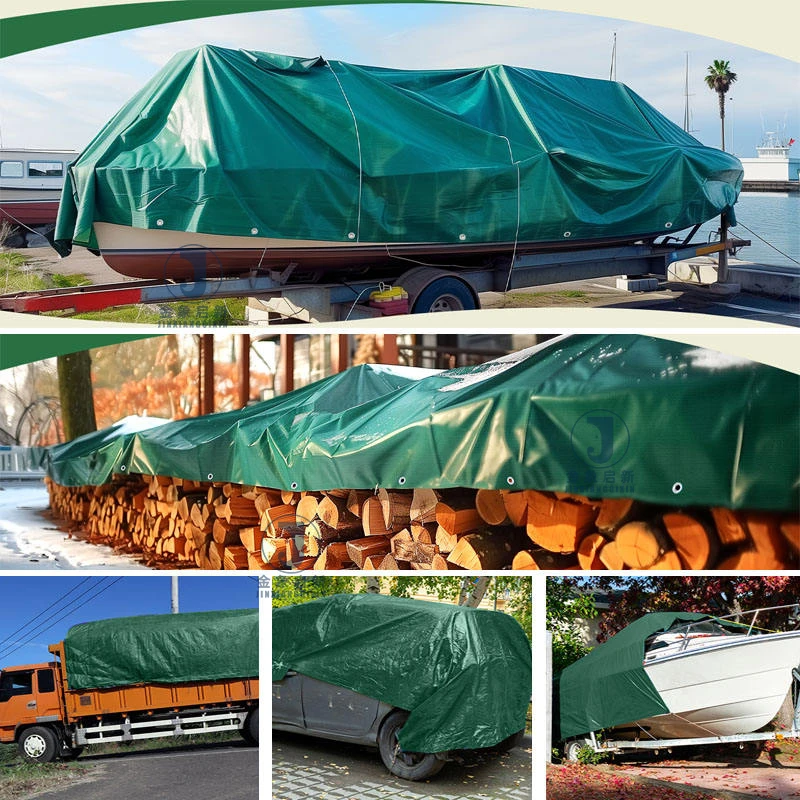
| Industrial equipment covering | Waterproof barrier, outdoor UV exposure, mildew resistance in humid storage |
| Inflatable and membrane structures | Dimensional stability, coated surface for heat-welded panel joining |
Why Roll-to-Roll Consistency Matters More Than Quoted GSM
A quoted GSM figure means nothing if the roll on your warehouse floor weighs less than what you paid for.
When buying PVC coated tarpaulin roll wholesale, the gap between the specification sheet and the material you actually receive is where most supply relationships break down. A distributor commits to a container load based on a stated weight, only to find the rolls arriving 5–10% lighter — cutting into margins, weakening the end product, and forcing renegotiations with their own customers [NEED_CITE: GSM deviation tolerance in coated fabric trade]. Colour shifts between production batches compound the problem: two rolls from the same order installed side by side on a truck curtain or tent roof make the inconsistency visible to the end user. The cost is not just the material — it is the rework, the rejected shipment, and the credibility lost downstream.
Stock Availability and Container-Load Planning
Distributors and importers sourcing PVC coated tarpaulin roll wholesale need reliable stock depth in standard GSM grades and widths. Maintaining inventory across commonly specified weights allows mixed-container orders where different grades ship together without extended lead times. Roll count, net weight, and dimensions determine container utilisation — and every unused cubic metre is freight cost wasted on air.
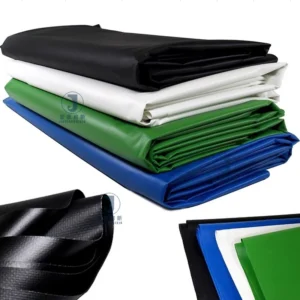
Colour Matching Across the Full Order
Colour consistency is a manufacturing discipline, not a sorting exercise after production. Achieving batch-to-batch uniformity requires controlled pigment dosing, consistent coating temperature, and standardised curing conditions across all three production lines. When a container holds twenty rolls destined for the same tent or fleet curtain project, visible shade variation between adjacent panels is unacceptable [NEED_CITE: colour fastness testing methods for PVC coated textiles]. Verification under standardised lighting before packing is the checkpoint that prevents field complaints.
Understanding How Coating Technology Affects Fabrication
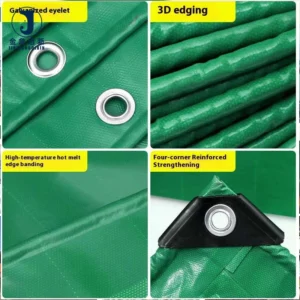
The combination of laminated technology and hot-melt coating technology produces a bond between the polyester base fabric and the PVC layer that behaves differently under heat welding than single-process alternatives. Laminated coating builds adhesion through thermal bonding of pre-formed PVC films to the substrate, creating a uniform coating thickness. Hot-melt coating flows molten PVC into the weave, filling interstices and locking the yarn structure. The result is a material where the coating-to-fabric adhesion supports clean, strong welded seams — critical when fabricators join panels for truck curtains or large-format covers. Tearing strength at the weld line depends on how well the coating transfers stress into the base yarn network rather than peeling away at the joint [NEED_CITE: tensile and tear test methods for coated fabrics per ISO 1421]. The high tenacity polyester yarn base contributes dimensional stability during welding, reducing distortion under heat.
The Hidden Cost of Specifying on Price Alone
Choosing roll stock based on the lowest per-kilogram quote frequently leads to downstream failures that far exceed the initial savings. Lighter-than-specified coating weight reduces waterproof durability and shortens the interval before the base fabric becomes exposed at abrasion points. Inconsistent adhesion between coating and yarn causes delamination during fabrication — the welder discovers the PVC skin pulls away from the substrate under heat, producing weak seams that fail in service. Anti-mildew or flame retardant treatments claimed on paper but absent in the coating formulation leave the end product vulnerable in humid or regulated environments [NEED_CITE: flame retardant certification requirements for industrial textiles]. Batch colour inconsistency forces fabricators to reject partial rolls, increasing waste and delaying project timelines.
What Production Infrastructure Means for Your Order
Three full production lines dedicated to coated fabric mean capacity is not shared with unrelated product categories — your roll order does not compete for machine time with other material types. Thirty-six sets of professional equipment support operations from weaving inspection through coating, curing, winding, and packing. A ten-person R&D team handles custom width slitting, colour formulation, and sample development, producing samples within days rather than weeks. Dedicated quality control at every production stage catches GSM drift, coating voids, and colour deviation before the roll reaches the packing area. One hundred percent pre-shipment inspection with documented weight verification means the packing list you receive reflects actual measured values, not production targets.
Documentation & Verification
- Material specification sheet stating exact GSM, base fabric construction, and coating method per roll
- Pre-shipment inspection record with measured weight and colour verification for every batch
- Roll packing list with individual roll count, net weight, and container loading plan
- Certificate of origin and full customs documentation prepared for international shipment
- Test reports for flame retardant and anti-static grades where applicable to the order
Fabrication, Handling & Storage
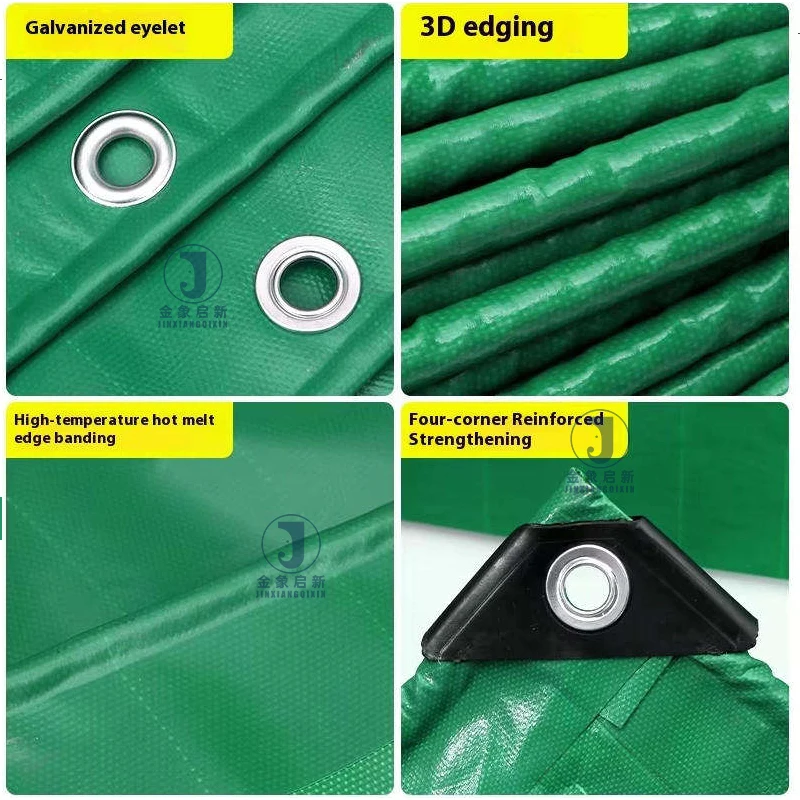
- Heat-weld seams using temperature settings matched to the laminated and hot-melt PVC coating to achieve full adhesion without delamination
- Store rolls upright on cores in a dry, shaded area to prevent flat-spot deformation and surface marking on the PVC coating
- Allow cold-stored rolls to reach ambient temperature before unrolling to avoid cracking the anti-cold treated PVC layer
- Plan cutting layouts around the available roll width to minimise offcuts and welded seam joints on large-format covers
- Use compatible PVC-based repair cement for field patching, ensuring the adhesive bonds to the hot-melt coating surface
What to Include in Your Enquiry
Specify the GSM grade, roll width, and treatment requirements relevant to your market — including any flame retardant or anti-static standards your end users must meet. Indicate your annual volume and whether you need stock grades for immediate dispatch or custom colours and widths for a scheduled production run. If you require pre-production samples for welding trials or colour approval, note this in your initial enquiry so sample development can run in parallel with quotation.
Frequently Asked Questions
Q: How is GSM verified on each roll before shipment?
A: Every roll is weighed individually during pre-shipment inspection. The measured weight is recorded against the roll number and compared to the quoted specification. Any roll falling outside tolerance is flagged and replaced before packing. The inspection record accompanies the shipping documentation so you can verify the data on receipt.
Q: How do you ensure batch-to-batch colour consistency across a container order?
A: Pigment formulations are locked once approved, and coating temperature and curing conditions are held constant across all production runs for a given order. Rolls are compared under standardised lighting before packing. A colour reference sample is retained on file for future reorders to maintain continuity across shipments.
Q: What is the maximum roll width available and how does it affect container loading?
A: Available widths depend on production line configuration and the specific grade ordered. Wider rolls reduce the number of welded seams in large-format fabrication but affect the number of rolls per container. We provide a container loading plan with roll count and weight breakdown at the quotation stage so you can plan freight costs accurately.
Q: What special treatments are available and how are they documented?
A: Flame retardant, anti-static, anti-cold, and anti-mildew treatments are available. Specify the grade or standard your market requires — such as a fire classification or surface resistance value — so we can match the formulation. Applicable test reports are included with the shipment documentation for each treated batch.
Q: What is the minimum order for custom width or custom colour roll orders?
A: Minimums for custom specifications vary by width, colour complexity, and treatment requirement. Standard stock grades carry lower thresholds. Share your target specification and volume in your enquiry, and the quotation will include the applicable minimum alongside lead time for production and dispatch.