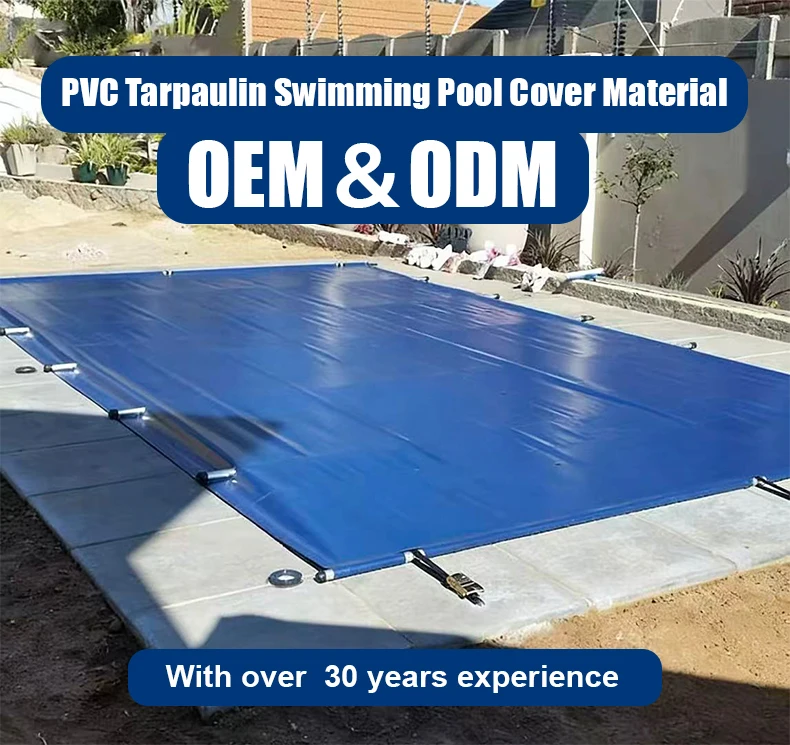
Description
Stock-Grade Rolls Ready — Coated fabric supplied in container-load quantities with roll-to-roll colour and weight consistency, verified before dispatch.
Technical Specifications
| Parameter | Value |
|---|---|
| Product Type | PVC Coated Tarpaulin |
| Coating Material | PVC |
| Weight Grade | Medium Weight (source value — verify against manufacturer catalog) |
| UV Treatment | Anti-UV (test basis not stated — confirm grade required for your market) |
| Waterproof Performance | Waterproof / Rainproof (specific rating not stated) |
| Surface Finish | Available in glossy or matte finish |
| Roll Availability | Stock widths and bulk roll lengths for immediate dispatch |
| Key Features | Waterproof, anti-UV treatment available, medium weight for fabrication balance |
Application Suitability
| Application | Exposure & Requirement |
|---|---|
| Awning and canopy fabrication | Prolonged sun exposure, wind load, rain deflection, repeated folding at pivot points |
| Shade sail manufacturing | High UV exposure, tensile stress at corner rings, colour visibility in architectural settings |
| Pet house and outdoor shelter covers | Ground moisture, rain splash, abrasion from animal contact, seasonal storage and redeployment |
| Tarpaulin distributor stock | Consistent batch colour across rolls, reliable GSM per roll, container-load volume availability |
Why Colour Drift Between Rolls Becomes a Visible Problem on Site
Batch-to-batch colour control during coating is what separates a clean installation from a patchwork one.
When fabricators cut panels from multiple rolls to assemble a single awning or shade sail, even slight colour variation becomes obvious once the panels hang side by side in natural light. Buyers who source from different production batches frequently report this issue after the material is already installed, making rectification costly and reputationally damaging. The problem is not the dye formula itself — it is the inconsistency in coating weight and pigment dispersion across production runs [NEED_CITE: colour consistency standards for coated fabrics in architectural applications]. Sourcing PVC coated tarpaulin wholesale from a supplier running three dedicated production lines with in-process QA at every coating stage reduces this risk substantially, because pigment dosing and coating thickness are held within tolerance throughout the entire order.
How Roll-to-Roll Consistency Is Maintained Across Bulk Orders
Consistency across a PVC coated tarpaulin wholesale order depends on controlling three variables simultaneously: base fabric tension during coating, PVC paste viscosity, and oven temperature profile. When any one of these drifts, the finished roll will show variation in both colour depth and surface gloss. On our production lines, coating weight is monitored at regular intervals during each run, and any deviation triggers an adjustment before the roll is completed rather than after.
This matters most when a single shade sail project requires six or eight rolls cut from the same production batch. If roll three and roll seven came from different coating runs with slightly different oven profiles, the colour shift will be visible at the seam line. Dedicated QA inspection at every production stage catches these mismatches before rolls are packed together [NEED_CITE: ISO 1421 tensile and tear test methods for coated fabrics].
What Medium Weight Grade Means for Fabrication Yield and Durability
Medium weight PVC coated tarpaulin occupies the working range where the fabric is heavy enough to hold shape under wind load on an awning frame, yet light enough for a fabrication shop to handle on standard cutting tables without specialised lifting equipment. This balance directly affects production throughput — heavier grades require more personnel per panel and increase wear on heat-welding platens, while lighter grades may not survive the tension applied at shade sail corner reinforcement points.
For pet house and shelter covers, medium weight offers sufficient waterproof performance against rain and ground splash without making the finished product too rigid for seasonal folding and storage. The coating adhesion at this weight grade supports welded seam construction, which is critical because sewn seams on medium-weight PVC tend to wick water through needle holes unless sealed — adding a process step that welded seams eliminate entirely [NEED_CITE: welded seam strength relative to base fabric tensile in PVC coated materials].
Understanding Coating Weight, Base Fabric, and What GSM Actually Tells You
GSM alone describes the total mass per square metre of the finished coated fabric, but it does not distinguish between base fabric contribution and coating contribution. Two rolls with identical GSM can have very different tensile and tear performance if one uses a heavier base yarn with a thinner coating while the other uses a lighter base with a thicker coat. The base fabric denier and weave density govern tear propagation resistance, while the coating weight governs waterproof integrity, UV shielding, and weldability.
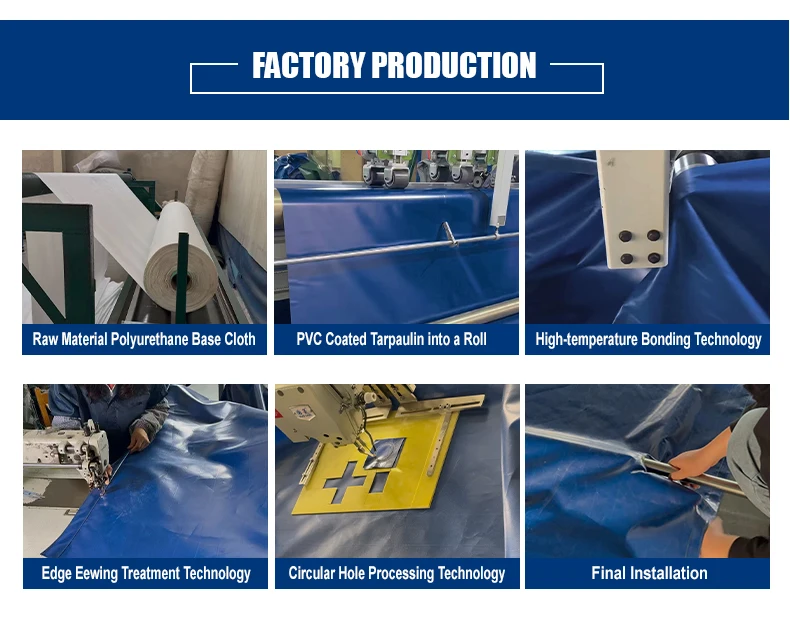
PVC coating applied by knife-over-roll method produces a controlled coating thickness that bonds mechanically and chemically to the base fabric, supporting strong heat-weld seams. Surface finish — glossy or matte — affects both cleanability and printing adhesion; glossy surfaces shed dirt more readily under rain, while matte surfaces accept screen-printed branding with less ink bleed. For awning and shade sail fabricators, the choice between finishes often depends on whether the finished product will carry printed logos or remain a solid architectural colour.
The Hidden Cost of Accepting Unverified Weight on Arrival
When quoted GSM does not match delivered GSM, the consequences appear downstream rather than at the receiving dock. A roll that arrives lighter than specified will have a thinner coating, which reduces waterproof performance and accelerates UV degradation of the base fabric underneath. For shade sail manufacturers, this means corner reinforcement patches may delaminate earlier than expected because the coating did not provide adequate adhesion surface.
Batch colour inconsistency forces fabricators to either reject rolls mid-production — delaying shipment to their own customers — or ship mixed-colour installations that generate warranty claims. Either outcome erodes margin far beyond the per-metre savings of the cheaper source [NEED_CITE: cost of rework from colour mismatch in architectural fabric installations]. Pre-shipment inspection with a roll packing list that records GSM per roll gives the buyer a verification checkpoint before the container is sealed.
Why Fabricators Source Their Roll Stock Here
Nearly 30 years of focused coated fabric production means the coating process parameters for every weight grade are established from historical production data, not trial and error on your order. Three full production lines with 36 sets of professional equipment support bulk volume dispatch without compressing lead times by skipping QA stages.
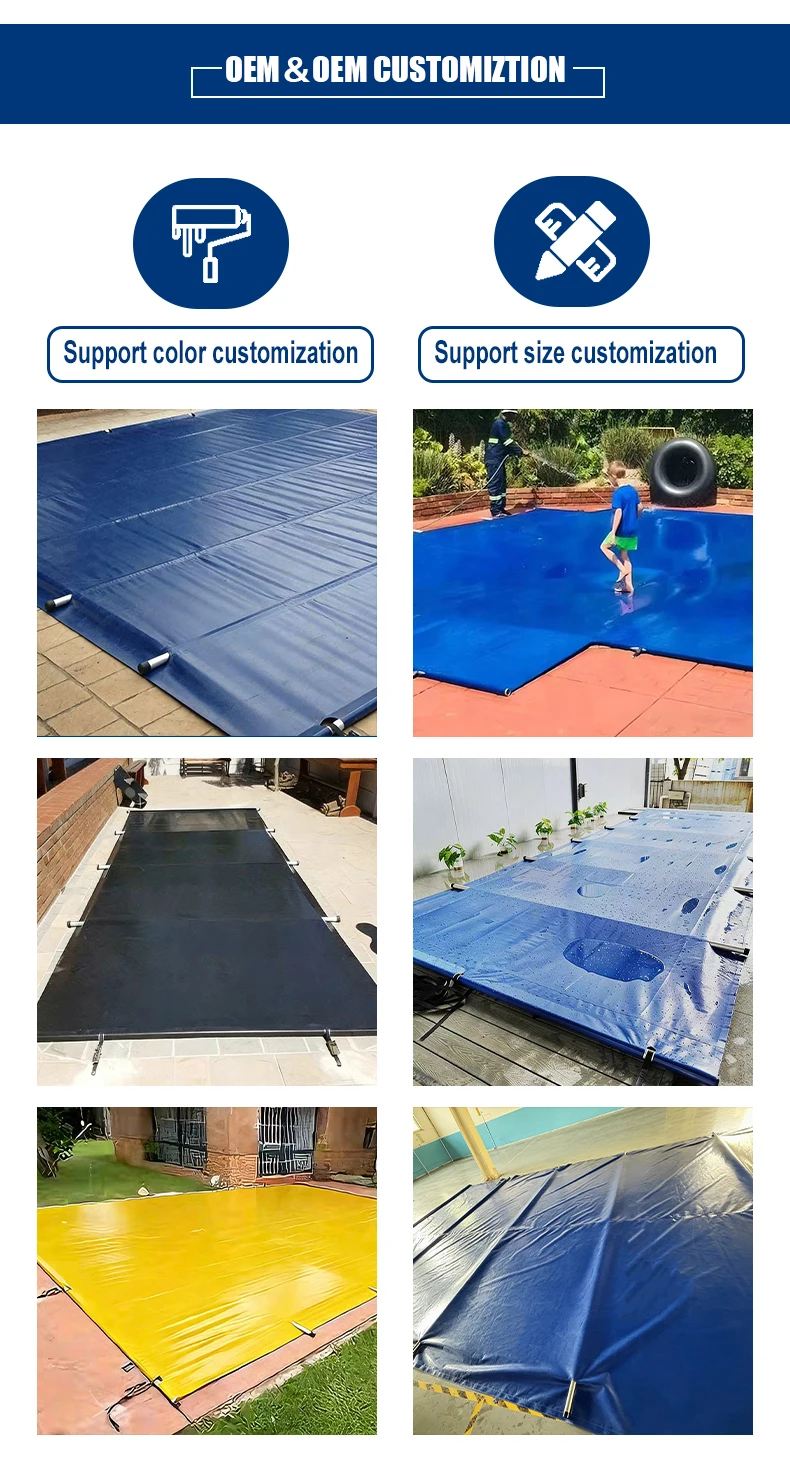
A 10-person R&D team handles custom width, colour matching, and sample development within days, so fabricators can approve a roll sample before committing to container-load quantities. Dedicated QA and QC inspection at every production stage — from base fabric incoming check through coating, winding, and packing — means the material specification sheet matches what arrives on the fabrication floor. One hundred percent pre-shipment inspection with documented records gives distributors confidence when stocking PVC coated tarpaulin wholesale inventory for their own downstream customers.
Documentation & Verification
- Material specification sheet stating GSM, base fabric denier, and coating weight per grade
- Roll packing list with individual roll count, net weight, and measured GSM per roll
- Pre-shipment inspection record confirming 100% inspection before container loading
- Anti-UV test report supplied with applicable grades — confirm grade required for your market
- Certificate of origin and customs documentation for international roll stock shipments
Fabrication, Handling & Storage
- Heat-weld medium weight PVC at manufacturer-recommended temperature to avoid coating blister or weak bond
- Store rolls horizontally on pallets to prevent permanent creasing in the PVC coating layer
- Allow cold-stored rolls to reach ambient temperature before unrolling to prevent coating crack
- Use compatible PVC adhesive for field repairs on medium weight grade shelter and awning panels
- Plan cutting layout to minimise offcuts and maximise yield from each stock-width roll
What to Include With Your Roll Stock Enquiry
To specify the right material for your production line, share the end-use application, the exposure conditions your finished product will face, and the annual roll volume you plan to purchase. If you require a specific stock width or a custom colour matched to an architectural palette, provide the reference sample or Pantone code with your enquiry. Confirm whether you need full rolls only or if cut-to-size panels with reinforced hems are part of your requirement, and indicate whether anti-UV treatment with a supporting test report is mandatory for your target market.
Frequently Asked Questions
Q: How is GSM verified on arrival and what documentation supports the quoted weight?
A: Each roll is weighed and recorded on the roll packing list before dispatch, showing individual roll weight and measured GSM. The material specification sheet states the target GSM and base fabric details for your grade. On arrival, you can verify any roll against these documents using a standard scale and a measured sample cut. We supply these records with every shipment so verification is immediate.
Q: How is colour consistency controlled across rolls within the same order?
A: All rolls in a single order are produced within the same coating run wherever possible, holding pigment dosing and oven temperature constant. Our QA team checks colour against the approved reference at multiple points during production. Rolls showing deviation outside tolerance are segregated before packing, so the rolls you receive share the same production batch and colour profile.
Q: What stock widths and roll lengths are available for immediate dispatch?
A: We maintain stock in standard widths suited to awning, shade sail, and shelter fabrication. Roll lengths are supplied in bulk quantities optimised for container loading. For exact available widths and current stock levels, include your required specifications in your enquiry and we will confirm available inventory and dispatch timing.
Q: What are the MOQ and lead time for custom width, colour, or GSM grade?
A: Custom specifications are produced on our dedicated lines with MOQs that vary by the degree of customisation required — a stock colour in a non-standard width has a lower minimum than a fully custom Pantone match. Lead times depend on current line scheduling and raw material availability. Submit your target specification and annual volume for a confirmed minimum and production schedule.
Q: How is the anti-UV treatment validated and what test reports are provided?
A: Anti-UV treatment is available across applicable grades, and the specific test basis should be confirmed for the grade you select. We supply test reports with applicable grades upon shipment. Because UV performance requirements vary by market and end-use exposure, we recommend stating your target market and expected outdoor exposure conditions so we can match the correct treatment grade to your application.