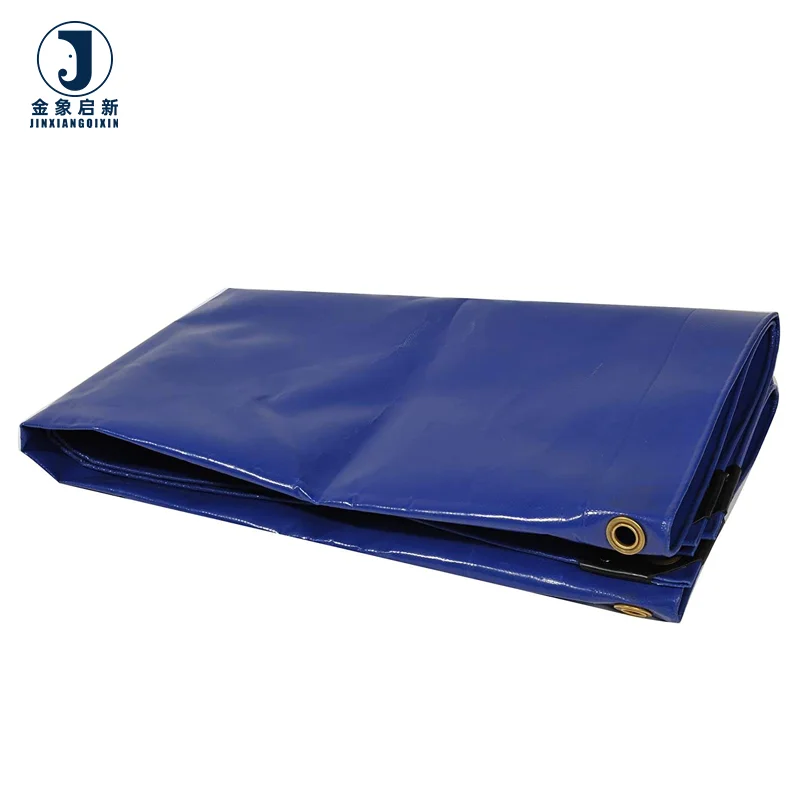
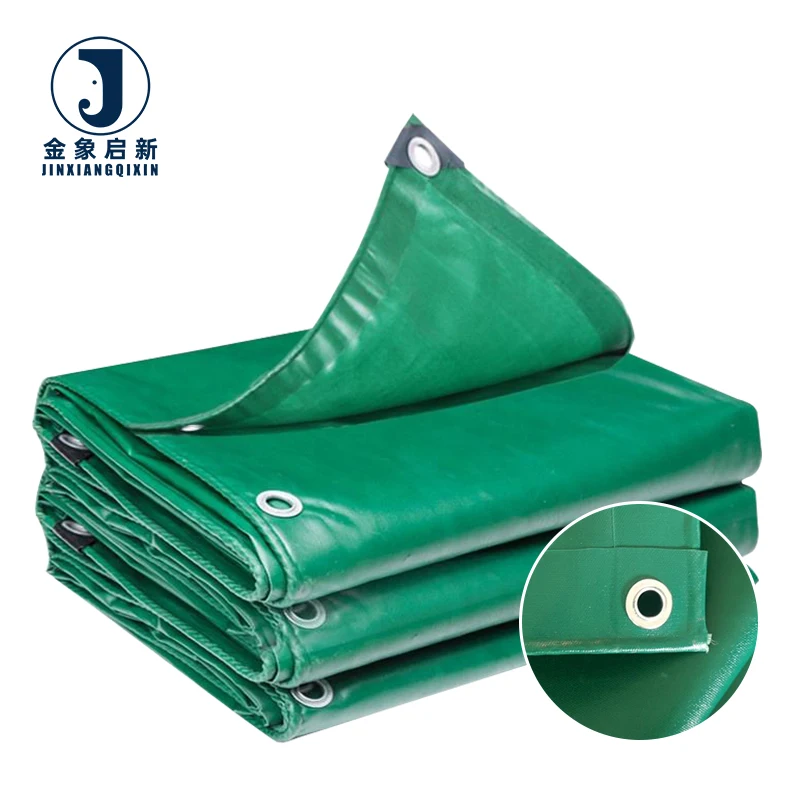
Description
Consistent Roll-to-Roll Quality — batch-controlled coating lines maintain weight and colour uniformity across every roll in a multi-container order, verified before dispatch.
Technical Specifications
| Parameter | Value |
|---|---|
| Product Type | PVC Coated Tarpaulin Roll |
| Material | PVC + High-strength polyester mesh fabric |
| Coating Technology | Laminated technology & Hot-melt coating technology |
| Weight (GSM) Options | 350gsm / 420gsm / 500gsm / 550gsm / 600gsm / 750gsm |
| Total Thickness Options | 0.32mm / 0.35mm / 0.4mm / 0.45mm / 0.5mm / 0.65mm |
| Standard Roll Size | 2m width × 75m length / 2.1m width × 50m length |
| Base Fabric | High-strength polyester mesh |
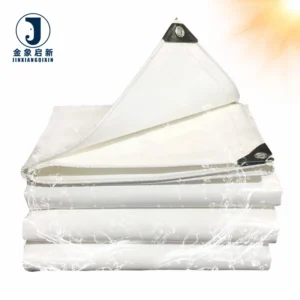
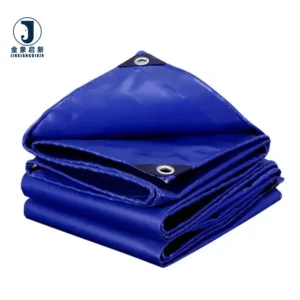
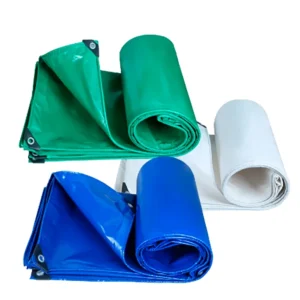
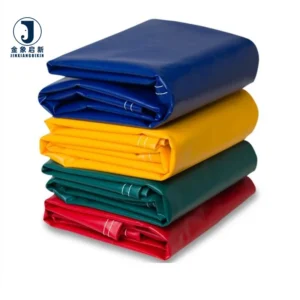
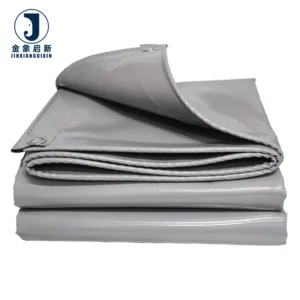
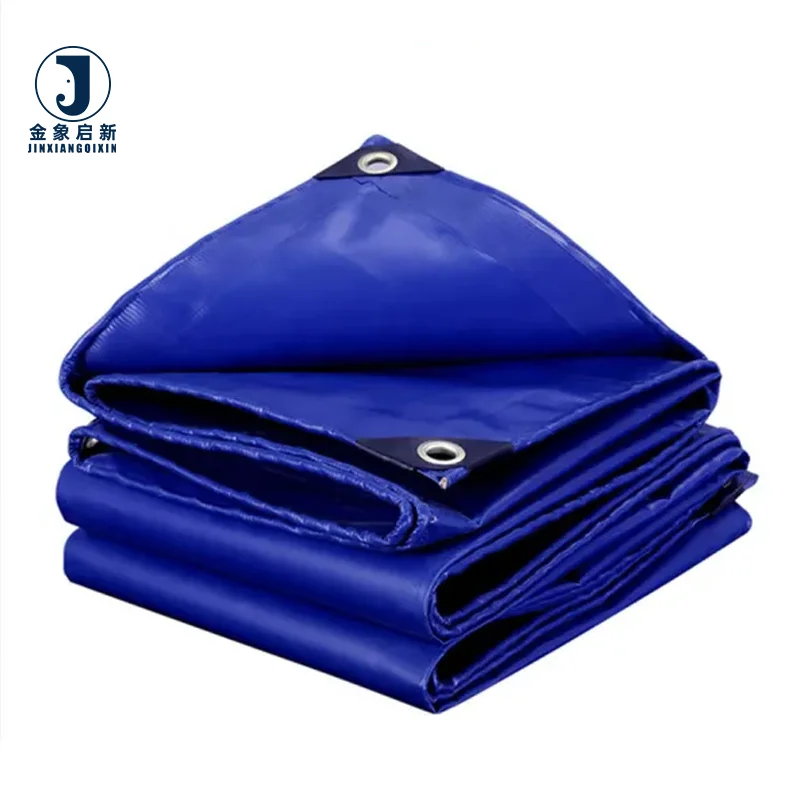
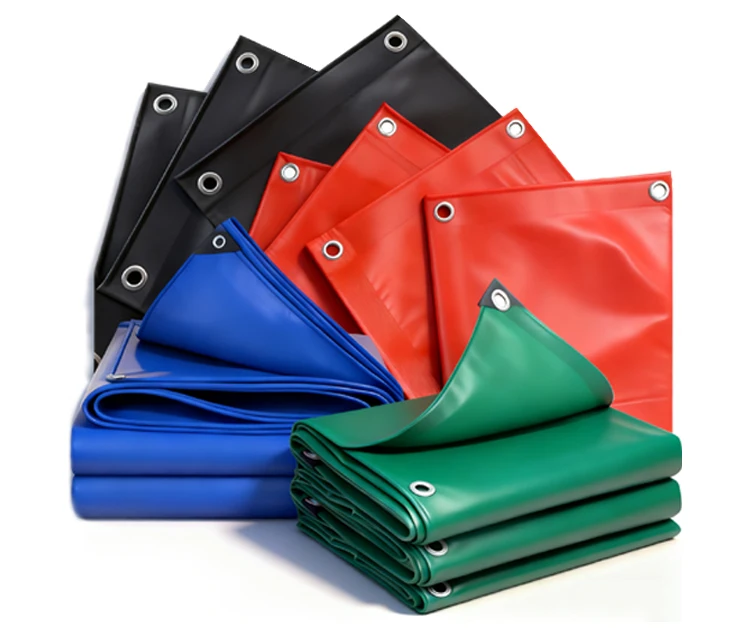
| Color Options | Blue / Red / Yellow / Light Blue / Grey (customizable) |
| Key Features | Waterproof, cold crack resistant, anti-mildew, anti-static treatment, sunproof |
| Standards | ISO, CE |
Application Suitability
| Application | Exposure & Requirement |
|---|---|
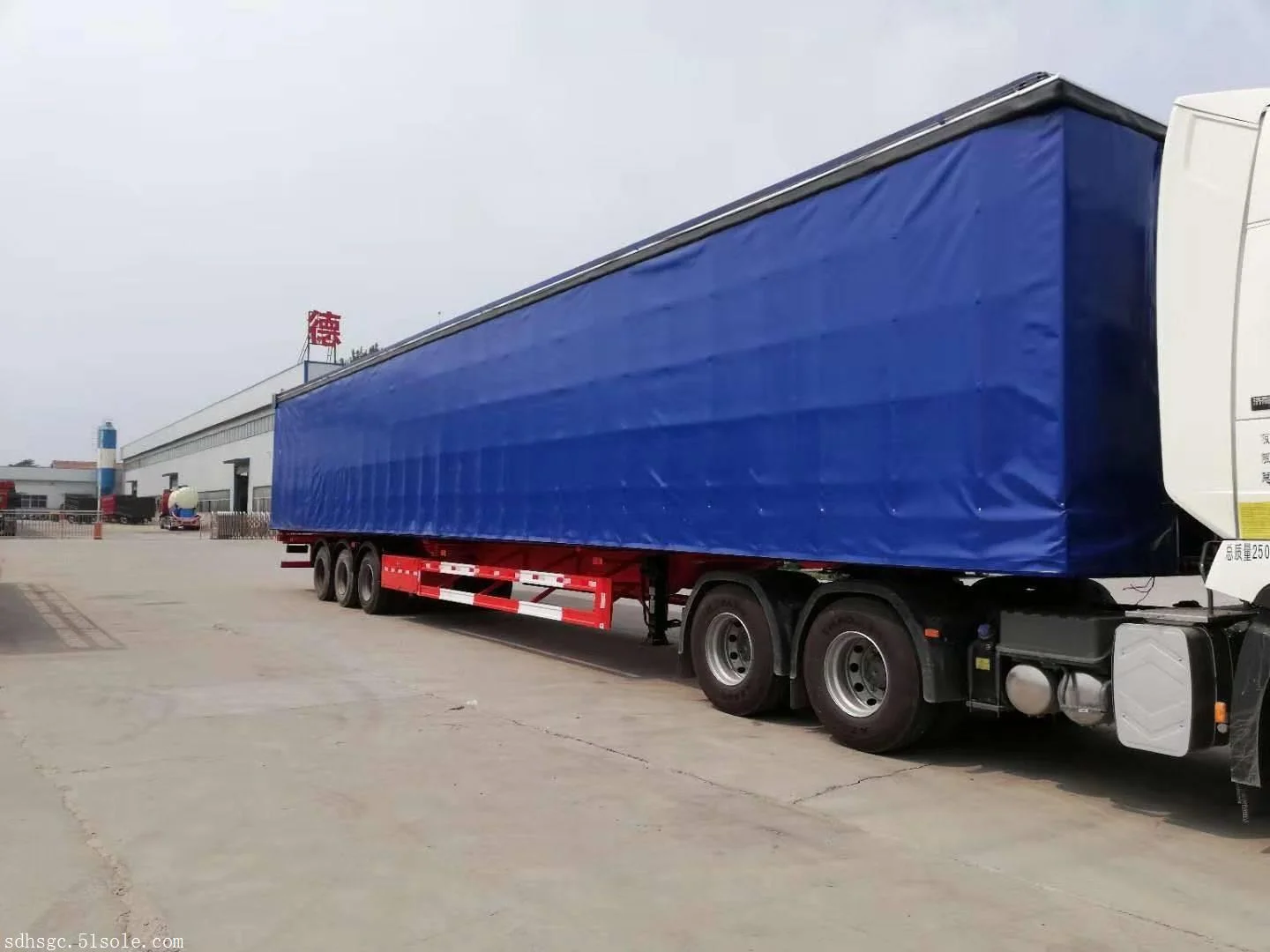
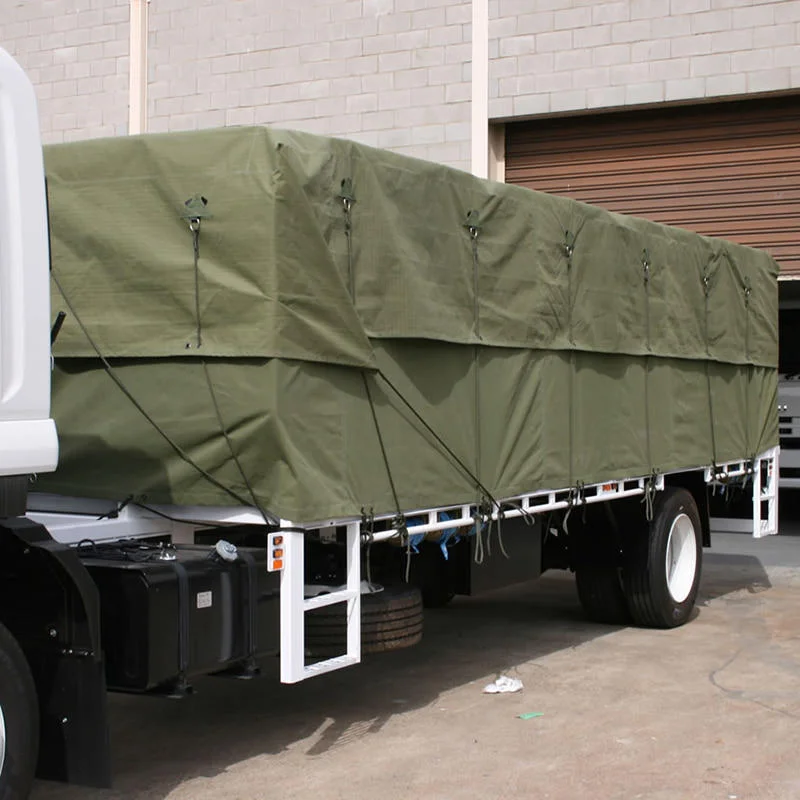
| Truck and trailer tarpaulin covers | Continuous road abrasion, high-speed wind flexing, prolonged sun and rain exposure requiring strong weld lines |
| Cargo ship and freight covers | Saltwater spray, heavy stacking loads, long ocean transit requiring waterproof integrity and mildew resistance |
| Tent and awning fabrication | Repeated assembly and teardown stress, UV exposure, need for clean panel welding from consistent roll stock |
| Fish tank and pool lining | Permanent water contact, hydrostatic pressure, chemical exposure from water treatment requiring pinhole-free coating |
Why Colour Drift Between Rolls Costs Fabricators More Than GSM Variation
Roll-to-roll colour consistency determines whether a multi-panel truck cover passes visual inspection on the fleet lot.
When a fabricator cuts panels from six different rolls to build a single trailer curtain, even a slight hue shift between rolls becomes visible once the panels are heat-welded side by side. The entire cover may be rejected at delivery, forcing a full remake. This problem rarely originates from the coating formula itself but from insufficient batch control during production runs spanning multiple days or coating runs [NEED_CITE: colour measurement tolerances for PVC coated textiles]. Buyers sourcing PVC coated tarpaulin roll wholesale for fabrication need documented batch numbers tied to each roll, not just a general colour reference on the packing list.
Container Loading Efficiency for Bulk Distributors
Standard roll dimensions of 2m × 75m and 2.1m × 50m are structured for predictable container loading calculations. Distributors building mixed-GSM orders can plan roll counts, gross weight, and cubic metre utilisation per 20ft or 40ft container before placing the order. Consistent roll diameters across GSM grades simplify stacking plans and reduce the risk of crushed outer wraps during ocean freight.
Batch Tracking Across Multi-Roll Orders
Every roll in a PVC coated tarpaulin roll wholesale order ships with a batch reference linking it to a specific coating run. This allows fabricators to trace any field performance issue back to the production date, base fabric lot, and coating batch. When a warranty claim arises from a truck cover installed on a fleet vehicle, the batch number on the original roll packing list directs the investigation to the correct production window [NEED_CITE: traceability requirements in coated fabric supply chains].
How GSM, Coating Method, and Base Fabric Interact
The six available GSM grades from 350gsm to 750gsm correlate with total thickness values from 0.32mm to 0.65mm, but weight alone does not define mechanical performance. The high-strength polyester mesh base fabric carries the tensile and tear load, while the PVC coating protects the yarns from abrasion and moisture ingress. Hot-melt coating technology produces stronger adhesion between the PVC layers and the base fabric compared to simple laminated construction, which matters at heat-welded seams where delamination causes premature failure. A 550gsm roll with hot-melt coating may outperform a heavier roll made with a weaker coating bond, particularly when the fabricated cover undergoes repeated flexing under load. The coating weight applied to each face of the mesh also affects weld parameter settings — heavier coating grades typically require higher temperature or longer dwell time on hot-air welding equipment to achieve full penetration without scorching the outer surface.
The Hidden Cost of Unverified Roll Weight
Fabricators who do not verify roll weight on arrival sometimes discover mid-production that the material is lighter than the quotation stated. A cover fabricated from underweight stock may pass initial inspection but fail at the weld line within months of service, as the coating layer is too thin to withstand flex fatigue at panel joints. This failure pattern is difficult to diagnose in the field because the fabric surface appears intact while the delamination occurs between the coating and the base fabric [NEED_CITE: coating adhesion failure modes in PVC tarpaulins]. Sampling a roll from each batch with a scale test before cutting begins eliminates this risk entirely.
Why Fabricators and Distributors Source Here
Three full production lines with 36 sets of professional equipment support large container orders without splitting a single colour across multiple production runs, reducing the batch variation that causes panel mismatch. The dedicated QA/QC process includes weight verification per roll before packing, so the GSM stated on the quotation matches the material on the cutting table. A 10-person R&D team handles custom width, custom colour, and pattern printing development with samples produced within days, allowing buyers to approve material before committing to full production volume. Roll packing lists with batch numbers and container loading plans ship with every dispatch, giving distributors the documentation needed for downstream traceability and customs clearance. Pre-shipment inspection records accompany each order, providing an independent check before the container is sealed.
Documentation & Verification
- Material specification sheet stating GSM, base fabric type, and coating technology for each roll grade ordered
- Weight verification certificate per roll confirming actual GSM against quoted specification before dispatch
- Roll packing list with batch numbers linking each roll to its production run for traceability
- Container loading plan detailing roll count, gross weight, and CBM for freight planning
- ISO and CE certificates covering the manufacturing facility and production processes
Fabrication, Handling & Storage
- Hot-air welding temperature and speed settings vary by GSM grade — test weld on scrap from each roll batch before production runs
- Heavier grades such as 750gsm require longer cooling time at weld seams to achieve full bond strength before handling
- Store rolls upright on pallets in a covered area to prevent flat spots on the outer wrap that cause creasing during unrolling
- Allow cold-stored rolls to acclimate to workshop temperature before unrolling to prevent coating micro-cracking at low flexibility
- Cut panels from the same roll batch for adjacent sections of a single cover to maintain colour consistency across weld lines
- Clean cutting tables before unrolling to prevent embedded grit from scoring the PVC coating surface during fabrication
What We Need to Quote Your Roll Order
To provide an accurate quotation and lead time, share the GSM grade or grades required, the standard or custom roll width, the colour reference or custom colour specification, and the estimated annual volume. If your market requires specific treatment grades for fire safety or anti-static compliance, state the standard or regulation your end users must meet. Let us know whether you need rolls only or finished cut-to-size covers with eyelets and reinforced hems, so we can scope the correct production line for your order.
Frequently Asked Questions
Q: How do I verify the stated GSM on each roll when it arrives at my warehouse?
A: Request the pre-shipment weight verification certificate with your order, which documents the measured GSM per roll. On arrival, cut a measured sample from the outer layer of a representative roll and weigh it on a calibrated scale to confirm it falls within tolerance of the stated grade.
Q: What is your roll-to-roll colour consistency process across a multi-roll order?
A: All rolls within a single order are allocated from the same coating batch where possible, with batch numbers recorded on the roll packing list. For large orders spanning multiple production runs, we provide a pre-production sample for colour approval before the full run proceeds.
Q: How do you calculate container loading for a bulk roll order?
A: We provide a container loading plan with each quotation showing roll count, gross weight, and CBM per 20ft or 40ft container based on the specific GSM grades and roll dimensions ordered, allowing you to plan freight costs and warehouse space before confirming.
Q: Can I mix different GSM grades and colours in a single container order?
A: Mixed GSM and colour orders are supported within a single container, with each roll individually labelled and grouped by grade and colour on the packing list. This allows distributors to fulfil multiple customer requirements from one shipment.
Q: What is the lead time and MOQ for custom width or custom colour roll production?
A: Custom width and colour roll production requires a sample approval stage before the full production run begins. Typical lead times depend on order volume and current line scheduling — contact us with your specification and target quantity for a confirmed timeline.