Description
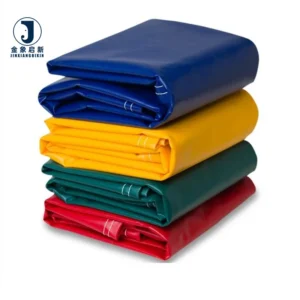
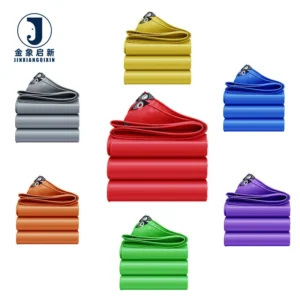
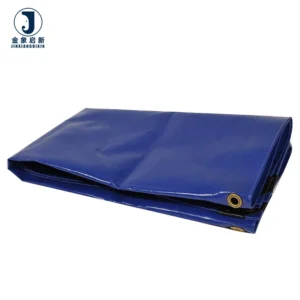
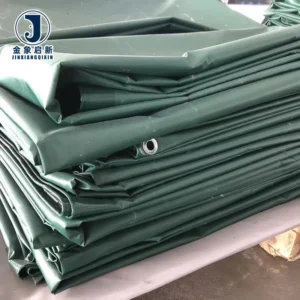
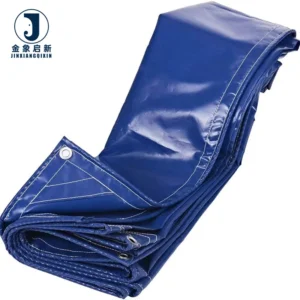
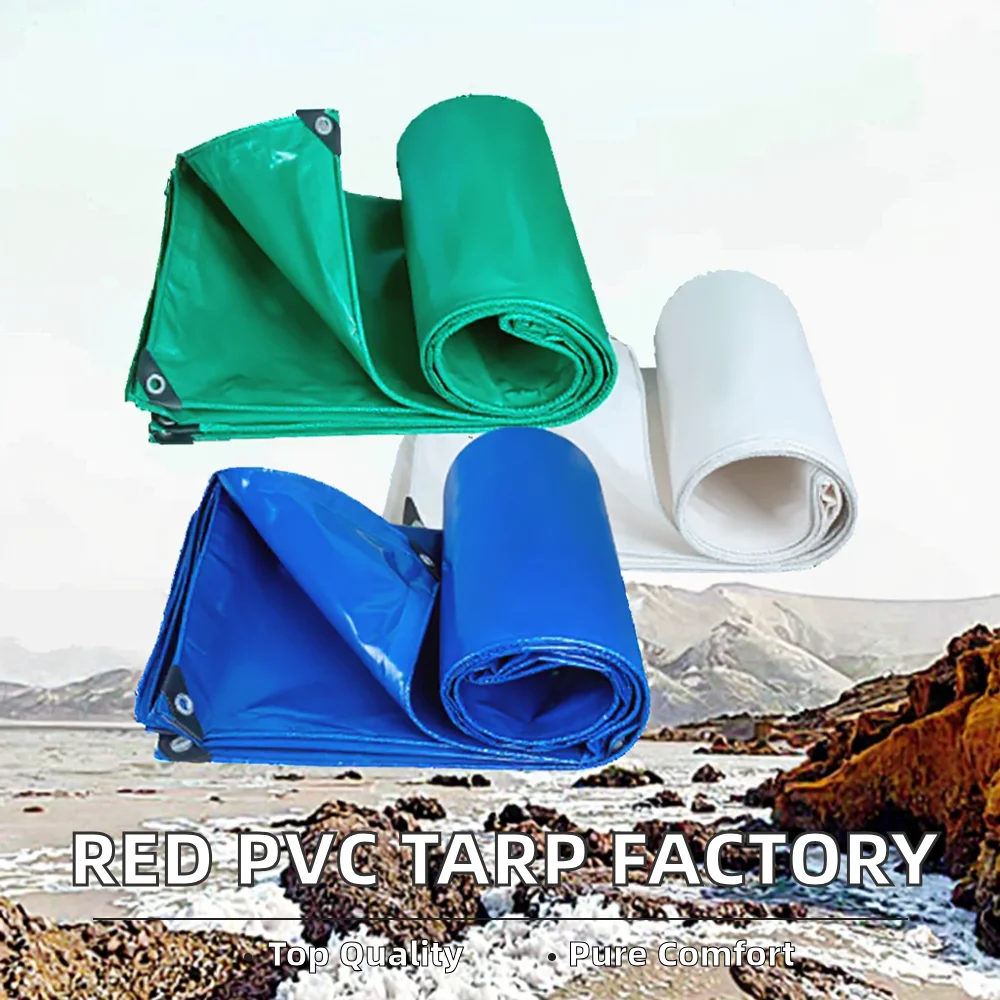
Batch-Matched Roll Supply — Every PVC coated tarpaulin roll leaving our facility is weighed, measured, and colour-checked against the order specification before dispatch.
Technical Specifications
| Parameter | Value |
|---|---|
| Product Type | PVC Coated Tarpaulin |
| Material | PVC Coated Polyester Fabric |
| Coating Method | Knife Coated |
| Base Fabric Denier | 1000D×1000D (source value — verify against manufacturer catalog) |
| Weight (GSM) | 420 g (source value — verify against manufacturer catalog) |
| Flame Retardant | Available in flame retardant grades — confirm the grade required for your market (grade not stated in source) |
| Anti-Static | Anti-static treatment available (standard not stated in source) |
| UV Treatment | Anti-UV treatment available (test basis not stated in source) |
| Anti-Mildew | Anti-mildew treatment available |
| Anti-Cold | Anti-cold treatment available |
| Finish Options | Glossy / Matte |
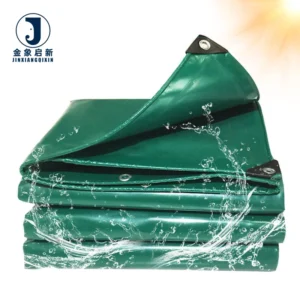
| Waterproof | Fully waterproof coated construction |
| Oilproof | Oilproof |
| Outdoor Life | Suited to extended outdoor exposure |
| Supply Format | Roll |
| Standards | ISO, CE |
Application Suitability
| Application | Exposure & Requirement |
|---|---|
| Tarpaulin distributors and importers | Consistent GSM and colour across container loads for regional resale and cutting |
| Tent, awning and inflatable manufacturers | Roll-to-roll batch uniformity for automated cutting and high-frequency welding |
| Truck cover fabricators | Tear resistance at flex points, waterproof coating, and abrasion tolerance during road use |
| General outdoor and industrial covers | Prolonged UV exposure, moisture contact, and mildew risk in humid storage |
Why Quoted GSM Often Disappoints on Arrival
A roll that arrives lighter than the quotation erodes trust and compromises the end product before fabrication even begins.
Buyers who source PVC coated tarpaulin roll wholesale frequently report that delivered material weighs less per square metre than the figure printed on the proforma. The shortfall may seem minor in isolation, but across a container load it represents a measurable gap between what was specified and what arrives on the factory floor. When rolls are then cut and welded into covers, the lighter fabric tears earlier at stress points and shows accelerated surface wear. This is not a rare occurrence — it is a recurring friction point in coated fabric trade. [NEED_CITE: tensile and tear test methods for coated fabrics per ISO 1421]
Roll-to-Roll Consistency Matters More Than Peak Strength
A single roll with impressive tensile figures offers little advantage if the next roll in the same shipment behaves differently under the weld bar. Our production lines maintain coating weight and base fabric tension within controlled tolerances so that consecutive rolls of PVC coated tarpaulin roll wholesale stock respond identically during high-frequency welding and hot-air seaming. Fabricators who cut and join dozens of panels per shift rely on this uniformity to keep machine settings stable and reject rates low.
Colour Uniformity Across Container-Quantity Orders
Visible shade variation between rolls becomes obvious once panels are installed side by side on a truck curtain or a large tent canopy. We control pigment dosing and mixing ratios at the coating stage and record colour reference numbers for every batch. When you order multiple rolls in a single colourway, each roll ships with its batch colour tag so your cutting team can group panels from the same dye lot and avoid mismatched seams in the finished product.
How GSM, Denier, and Coating Weight Interact
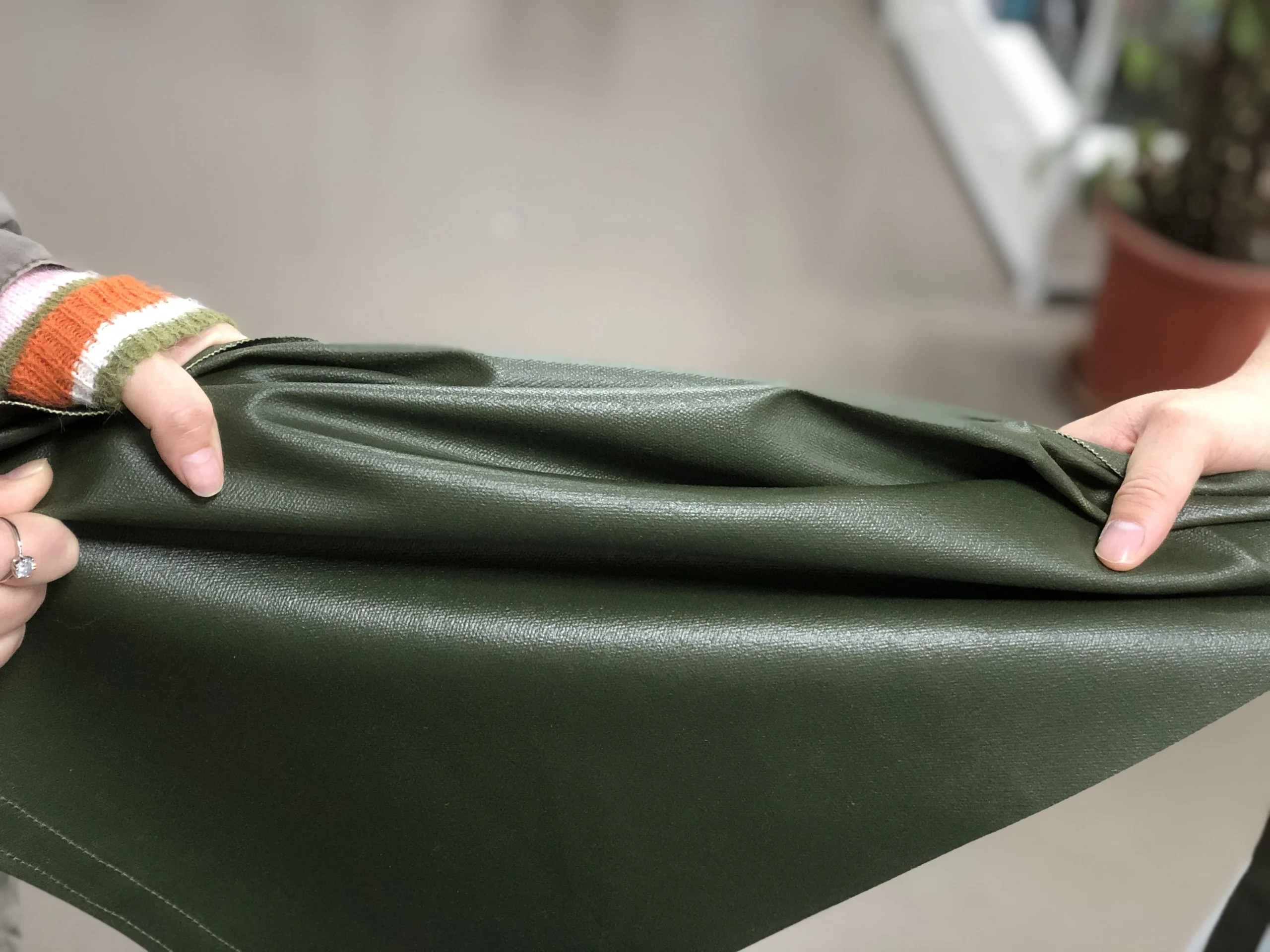
GSM alone does not predict how a fabric will perform under load. The 1000D×1000D base fabric provides the tensile skeleton, while the knife-applied PVC coating adds weight, surface protection, and weldability. A heavier coating increases waterproofness and abrasion resistance but can reduce drape if the base fabric is loosely woven. Conversely, a lighter coating on a dense weave yields a flexible fabric that still tears cleanly along the weft. [NEED_CITE: relationship between coating weight and peel strength in knife coated PVC fabrics] Buyers evaluating PVC coated tarpaulin roll wholesale options should request both the GSM and the base fabric specification to understand the full construction.
Knife Coating Versus Alternative Methods
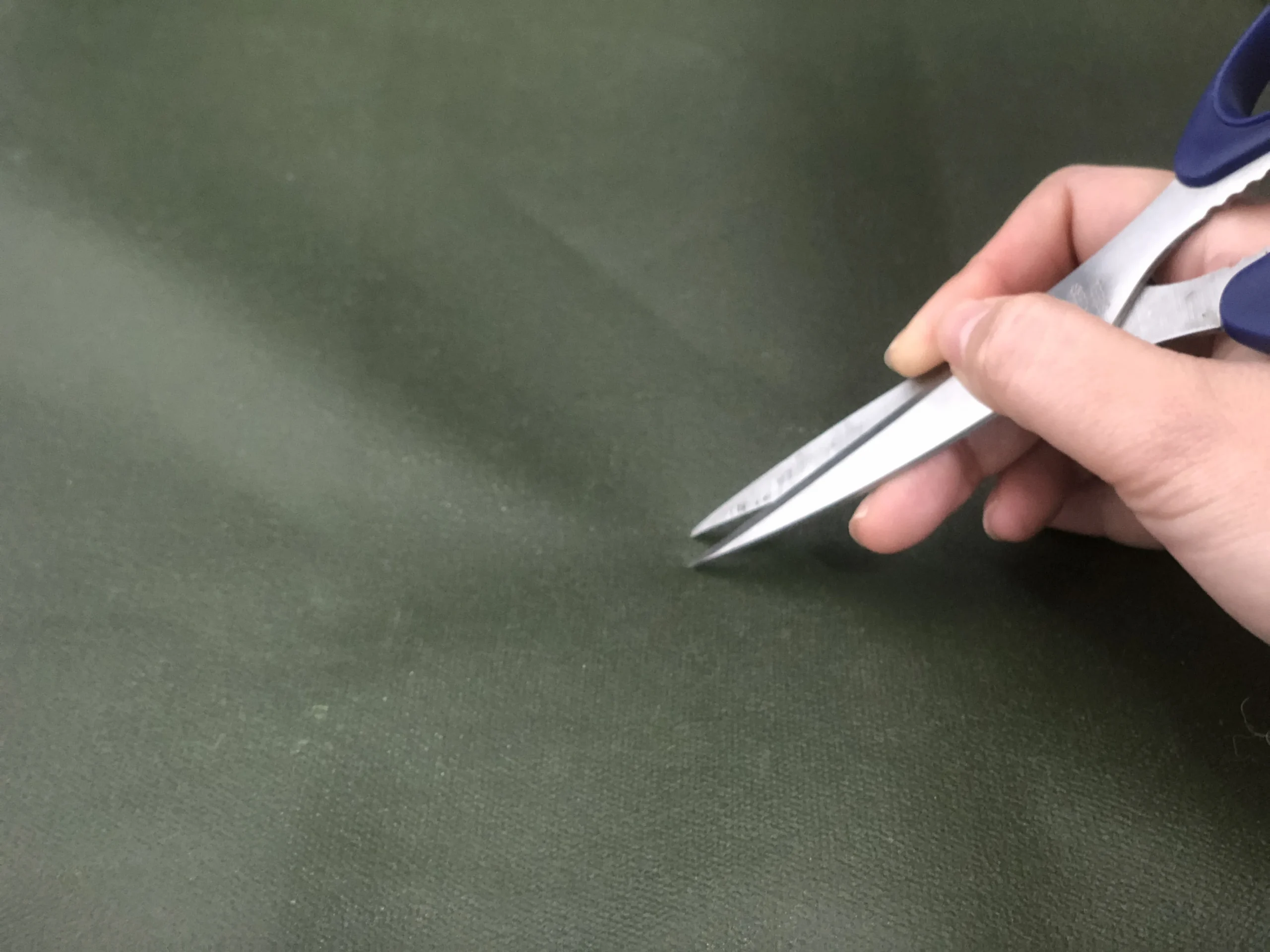
Knife coating forces liquid PVC into the weave under blade pressure, creating a mechanical bond between coating and yarn that resists delamination during repeated flexing. This method also allows tighter control over coating thickness on each face of the fabric. Laminated or calendered alternatives can produce a lower-cost roll, but the bond between film and base fabric is weaker at the fold line, which matters when the material is formed into covers that flex in wind or during transport.
The Hidden Cost of Overlooking Batch Documentation
When shipment documentation lacks per-roll GSM records or colour batch tags, buyers discover discrepancies only after cutting begins. By that stage, partial rolls have already been consumed, and returning short-weight or off-shade material disrupts production schedules and customer commitments. Rolls that vary in coating thickness also react differently to heat welding — some panels seal instantly while others need longer dwell times, creating inconsistent seam strength across a single cover. [NEED_CITE: weld line failure rates in coated fabric fabrication]
Why Distributors Place Repeat Orders Here
Our three full production lines and 36 sets of professional equipment handle container-volume PVC coated tarpaulin roll wholesale orders without sub-contracting coating stages to outside shops. A dedicated ten-person R&D team develops custom widths, colours, and surface treatments in-house, moving from sample to bulk on the same machinery. Every roll undergoes weight verification and visual inspection before packing, and the pre-shipment record accompanies your documentation set. Custom widths and lengths are produced on the same lines as standard stock, so quality does not drop when you request non-standard dimensions.
Documentation & Verification
- Material specification sheet listing exact GSM, base fabric denier, and coating weight for each roll grade
- Pre-shipment inspection record with per-roll GSM verification and colour consistency notation
- Roll packing list detailing roll count, individual weight, and container loading sequence
- Batch colour reference tag attached to each roll for dye-lot traceability
- Test report for UV or flame retardant treatment supplied when applicable grades are specified
Fabrication, Handling & Storage
- Set hot-air welder temperature and speed on a test piece from each roll before joining knife coated panels at production speed
- Store rolls upright on pallets in a shaded area to prevent the glossy or matte surface from developing flat-spot gloss variation
- Allow cold-stored rolls to reach ambient temperature before unrolling to avoid cracking the anti-cold treated PVC surface
- Use a rotary cutter rather than a blade drag to keep the 1000D×1000D weave from fraying at long cut edges
- Clean finished covers with mild detergent; solvent-based cleaners can soften the knife-applied PVC coating over time
What to Include in Your Enquiry
Provide the roll width and linear metres per roll you need, along with annual volume estimates, so we can map production slots and container loading. Specify any flame retardant or anti-static grade required by your destination market, and indicate whether you need glossy or matte finish. If colour matching to an existing range is important, send a physical sample or Pantone reference with your enquiry.
Frequently Asked Questions
Q: How do you verify GSM on every roll before it ships?
A: Each roll is weighed and measured after coating and curing. The recorded weight per square metre is compared against the specification on your order. Rolls that fall outside the agreed tolerance are held back. The inspection figures are logged on your pre-shipment record so you can cross-check on receipt.
Q: What controls colour consistency across multiple rolls in one order?
A: Pigment batches are mixed in a single lot for your order, and each roll receives a batch colour tag. During production, operators check shade under standardised lighting at set intervals. Rolls from the same dye lot are grouped together in the packing list so your cutting team can plan panel placement accordingly.
Q: What custom widths and roll lengths can you produce?
A: Standard and custom widths are available on our coating lines. Custom roll lengths are set at the winding stage to match your container loading plan or cutting table length. Minimum order quantities depend on the width and treatment combination requested — share your target dimensions and we will confirm the threshold.
Q: Can you provide a test report for flame retardant or UV treatment?
A: Yes. When you specify a flame retardant or anti-UV grade at the enquiry stage, the corresponding treatment is applied during coating, and a test report covering the agreed grade is included with your shipment documentation. Confirm the standard required in your market so we apply the correct formulation.