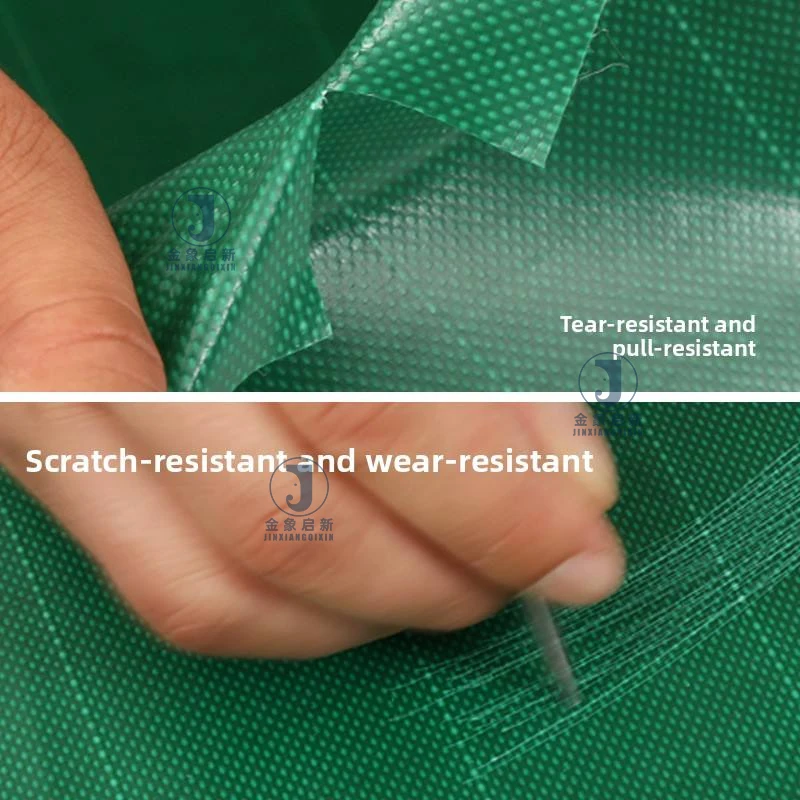
Description
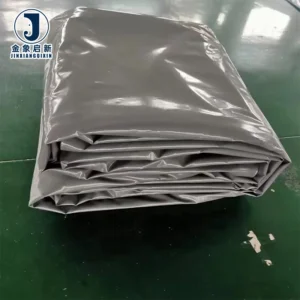
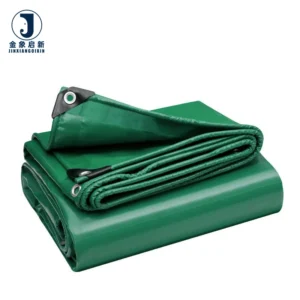
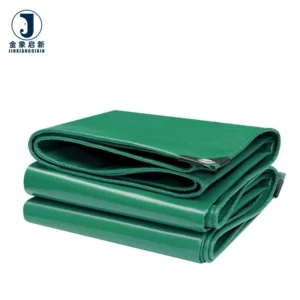
Consistent roll weight — every PVC coated tarpaulin roll is weighed and documented against the quoted GSM before dispatch, eliminating the weight drift that causes field failures.
Technical Specifications
| Parameter | Value |
|---|---|
| Product Type | PVC Coated Tarpaulin Roll / PE Tarpaulin Roll |
| Base Fabric | 100% PES, knitting and plain weave constructions |
| Coating Material | PVC (dipping coating process) / PE (LDPE lamination both sides) |
| Thickness (medium-duty) | 0.35-0.45 mm |
| Weight (medium-duty) | 400-500 g/m² |
| Knitting Density (medium-duty) | 500D |
| Tensile Strength (medium-duty) | Warp 1500-2000 / Weft 1200-1800 N/5cm |
| Thickness (heavy-duty) | 0.70-1.0 mm |
| Weight (heavy-duty) | 700-1000 g/m² |
| Knitting Density (heavy-duty) | 1000D |
| Tensile Strength (heavy-duty) | Warp 2000-2500 / Weft 1800-2200 N/5cm |
| Thickness (super heavy) | 1.2-1.5 mm |
| Weight (super heavy) | 1100-1500 g/m² |
| Knitting Density (super heavy) | 500D-2000D |
| Tensile Strength (super heavy) | Warp 2500-3000 / Weft 2200-2800 N/5cm |
| PE Tarpaulin Option | HDPE weaving with LDPE lamination both sides, 50-220 g/m², 0.2-0.4 mm |
| Roll Widths | 6 ft, 8 ft, 10 ft, 12 ft / 2 m, 4 m, 6 m or custom |
| Roll Lengths | 100 yards, 100 meters or custom |
| Edge Reinforcement (finished tarps) | PP rope in hem on all four edges |
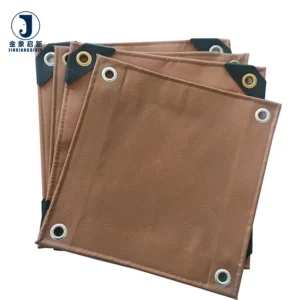
| Eyelets (finished tarps) | Galvanized, every 3 ft or 1 m interval |
| Corners (finished tarps) | Reinforced plastic corners |
| Key Features | Waterproof, washable, tear resistant, weather proof, mildew proof, anti-aging; UV treatment available (test basis not stated in source); flame retardant grades available (grade not stated) |
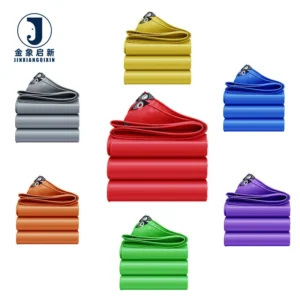
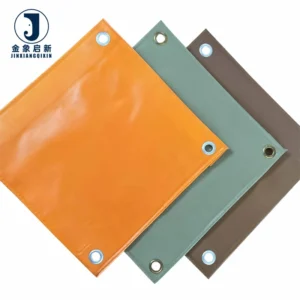
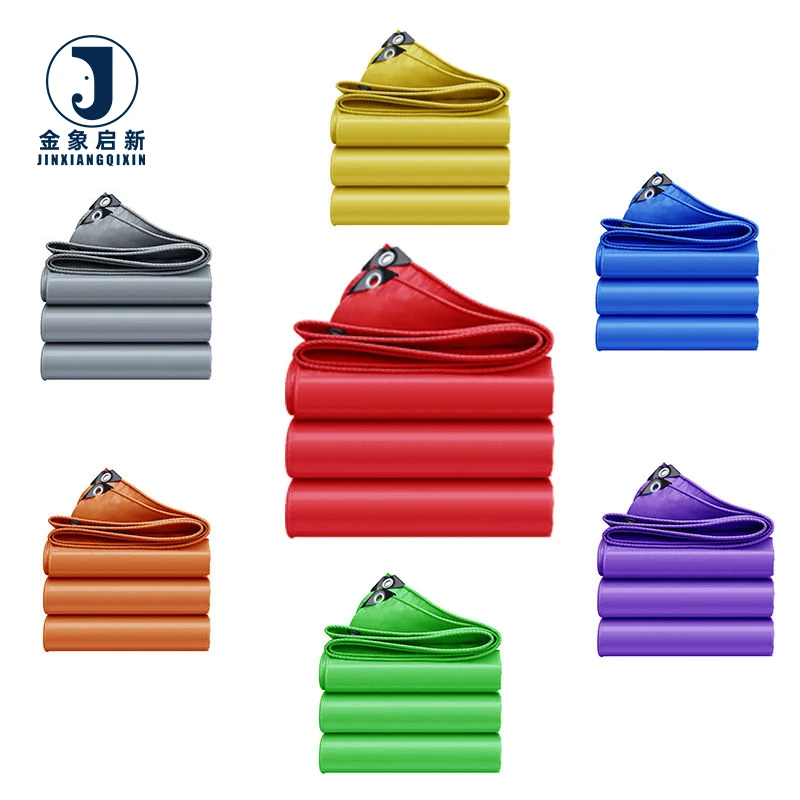
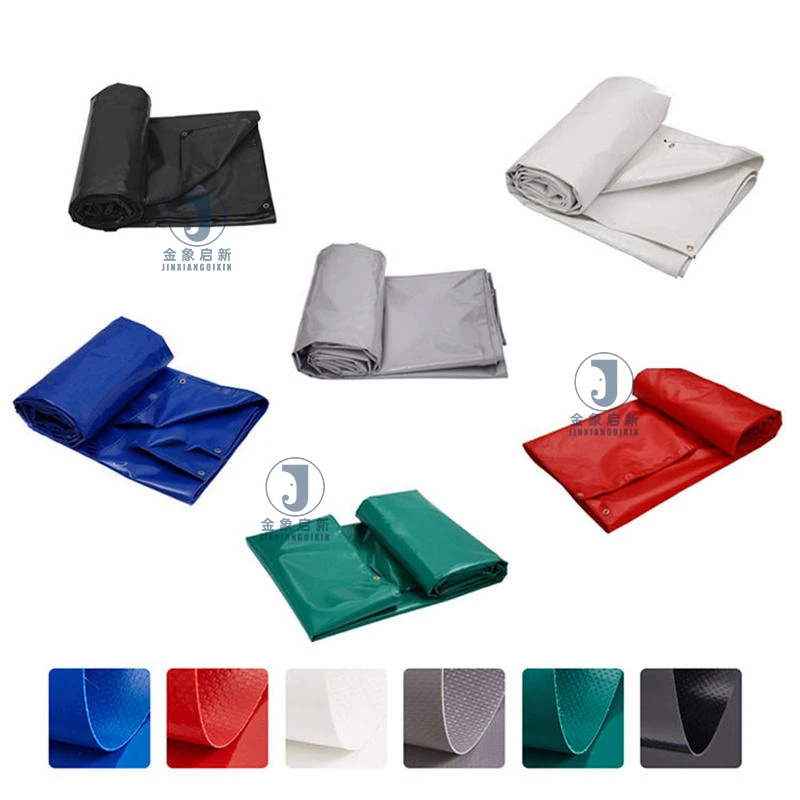
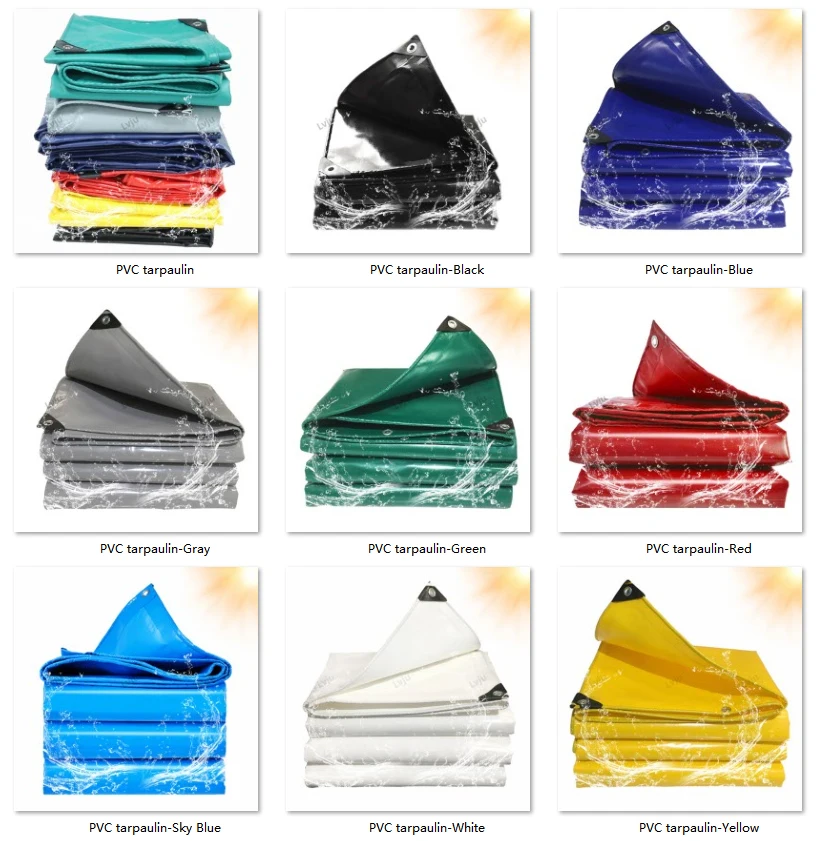
| Colours | Blue, Blue/Orange, Green, Grey, Black, Clear, Grey/Green, Orange or custom |
| Standards | ISO, CE |
Application Suitability
| Application | Exposure & Requirement |
|---|---|
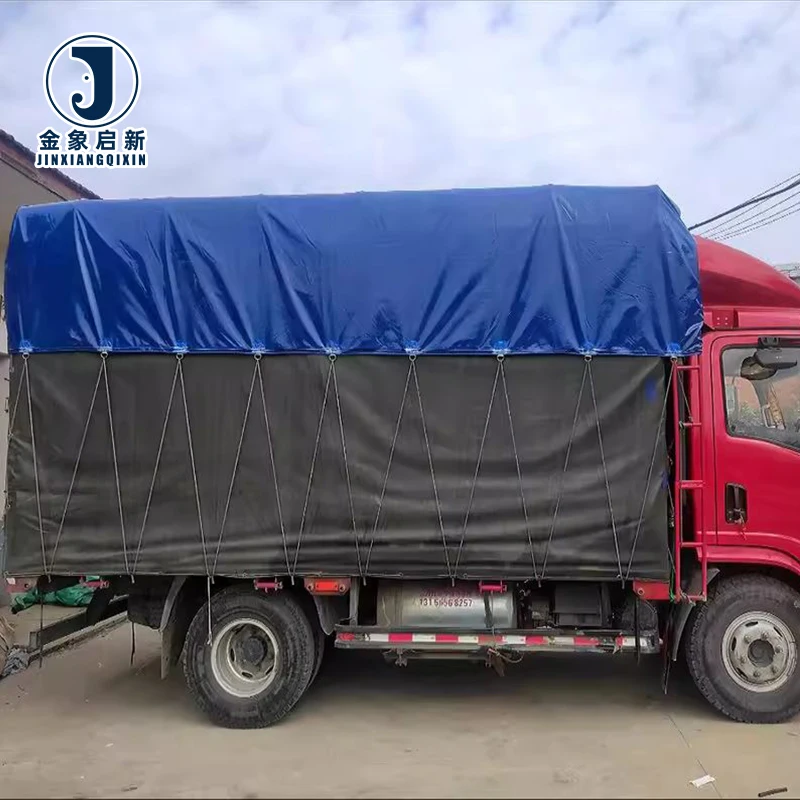
| Truck and trailer side curtains | Constant flexing at load points, road debris abrasion, prolonged UV exposure, weather cycling |
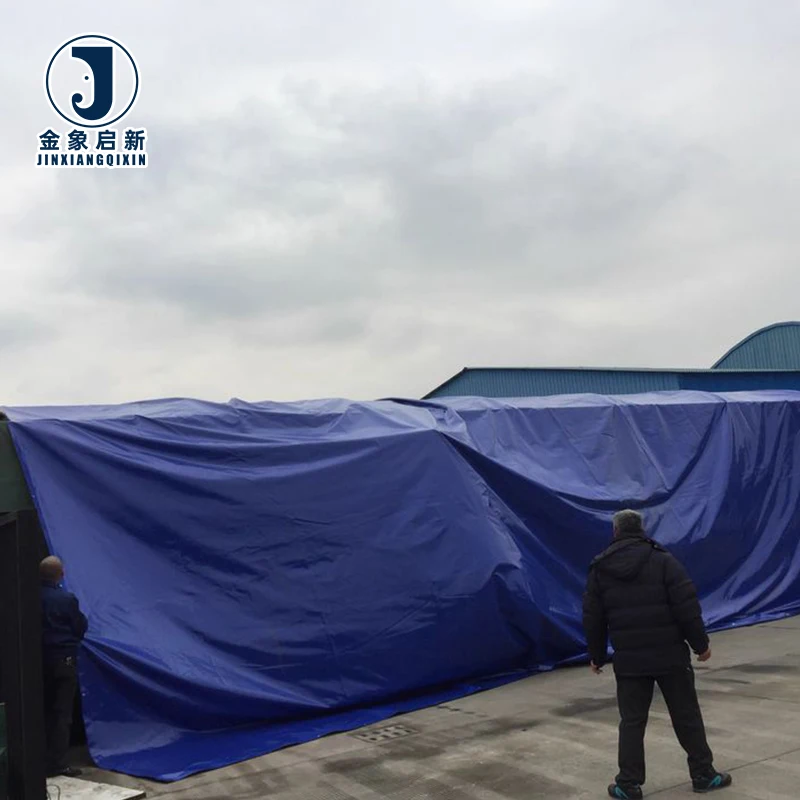
| Construction site and equipment covers | Wind uplift on open sites, pooling water, UV degradation, mechanical puncture from scaffolding |
| Tent and awning fabrication by roll | Repeated assembly and disassembly, seam and weld integrity, colour matching across panels |
| Pond and reservoir liners | Permanent water contact, soil chemistry exposure, puncture from substrate irregularities |
| Industrial pipe canopy and tensioned structures | Wind load tension on membrane, thermal expansion, long-term UV and weather exposure |
| Tarpaulin distribution and import | Container loading by roll, batch consistency for downstream resale, multiple grade stocking |
Why GSM Alone Does Not Determine Tarpaulin Field Life
GSM tells you the weight of the roll, not the strength of the weld or the tear resistance at a flex point.
When buyers specify PVC coated tarpaulin roll wholesale orders based only on gsm², the fabric can arrive at the correct weight but still fail early at the seams. A 700 g/m² roll with weak adhesion between the PVC coating and the base fabric will delaminate before the base cloth reaches its tensile limit. Welded seams on truck side curtains sit at the exact point where the load flexes most during transit, and coating adhesion — not fabric weight — determines whether the seam holds [NEED_CITE: adhesion test methods for coated fabrics per ISO 2411]. I have seen heavy-grade coated rolls fail at the weld line while lighter-grade rolls with stronger coating adhesion remained intact across the same service period.
Bulk Roll Stock with Verified Weight Across Every Shipment
Distributors and importers ordering PVC coated tarpaulin roll wholesale need every roll in the container to match the specification sheet. Weight drift between rolls in the same batch creates downstream problems — fabricators cutting truck covers find that panels from one roll weld differently than panels from the next, and the finished covers show visible variation once installed. Our production runs hold the quoted GSM per roll, verified at the coating stage and again during pre-shipment inspection, so the material you receive matches what was on the quotation.
Colour Matching Across Multiple Rolls in a Single Order
When a container holds twenty rolls destined for the same tent fabrication project or the same fleet of truck covers, colour shifts between rolls become visible the moment the fabric is unrolled side by side on the shop floor. This batch-to-batch colour consistency is controlled through pigment dosing at the coating stage and confirmed by visual comparison against a reference sample held on file [NEED_CITE: colour fastness and visual assessment standards for coated textiles]. For repeat orders of PVC coated tarpaulin roll wholesale stock, the archived reference sample ensures the new production matches the previous delivery without requiring the buyer to re-approve from scratch.
Reading the Specification Sheet Beyond the Weight Number
The knitting density of the base fabric — 500D for medium-duty, 1000D for heavy-duty, and up to 2000D for super heavy — controls the tear propagation resistance independently of the total GSM. A 900 g/m² fabric built on a 1000D base will resist tear spread from a puncture far better than a 900 g/m² fabric that achieves its weight through thicker coating on a 500D base. The dipping coating process used for the PVC range bonds the coating into the weave rather than sitting on top of it, which affects both the peel strength at welded seams and how the fabric behaves when heat-welded on site. Roll widths up to 6 m determine how many panels a fabricator must join to cover a wide trailer or a large tent structure — wider rolls reduce seam count and the associated risk of seam failure under tension.
The Hidden Cost of Specifying the Wrong Grade
Ordering a medium-duty 400-500 g/m² roll for a heavy truck side curtain application means the fabric will flex beyond its designed tensile range at the load points, and the welded seams will open under repeated road vibration. Choosing a super heavy 1100-1500 g/m² grade for a lightweight equipment cover adds unnecessary roll weight, raising container shipping cost per unit and making the finished covers difficult for a single operator to handle on site. When a construction contractor specifies PVC coated tarpaulin roll wholesale stock without confirming the flame retardant grade required by the site safety officer, the entire shipment can be rejected at the gate — even if the fabric is otherwise suitable [NEED_CITE: fire classification requirements for temporary structures on construction sites].
Why Sourcing Roll Stock Through This Line
Three full production lines and 36 sets of professional equipment support bulk PVC coated tarpaulin roll wholesale capacity, with dedicated line allocation ensuring that large container orders are completed within the quoted lead time. A 10-person R&D team handles custom width, colour and sample development, producing test rolls within days so buyers can confirm the specification before committing to a full container. Every production stage includes dedicated QA checkpoints, with 100% inspection before shipment — no roll leaves the facility without its weight, colour and surface quality verified against the order specification. Nearly 30 years of focus on coated fabric production means the coating adhesion parameters and heat-weld compatibility are tuned from long production history rather than trial and error. ISO and CE certified processes underpin the documentation that ships with every container, supporting customs clearance and downstream compliance.
Documentation & Verification
- Material specification sheet stating exact GSM, base fabric denier and coating type for each roll grade ordered
- Pre-shipment inspection record confirming weight and visual quality against the quoted specification before dispatch
- Roll packing list with individual roll count, weight and colour reference for container loading planning
- Test report for UV treatment and flame retardant grades where applicable — confirm the grade required for your market
- Certificate of origin and customs documentation prepared per destination country requirements
Fabrication, Handling & Storage
- Heat-weld parameters must match the PVC dipping coating thickness — test weld on a sample strip from the roll before running production seams
- PP rope reinforced hems distribute tie-down load across the edge; eyelet spacing at every 3 ft or 1 m suits standard ratchet strap intervals
- Store rolls upright on a flat surface to prevent edge crushing that distorts the first metres of fabric off the roll
- Unroll and allow the fabric to relax at ambient temperature before cutting, especially in cold weather when PVC stiffens
- Cut panels from wider rolls (4 m or 6 m) to maximise yield and reduce the number of welded seams in the finished cover
What to Include in Your Roll Stock Inquiry
Provide the target application and the exposure conditions the fabric will face — whether the rolls will be fabricated into truck side curtains, tent panels, or resold as cut-to-size covers. Specify the GSM range or weight tier required (medium, heavy-duty, or super heavy), the roll width and length preference, and whether you need finished tarpaulins with eyelets and hems or raw roll stock only. If your market requires flame retardant or UV treatment, state the compliance grade needed so the correct test documentation ships with your order.
Frequently Asked Questions
Q: How is GSM verified on each roll before shipment?
A: Each roll is weighed during production and again at the pre-shipment inspection stage. The measured weight is recorded against the material specification sheet and included in the inspection report that ships with your order, so the GSM on arrival matches what was quoted.
Q: What widths and roll lengths are available for bulk orders?
A: Standard roll widths include 2 m, 4 m and 6 m, with imperial options of 6 ft through 12 ft. Roll lengths are available at 100 yards or 100 metres as standard. Custom widths and lengths can be developed with sample confirmation before bulk production.
Q: How do you control colour consistency across rolls in the same order?
A: Pigment dosing is controlled at the coating stage and each roll is visually compared against a reference sample. A reference sample from your order is archived on file, so repeat orders of the same colour are matched to the original production without re-approval.
Q: What is the container loading capacity by roll count and weight?
A: Loading plans are prepared per order based on the roll width, length and GSM selected. A detailed roll packing list with individual roll weight and count is provided before dispatch so you can confirm the container utilisation and plan receiving logistics.
Q: What custom printing and branding options are available on roll stock?
A: Custom pattern printing and branding can be applied during the coating stage. The R&D team develops a printed sample for your approval before the full production run, ensuring the print registration and colour match your specification.