Description
Batch-to-Batch GSM Control — every PVC coated tarpaulin roll is weighed against the stated grade on the material specification sheet before it leaves the loading dock.
Technical Specifications
| Parameter | Value |
|---|---|
| Product Type | PVC Coated Tarpaulin Roll |
| Base Fabric | High-strength polyester mesh |
| Coating Material | PVC |
| Coating Method | Laminated technology & hot-melt coating technology |
| Available Weight Grades | 350gsm / 420gsm / 500gsm / 550gsm / 600gsm / 750gsm |
| Available Thickness | 0.32mm / 0.35mm / 0.4mm / 0.45mm / 0.5mm / 0.65mm |
| Standard Roll Widths | 2m × 75m / 2.1m × 50m |
| Available Colours | Blue / Red / Yellow / Light blue / Grey (custom colours available) |
| Special Treatments | Flame retardant, anti-static, anti-cold, anti-mildew (grades — confirm the grade required for your market) |
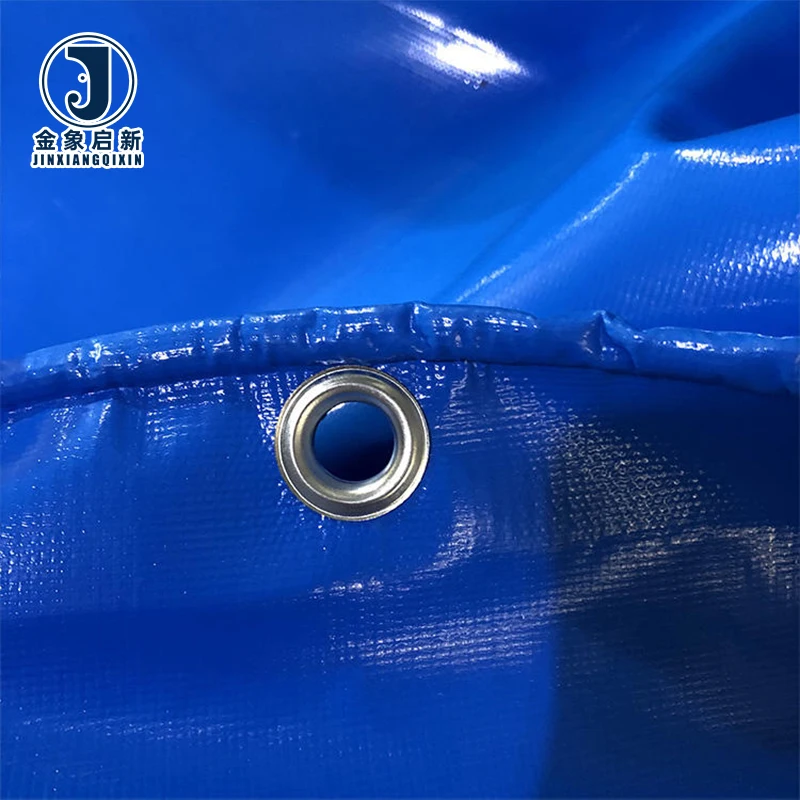
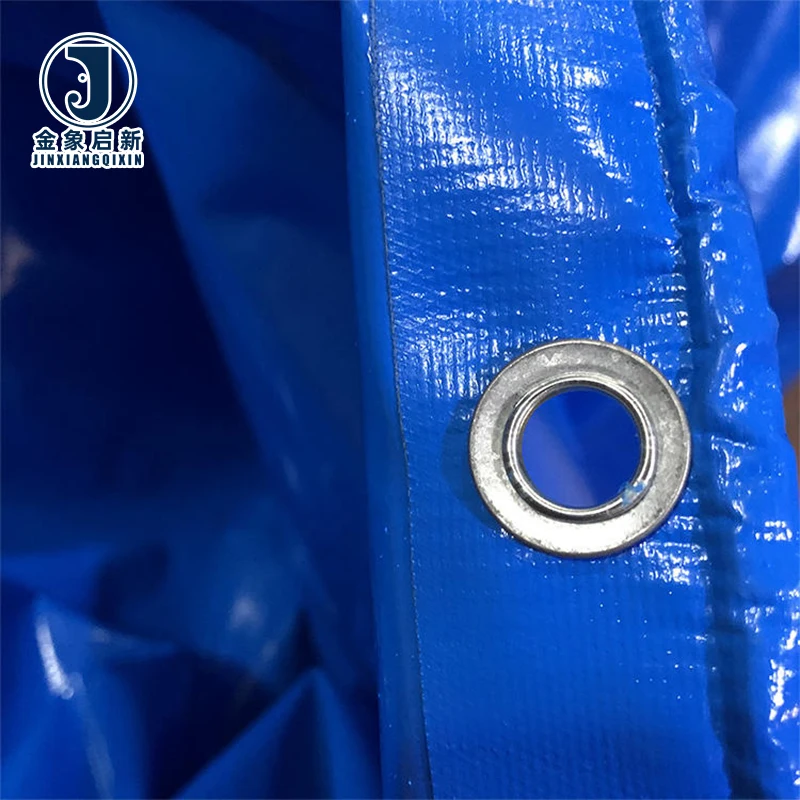
| Key Features | Waterproof, cold crack resistant, anti-mildew, anti-static treatment, good adhesion strength for welding |
Application Suitability
| Application | Exposure & Requirement |
|---|---|
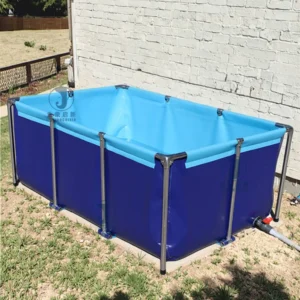
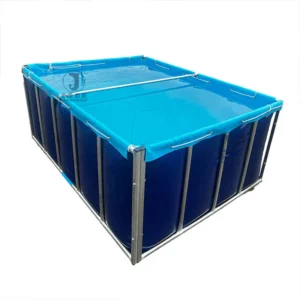
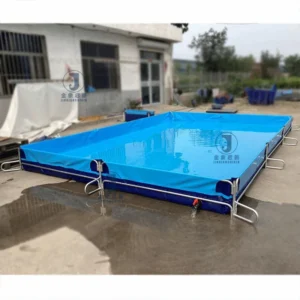
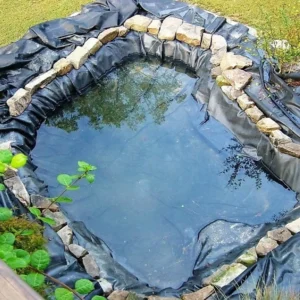
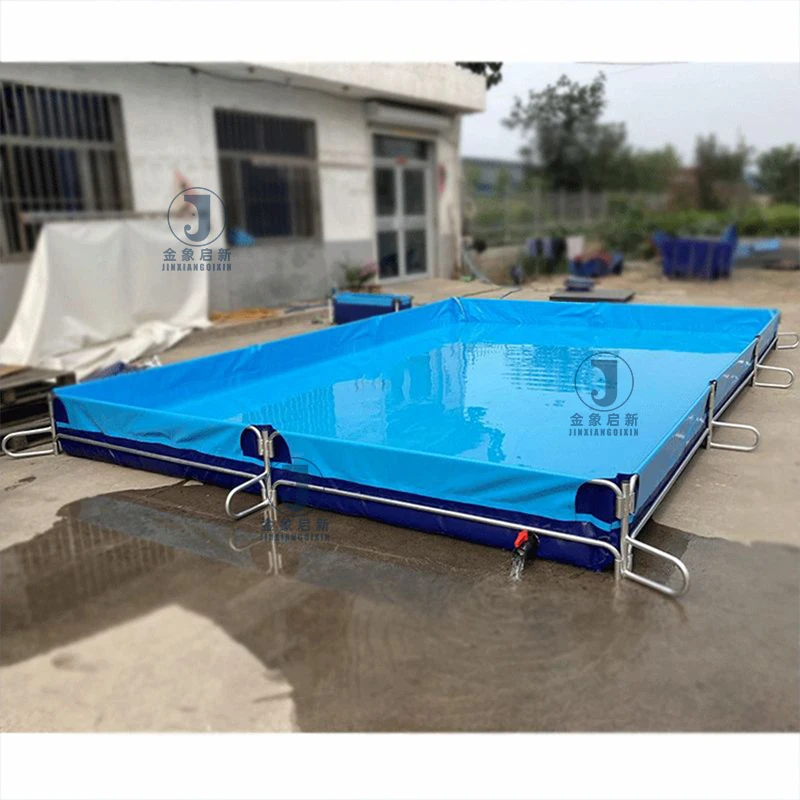
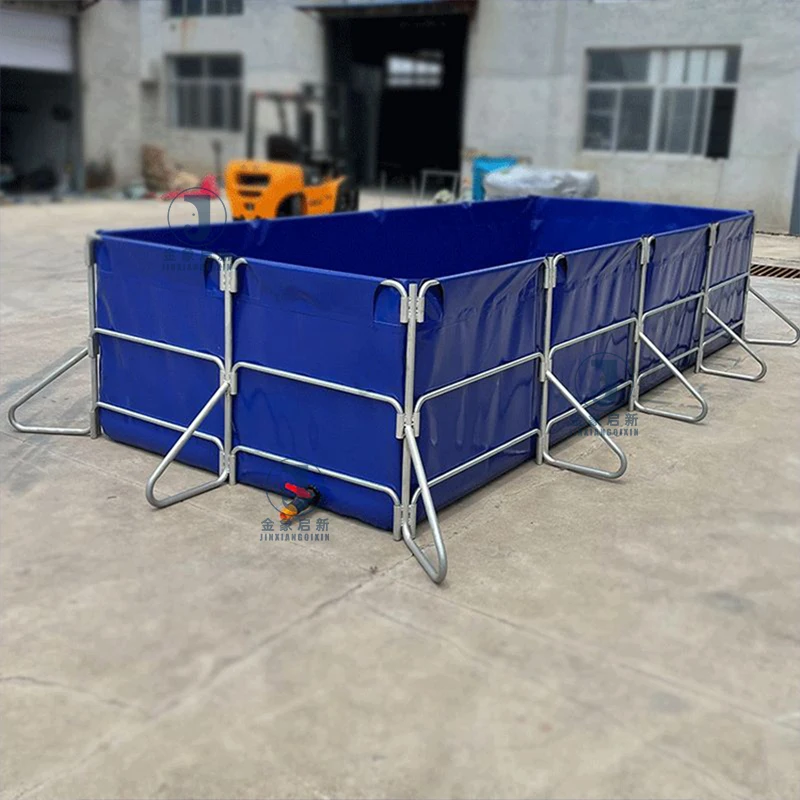
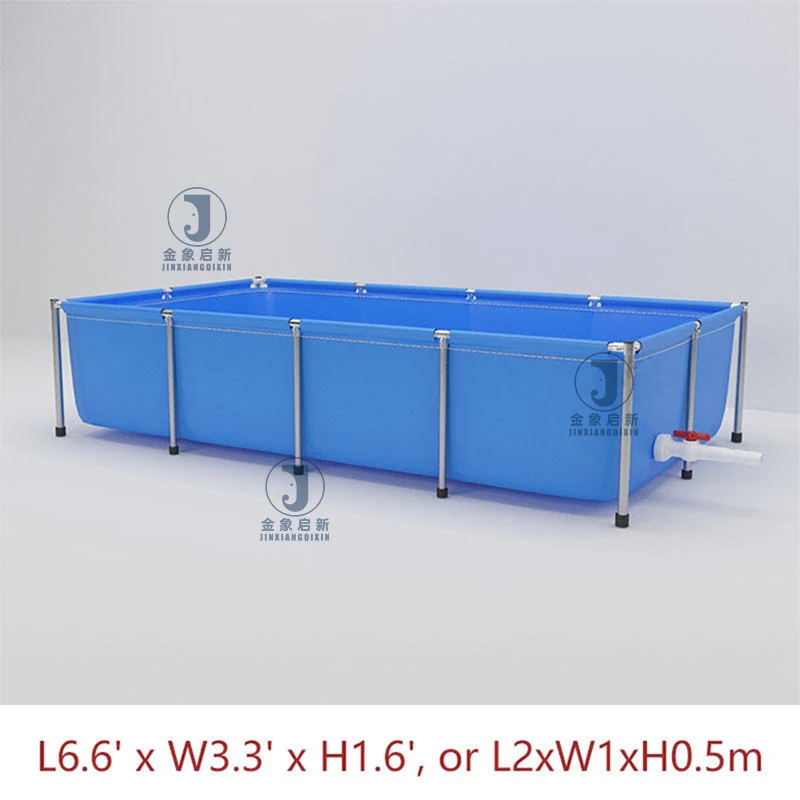
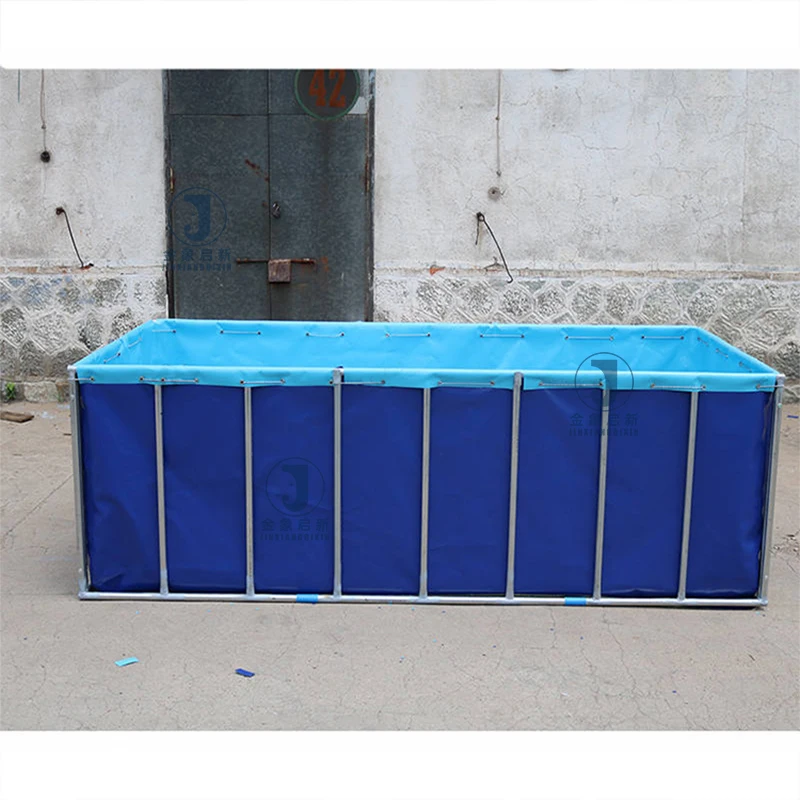
| Fish pond and tank lining | Permanent water contact, soil chemistry exposure, puncture resistance during installation |
| Water reservoir containment | Long-term hydrostatic pressure, UV exposure, weld seam integrity at edges |
| Tarpaulin distributor resale | Roll-to-roll colour consistency, GSM verification, container-load efficiency |
| Tent and awning fabrication | Weldability at seams, colour matching across panels, flex resistance at fold points |
| Temporary site water containment | Abrasion from aggregate contact, rapid deployment, tear resistance during handling |
Why Bulk Buyers Lose Money on Coated Fabric Roll Orders
A quotation stating 550gsm means nothing if the roll arriving at your warehouse weighs 500gsm.
Roll-stock buyers ordering full containers of PVC coated tarpaulin roll material face two recurring failures: the GSM on the paperwork does not match the scale reading on arrival, and adjacent rolls show visible colour shift once unrolled side by side. Both problems surface only after the container has cleared customs and the buyer has committed to cutting and welding the fabric. At that point, rework cost and customer credibility damage are already locked in. [NEED_CITE: coating weight verification methods for PVC tarpaulin per ISO 1421]
Roll-Weight Verification Before Dispatch
GSM is the primary commercial specification in coated fabric trading, yet it is the most frequently disputed parameter at arrival. This PVC coated tarpaulin roll range addresses the gap through roll-by-roll weighing against the material specification sheet before packing. Each roll carries its recorded weight on the packing list so the buyer can cross-reference container contents against the purchase order without relying on a single representative sample.
Colour Matching Across a Container Load
When a distributor stocks blue liner rolls from one shipment, those rolls may be cut and installed side by side at a pond site. Any batch-to-batch colour variation becomes immediately visible. Production controls for this PVC coated tarpaulin roll range include pigment batch matching so that every roll within a single order falls within the same colour tolerance band, reducing the risk of visible panel mismatch in the field. [NEED_CITE: colour fastness and batch consistency testing for coated fabrics]
How GSM, Coating Method and Base Fabric Interact
GSM alone does not determine tear or tensile performance. A 500gsm roll made with laminated technology over a high-density polyester mesh can outperform a 600gsm roll with a lower-denier base and heavier coating, because the base fabric carries the structural load while the coating provides waterproofing and weldability. Hot-melt coating penetrates the mesh interstices more thoroughly than lamination, producing stronger coating-to-fabric adhesion — which matters when the fabric is heat-welded at pond corners and tank edges. Thickness values from 0.32mm to 0.65mm correlate with the selected GSM grade and coating method, giving buyers a predictable relationship between weight, handle and weld parameter settings. Width options of 2m and 2.1m determine how many panels must be joined to cover a given pond footprint, directly affecting fabrication labour and seam count.
The Hidden Cost of Specifying on Price Per Kilogram Alone
Buyers who select roll stock on cost per kilogram often receive lighter coating or a lower-denier base mesh hidden inside the same stated GSM. The result shows up as weld seam failure at flex points — the coating peels from the base fabric precisely where pond edges and tank corners experience the most stress. Colour inconsistency between rolls forces fabricators to reject entire sections, turning a container-load purchase into partial scrap. [NEED_CITE: adhesion and peel strength testing for laminated and hot-melt coated PVC fabrics]
What This Supply Chain Delivers for Roll-Stock Buyers
Production runs on three full lines with dedicated in-process QA checks at coating, curing and winding stages, so GSM and colour targets are monitored continuously rather than sampled after the fact. A 10-person R&D team handles custom width and colour development, producing sample rolls within days for buyer approval before full production begins. Every shipment includes a roll-by-roll packing list with recorded weight, so container loading can be verified against the purchase order. Pre-shipment inspection covers GSM, thickness and colour per roll, with results documented before the container is sealed. ISO and CE certified processes underpin the production system, and all documentation — from certificate of origin to customs paperwork — ships with the load.
Documentation & Verification
- Material specification sheet stating exact GSM, base fabric and coating type per roll grade
- Roll packing list with individual weight and dimensions for container loading check
- Pre-shipment inspection record confirming GSM, thickness and colour per roll
- UV and flame retardant test reports supplied for treated grades upon confirmation
- Certificate of origin and full customs documentation included with every shipment
Fabrication, Handling & Storage
- Hot-melt coated rolls require adjusted heat-weld temperature versus laminated grades — test a scrap piece first
- Store rolls upright on end cores to prevent flat-spot creasing across the full roll width
- When cutting pond liner panels from 2m or 2.1m widths, plan seam layout to minimise offcuts
- Allow cold-stored rolls to reach ambient temperature before unrolling to avoid coating crack at fold lines
- Weld seam strength at pond corners depends on base mesh adhesion — confirm peel strength before full production
- Clean PVC surface with mild detergent only; solvents can degrade the anti-mildew treatment layer
What to Include in Your Enquiry
State the GSM grade, roll width and total linear metres you need, along with target colour or colour reference number. If your market requires flame retardant or anti-static certification, specify the standard your end user demands so the correct treatment grade can be quoted. Confirm whether you need standard inventory rolls or custom width and length, and whether a sample roll is required for weld parameter testing before the main order ships.
Frequently Asked Questions
Q: How is GSM verified per roll before shipment, and what weight tolerance applies?
A: Each roll is individually weighed during the pre-shipment inspection and recorded on the packing list. The recorded weight is cross-referenced against the material specification sheet for the ordered GSM grade. Any roll falling outside the agreed tolerance band is flagged before packing. Buyers can request the inspection record before container loading to confirm every roll meets the stated specification.
Q: How do you ensure colour consistency when I order multiple rolls of the same colour?
A: Pigment batches are matched at the mixing stage so all rolls within a single order draw from the same colour batch. Production runs for one order are scheduled consecutively to minimise variation between rolls. A pre-shipment colour check compares adjacent rolls from the same order, and results are included in the inspection documentation shipped with the container.
Q: What roll widths and lengths are in stock, and can I order custom widths?
A: Standard stock formats are 2m × 75m and 2.1m × 50m across the full GSM range from 350gsm to 750gsm. Custom widths and lengths are available through the R&D team, with sample rolls produced for buyer approval before bulk production. Minimum order quantities for custom formats depend on the selected grade and colour — confirm at enquiry stage.
Q: How are rolls packed and loaded into containers to prevent transit damage?
A: Rolls are packed upright on reinforced cores with protective end caps to prevent edge crushing. The packing list details each roll’s weight and position in the loading plan so buyers can verify container contents against the order. Loading is supervised to ensure rolls are secured against shifting during ocean freight.
Q: What is the MOQ for custom GSM, colour or roll length orders?
A: Minimum order quantities vary by the degree of customisation requested. Standard GSM grades in stock colours carry the lowest thresholds, while custom colours or non-standard widths require longer production runs to justify pigment and loom setup. Confirm your target specification at enquiry stage and the applicable minimum will be stated in the quotation.