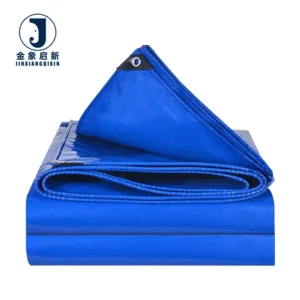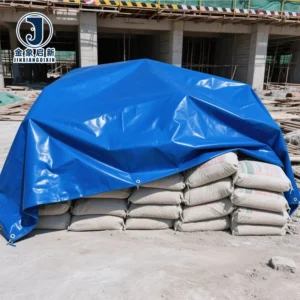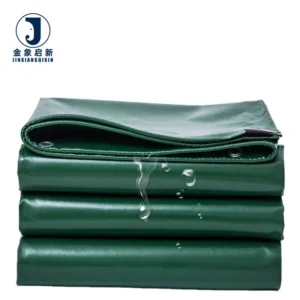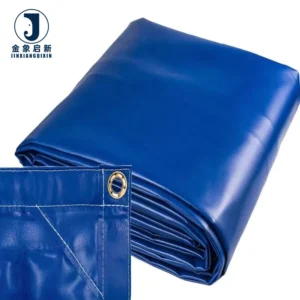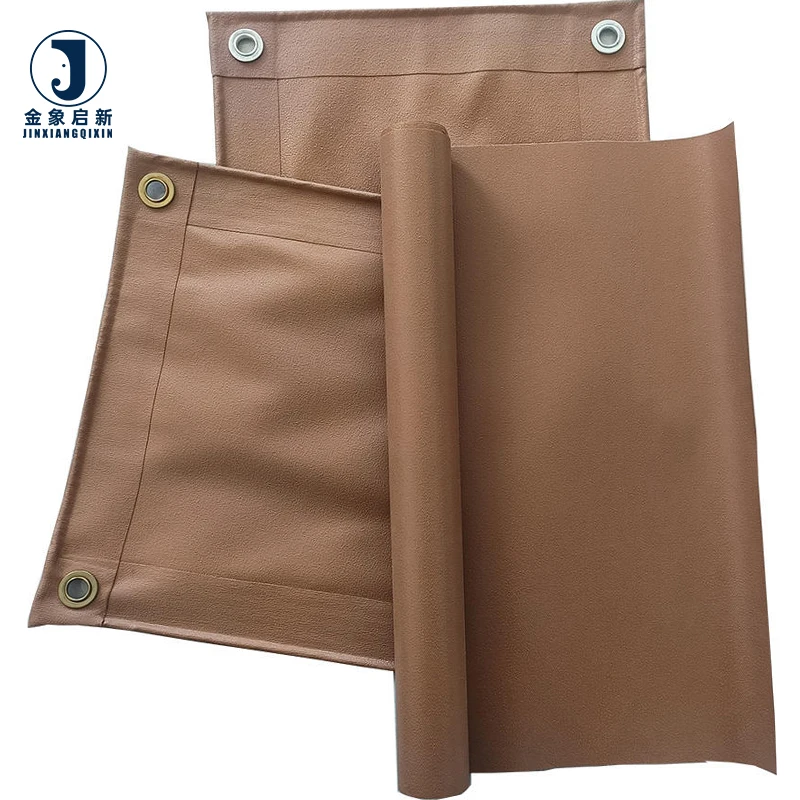
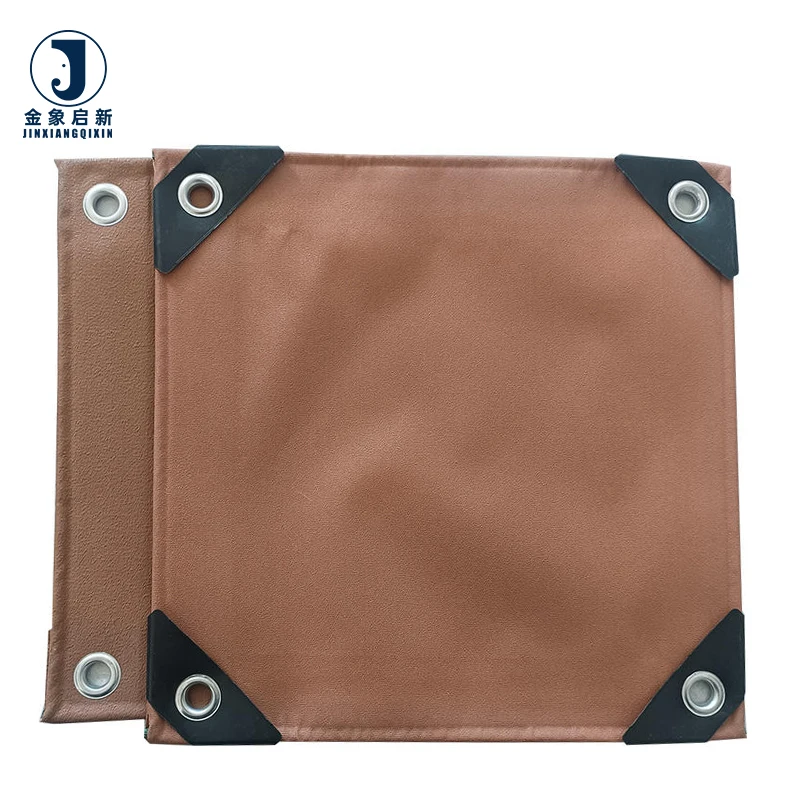
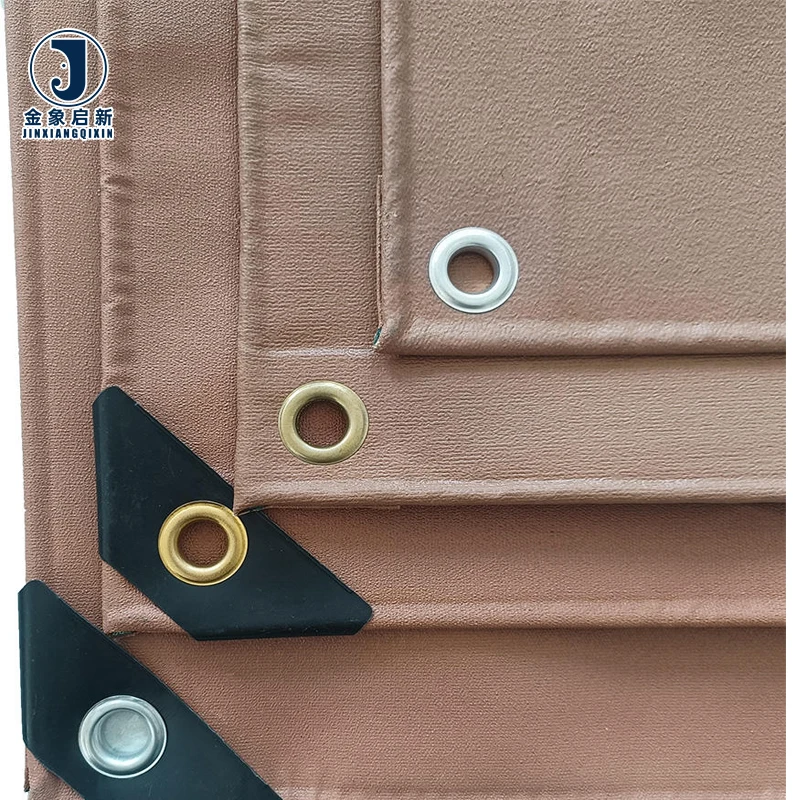
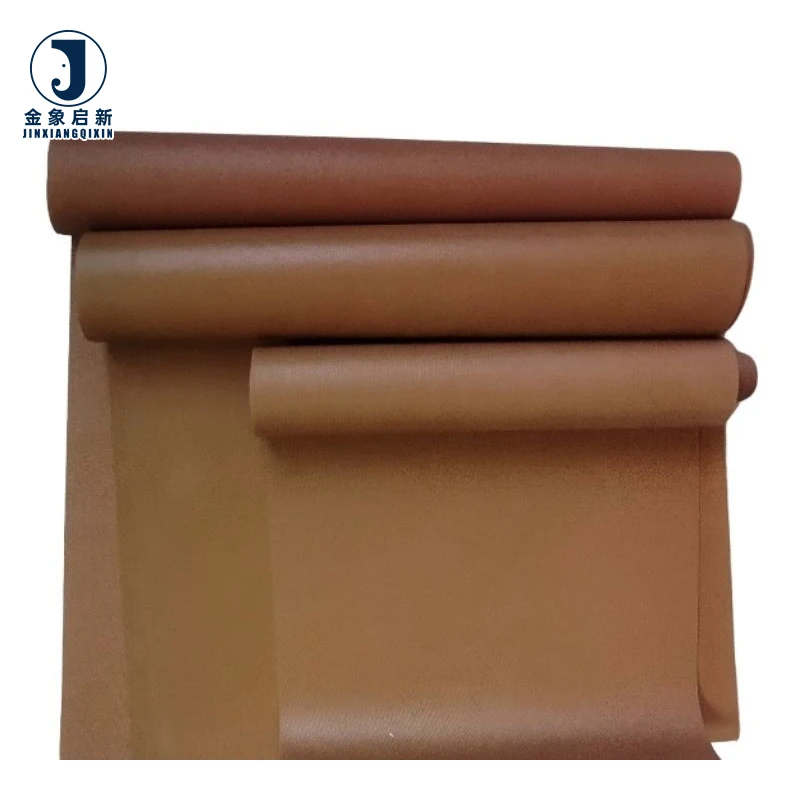
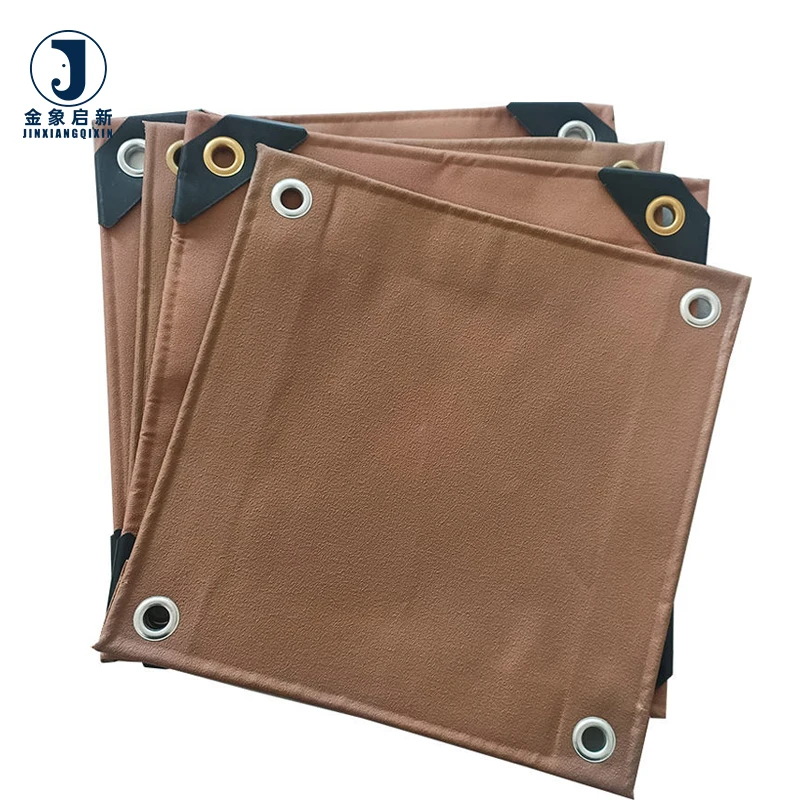
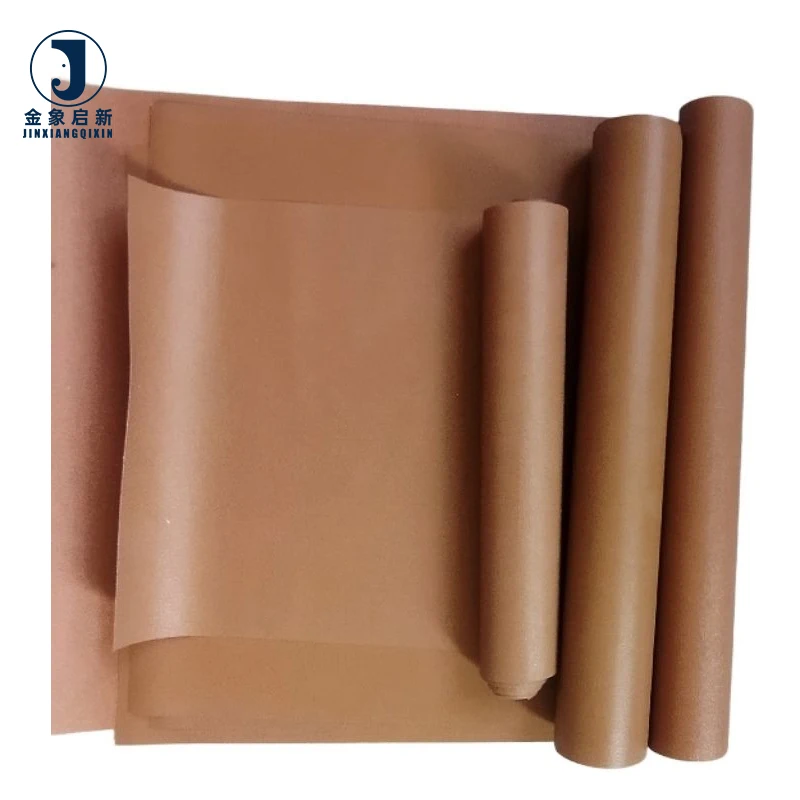
Description
Coating Weight Consistency — every roll in a bulk shipment is weighed and recorded against the quoted GSM, so fabricators and distributors receive verifiable uniformity from first to last roll.
Technical Specifications
| Parameter | Value |
|---|---|
| Product Type | PVC Coated Tarpaulin Roll |
| Base Fabric Denier | 1000D |
| Weight (GSM) | 550GSM / 900GSM |
| Coating Material | PVC |
| Coating Method | Knife Coated |
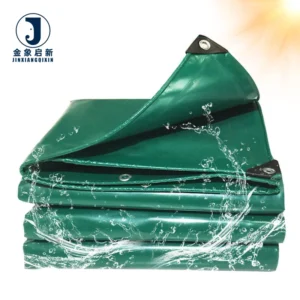
| Surface Finish | Self Clean |
| Waterproof | Yes |
| Anti-Mildew | Yes |
| Anti-Cold | Yes |
| Flame Retardant | Available — confirm grade required for your market |
| Anti-Static | Available — confirm test basis required for your market |
| UV Treatment | Available — confirm test basis required for your market |
| Outdoor Weather Resistance | 3–5 years (source value — verify against manufacturer catalog) |
Application Suitability
| Application | Exposure & Requirement |
|---|---|
| Truck cover fabrication | Constant flexing at load points, road abrasion, UV and rain exposure — requires consistent GSM for reliable weld strength |
| Tent and awning production | Long-term outdoor weathering, repeated folding and unfolding, tension stress at frame contact points |
| Roof cover and flood barrier | Standing water, thermal cycling, puncture risk from debris — demands uniform coating adhesion across the full roll |
| Distributor restocking | Regional resale by roll or cut-to-size — batch colour and weight consistency is essential for end-customer satisfaction |
Why Stated GSM Does Not Always Mean Delivered GSM
A quoted GSM figure is only as trustworthy as the inspection record that accompanies the shipment.
Buyers who have received PVC coated tarpaulin roll wholesale orders lighter than the agreed specification know the consequence: the fabric fails earlier, welds split under load, and the end customer attributes the failure to the fabricator, not the mill. [NEED_CITE: pre-shipment weight verification methods for coated fabric rolls] Variance between rolls in the same container can also create visible differences once the material is installed side by side, triggering rework and claims that are difficult to resolve after the container has been unloaded.
Roll-to-Roll Weight Verification Before Dispatch
Each roll produced in the 550GSM or 900GSM grade is checked during and after the knife coating process to confirm that the PVC coating weight matches the specification. This in-line control is what separates a PVC coated tarpaulin roll wholesale supply that fabricators can rely on from one that generates claims at the cutting table. The inspection record travels with the shipment, giving the buyer documented evidence of what was actually produced.
Colour and Finish Consistency Across Container Loads
When a distributor orders multiple rolls of the same colour for regional resale, any shade variation between rolls becomes visible the moment two pieces are unrolled next to each other at the customer’s site. Maintaining batch consistency requires controlled pigment dosing and coating temperature throughout the production run. [NEED_CITE: colour measurement standards for PVC coated textiles] The self-clean finish on these rolls also ensures that the surface appearance remains uniform during storage and transit, reducing the risk of dirt-related shade shifts before the material reaches the end user.
Reading the Specification: Denier, GSM, and Coating Method Together
The 1000D base fabric provides the structural skeleton — its denier and weave density determine how much force the fabric can absorb before a tear propagates. However, denier alone does not define performance. The 550GSM and 900GSM coating weights represent the amount of PVC applied to that skeleton through the knife coating process, which fills the weave and builds the surface layer. Knife coating forces PVC into the fabric under blade pressure, producing stronger adhesion between coating and yarn than dip or lamination methods, and this adhesion is what determines how well the material holds together at heat-welded seams. A heavier coating weight such as 900GSM adds puncture resistance and stiffness, suited to applications where the fabric faces direct abrasion or heavy debris impact. The lighter 550GSM grade offers easier handling and lower roll weight for applications that require flexibility, such as tent and awning fabrication. The self-clean surface finish reduces dirt bonding, which matters when rolls are stored in open yards before conversion.
The Cost of Specification Mismatches at the Weld Line
When the coating weight on arrival is lower than quoted, the material becomes thinner at flex points, and welded seams can fail before the fabric body does — typically at the exact spot where the load stresses the cover most. [NEED_CITE: seam strength testing for coated fabrics under flex load] Flame retardant grades shipped without a supporting test report create a different problem: the material arrives on a construction or mining site and is rejected at inspection, causing project delays and return freight. Colour inconsistency between rolls forces the fabricator to either sort and match manually or absorb the cost of replacing mismatched panels.
Why Volume Buyers Source These Rolls Here
Three full production lines and 36 sets of professional coating equipment support container-scale output without splitting an order across multiple machines, which is a common cause of batch variation. A 10-person R&D team handles custom width and treatment formulation, developing samples within days so buyers can confirm the specification before committing to production volume. Every production stage includes dedicated QA/QC, with 100 percent inspection before container loading — not random sampling, but a full roll-by-roll check. ISO and CE certified production processes ensure that documentation meets the import requirements of markets across North America, Europe and Asia. Nearly 30 years of focused coated fabric experience means the process parameters for 550GSM and 900GSM grades are well established, reducing the variability that newer producers encounter.
Documentation & Verification
- Material specification sheet listing GSM, 1000D base fabric and knife coating method per roll batch
- Pre-shipment inspection record confirming actual coating weight against the 550GSM or 900GSM specification
- Roll packing list showing roll count, net and gross weight, and container loading plan
- Treatment test reports for flame retardant and anti-UV grades where applicable to the order
- Certificate of origin and full customs documentation for cross-border roll shipments
Fabrication, Handling & Storage
- Heat weld temperature should be calibrated to the knife coated PVC layer thickness of the specific GSM grade ordered
- Store rolls upright on core ends to prevent flat-spotting and permanent creasing of the 1000D base fabric
- Unroll in ambient temperature above freezing to avoid cold-cracking the anti-cold treated PVC surface
- The self-clean finish tolerates mild detergent cleaning — avoid solvents that degrade the PVC coating bond
- Plan cut layouts to align roll width with panel dimensions, minimising offcuts and seam count per cover
What to Include in Your Enquiry
Provide the target GSM grade — 550GSM or 900GSM — along with the required roll width and total roll count or container volume. Specify any treatment requirements such as flame retardant or anti-UV grades, noting the certification standard your market demands. Indicate whether you need stock colours or a custom colour reference, and confirm whether the rolls will be converted in-house or require pre-cut panels.
Frequently Asked Questions
Q: How is GSM verified on each roll before shipment, and what tolerance is accepted?
A: Each roll is weighed and measured during production and again at the pre-shipment inspection stage. The actual coating weight is recorded against the stated 550GSM or 900GSM specification, and the inspection report travels with the shipment. Buyers can request the tolerance range applicable to their order during the quotation stage.
Q: What is the maximum roll width and standard roll length available for bulk orders?
A: Roll width and length are set according to buyer requirements and container loading efficiency. The production lines support a range of widths for both 550GSM and 900GSM grades. Standard roll lengths and custom lengths are available — confirm your cutting table dimensions or downstream equipment limits when enquiring.
Q: How is colour consistency maintained across rolls within the same purchase order?
A: Pigment dosing and coating temperature are controlled throughout the production run to minimise shade variation. Rolls within the same order are produced sequentially on the same line. A pre-shipment visual check confirms consistency before container loading, and the inspection record documents the result.
Q: What container loading options are offered — by roll count, weight limit, or mixed grades?
A: Loading plans are built around the buyer’s preference — by roll count, by container weight limit, or by mixed grade combinations of 550GSM and 900GSM rolls. A roll packing list with net and gross weight per roll is provided before dispatch so buyers can verify the loading plan matches their logistics requirements.
Q: What is the minimum order quantity for stock grades versus custom GSM or width?
A: Stock grades in 550GSM and 900GSM on 1000D base fabric have lower minimums than custom specifications. Orders requiring a non-standard GSM, custom width, or treatment formulation carry a higher minimum to accommodate production line setup. Confirm quantities during the enquiry stage for an accurate lead time.