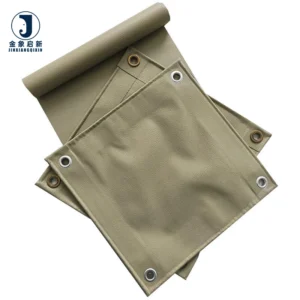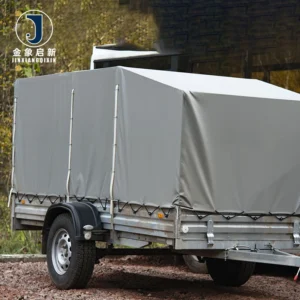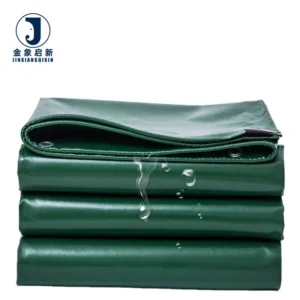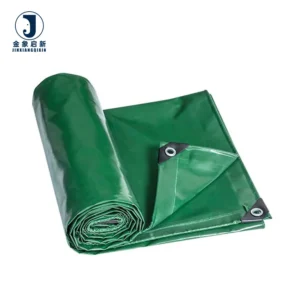
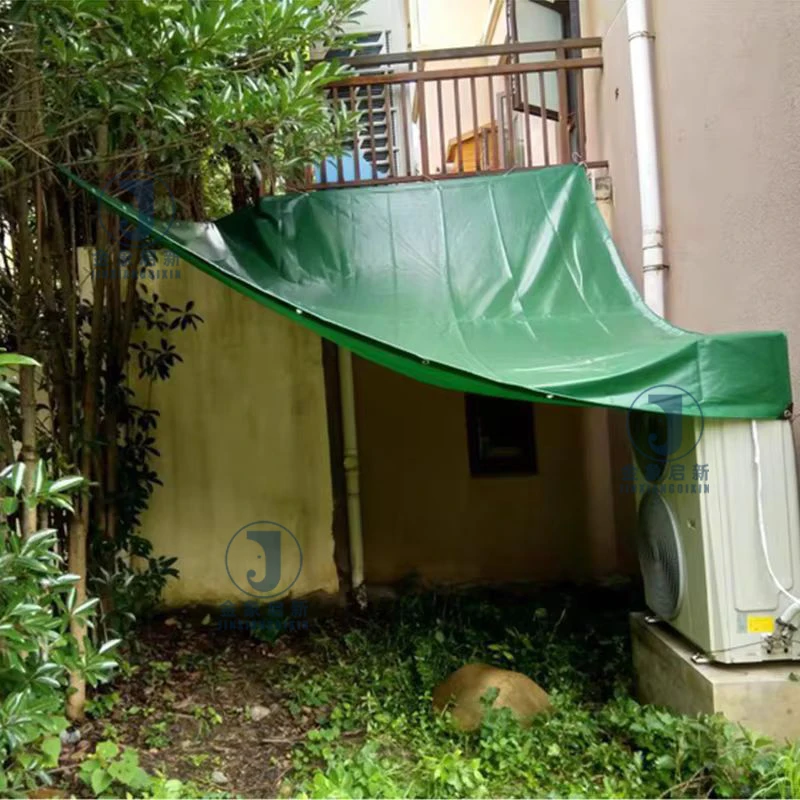
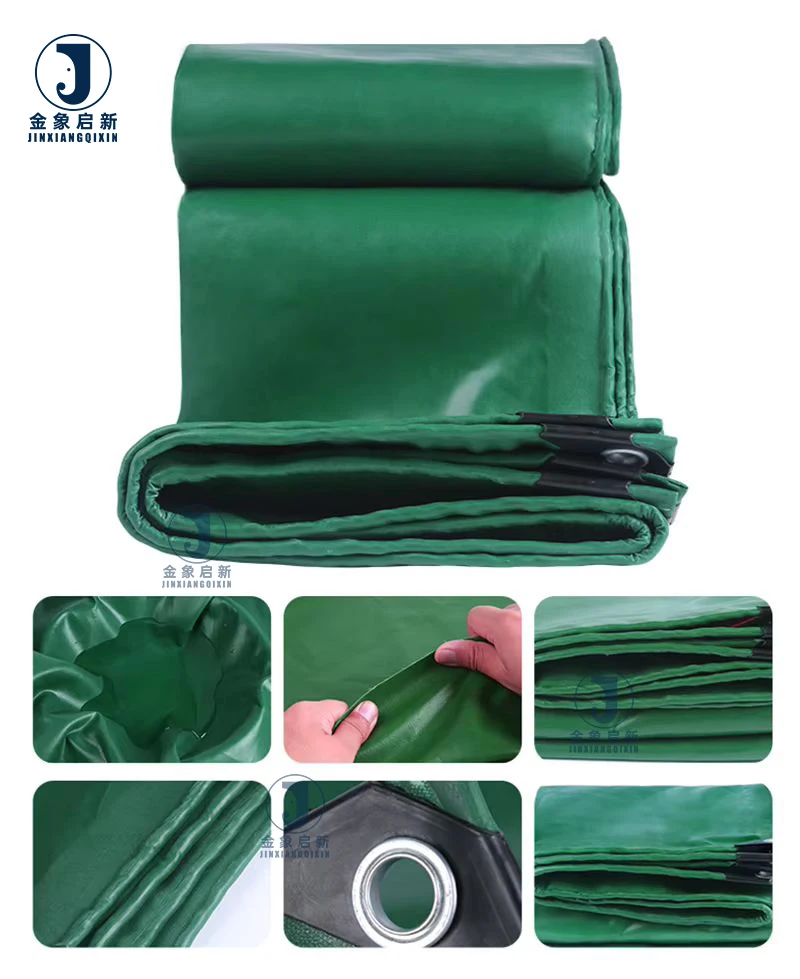
Description
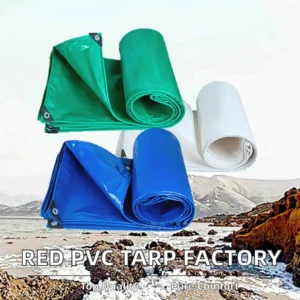
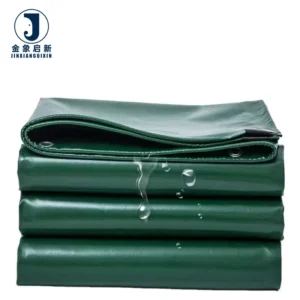
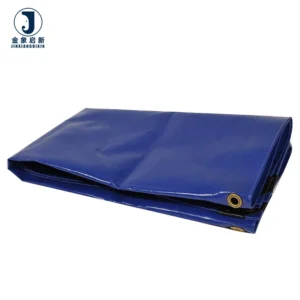
Batch Consistency — every PVC Coated Tarpaulin roll is weighed and visually inspected before dispatch to verify that GSM, colour, and width match the purchase order.
Technical Specifications
| Parameter | Value |
|---|---|
| Product Type | PVC Coated Tarpaulin |
| Base Fabric Denier | 500D-500D |
| Coating Material | PVC & Polyester |
| Weight Range | 450-900 g/m² |
| Waterproof Rating | Waterproof, Water Resistant |
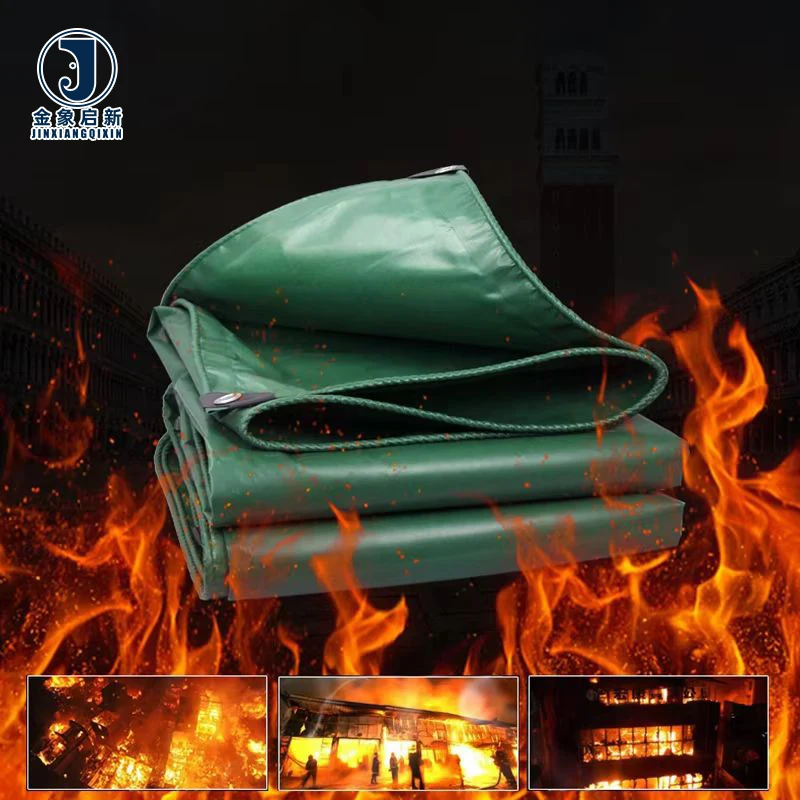
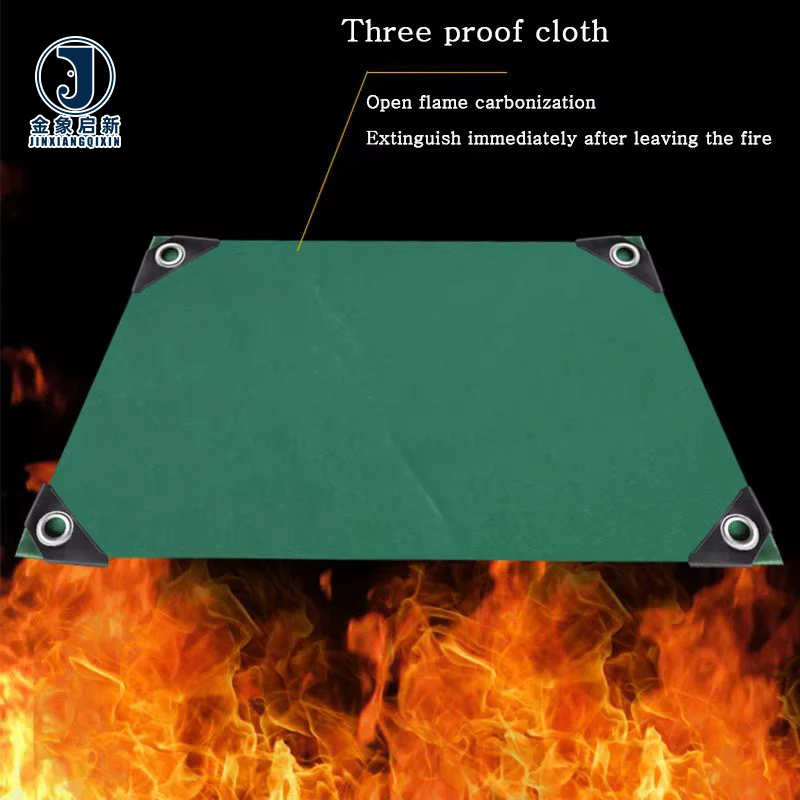
| Flame Retardant | Available in flame retardant grades — confirm the grade required for your market |
| UV Treatment | Anti-UV treatment available — confirm test basis per order |
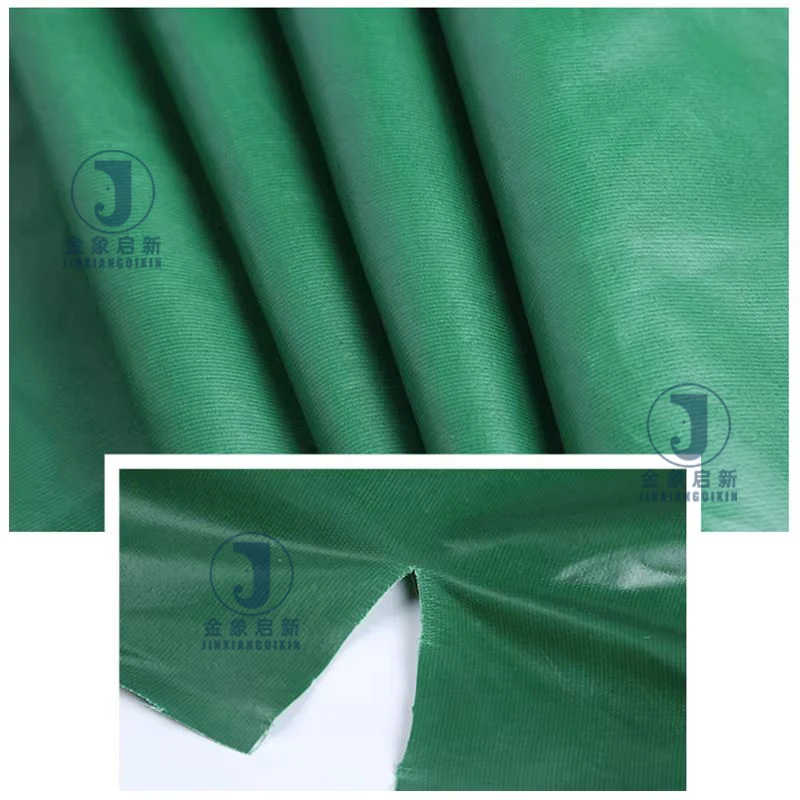
| Surface Finish | Double-sided PVC coating |
| Repairability | Repairable by hot air welding |
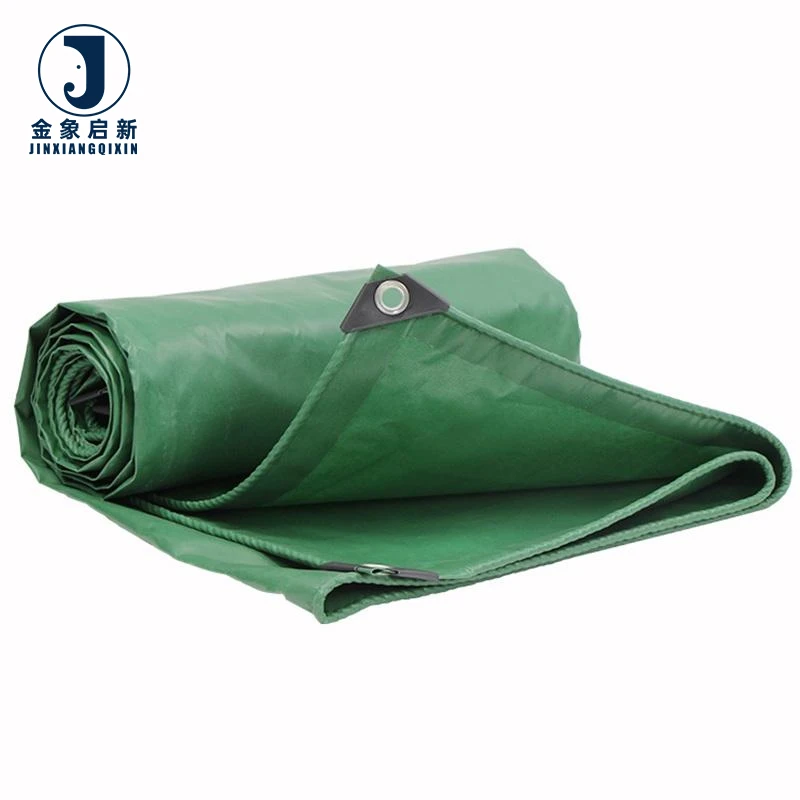
| Packaging Options | Roll packing, bale packing, carton |
| Standards | ISO, CE |
Application Suitability
| Application | Exposure & Requirement |
|---|---|
| Truck side curtain fabric | Continuous flexing at load points, road debris abrasion, rain and UV exposure |
| Trailer and flatbed covers | Wind uplift tension, tie-down strap friction, weather sealing for cargo |
| Machine and equipment covers | Outdoor storage, dust and moisture ingress, repeated removal and refitting |
| Awning and tent fabrication | Tensile load across spans, solar exposure, colour consistency across panels |
| Wood and lumber covers | Moisture barrier for stacked timber, puncture from sharp edges, wind load |
Why Roll-to-Roll Colour Variation Ruins a Container Load
Colour deviation between rolls in the same shipment is a specification and process control failure, not a material defect.
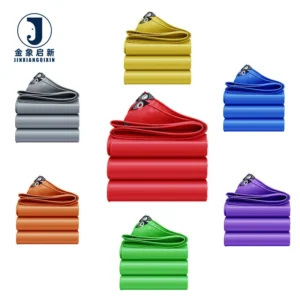
When a distributor receives twenty rolls of PVC Coated Tarpaulin and two of them read slightly off-shade once unrolled and laid side by side, the entire batch can be rejected by the end user. The rolls are not defective in weight or strength — they simply do not match visually, and for fabricators cutting panels that will be joined into a single truck curtain or awning, that mismatch is unacceptable. This problem traces back to pigment dosing consistency at the coating stage and to whether the supplier batches all rolls for one order from the same production run [NEED_CITE: colour matching standards for coated textile production runs].
How Stock Grade Availability Reduces Procurement Risk
Buyers who import PVC Coated Tarpaulin wholesale need dependable stock grades that can be reordered with the same specification sheet and the same colour reference number. Maintaining inventory of standard widths and weights means that a repeat order placed months later will produce rolls from a formulation and pigment batch already on record. This continuity matters for distributors who sell cut-to-size pieces from the same colour family to multiple end customers throughout the season.
Container Loading and Roll Count Planning
Shipping PVC coated tarpaulin rolls in full container loads requires careful calculation of roll diameter, weight per roll, and stacking orientation to avoid crushing the inner layers of bottom rolls. Roll packing, bale packing, and carton options each have trade-offs in container space utilisation and protection during ocean transit. A detailed packing list stating roll count, individual roll weight, and total net and gross weight lets the buyer verify the load against the bill of lading at the port of discharge [NEED_CITE: container loading guidelines for flexible textile rolls].
Reading the Specification Sheet Beyond GSM
The base fabric denier of 500D-500D indicates the yarn thickness in both warp and weft directions. Denier alone does not define tensile strength — the weave density (ends and picks per centimetre) and the coating adhesion together determine how the fabric behaves under load. A 500D base fabric with tight weave and strong PVC penetration will outperform a looser weave of the same denier in tear propagation resistance. The double-sided PVC coating method also affects peel strength between the coating and the substrate, which directly influences how well hot-air-welded seams hold under repeated flexing.
Weight in g/m² tells you the total mass per unit area, combining base fabric and coating. Two rolls with the same GSM can have very different performance profiles if one uses a heavier base fabric with less coating and the other uses a lighter base with more coating. For truck side curtains that flex constantly, a higher proportion of base fabric weight relative to total GSM generally provides better long-term fatigue resistance.
The Hidden Cost of Ordering Blind on Flame Retardancy
A buyer specifies "flame retardant PVC tarpaulin" on the purchase order without naming a test standard or classification grade. The supplier ships material treated with a generic retardant additive, but the construction site inspector requires documentation to a specific national fire code. The rolls pass a basic burn test but lack the certified classification the project demands, and the entire delivery sits in quarantine while the buyer negotiates a replacement or a supplementary test [NEED_CITE: fire classification requirements for temporary structures and construction covers]. This delay is entirely avoidable when the buyer states the exact grade — such as B1, M2, or NFPA 701 — and the supplier confirms whether that grade is achievable with supporting test documentation before production begins.
Why Fabricators Choose This Source for Roll Stock
Three full production lines running simultaneously mean that a multi-roll order can be completed within a single production campaign, keeping all rolls within one dye lot and one coating run. The 36 sets of professional equipment include dedicated coating, calendering, and winding machines that maintain consistent tension and thickness across the full roll width. A 10-person R&D team handles custom width and colour formulation, developing samples within days so the buyer can approve the exact shade and hand feel before the bulk run starts. Every roll undergoes 100% pre-shipment inspection where GSM is spot-checked against the specification sheet and colour is compared to the approved reference standard under controlled lighting. Dedicated QA/QC at each production stage catches coating weight drift and weave defects before they propagate through an entire batch.
Documentation & Verification
- Material specification sheet stating exact GSM, 500D-500D base fabric, and PVC coating weight for each roll
- Pre-shipment inspection record confirming roll-by-roll weight check and colour comparison against order reference
- Batch colour reference card linked to roll packing list for warehouse traceability across multiple shipments
- Test reports for flame retardant and anti-UV grades supplied where applicable to the confirmed specification
- Certificate of origin and customs documentation package prepared for the destination country import requirements
Fabrication, Handling & Storage
- Hot air welding at temperatures matched to the PVC coating thickness for seam strength equal to the base fabric
- Store rolls upright on pallets to prevent flattening and permanent crease marks in the PVC coating layer
- Unroll and allow material to relax for several hours before cutting to release tension from winding
- Use PVC-compatible cleaning agents only; solvent-based cleaners may degrade the double-sided coating surface
- Plan cutting layouts to minimise offcuts and maximise yield from each roll width ordered
What to Include in Your Enquiry
Provide the intended end use — whether the PVC Coated Tarpaulin will be fabricated into truck curtains, awnings, or general covers — along with the environmental exposure conditions your customers face. Specify your target flame retardant grade or fire safety standard for the destination market, and indicate whether you require standard stock widths or custom roll dimensions. Let us know your annual volume estimate and whether you need sample rolls for fabrication trials before committing to a full container order.
Frequently Asked Questions
Q: How is GSM weight verified before shipment?
A: Every roll is individually weighed and measured during pre-shipment inspection. A spot-check sample is cut to a known area, weighed on a calibrated scale, and compared to the specification sheet. The inspection record travels with the shipping documentation so the buyer can cross-reference roll numbers upon receipt.
Q: Can flame retardant certification be provided with the shipment?
A: Flame retardant grades are available and must be confirmed at the enquiry stage. Once the required grade is specified, the corresponding test report from a recognised laboratory is included in the shipment documentation package. Generic "flame retardant" claims without a named standard are not sufficient for site compliance.
Q: What is the minimum order for custom width or colour?
A: Custom widths and colours require a production run dedicated to that specification, so minimum quantities apply to ensure efficient use of the coating line. The R&D team prepares sample rolls for approval before the bulk run. Contact the sales team with your target width and colour reference to receive the applicable minimum and lead time.
Q: How do you ensure colour consistency across multiple rolls?
A: All rolls in a single order are produced in one continuous coating campaign using the same pigment batch. Colour is checked against the approved reference standard under controlled lighting at multiple points during the run. The roll packing list links each roll to its production batch for full traceability.
Q: What documentation is included for international shipping?
A: Each shipment includes a material specification sheet, pre-shipment inspection record, roll packing list, certificate of origin, and any applicable test reports. These documents are prepared to support customs clearance and to give the buyer a complete quality trail for every roll received.