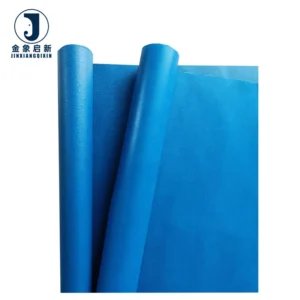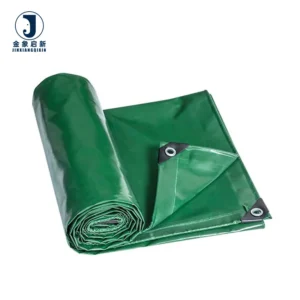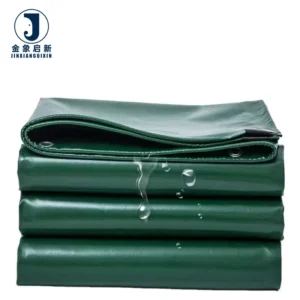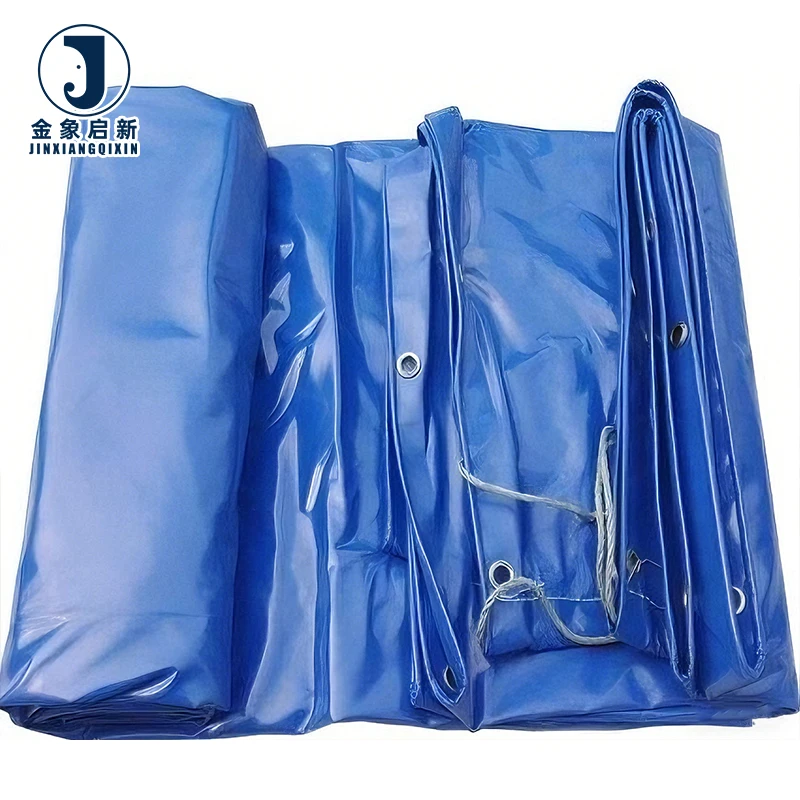
Description
Coated Fabric Expertise — Nearly 30 years of focused production on PVC coated woven fabric, with three full production lines and dedicated QA at every stage supporting bulk roll-stock consistency for distributors loading full containers.
Technical Specifications
| Parameter | Value |
|---|---|
| Product Type | PVC Coated Tarpaulin |
| Base Fabric Denier | 200DX300D / 500DX500D / 840DX840D / 1000DX1000D |
| Weight Range | 250gsm to 1500gsm (multiple grades available) |
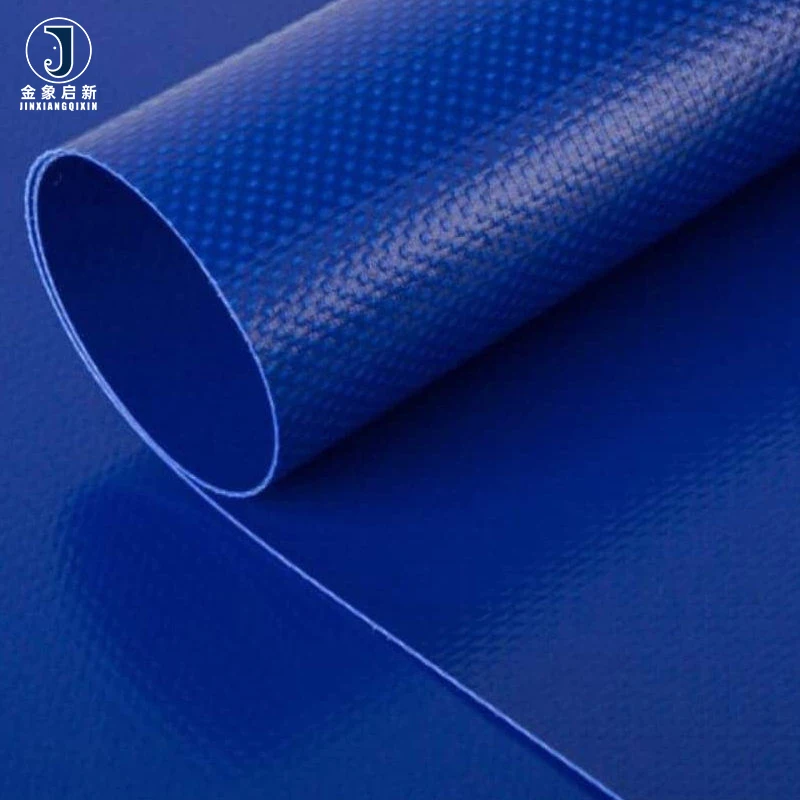
| Surface Finish | Glossy or matte |
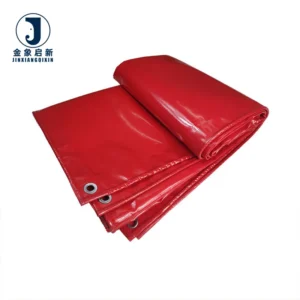
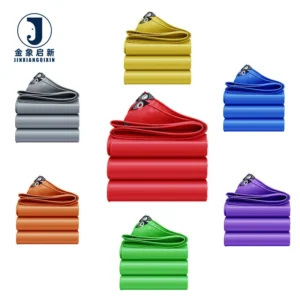
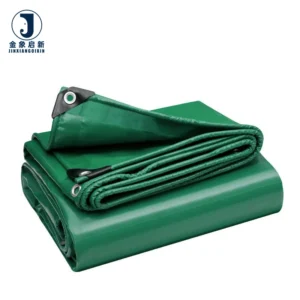
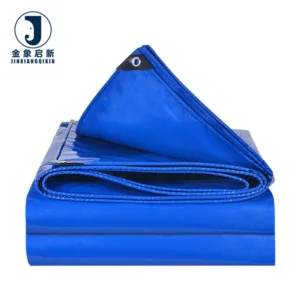
| Color Options | Blue, yellow, black, green, white, custom colours on request |
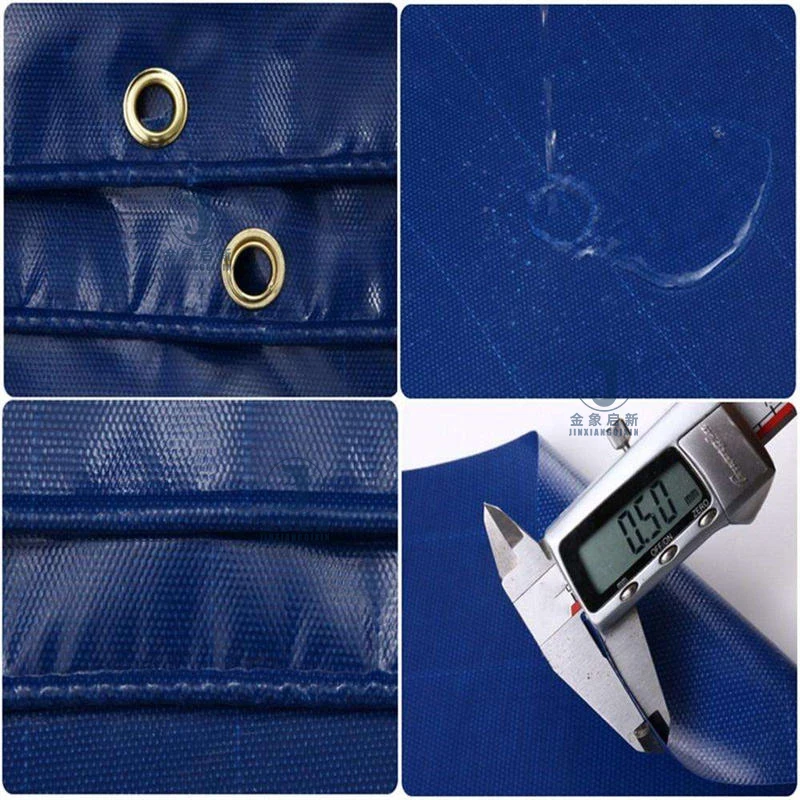
| Waterproof | Yes, fully coated construction |
| UV Treatment | Available — confirm the grade required for your market |
| Flame Retardant | FR treated — confirm the grade required for your market |
| Anti-Fungal | Treated |
| Temperature Range | -15°C to 70°C |
| Working Life | Suited to extended outdoor exposure depending on environment and grade selected |
| OEM / ODM | Accepted |
| Custom Size | Roll stock and cut sizes available (e.g. 3x4m, 6x8m, 8x10m, 10x12m or custom made) |
| Standards | ISO, CE |
Application Suitability
| Application | Exposure & Requirement |
|---|---|
| Tarpaulin distribution and import | Container-load purchasing, batch-consistent GSM and colour across multiple rolls for regional resale |
| Fabrication into custom covers | Roll stock cut and welded into truck, trailer or equipment covers, requiring clean weld lines and stable dimensional behaviour |
| Tent, awning and inflatable structures | Continuous fabric tension and weather exposure, roll-to-roll colour match critical when panels are installed side by side |
| Agricultural and aquaculture stock covering | Outdoor storage with prolonged UV and moisture contact, anti-fungal treatment relevant for humid environments |
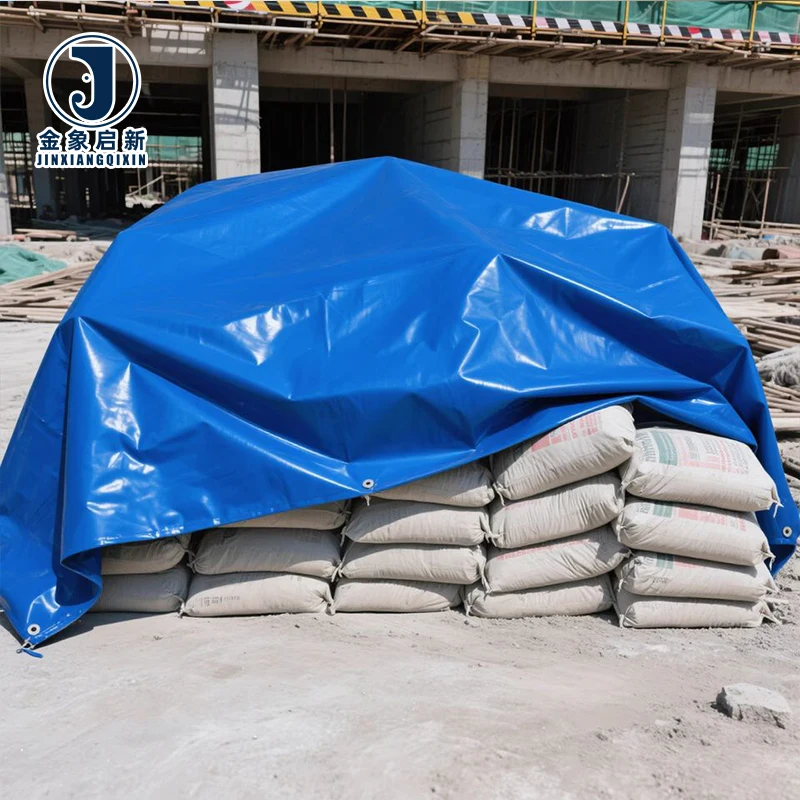
| Construction site and equipment covers | Abrasion from wind-blown debris, frequent handling and folding, mid-to-heavy GSM grades typically specified |
Why Roll Buyers Focus on GSM Verification Before Colour or Finish
Every roll is weighed and inspected against the specification sheet before it leaves the factory floor.
Distributors who have received full-container shipments only to find the material feels lighter than agreed know this problem well. The quotation states a particular GSM, but once the roll is unwound and sampled on arrival, the actual weight falls short. This discrepancy often shows up first in tensile behaviour — the fabric stretches or tears more easily than expected under load [NEED_CITE: tensile and tear test methods for coated fabrics per ISO 1421]. For wholesale buyers reselling into markets where end users test the material themselves, a GSM shortfall on arrival damages credibility across the entire supply chain.
Roll-to-Roll Consistency Across a Single Batch
When you order a PVC coated tarpaulin roll wholesale for container-load shipment, the expectation is that every roll in that container performs identically. Colour drift between rolls in the same order is a recurring complaint among fabricators who install panels side by side — a variation invisible on a single sample swatch becomes obvious once several metres of fabric hang next to each other. Production control over pigment dosing and coating temperature across the full run is what separates a clean batch from a problematic one.
Coating Weight Control and What It Means for Your Inventory
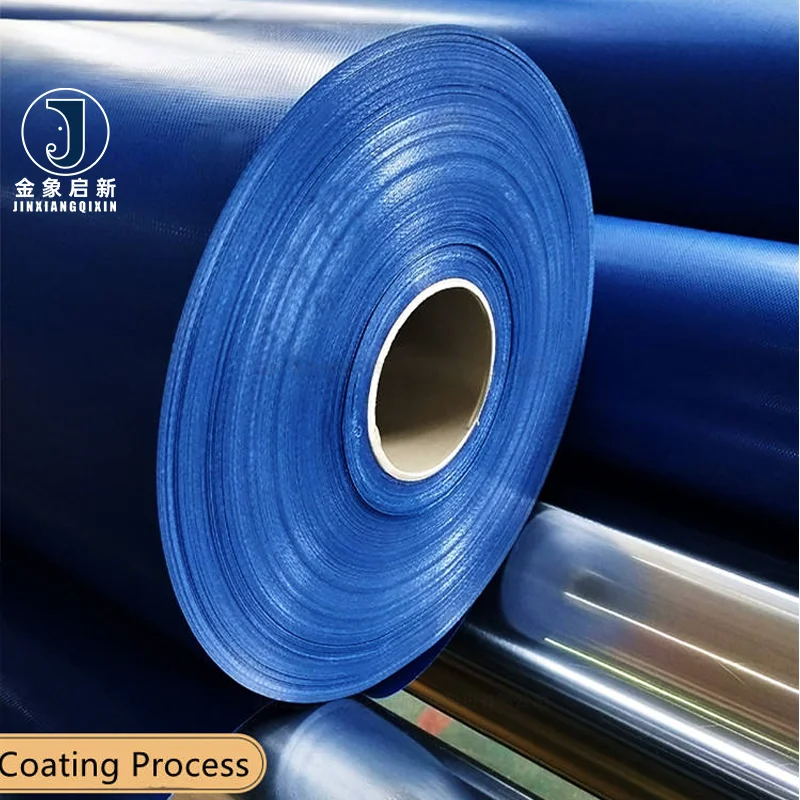
The base fabric denier determines the structural skeleton — how the fabric resists tearing and handles point loads at tie-downs and seams. The PVC coating weight layered on top governs waterproofing, surface abrasion resistance, and how the material behaves during heat welding. A 200DX300D base with a heavier coating will feel similar in GSM to a 500DX500D base with a lighter coat, but their tear behaviour and weld characteristics differ substantially. Buyers stocking multiple grades need to specify both denier and coating weight to ensure the PVC coated tarpaulin roll stock supplier delivers the performance profile their downstream customers expect [NEED_CITE: coating adhesion and peel strength testing for PVC fabrics].
How GSM and Denier Work Together — Why Weight Alone Is Not Enough
A common mistake in roll-stock purchasing is selecting fabric by GSM alone, assuming heavier always means stronger. The 250gsm to 1500gsm range available here spans light-duty covers through heavy-duty transport and structural grades, but the actual strength depends on how that weight is distributed between base fabric and coating. A 1000DX1000D base at 650gsm will outperform a 200DX300D base at the same weight in tear resistance because more of the total mass is in the woven yarn rather than the coating layer. The base fabric denier options — 200DX300D, 500DX500D, 840DX840D, and 1000DX1000D — allow buyers to match the structural requirement to the application. Glossy finishes tend to shed dirt and water more readily, while matte finishes reduce glare and can improve print adhesion for branded covers. The rated temperature range of -15°C to 70°C is relevant for container transit through tropical zones and cold-climate warehousing, where PVC can stiffen or soften outside its working envelope.
The Cost of Overlooking Batch Documentation at Receiving
Fabricators and distributors sometimes accept rolls without cross-checking the packing list against individual roll weights and lengths. When a shortage or GSM discrepancy is discovered weeks later — after some rolls have already been cut or sold — the supplier dispute becomes far harder to resolve. Colour variations discovered mid-installation can force an entire project to be re-sourced, with the original batch becoming dead stock. These problems compound when the shipment has crossed borders and return logistics are impractical [NEED_CITE: pre-shipment inspection standards for coated textile rolls].
Why Distributors Source PVC Coated Tarpaulin Roll Stock Here
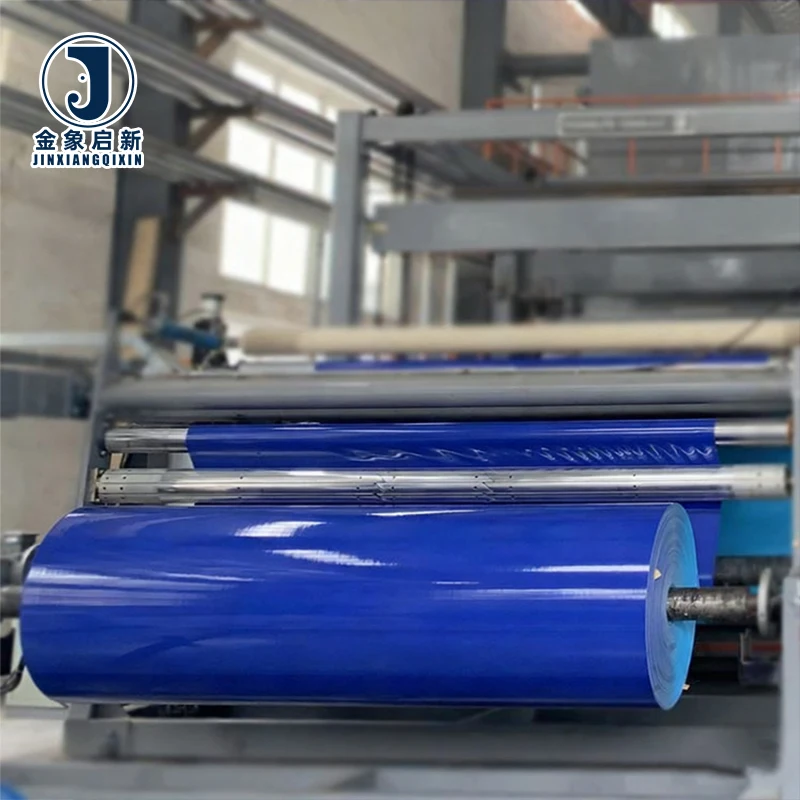
Three full production lines and 36 sets of professional equipment support bulk output with the scheduling reliability that container-load buyers depend on. A 10-person R&D team handles custom width, colour matching, and sample development, often turning samples around within days rather than weeks. Dedicated QA/QC operates at every production stage, not just at final packing — coating weight, colour, and surface quality are checked in-process. The pre-shipment inspection covers 100% of rolls rather than sampling a percentage, so the documentation you receive reflects the actual shipment. Nearly 30 years of focused coated-fabric production means the process controls around GSM accuracy and batch colour consistency have been refined through real production cycles, not adopted from a generic quality manual.
Documentation & Verification
- Material specification sheet listing exact GSM, base fabric denier, coating type, and colour reference for each roll batch
- Pre-shipment inspection record documenting roll-by-roll weight verification against the stated specification
- Roll packing list detailing individual roll count, net weight, dimensions, and container loading plan
- Certificate of origin and full customs documentation for cross-border bulk shipments
- Test reports for UV and flame-retardant treatment included with documentation where applicable
Fabrication, Handling & Storage
- Heat welding parameters should be adjusted to the specific GSM grade — lighter 250gsm rolls require lower temperature and dwell time than 1500gsm heavy-duty rolls to avoid coating burn-through.
- Rolls should be stored upright on their cores in a dry, shaded environment to prevent edge compression marks that transfer into visible surface defects during fabrication.
- Cold-condition rolls below the -15°C threshold should be acclimatised before unrolling to prevent coating crack or crease damage.
- Glossy and matte surfaces respond differently to solvent-based cleaners — test cleaning agents on an off-cut before full-surface application.
- When cutting panels from wide rolls, plan the nesting layout to minimise waste and keep weld seams away from high-flex areas of the finished cover.
Request a Quotation with the Right Detail
To get an accurate quote on PVC coated tarpaulin roll wholesale supply, include your target GSM and denier preference, required roll width and length, annual volume estimate, and destination market. If your downstream customers require specific UV or flame-retardant grades, state the test standard or certification your market demands so the correct treatment can be specified from the outset. For custom colours, providing a Pantone or RAL reference speeds sample development and batch matching.
Frequently Asked Questions
Q: How is GSM verified on each roll before shipment?
A: Every roll is weighed individually during the pre-shipment inspection, and the recorded weight is documented against the specification sheet. This roll-by-roll verification ensures that the GSM stated on your quotation matches what arrives at your warehouse, not just what was claimed on paper.
Q: How do you control colour consistency across rolls in the same order?
A: Pigment dosing and coating temperature are monitored throughout the production run. A colour reference from the approved sample is used as the benchmark, and rolls are compared against this standard at multiple points during manufacturing to catch drift before the batch is packed.
Q: What roll widths and lengths are available, and how are they packed?
A: Standard and custom widths are available — specify the width and roll length that suits your fabrication or resale format. Rolls are packed in carton or bale format, with a detailed packing list showing individual roll dimensions and weight for receiving verification and container loading planning.
Q: What is the MOQ for custom colour or custom width rolls?
A: MOQ varies by the specific custom requirement — colour, width, and treatment combination each affect the minimum production run. Provide your target specification and volume so an accurate MOQ and lead time can be confirmed for your PVC coated tarpaulin roll stock supplier enquiry.
Q: How are rolls protected during ocean freight?
A: Rolls are wrapped to guard against moisture ingress and edge damage during transit. Packing configuration within the container is planned to prevent crushing and shifting. The packing list and container loading plan are included in the shipping documentation so you can verify the load on arrival.