Description
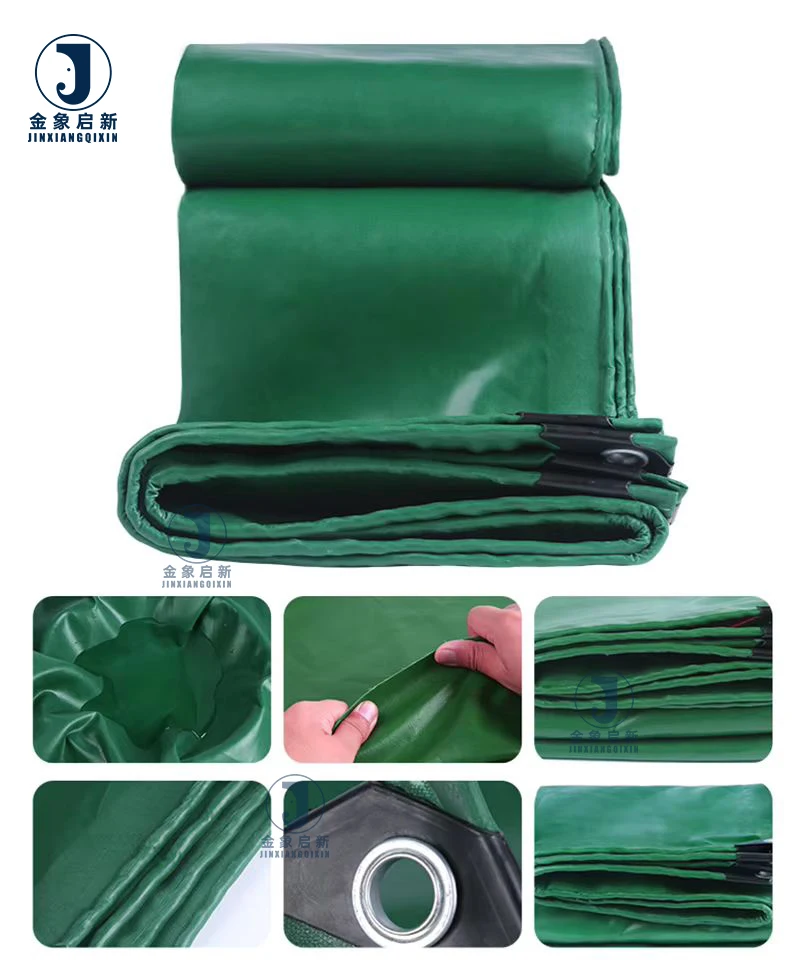
Coating Adhesion Control — Every roll of PVC coated fabric we produce undergoes coating weight verification at the knife edge, ensuring the 420 g GSM stated on your material specification sheet is what arrives on your dock, not a lighter substitute.
Technical Specifications
| Parameter | Value |
|---|---|
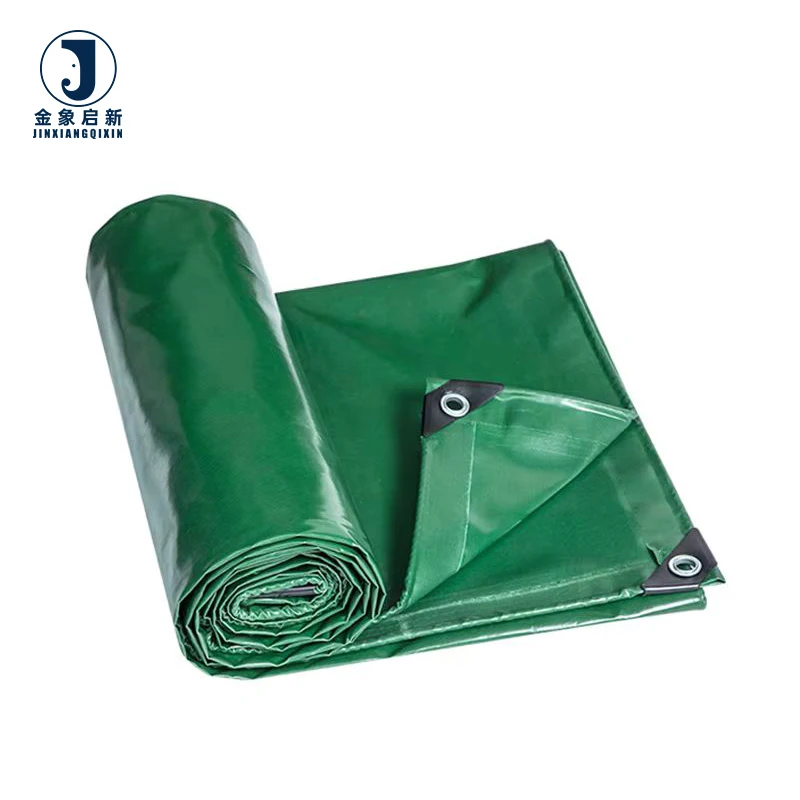
| Product Type | PVC Coated Tarpaulin Roll |
| Weight | 420 g |
| Coating Method | Knife Coated |
| Base Fabric | Woven Fabric (denier and mesh count to be confirmed per order) |
| Coating Material | PVC |
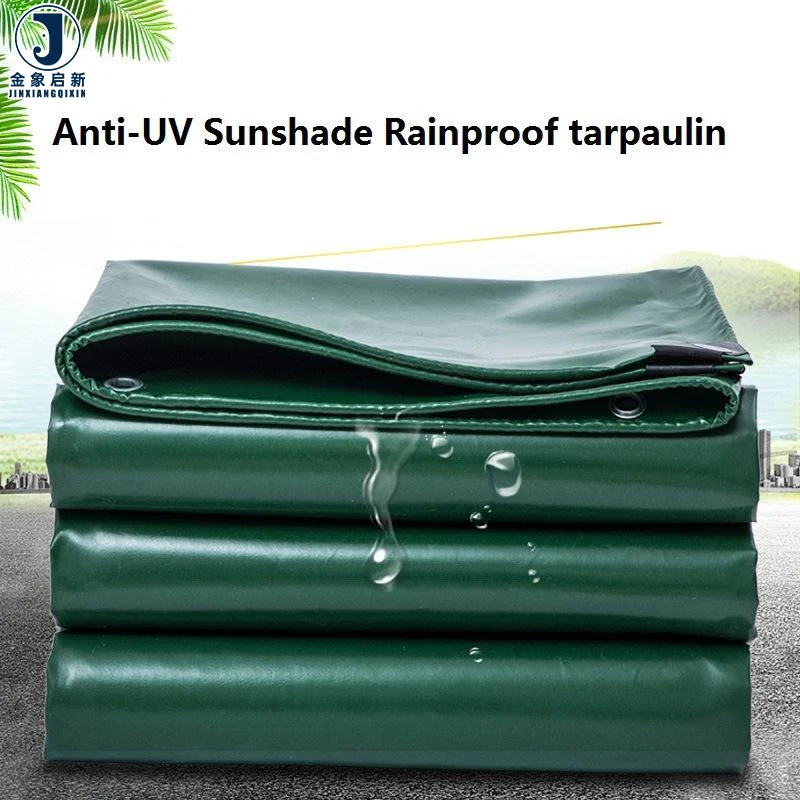
| Waterproof Rating | Waterproof (test basis not stated in source) |
| UV Treatment | Anti-UV coated (test basis not stated in source) |
| Flame Retardant Grade | Available in flame retardant grades — confirm the grade required for your market |
| Anti-Static | Available upon request — confirm standard required |
| Tear Resistance | Tear-Resistant (test standard not stated in source) |
| Custom Size | Available for roll width and length |
| Finish | Not stated in source — confirm glossy or matte preference |
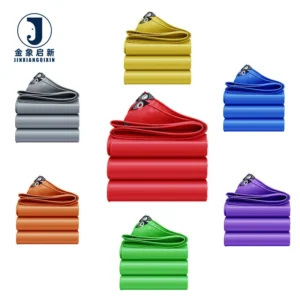
| Color | Black back option available; additional colors on request |
Application Suitability
| Application | Exposure & Requirement |
|---|---|
| Tarpaulin distributor stock | Consistent GSM and colour across rolls for cut-to-size resale |
| Tent and awning fabric production | Roll-fed cutting and welding, batch colour matching across panels |
| Inflatable structure manufacturing | Airtight coating adhesion, reliable heat-weld seams at flex points |
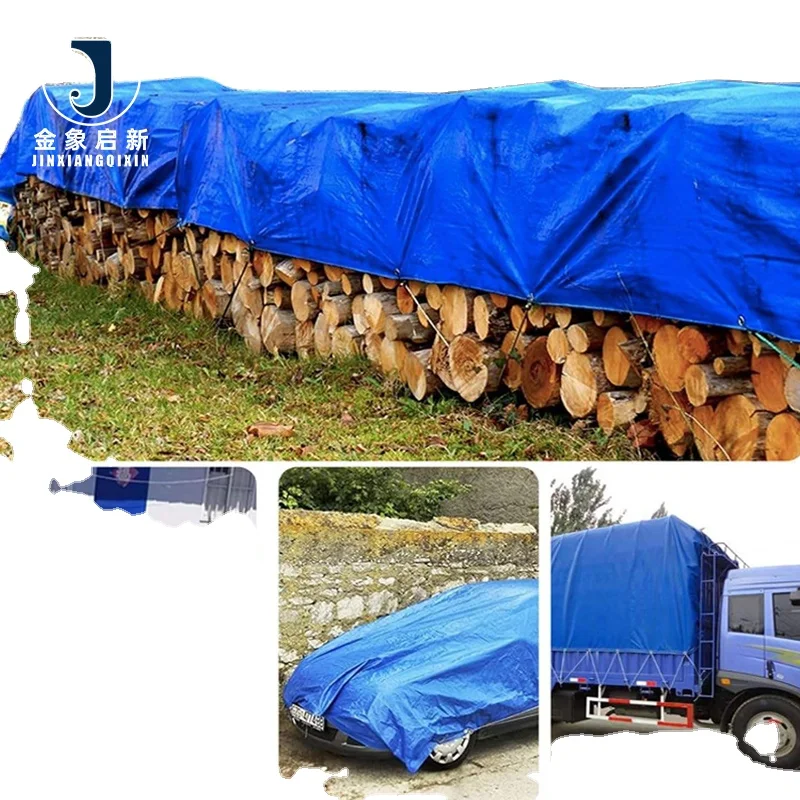
| Industrial equipment covers | Abrasion from repeated cover-and-uncover cycles, UV exposure outdoors |
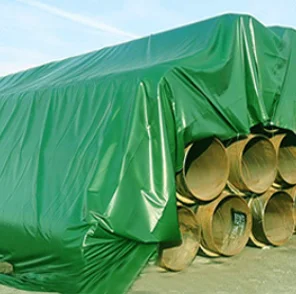
| Truck cover fabric conversion | Tensile load from tie-down tension, road spray and weather exposure |
What Happens When Roll-to-Roll Colour Shifts Reach Your Customer
Colour consistency across a container order is a production discipline, not a lucky outcome.
Tarpaulin converters buying PVC coated fabric rolls in volume have faced this: rolls from the same order, produced in the same week, show a visible shade difference when unrolled side by side on the fabrication floor. The panels are cut, welded, and shipped — and the end user sees two panels that do not match once installed. The converter absorbs the return, the rework, and the reputational cost. This is not a coating chemistry problem. It is a batching and pigment-dispersion control problem at the production stage [NEED_CITE: colour consistency standards in coated textile manufacturing].
Batch Consistency as a Production Standard
When sourcing PVC coated tarpaulin roll wholesale quantities, the buyer’s real concern is whether roll number one and roll number fifty in the same container will behave identically during fabrication and appear identical after installation. Our knife coated process applies PVC at a controlled weight across the woven base fabric, and each production run is tracked against the batch colour reference established at sample approval. Rolls destined for a single order are grouped from the same coating run wherever possible, reducing the variables that cause shade drift.
Coating Weight Verification Before Dispatch
GSM stated on a quotation means nothing if the material on arrival is lighter than agreed. Our pre-shipment inspection process includes weight verification per roll against the material specification sheet. Rolls that fall outside the agreed tolerance are flagged and replaced before container loading. For wholesale buyers managing inventory across multiple grades, this means the 420 g you specified is the weight you receive — documented on the packing list and the pre-shipment inspection record [NEED_CITE: ISO 1421 tensile and tear test methods for coated fabrics].
How Knife Coating Affects Your Fabrication Outcome
The coating method determines how the PVC bonds to the woven base fabric and how the material responds to heat welding. Knife coated construction forces the PVC compound into the weave structure under blade pressure, producing a coating layer that is mechanically locked to the base fabric rather than sitting on the surface. For fabricators running automated weld lines, this means the peel strength at the weld seam is driven by coating adhesion rather than surface contact alone. Uniform coating weight across the roll width also means your weld parameters do not need adjustment from one roll to the next — a practical advantage when running long production shifts.
GSM, Base Fabric, and Why Neither Tells the Full Story Alone
The 420 g weight reflects the combined mass of the woven base fabric and the PVC coating layers. A higher GSM does not automatically mean a stronger material — a heavy coating over a low-denier base fabric can produce a stiff roll with poor tear propagation resistance, while a lighter coating over a dense weave can outperform it in tensile load. Knife coated construction addresses this by controlling the ratio of coating to substrate. The denier and mesh count of the base fabric determine how load distributes across the weave, while the coating weight determines surface durability, waterproof integrity, and weld behaviour. Requesting the base fabric specification alongside the GSM gives your engineering team the complete picture [NEED_CITE: relationship between base fabric denier and tear propagation in coated textiles].
The Hidden Cost of Ordering by GSM Alone
Buyers who specify only a target GSM without defining the base fabric construction or coating method leave critical performance variables uncontrolled. A 420 g roll with an uneven coating distribution may pass the weight check but fail at the weld line where the coating is thinnest. Rolls that arrive within GSM tolerance but with inconsistent pigment loading will show colour variation once panels are installed adjacent to each other. Flame retardant grades specified without a named standard may not satisfy the fire classification required by the destination market, causing site inspection failures and project delays. These are not material defects in the traditional sense — they are specification gaps that become visible only after fabrication or installation [NEED_CITE: DIN 4102 fire classification for building materials and textile coverings].
Why Converters Source This Grade Here
Our three full production lines and 36 sets of professional equipment support container-volume orders of PVC coated tarpaulin roll wholesale stock with consistent lead times. The 10-person R&D team handles colour matching, custom width development, and sample rolls so you can validate fabrication parameters before committing to bulk. Dedicated QA/QC runs at every production stage, with 100% inspection before shipment — not a spot check on one roll per batch. Samples for custom width, colour, or print are developed within days, allowing you to confirm coating adhesion, colour match, and weld behaviour before production begins. Roll packing lists detail roll count, weight, and dimensions per container load for your warehouse planning.
Documentation & Verification
- Material specification sheet stating 420 g GSM, base fabric construction, and coating method per roll grade
- Pre-shipment inspection record with weight verification and visual check across the full order quantity
- Batch colour reference card matched to approved sample for each colour in the order
- Roll packing list with individual roll dimensions, weight, and container loading position
- UV and flame retardant test reports supplied for applicable grades — confirm standard required for your market
- Certificate of origin and customs documentation for export clearance
Fabrication, Handling & Storage
- Set heat weld temperature based on knife coated PVC thickness — test on roll end before full production runs
- Store rolls upright on pallets to prevent flat-spot deformation of the woven base fabric under self-weight
- Allow rolls to acclimatise before unrolling in cold conditions to avoid coating stiffness and cracking at the crease
- Use sharp rotary blades for cutting to prevent fraying of the woven base fabric edges at the selvedge
- Clean coated surface with mild detergent only — solvent-based cleaners can soften the PVC coating layer
What to Include in Your Enquiry
To receive an accurate quotation with lead time and minimum order, specify the roll width and length you require, the colour or colours needed with any Pantone or RAL reference, and whether you need anti-UV or flame retardant treatment with the applicable standard for your destination market. If you are fabricating into finished products, let us know the welding method you use so we can confirm coating compatibility. Sample rolls are available for fabrication trials before bulk commitment.
Frequently Asked Questions
Q: How is GSM verified on arrival and what is the re-inspection process?
A: Every roll is weighed during pre-shipment inspection and recorded on the packing list against the 420 g specification. If your receiving inspection shows a variance beyond the agreed tolerance, we request a cut sample from the flagged roll and cross-reference it against our retained production sample to determine the root cause and arrange replacement.
Q: How is colour consistency controlled across multiple rolls in one order?
A: Rolls for a single order are scheduled from the same coating batch where volume allows. Pigment dispersion is checked at the mixing stage and again at the knife edge. A batch colour reference is retained for comparison at final inspection, and any roll outside the visual tolerance band is pulled before packing.
Q: What roll widths and lengths are available for bulk orders?
A: Custom width and length are available to suit your cutting layout and container loading plan. Provide your required dimensions and annual volume so we can confirm the most efficient roll configuration and bulk pricing tier for your order pattern.
Q: How are rolls packed for container loading?
A: Each roll is wrapped to protect the coated surface during transit and loaded according to the roll packing list. Pallet grouping and loading position are planned to maximise container utilisation while preventing compression damage to the woven base fabric and coating edges.
Q: Can I receive a sample roll before committing to a full container order?
A: Yes. Sample rolls are produced on the same knife coated line as bulk production, so coating weight, colour, and weld behaviour on the sample represent what you will receive at volume. Lead time for samples is typically within days of specification confirmation.