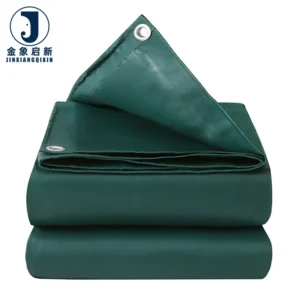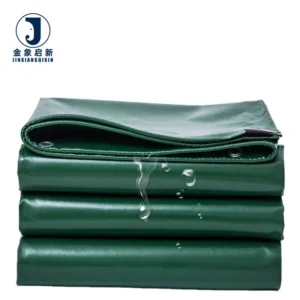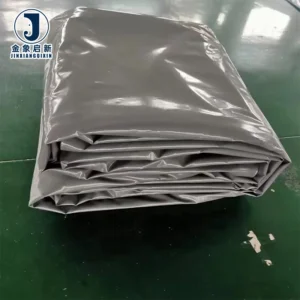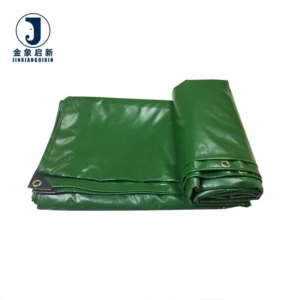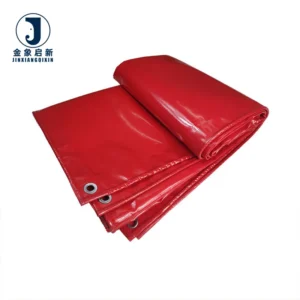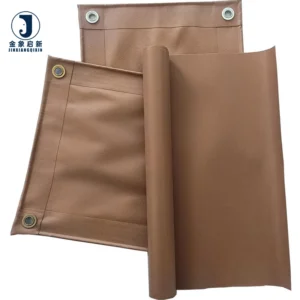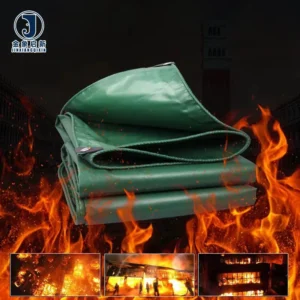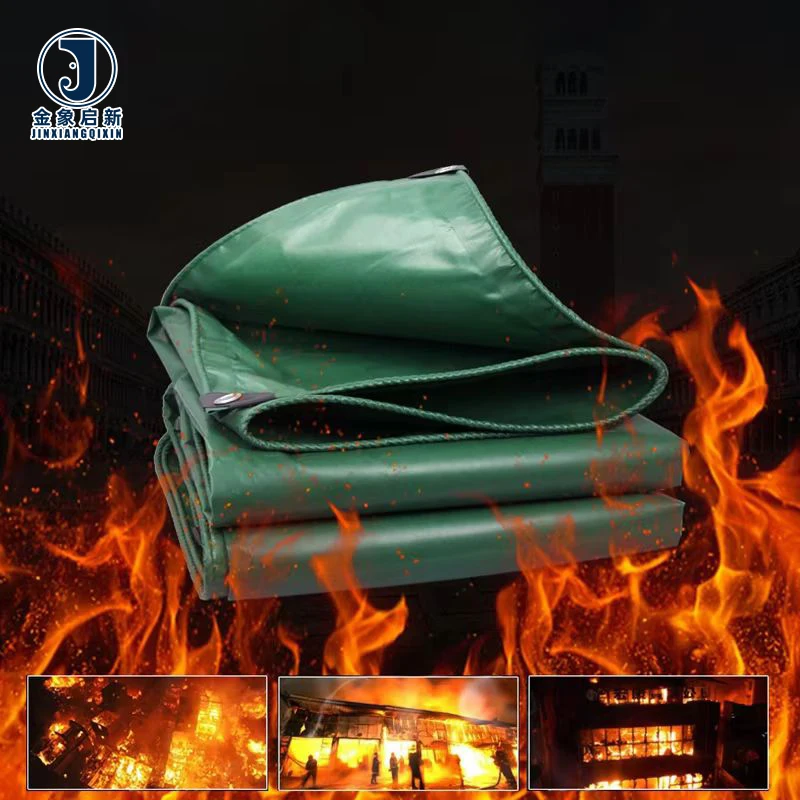
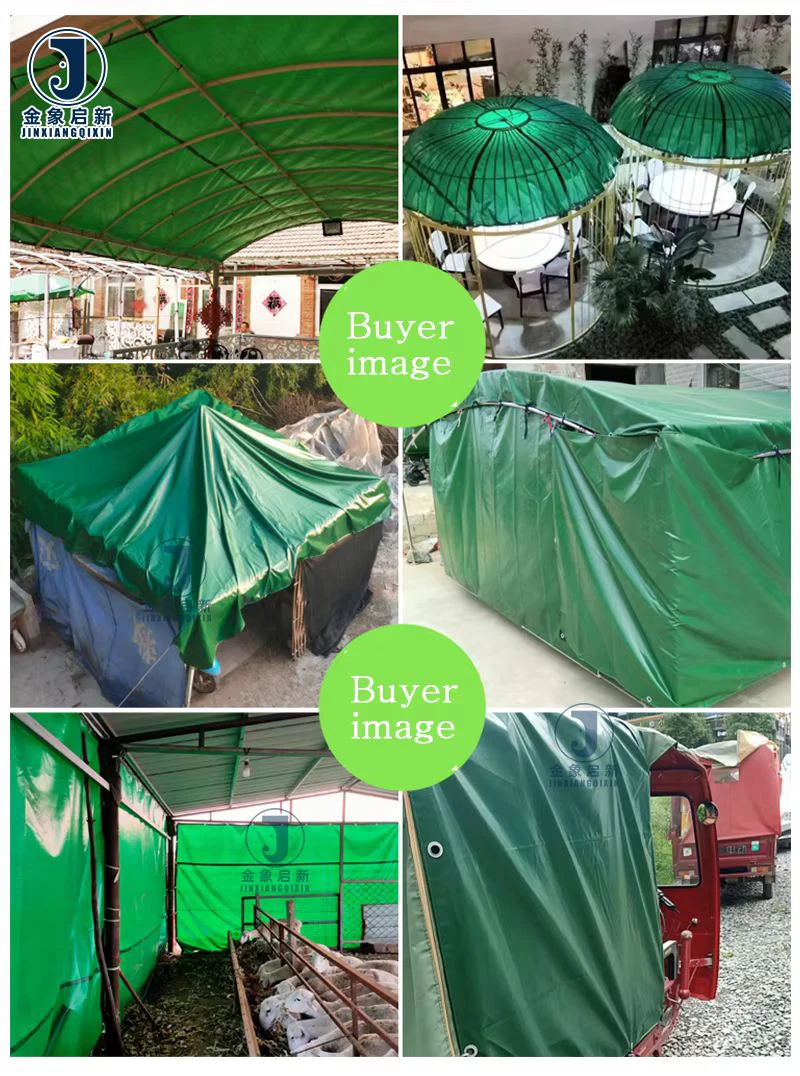
Description
Batch-to-batch colour and weight consistency — verified through in-process QA across every roll before dispatch, protecting your installed result when multiple rolls are used side by side.
Technical Specifications
| Parameter | Value |
|---|---|
| Product Type | PVC Coated Tarpaulin |
| Material | PVC Coated Woven Fabric |
| Weight | At least 450 g/m² |
| Finish | Coated |
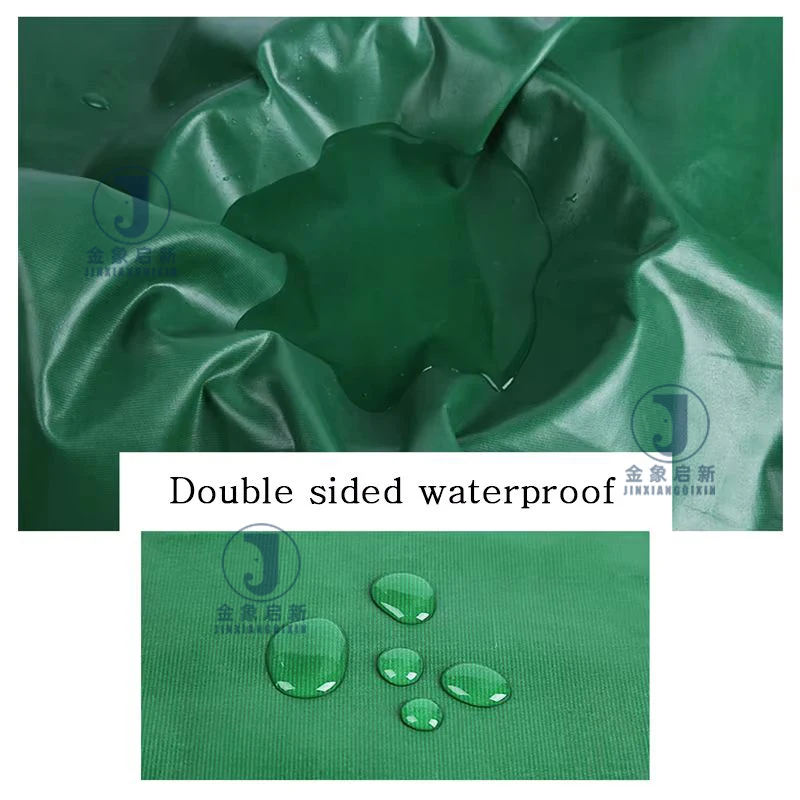
| Properties | Waterproof, Tear-Resistant, Anti-UV (test basis not stated) |
| Format | Roll |
| Standards | ISO, CE |
Application Suitability
| Application | Exposure & Requirement |
|---|---|
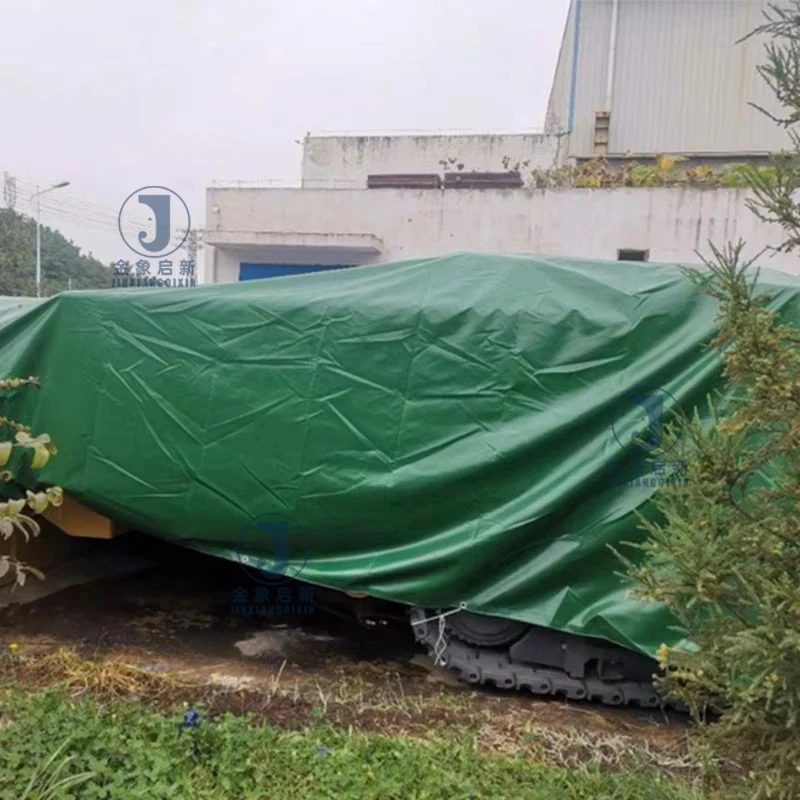
| Truck covers | Constant flexing at load points, road spray, UV exposure, abrasion from tie-downs |
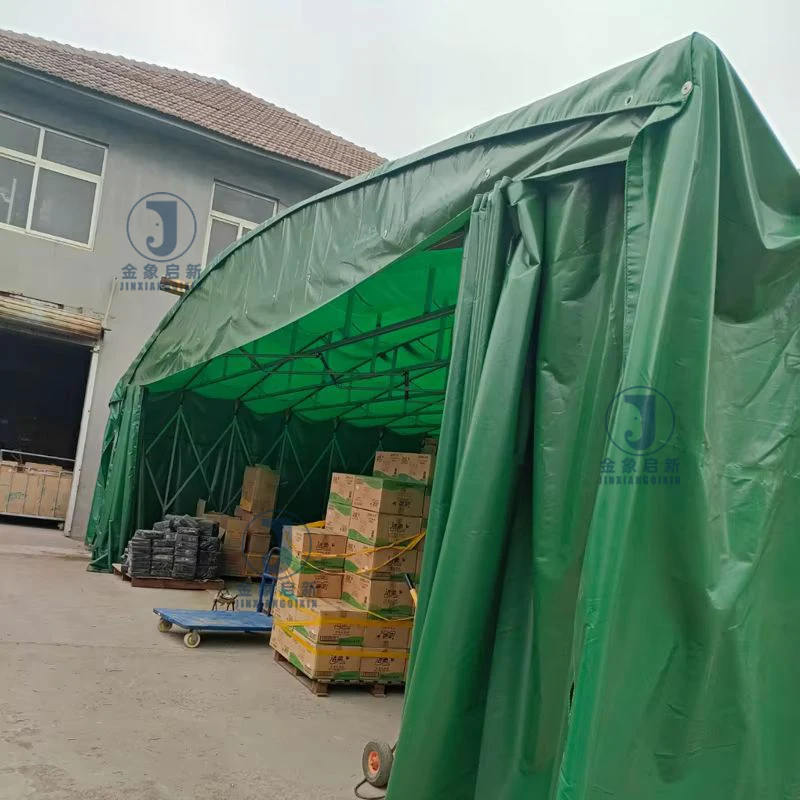
| Outdoor tents | Rain contact, wind loading on seams, prolonged sun exposure, repeated assembly |
| Industrial equipment protection | Dust and moisture ingress, chemical splash, mechanical contact during storage |
| Construction site covers | Debris impact, wind uplift, temporary water pooling, UV degradation over project duration |
| Vehicle and equipment wraps | Conformity to irregular shapes, surface abrasion, weather cycling |
Why Colour Drift Between Rolls Costs More Than the Fabric Itself
Roll-to-roll colour matching is a production discipline, not a sorting exercise.
When a container arrives with three rolls that look identical on the warehouse floor but shift noticeably once installed side by side on a truck curtain or tent canopy, the entire job gets rejected. The fabric itself may perform perfectly — tensile strength intact, welds holding, waterproofing intact — yet the visual inconsistency forces a full strip and re-fit. I have seen distributors absorb the cost of a second shipment because the first batch was never checked for shade variation before loading [NEED_CITE: colour tolerance standards for coated fabrics in batch production]. Sourcing PVC coated tarpaulin roll aftermarket supplier stock means the colour you approve on sample must be the colour that arrives across every roll in the order.
How In-Process QA Prevents Shade Mismatch at the Dock
Colour consistency starts at the coating head, not at final inspection. The PVC compound mixing ratio, plastisol viscosity, and oven temperature profile all influence the final shade of each roll. Our production protocol samples every roll mid-run against the approved reference swatch under controlled lighting. Any drift triggers an immediate line adjustment before the deviation compounds across the remaining batch. For PVC coated tarpaulin roll aftermarket supplier orders spanning multiple containers, this discipline ensures the first roll and the last roll read as the same shade when unrolled next to each other on the fabrication floor.
Weight Verification Before the Container Door Closes
GSM stated on the quotation must match what arrives on the receiving dock. We cut and weigh test samples from the head, middle, and tail of every roll during production. Results are logged against the specification sheet and included in the pre-shipment inspection record. Rolls that fall outside tolerance are held and re-coated or replaced before packing. This step is non-negotiable because underweight rolls fail prematurely at stress points, and overweight rolls add unnecessary cost per square metre without proportional strength gain [NEED_CITE: GSM verification methods for coated fabric rolls per ISO standards].
Reading the Spec Sheet Beyond the Headline Number
A stated weight of at least 450 g/m² tells you the total mass per square metre of the finished coated fabric, but it does not isolate how that mass is distributed between the base fabric and the PVC coating layer. A heavier base fabric with a lighter coat will tear differently than a lighter base with a thick coat — even though both read the same on the scale. The knife-coated construction used here applies the PVC layer directly onto the woven substrate under controlled blade pressure, producing a uniform coating thickness that bonds mechanically to the yarn surface. This method influences how the material behaves during heat welding: consistent coating thickness means predictable melt behaviour at the seam, reducing the chance that the weld fails before the fabric itself. The waterproof and tear-resistant properties are a function of both the coating integrity and the woven base fabric structure working together. Available in anti-UV grades — confirm the specific UV test standard required for your target market before placing bulk orders.
The Hidden Cost of Skipping the Sample Approval Step
Approving a roll spec from a data sheet alone and skipping physical sample testing is where most bulk orders go wrong. The hand feel, drape, and weld behaviour of a coated fabric cannot be fully assessed from a table of numbers. Fabricators who weld test pieces from the actual sample roll before committing to production catch incompatibilities early — wrong heat setting, poor peel strength at the seam, or unexpected stiffness that makes the material difficult to handle on the cutting table. Skipping this step and discovering the issue mid-production means the roll stock is already cut, the labour is spent, and the delivery deadline is gone [NEED_CITE: peel strength testing for heat-welded PVC coated fabric seams].
Why Volume Buyers Source Through This Production Line
Three full production lines and 36 sets of professional equipment mean container-load orders of PVC coated tarpaulin roll aftermarket supplier stock move through without being queued behind smaller custom jobs. A 10-person R&D team handles custom width requests and sample development within days rather than weeks. Every roll passes dedicated QA/QC checkpoints at coating, winding, and packing stages — not a single final glance before the container door closes. ISO and CE certified production ensures documentation travels with the shipment, meeting import requirements across North American, European, and Asian markets. Roll packing lists specify net weight, roll count, and dimensions per container so your logistics team can plan unloading and warehouse allocation before the vessel docks.
Documentation & Verification
- Material specification sheet confirming base fabric type, coating method, and weight per square metre
- Pre-shipment inspection record with GSM verification results from head, middle, and tail samples
- Roll packing list detailing roll count, net weight, and container loading configuration
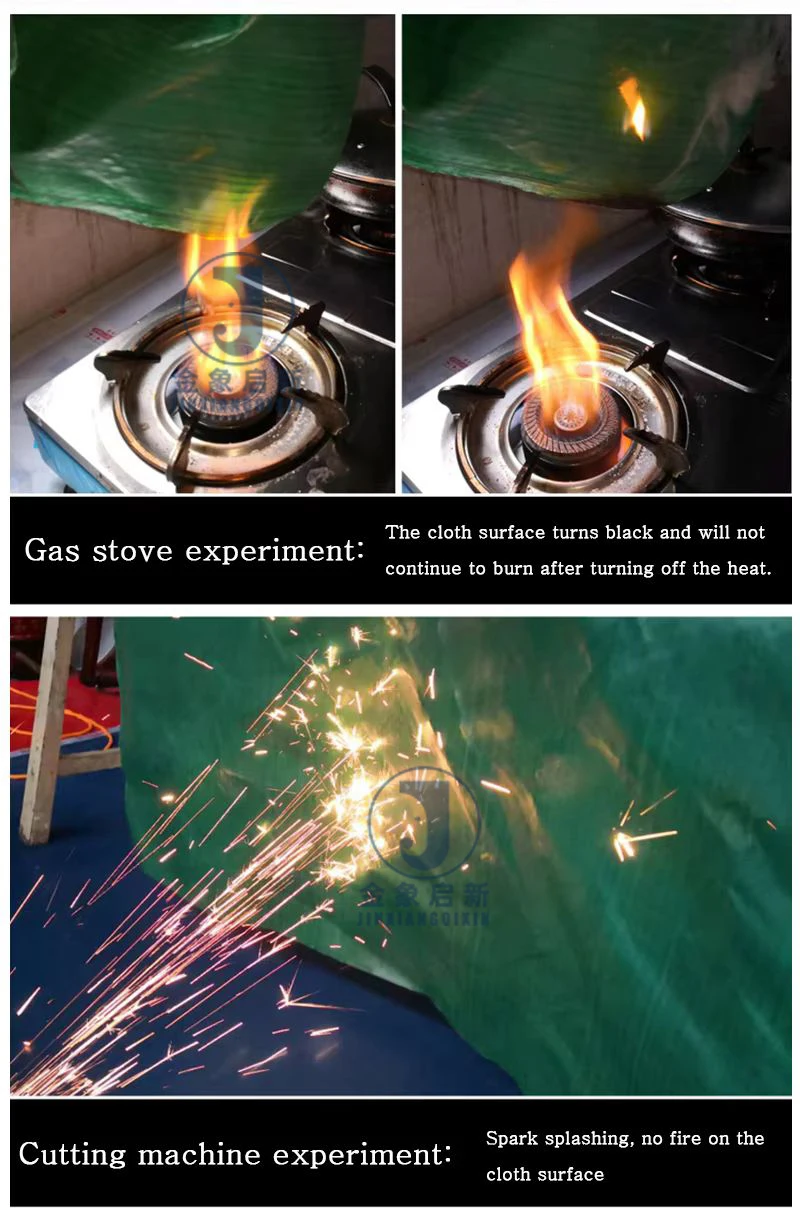
- UV and flame-retardant test reports supplied for applicable grades upon order confirmation
- ISO and CE certificates included with customs documentation package
Fabrication, Handling & Storage
- Heat weld at temperatures matched to the PVC coating thickness; test peel strength on sample pieces before full production runs
- Store rolls upright on pallets to prevent flat-spot deformation on the coated surface
- Unroll and allow material to relax before cutting to release tension from winding
- Use compatible PVC-based adhesive for field repairs on coated surface punctures
- Plan cutting layout to maximise yield from roll width and minimise offcut waste
What We Need From You to Quote Accurately
Tell us the end-use application and the environmental conditions the fabric will face — outdoor UV exposure duration, contact with chemicals, or mechanical abrasion levels. Specify the roll width and length that fits your cutting table or welding jig, along with your annual volume so we can plan production runs that maintain batch consistency. If your market requires a specific flame-retardant or anti-UV certification, name the standard so we match the treatment and documentation to your compliance requirement.
Frequently Asked Questions
Q: What is the minimum order by roll count or container load?
A: Minimum order quantities are set per width and colour combination rather than a single universal figure. Standard stock widths can ship in smaller roll counts, while custom widths or colours require a production run minimum that covers coating line setup. We confirm the exact minimum at quotation stage based on your specification, and we provide the container loading plan showing roll count and weight so you can evaluate shipping efficiency before committing.
Q: Can colour be matched across multiple production batches?
A: Yes. Colour matching across batches requires that we retain the approved reference swatch and the compound formulation record from your first order. When you reorder, we run mid-production colour checks against that retained reference under controlled lighting. For large projects spanning multiple production dates, we recommend placing the full order at once so all rolls run in a single continuous batch, eliminating inter-batch shade variation entirely.
Q: What widths are available off the shelf versus custom?
A: Standard stock widths cover the most common cutting table sizes used by tarpaulin fabricators and tent manufacturers. Custom widths outside the standard range are available with defined lead times that account for coating line setup and width-specific tooling. We confirm available stock widths at enquiry stage and provide lead time and minimum for any custom width you specify, so you can compare total cost per usable square metre.
Q: How is GSM verified before shipment?
A: We cut weighed samples from the head, middle, and tail of every roll during production. Results are recorded against the stated specification and compiled into the pre-shipment inspection record that ships with your documentation. If any sample falls outside tolerance, that roll is held and corrected before packing. You receive the inspection record so your receiving team can cross-check against the quotation without waiting for third-party testing.
Q: Do you supply test reports for UV and flame-retardant grades?
A: Test reports are provided for the specific grade ordered. If your application or local regulation requires a particular UV stability standard or flame-retardant classification, state that standard in your enquiry so we supply the correct treatment and the matching test documentation. Reports are included with the shipment documentation package and can also be sent in advance for your compliance review before the goods are dispatched.