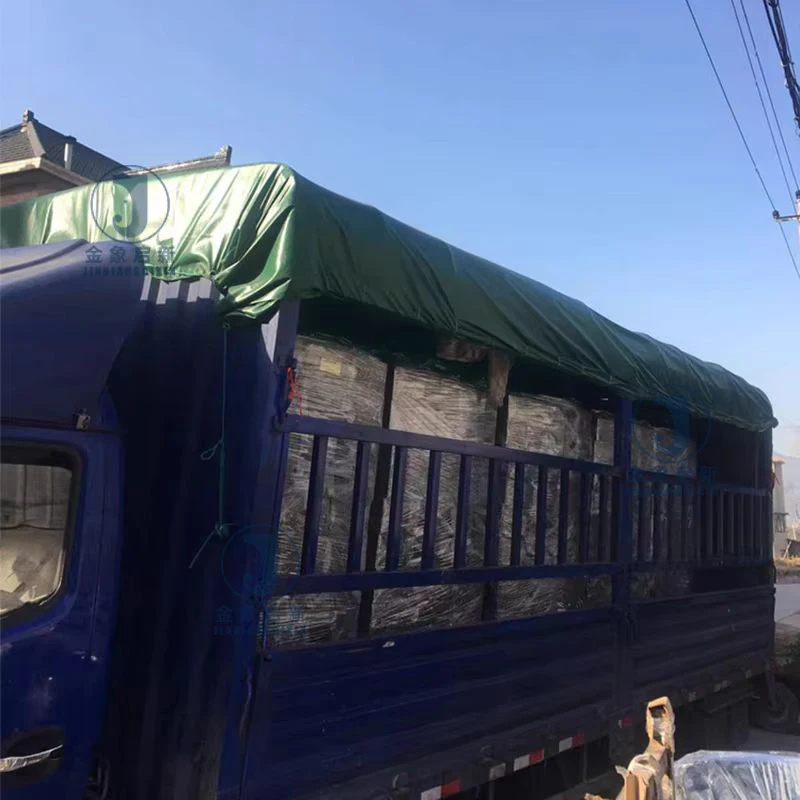
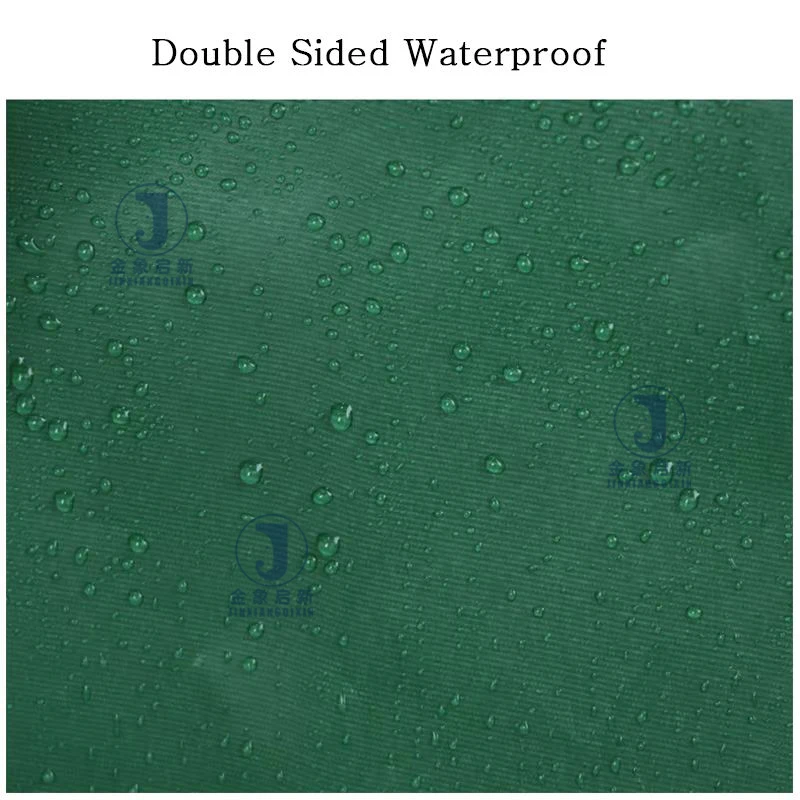
Description
Batch Consistency at Volume — three full production lines with dedicated QA/QC at every stage ensure roll-to-roll uniformity across container-load orders of membrane structure fabric.
Technical Specifications
| Parameter | Value |
|---|---|
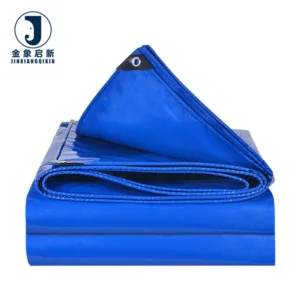
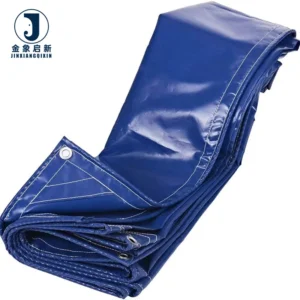
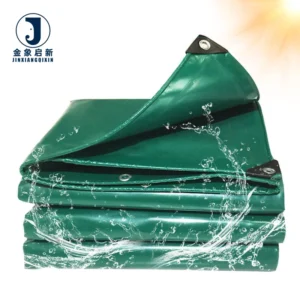
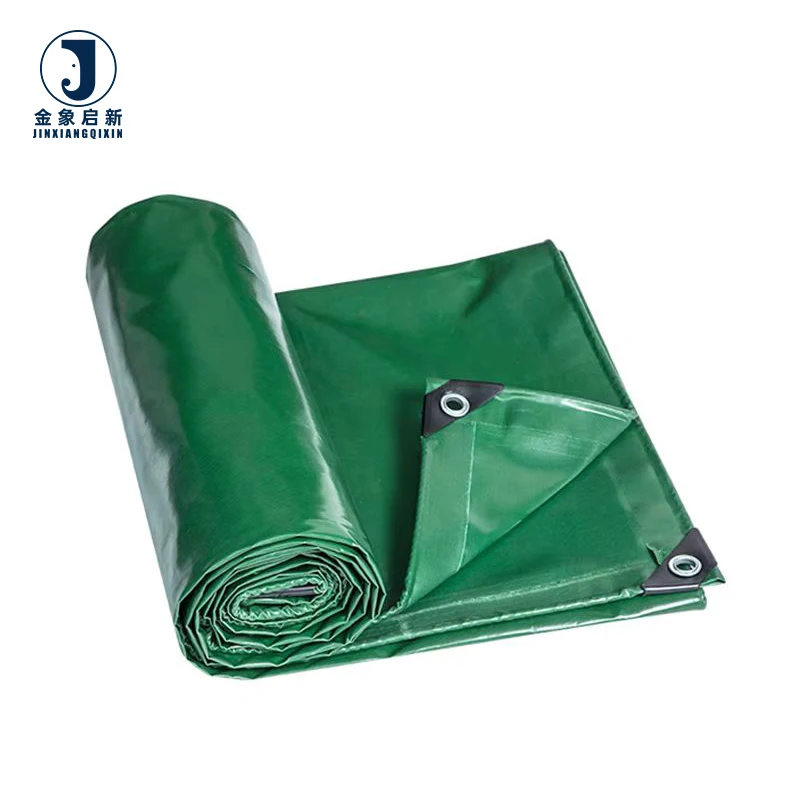
| Product Type | PVC Coated Tarpaulin Roll / Membrane Structure Fabric |
| Material | 100% high toughness polyester yarn with PVC coating |
| Coating Technology | Lamination technology and hot melt coating technology |
| Weight Range (GSM) | 400 – 1500 g/m² |
| Thickness Range | 0.35 – 1.5 mm |
| Base Fabric Denier | 500D – 2000D |
| Tensile Strength | Warp 1500-3000 N/5cm / Weft 1200-2800 N/5cm |
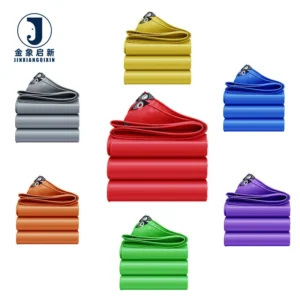
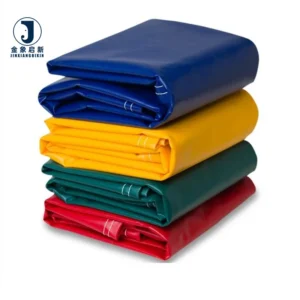
| Color Options | Custom colors available |
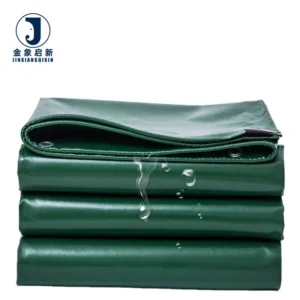
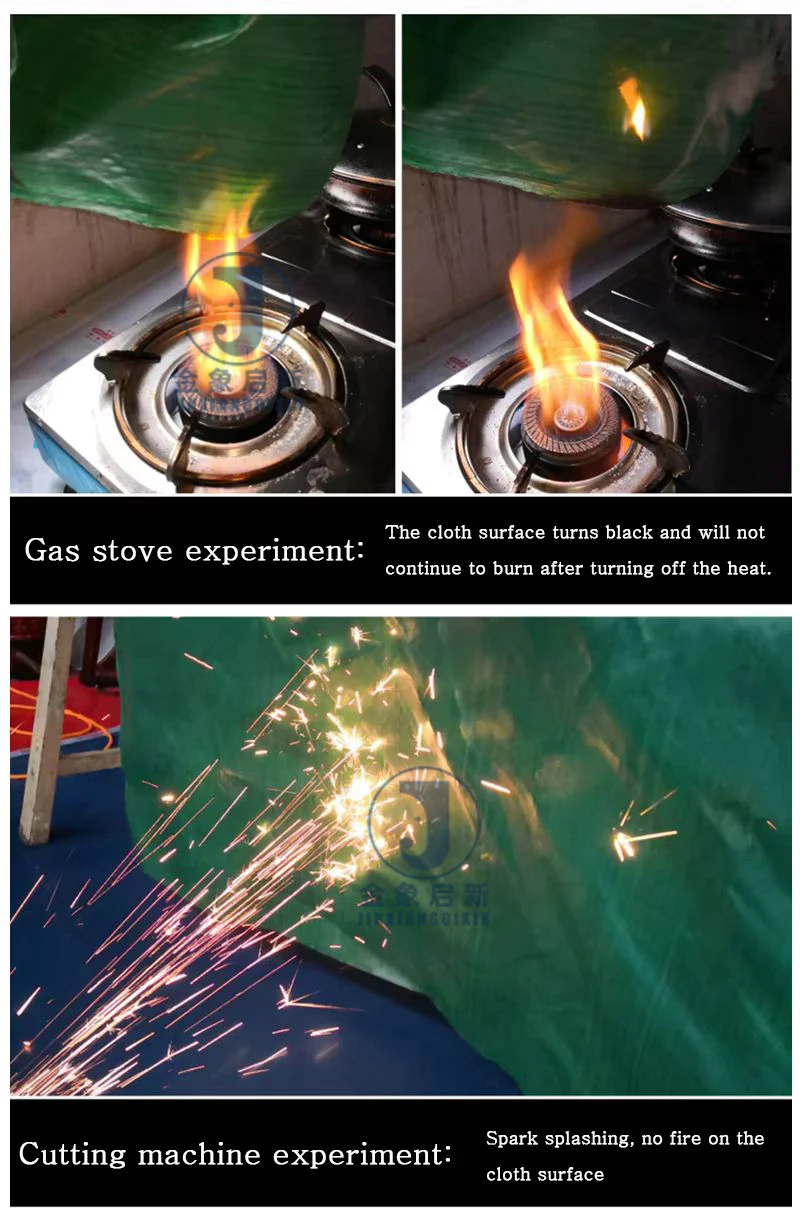
| Key Features | Flame retardant (grade not stated), Anti-static (standard not stated), Cold resistant, Mold proof, Anti-UV (3-5 years weather resistance) |
| Welding Performance | Excellent welding tear strength |
| Roll Width | Customizable |
| Standards | ISO, CE certified |
Application Suitability
| Application | Exposure & Requirement |
|---|---|
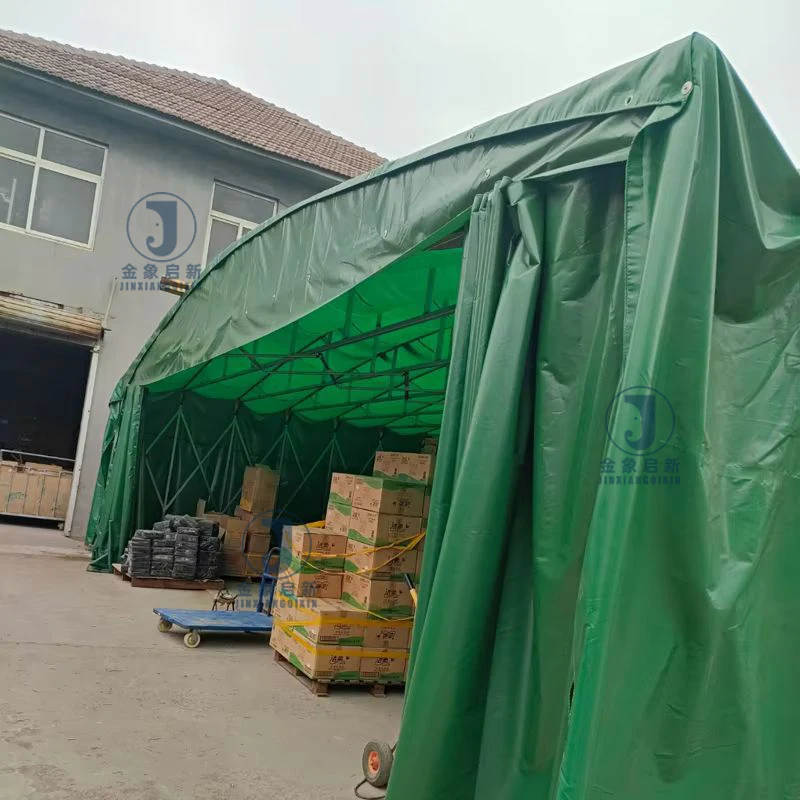
| Membrane structure roofs | Continuous tension load, UV exposure, wind uplift, thermal cycling |
| Stadium and arena canopies | Large-span tensile forces, public fire safety compliance, long-term weathering |
| Tensioned architectural facades | Biaxial stress, aesthetic surface consistency, welded seam integrity |
| Industrial pipe canopies | Chemical exposure, abrasion from maintenance access, water shedding |
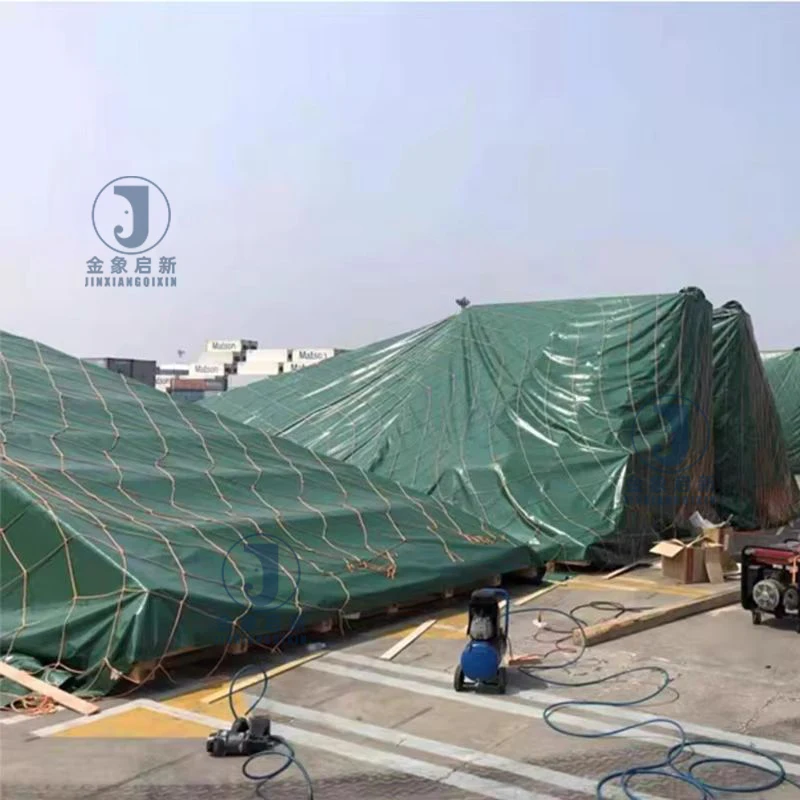
| Heavy-duty protective covers | Equipment load flexing, outdoor storage, puncture and tear risk |
What "Batch Consistent" Really Means When You Buy PVC Coated Tarpaulin Roll by the Container
Every roll leaves the line with verified GSM, base fabric denier, and coating weight matched against the purchase specification.
When sourcing PVC coated tarpaulin roll stock for membrane structure projects, buyers often discover that GSM stated on the quotation does not match the material on arrival. Lighter fabric than agreed means lower tensile reserves, and in tensioned structures that shortfall shows up at the clamping rail or the welded corner where stress concentrates. Across a multi-roll order, even small weight drift between rolls compounds into visible differences once the panels are installed side by side [NEED_CITE: roll-to-roll GSM variance impact on tensile architecture installations]. Dedicated in-process QA at each coating stage and 100% pre-shipment inspection address this before the container is sealed.
How Denier and Weave Density Translate to Tensile Capacity
The base fabric denier range of 500D to 2000D directly governs how much tensile load the PVC coated fabric can carry before yield. For stadium roof panels spanning large unsupported areas, higher denier yarn in the warp direction provides the tensile reserve needed to handle wind uplift and snow load without excessive elongation. The knitting density works together with denier — a 2000D yarn in a loose weave will underperform a well-constructed 1000D fabric in tear propagation resistance. Specifying PVC coated tarpaulin roll stock for structural use means matching both denier and density to the biaxial stress profile of the final panel geometry.
Coating Adhesion and Its Role in Welded Seam Life
Lamination and hot melt coating technologies produce different adhesive bond characteristics between the PVC layer and the polyester base fabric. In membrane structure fabrication, welded seams carry the same load as the field fabric — if the coating delaminates at the weld zone under cyclic wind loading, the seam fails long before the base fabric reaches its tensile limit [NEED_CITE: weld peel strength testing for PVC coated architectural fabrics]. Hot melt coating generally delivers higher peel adhesion because the PVC penetrates the yarn interstices under heat and pressure. For buyers purchasing rolls for fabricators who high-frequency weld, confirming the coating method matters as much as confirming the GSM.
Reading the Specification Sheet Beyond the GSM Number
A 850 GSM PVC coated tarpaulin roll can have very different field behaviour depending on how that weight is distributed between base fabric and coating. A heavier coating with lighter base yarn gives good surface waterproofing but lower tear resistance — acceptable for a static canopy but problematic for a tensioned membrane where point loads concentrate at clamps and cable pockets. Thickness from 0.35 mm to 1.5 mm correlates with total weight but not linearly with strength; a 1.0 mm fabric with 2000D base outperforms a 1.2 mm fabric built on 500D yarn in structural applications. Tensile values ranging from Warp 1500-3000 N/5cm and Weft 1200-2800 N/5cm must be read alongside the denier and GSM to understand whether the strength comes from the yarn or the coating mass. Cold resistance, mold proofing, and anti-UV treatment extend service life in exposed installations, while flame retardant grades and anti-static properties must be confirmed against the specific building code of the destination market [NEED_CITE: fire classification standards for tensile membrane structures].
The Hidden Cost of Specifying on Weight Alone
Ordering PVC coated tarpaulin roll stock based solely on a GSM figure leaves several failure paths open. If the base fabric denier is lower than expected, the fabric tears at the weld line under the cyclic flexing that membrane structures experience daily. If colour consistency was not controlled across the production run, panels cut from different rolls show visible shade variation once tensioned next to each other on a stadium canopy — and the entire facade is rejected at handover. Flame retardant treatment claimed without a supporting test report leads to failed fire inspections and costly on-site replacement. These outcomes trace back to incomplete specification at the inquiry stage, not to coating chemistry failures [NEED_CITE: membrane structure fabric failure modes at connection and weld points].
Why Volume Buyers Source Membrane Fabric Here
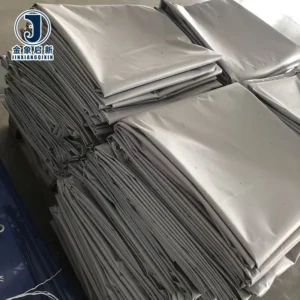
Three full production lines with 36 sets of professional equipment handle container-load roll orders without splitting production across external mills, keeping batch identity intact. A 10-person R&D team develops samples within days when custom widths, colours, or treatment combinations are specified for membrane structure projects. Dedicated QA/QC runs at every production stage — not just at final inspection — so coating weight drift and colour shift are caught before the roll reaches the packing area. Every dispatch ships with a material specification sheet, pre-shipment inspection record, and roll packing list that lets the receiving warehouse verify count and weight against the bill of lading. ISO and CE certification accompanies documentation for markets that require it at customs clearance.
Documentation & Verification
- Material specification sheet stating exact GSM, base fabric denier, and coating weight per roll
- Pre-shipment inspection record confirming weight and visual quality before container loading
- Roll packing list detailing roll count, net weight, and container loading sequence
- Certificate of origin and customs documentation for international roll shipments
- UV and flame retardant test reports provided where applicable to the specified grade
Fabrication, Handling & Storage
- High-frequency welding parameters must be adjusted to the PVC coating method — hot melt coated rolls require different dwell times than laminated grades
- Custom-width rolls reduce offcut waste in large membrane panels; confirm panel dimensions before ordering to maximise roll utilisation
- Store rolls upright on end-caps in shaded, ventilated areas to prevent edge crushing and flat-spot creasing on the coating surface
- Allow cold-stored rolls to acclimatise before unrolling on site to avoid coating micro-cracking at low temperature
- Clean with mild detergent only; solvent-based cleaners can soften the PVC coating and reduce surface anti-UV treatment effectiveness
Requesting a Quotation That Matches Your Project
To receive a specification and pricing that aligns with your membrane structure or architectural fabric project, share the target GSM range, required base fabric denier, and any fire classification your local building code demands. Indicate the roll widths and lengths that suit your fabrication layout, along with annual volume so that production can be scheduled in single-batch runs for colour consistency. If custom colour or surface finish is required, request a sample roll section before confirming the bulk order.
Frequently Asked Questions
Q: How is GSM verified on each roll before shipment and what documentation accompanies delivery?
A: Every roll undergoes weight verification against the stated GSM during final QA. A material specification sheet listing GSM, base fabric denier, and coating weight ships with each dispatch, along with a pre-shipment inspection record and a roll packing list detailing count and weight for warehouse reconciliation.
Q: What roll widths and lengths are available for membrane structure fabric, and how is the container loaded?
A: Roll widths are customisable to match your fabrication panel layout, reducing offcut waste on large membrane projects. Rolls are packed on end-caps and loaded in sequence per the packing list, with container loading plans provided before dispatch to confirm count and weight distribution.
Q: How do you ensure colour consistency across multiple rolls in the same bulk order?
A: Colour matching is controlled through dedicated in-process QA at the coating stage. For large orders, production runs are scheduled as single batches so that all rolls share the same dye lot. A sample section is available for approval before bulk production begins on custom colours.
Q: What is the MOQ for custom-width PVC coated tarpaulin rolls, and how does lead time scale with volume?
A: Minimum order quantities depend on the requested width, GSM, and treatment combination. Custom widths and colours carry higher minimums than stock grades. Samples are developed within days for approval, and bulk production lead times are confirmed at quotation based on current line scheduling.
Q: How are rolls packed and protected during shipping to prevent edge damage and coating crease?
A: Rolls are packed upright on protective end-caps with wrapping to prevent moisture ingress during transit. The packing list details roll count and weight per package, and container loading plans are shared in advance so the receiving team can verify condition and quantity at arrival.