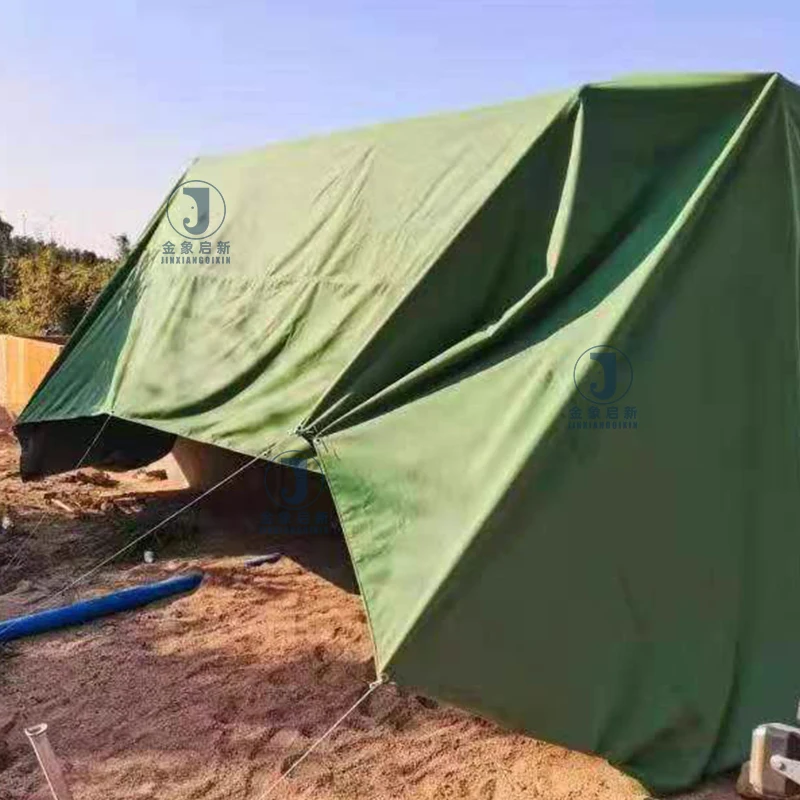
Description
Bulk Roll Consistency — Every PE tarpaulin roll leaving the line is weighed and measured against the quoted GSM before packing, securing batch-to-batch uniformity for wholesale buyers loading full containers.
Technical Specifications
| Parameter | Value |
|---|---|
| Product Type | PE Tarpaulin Roll |
| Material | HDPE woven base with LDPE lamination on both sides |
| Weight Range (GSM) | 50 g/m² to 220 g/m² (confirm the grade for your application) |
| Thickness | 0.18 mm – 0.35 mm depending on grade |
| Knitting Density Options | 8×8 / 10×10 / 12×12 |
| Roll Width Options | 2 m / 4 m / 6 m (6 ft / 8 ft / 10 ft / 12 ft also available) |
| Roll Length Options | 100 yards / 100 meters / custom |
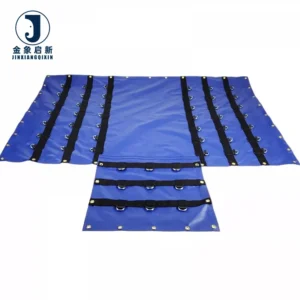
| Finished Sheet Hem | All four edges reinforced with PP rope |
| Eyelets | Galvanised, spaced every 3 ft or 1 m |
| Corners | Reinforced plastic corners on finished sheets |
| UV Treatment | Available in UV-treated grades — confirm the treatment level required for your market |
| Waterproof | Yes — fully laminated construction |
| Mildew Proof | Yes |
| Key Features | Waterproof, washable, tear resistant, mildew proof, anti-aging treatment available (grade not stated) |
Application Suitability
| Application | Exposure & Requirement |
|---|---|
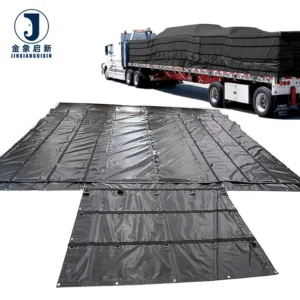
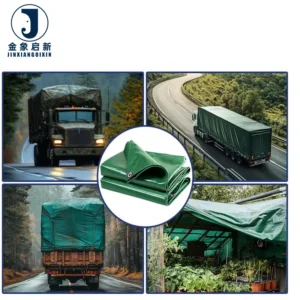
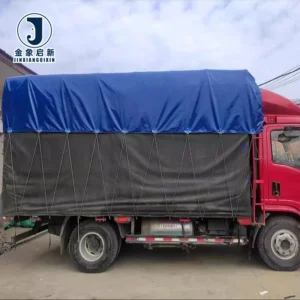
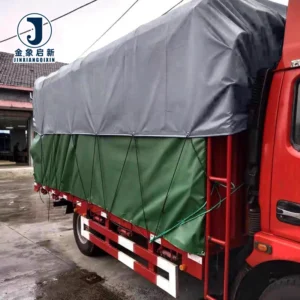
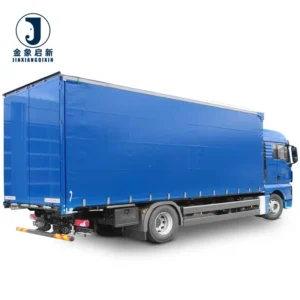
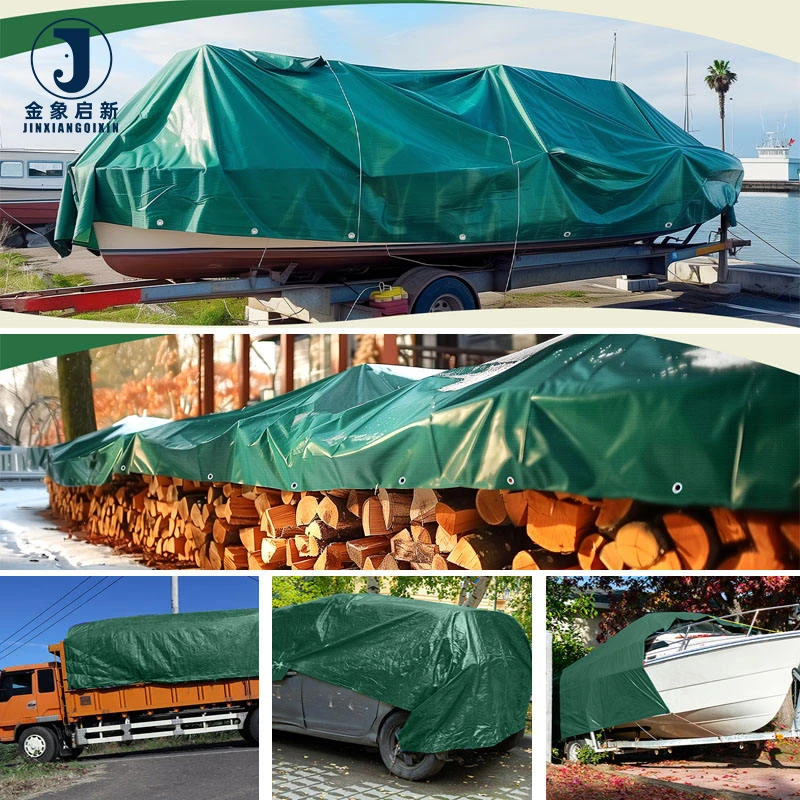
| Truck and trailer side covers | Road debris impact, wind flap fatigue, UV from daily outdoor parking, need for eyelet pull-out resistance at tie-down points |
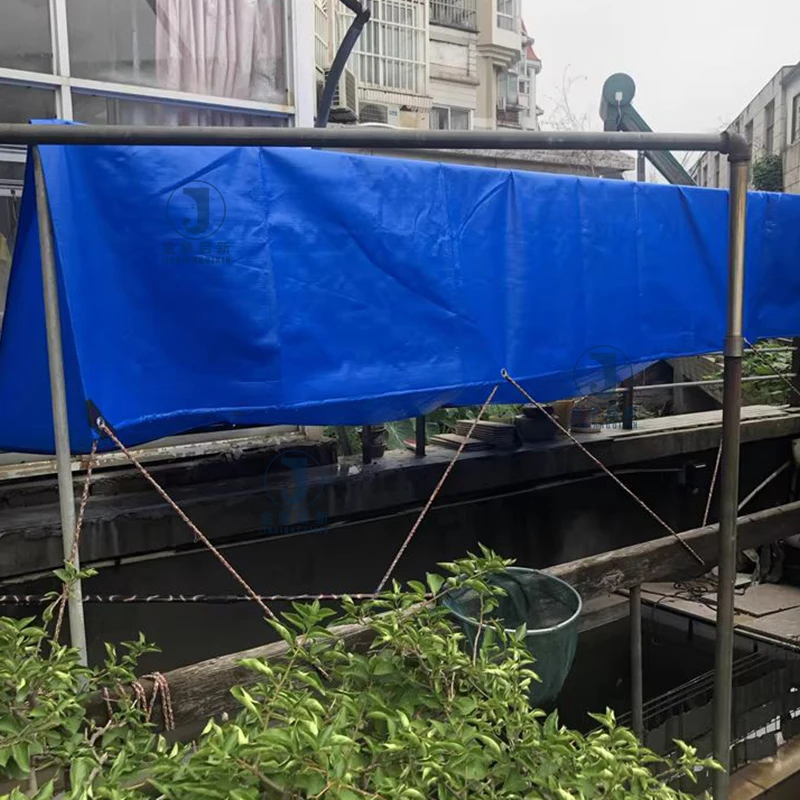
| Agricultural and aquaculture covers | Continuous sun exposure, moisture and organic contact, pond liner puncture risk from substrate, mildew in humid conditions |
| Warehouse and site temporary roofing | Wind uplift on large unsupported spans, thermal expansion cycles, water pooling at low-slope pitches |
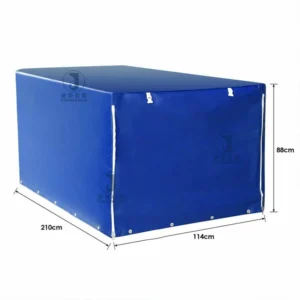
| Pallet and equipment wrapping | Abrasion from sharp cargo edges, forklift contact, repeated handling and refolding |
| Distributor retail stock | Shelf appeal across colour families, consistent GSM across rolls sold to end users, clean unrolling without creasing |
Why Roll-to-Roll Weight Drift Matters More Than the Quoted GSM
A 220 g/m² quotation is meaningless if half the rolls in the container arrive at 195 g/m².
When buying PE tarpaulin roll wholesale bulk, the single most common dispute is weight discrepancy on arrival. Distributors open a container, unroll two sheets side by side, and notice the thinner hand feel immediately. The quoted weight was agreed at order stage, but in-process coating lamination varied across the production run. This is not a cosmetic issue — lighter rolls mean lower tensile capacity at the tie-down points, and truck covers that fail mid-haul create liability for the fleet operator and reputational damage for the distributor who supplied them [NEED_CITE: ISO 1421 tensile test methods for coated fabrics]. Sourcing from a facility with dedicated QA at every lamination stage, where each roll is weighed against specification before packing, removes this variable from the equation entirely.
Container-Load Planning for Distributors
Roll width and length directly determine how many linear meters fit in a 20 ft or 40 ft container, which is the unit of measurement that matters for wholesale economics. When you source PE tarpaulin roll wholesale bulk, specifying 6 m wide rolls at 100 m length changes the pallet count and weight distribution versus 2 m rolls at the same total square meterage. The lamination consistency across wider rolls is harder to maintain because the LDPE coating head must deliver uniform thickness across a broader die. Buyers who need 4 m or 6 m widths should request pre-shipment inspection records that confirm GSM readings were taken at both edges and centre of the roll, not just at one sample point.
Colour Drift Across a Multi-Roll Shipment
When a transport company orders twenty blue rolls for a fleet rebrand, the covers are often installed on adjacent trailers parked in the same yard. Even a slight hue shift between production batches becomes visible in direct sunlight. Controlling this requires the pigment masterbatch to be dosed consistently into the LDPE lamination compound at the start of each production run, and the same masterbatch lot to be held for the full order quantity. If the run exceeds a single masterbatch lot, the transition between lots should be flagged so the distributor can allocate those rolls to separate end users rather than installing them side by side [NEED_CITE: colour fastness standards for laminated polyethylene fabrics].
Reading the Specs Beyond the GSM Number
GSM alone does not tell you how the fabric will behave under load. A 120 g/m² roll woven at 12×12 density from high-denier HDPE tape will outperform a 150 g/m² roll woven at 8×8 from thinner tape when it comes to tear propagation resistance, because the tighter weave arrests a rip before it runs. The knitting density — whether 8×8, 10×10, or 12×12 — determines how many load-bearing yarns share the stress at any given point. Equally important is the lamination adhesion between the LDPE coating and the HDPE base weave; if the bond is weak, the coating delaminates at fold lines and the fabric loses its waterproof integrity long before the base fabric itself fails. Thickness readings between 0.18 mm and 0.35 mm across the grade range reflect both the tape denier and the lamination weight, so two rolls at the same GSM can present different thicknesses depending on the weave-to-coat ratio. For truck cover applications where the fabric flexes thousands of times per journey, the flex fatigue life is determined by this balance more than by weight alone.
The Hidden Cost of Skipping Pre-Shipment Verification
Distributors who accept a container without checking the packing list against physical roll weights absorb the loss quietly rather than file a claim that delays the next order. The result is thinner stock reaching end users, who then return product under warranty, blaming the distributor rather than the mill. For transport applications, an underweight truck cover that tears at the hem eyelet during a tie-down operation can expose cargo to weather damage worth far more than the fabric cost [NEED_CITE: cargo exposure claims linked to tarpaulin failure at tie-down points]. Batch colour inconsistency discovered after cutting and welding forces a full re-order, with the original rolls written off as dead stock. Each of these scenarios traces back to a single missing step: verifying the specification sheet against the physical goods before the container door closes.
Why Buyers Consolidate Here
Three full production lines with 36 sets of professional lamination and weaving equipment mean that roll output does not bottleneck during peak ordering seasons, protecting your lead times on PE tarpaulin aftermarket supplier enquiries. The ten-person R&D team develops custom width and colour samples within days, so you approve the exact material before the bulk run commits. Dedicated QA and QC personnel inspect every roll at each production stage rather than sampling, ensuring that the GSM, colour, and lamination integrity you approved at sample stage hold through the final roll in the container. Pre-shipment inspection is conducted at 100 percent coverage, not by batch sampling, and the inspection record ships with your documentation. ISO and CE certified processes underpin the production system without replacing the physical checks that actually catch drift.
Documentation & Verification
- Material specification sheet stating GSM, knitting density and lamination weight for every roll batch
- Pre-shipment inspection record confirming weight and colour checked per roll before dispatch
- Roll packing list with individual roll count, net weight and container loading plan
- UV treatment test report supplied where UV-treated grades are specified in the order
- Certificate of origin and customs documentation prepared per destination market requirements
Fabrication, Handling & Storage
- Heat welding temperature should match the LDPE lamination melting point; test a scrap piece from the roll end before setting the production welder
- Galvanised eyelets at 1 m intervals distribute tie-down load across the PP-rope reinforced hem, preventing pull-out on truck covers
- Store rolls horizontally on pallets in shade; vertical standing deforms the HDPE weave core and creates permanent creases in 6 m wide rolls
- Unroll and allow the fabric to relax at ambient temperature before cutting; cold-stiffened LDPE lamination cracks if folded sharply below 5 °C
- Clean with mild detergent and soft brush; solvent-based cleaners degrade the LDPE lamination surface over repeated use
- Cut patterns should nest across the full 2–6 m roll width to minimise off-cuts, especially on heavier 160–240 g/m² grades where waste is costly
What to Include in Your Enquiry
Specify the end-use application and the exposure conditions the covers will face — outdoor parking duration, wind load on warehouse roofs, or chemical contact in agricultural settings. State the roll widths and lengths that fit your container loading plan, along with the target GSM grade and any UV treatment level your market requires. If you need finished sheets with eyelets and reinforced hems mixed with raw rolls in the same container, confirm the cut sizes and quantities so the packing plan can be optimised before production begins.
Frequently Asked Questions
Q: How is roll-to-roll GSM consistency verified across a full container order?
A: Every roll is weighed individually during pre-shipment inspection and recorded against the specification sheet. The inspection report accompanies the shipment so you can cross-check on arrival. This eliminates the common scenario where quoted GSM and delivered weight diverge across the production run.
Q: What is the minimum order per colour or per custom roll width?
A: Minimum quantities depend on the width and colour combination you specify. Standard colours in stock widths typically carry lower minimums, while custom pigments require a dedicated masterbatch run. Request a quotation with your exact width and colour list to confirm the threshold for each line item.
Q: Can finished eyeleted sheets be mixed with raw rolls in one shipment?
A: Yes. The packing plan can combine finished cut-to-size sheets and raw rolls in the same container, with the roll packing list clearly separating line items. This allows distributors to serve both retail roll customers and transport fleet accounts from a single consolidated order.
Q: How is colour matching controlled on repeat orders placed months apart?
A: The pigment masterbatch formulation from your original order is retained in the production record. On re-order, the same formulation is dosed into the LDPE lamination, and a comparison swatch from the original batch is checked before the bulk run proceeds, keeping hue drift within visible tolerance.
Q: What documentation ships with the order for customs and quality verification?
A: Each shipment includes the material specification sheet, pre-shipment inspection record, roll packing list with weight and count, certificate of origin, and ISO and CE certificates. UV test reports are included where applicable. This package supports both customs clearance and your incoming quality check.