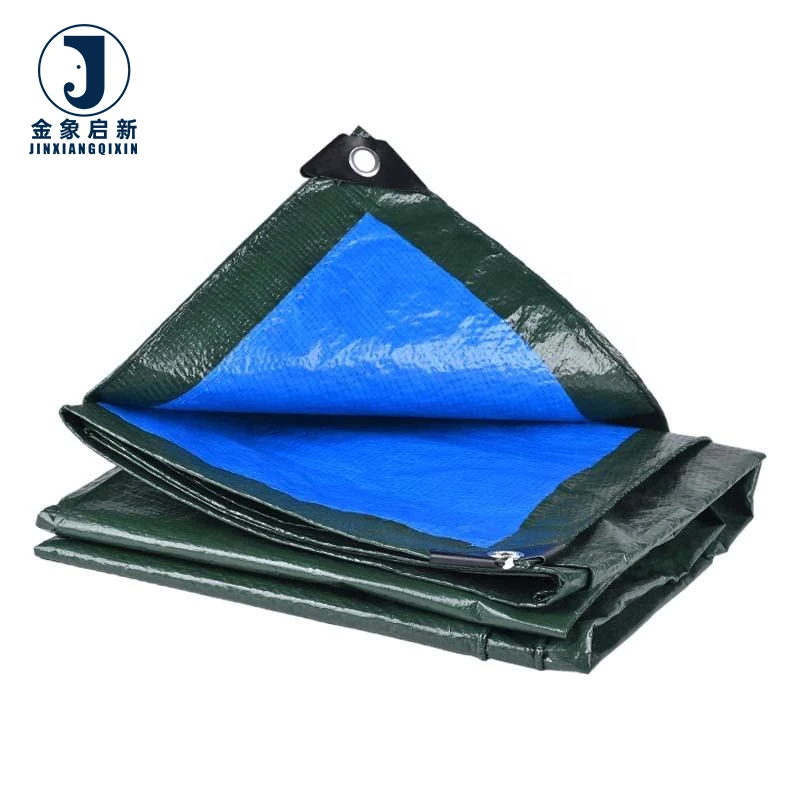
Description
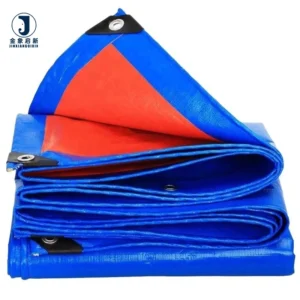
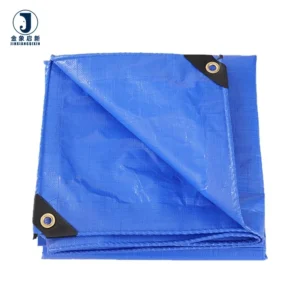
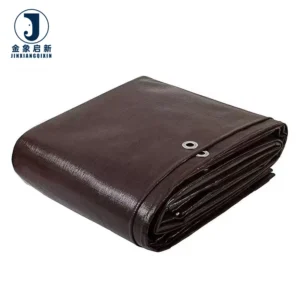
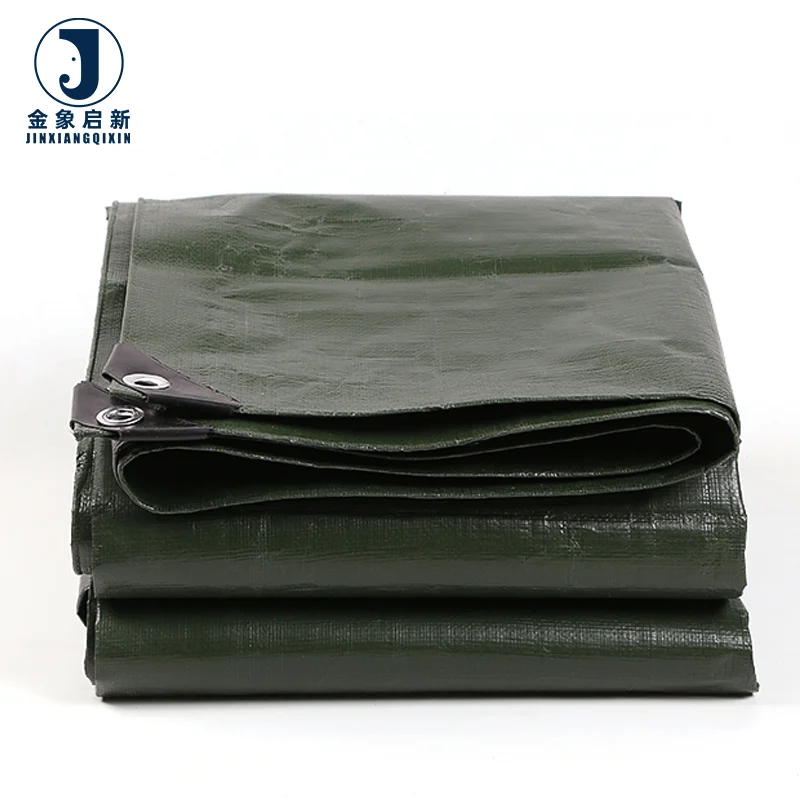
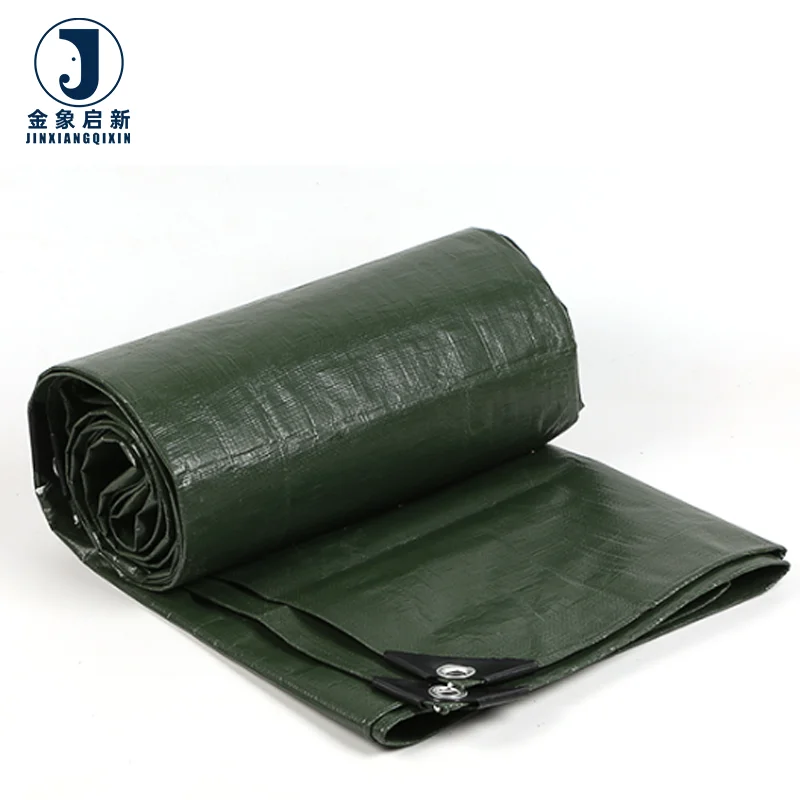
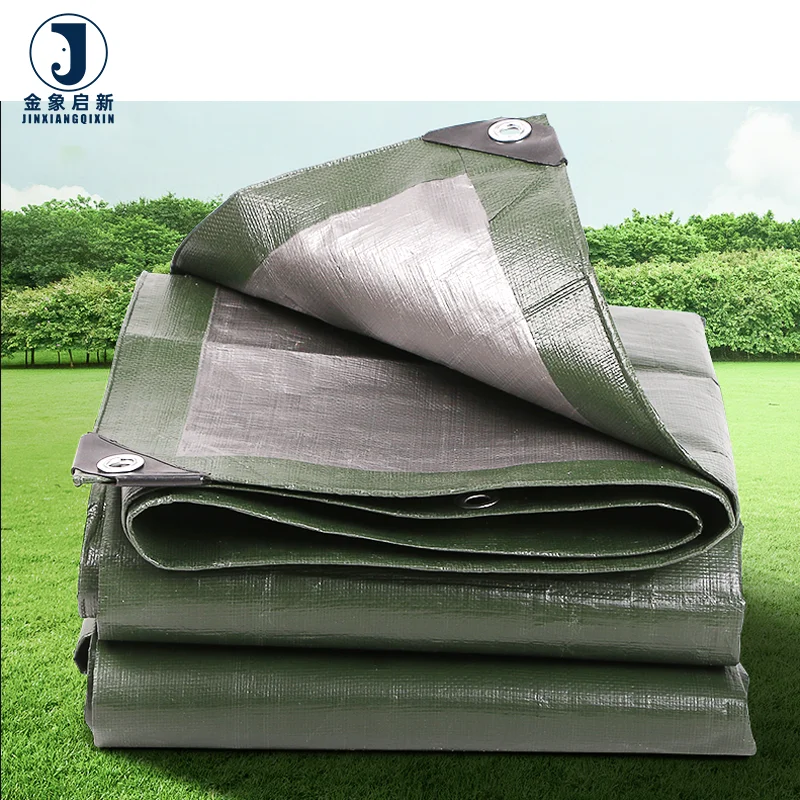
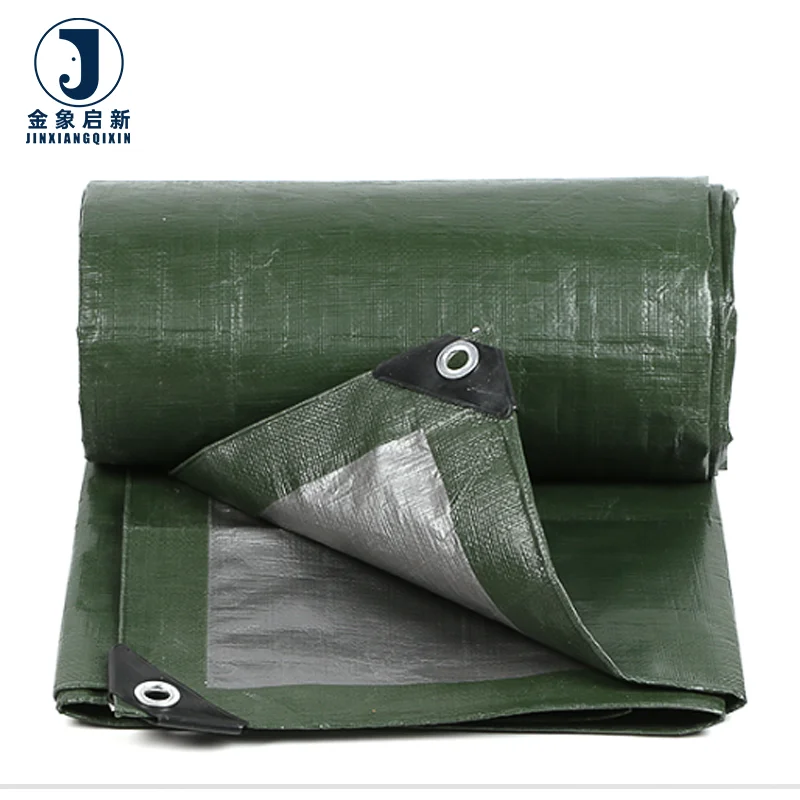
Consistent Roll Quality — Batch-to-batch uniformity verified at every production stage, ensuring distributors receive predictable PE tarpaulin roll stock across container loads without colour or thickness surprises.
Technical Specifications
| Parameter | Value |
|---|---|
| Product Type | PE Tarpaulin |
| Thickness Options | 5 / 10 / 12 / 16 / 20 Mil |
| Coating Material | PE |
| Waterproof Construction | Yes |
| Fire Retardant | Available in flame retardant grades — confirm the grade required for your market |
| Anti-UV Treatment | Available with UV treatment — test basis to be confirmed per order |
| Windproof | Yes |
| Mildew-Proof | Yes |
| Abrasion-Resistant | Yes |
| Key Features | Waterproof, windproof, mildew-proof, abrasion-resistant, optional fire retardant and anti-UV |
Application Suitability
| Application | Exposure & Requirement |
|---|---|
| Tarpaulin distributor restocking | Consistent GSM and colour across rolls, reliable container-load planning, standard grade availability |
| Truck and trailer load coverage | Road abrasion, wind flap stress, UV exposure during transit, tie-down point reinforcement |
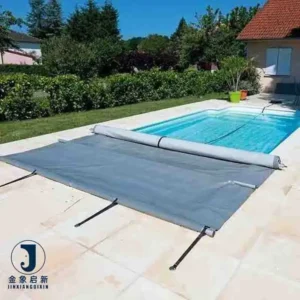
| Agricultural and aquaculture pond covering | Continuous water contact, soil chemistry exposure, puncture risk from substrate |
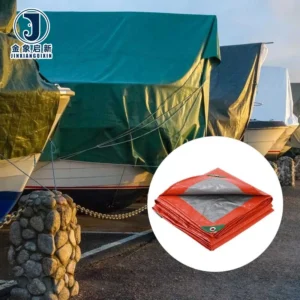
| Outdoor equipment and stock covering | Long-term weather exposure, mildew risk in humid storage, handling abrasion |
Why Roll-to-Roll Consistency Matters More Than Quoted GSM
A PE Tarpaulin roll that measures correctly on paper but varies in practice costs you more than the price difference between suppliers.
When wholesale buyers order multiple rolls of poly tarpaulin material, the specification sheet often states a target GSM and colour code. What arrives at the warehouse can tell a different story. Colour drift between rolls in the same shipment becomes immediately visible once two pieces are installed side by side on a job site. Thickness that tests within tolerance on one roll edge may fall outside it on another [NEED_CITE: standard thickness measurement methods for coated fabric rolls]. For distributors supplying contractors, these inconsistencies trigger returns, delay projects, and erode the trust that took years to build. The issue is rarely one bad roll — it is the absence of systematic in-process control during extrusion and coating.
Thickness Grades That Match Your Stock Categories
Buyers sourcing PE tarpaulin roll stock for redistribution need clear separation between light-duty and heavy-duty grades. The available thickness range spans 5, 10, 12, 16, and 20 Mil, covering the standard categories your customers expect. Each grade serves a distinct market segment — from short-term construction covers to long-term agricultural protection. Stocking the full range from a single source simplifies your supply chain and reduces the number of suppliers you manage per container shipment.
Batch Uniformity Across Container-Load Volumes
A twenty-foot container of PE tarpaulin wholesale rolls represents a significant capital commitment. Every roll within that container must match the approved sample in weight, colour, and surface finish. Consistency is maintained through dedicated QA/QC checkpoints at each production stage, with 100% pre-shipment inspection before dispatch [NEED_CITE: ISO 9001 quality management for coated fabric manufacturing]. This approach prevents the scenario where the first roll from a pallet looks correct but the tenth roll shows visible differences.
How GSM and Thickness Interact in PE Coated Fabric
The mil thickness of a PE tarpaulin sheet is the combined result of base fabric denier, weave density, and coating weight applied during production. A higher mil reading does not automatically mean a stronger tarp — the relationship between the woven HDPE scrim and the extruded PE coating layers determines the final tensile and tear behaviour. A 12 Mil tarp built on a tightly woven, high-denier base can outperform a 16 Mil tarp made with a loosely woven scrim and excess coating to pad the thickness figure [NEED_CITE: tensile and tear test methods for coated fabrics per ISO 1421]. This is why material specification sheets stating both GSM and base fabric construction give buyers a more complete picture than thickness alone.
The Real Cost of Unverified Specification Claims
Ordering PE tarpaulin roll stock at a stated GSM without a verification process in place creates downstream risk. Rolls that arrive lighter than quoted mean the fabric will fail earlier under load, and your customers blame your supply, not the manufacturer. When flame retardant or anti-UV treatment is claimed without supporting test documentation, the material may not pass the compliance inspection required on a construction or mining site. Colour variance discovered after cutting and delivery forces entire project sections to be replaced at the distributor’s expense [NEED_CITE: colour measurement standards for batch-produced coated textiles]. These failures do not show up in sample approvals — they surface only when the full order is in the field.
What This Supply Source Delivers for Volume Buyers
Nearly 30 years of focused coated fabric production means process parameters for PE extrusion and coating are controlled from resin selection through to winding. Three full production lines and 36 sets of equipment support bulk output while maintaining roll-to-roll uniformity across your order. The 10-person R&D team develops custom width, colour, and print specifications, producing samples within days for your approval before full production begins. Every roll undergoes inspection against the stated specification before it leaves the facility. Full documentation accompanies each shipment — from material data sheets to packing lists calculated by roll count and container weight distribution.
Documentation & Verification
- Material specification sheet stating GSM, base fabric denier, PE coating type, and colour reference per roll batch
- Pre-shipment inspection record confirming 100% dimensional and visual check before container loading
- Roll packing list detailing roll count, individual roll weight, and container stowage plan
- Test documentation for fire retardant and anti-UV grades where applicable to the confirmed order specification
- Certificate of origin and customs documentation for import clearance at destination port
Fabrication, Handling & Storage
- Heat-weld PE tarpaulin seams at temperatures matched to the specific mil thickness to avoid burning thin grades or under-fusing heavy grades
- Store rolls horizontally on pallets in dry conditions to prevent edge compression marks that transfer to the finished tarp surface
- Allow cold-transported rolls to reach ambient temperature before unrolling to avoid cracking the PE coating layer
- Use mild detergent without solvents for cleaning, as harsh chemicals degrade the mildew-proof and anti-UV surface treatments
- Plan cutting layouts to minimise off-cuts, particularly on custom-width rolls where the entire width was produced for your specification
Before You Request a Quote
Provide your target mil thickness, required roll width, and annual volume so the production team can confirm availability and lead time. Specify whether you need standard PE stock or treatment upgrades including fire retardant and anti-UV, along with the compliance standards your market requires. Confirm colour codes and whether you are ordering full rolls only or need pre-cut sheets, as this affects packing and container loading calculations.
Frequently Asked Questions
Q: How is GSM verified on each roll before shipment?
A: Every roll is weighed and measured against the material specification sheet during the pre-shipment inspection process. The inspection record documents actual GSM readings and dimensional checks, providing you with a verification document before the container is sealed. This prevents the common issue where quoted weight does not match what arrives at your warehouse.
Q: How do you control colour consistency across multiple rolls in one order?
A: Colour is matched against the confirmed reference standard at multiple stages during production. Rolls from the same batch are grouped together for shipment, and visual comparison checks are performed during final inspection. If your order spans multiple production runs, the team coordinates resin and pigment sourcing to maintain uniformity across all rolls.
Q: What roll widths are available and can I order custom widths?
A: Standard widths cover the common requirements for distributor restocking and contractor supply. Custom widths are available with dedicated production runs, and the R&D team will develop a sample in your required width for approval before bulk production begins. Minimum order quantities for custom widths depend on the specific dimension and treatment package selected.
Q: How are rolls packed and protected for ocean freight?
A: Each PE tarpaulin roll is individually wrapped to prevent surface abrasion during transit. Rolls are loaded into containers according to a calculated packing plan that accounts for roll count, weight distribution, and container dimensions. The packing list provided with each shipment details the stowage arrangement for efficient unloading at your destination port.
Q: Can I order samples before committing to a bulk roll purchase?
A: Sample development is available for your specific thickness, width, colour, and treatment requirements. Samples are typically produced within days, allowing you to verify material quality and appearance before authorising full production. This step ensures the bulk order matches your expectations and meets the standards your customers require.