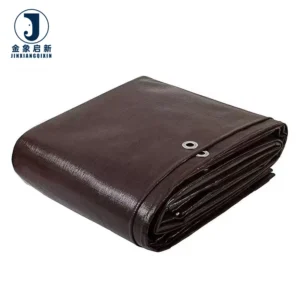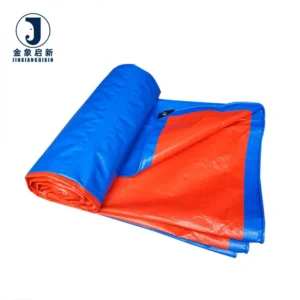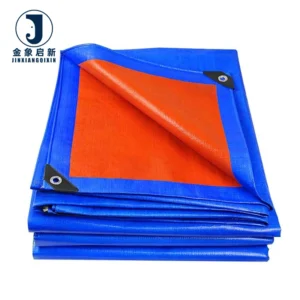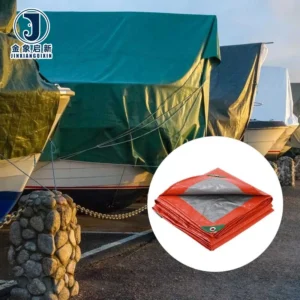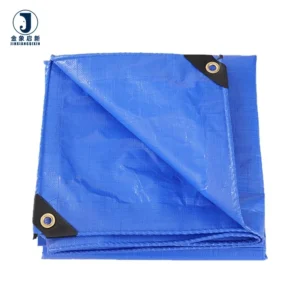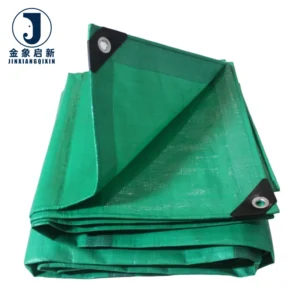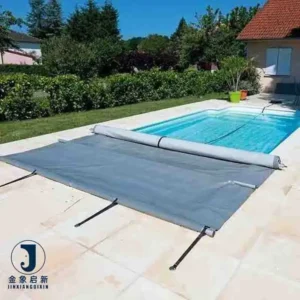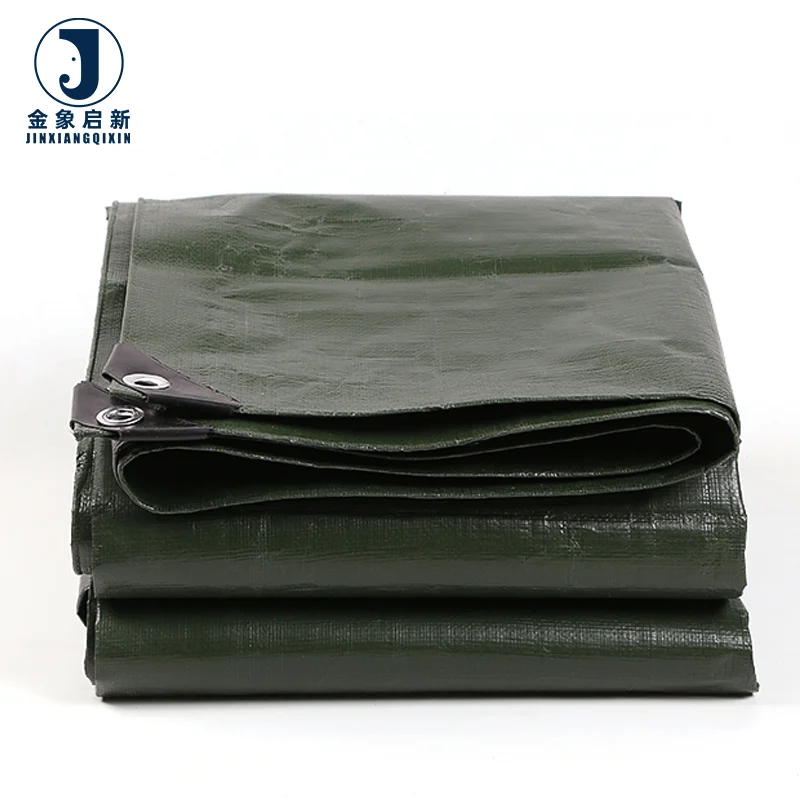
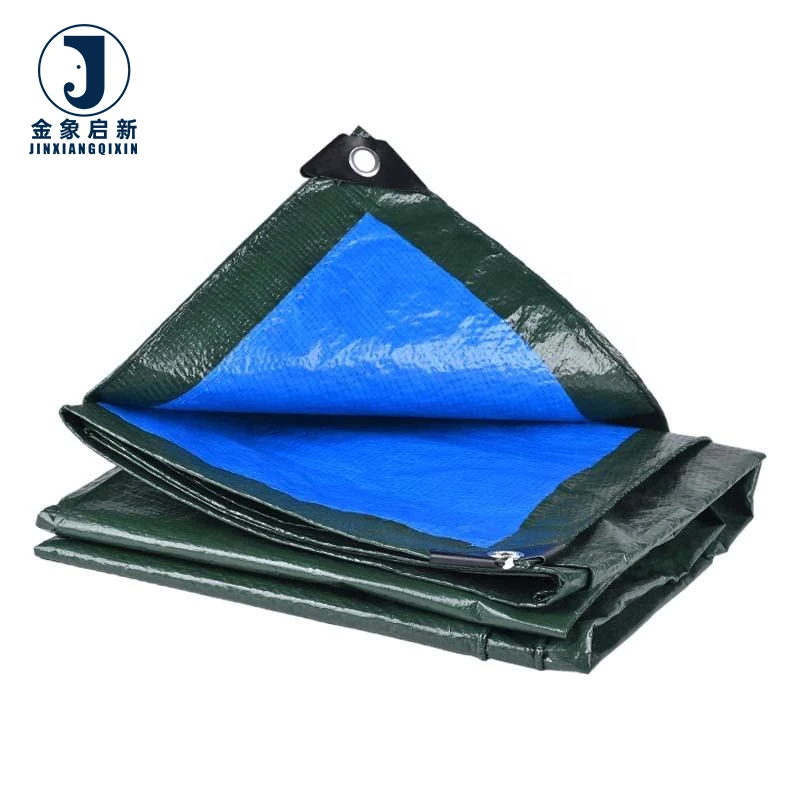
Description
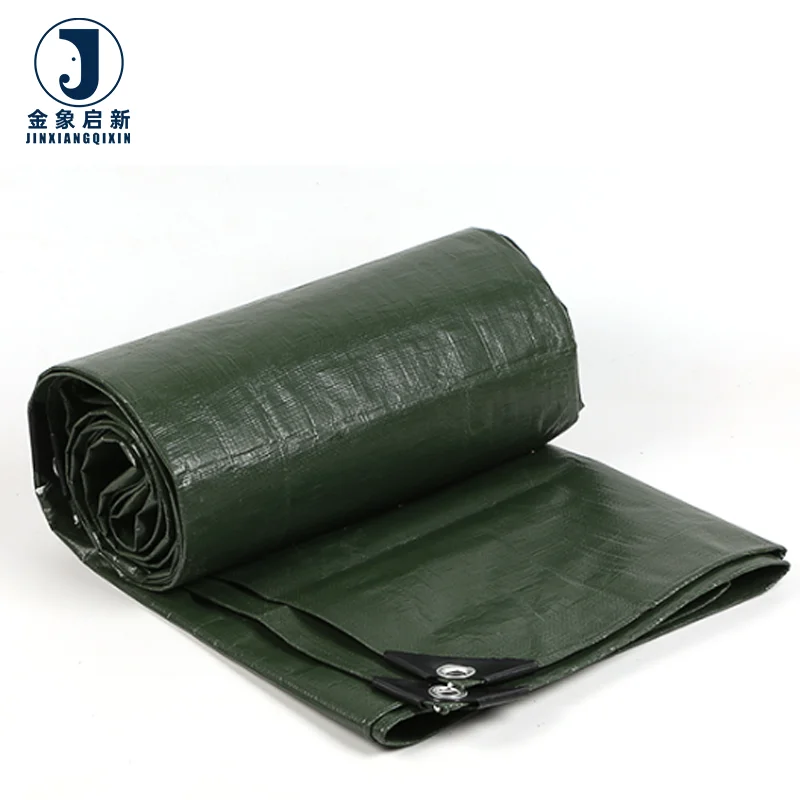
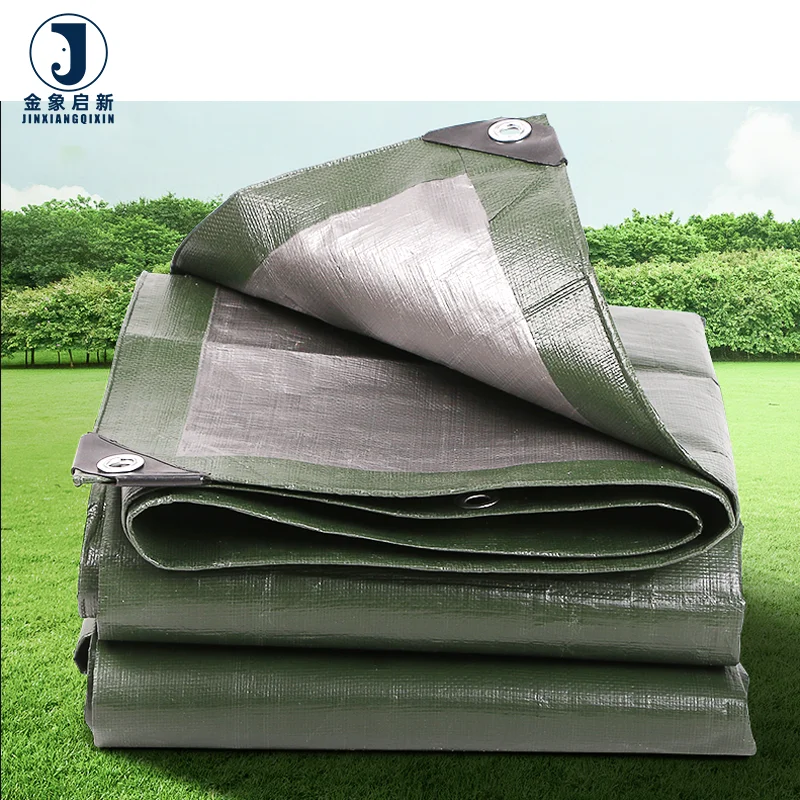
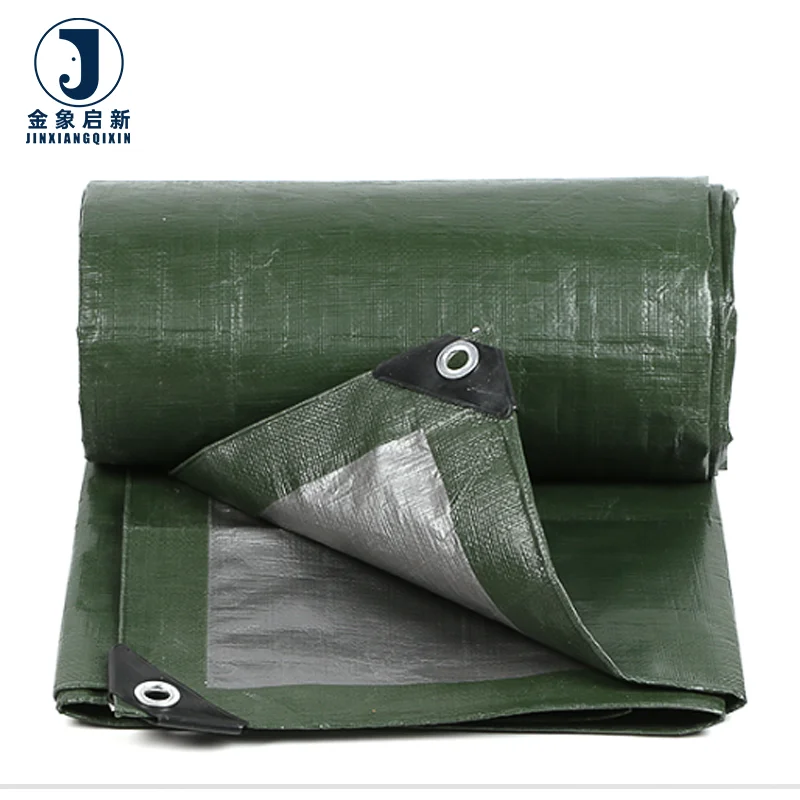
Batch Consistency Control — every PE tarpaulin roll in your container matches on thickness and colour, verified by in-line QA checkpoints before packing.
Technical Specifications
| Parameter | Value |
|---|---|
| Product Type | PE Tarpaulin |
| Thickness Options | 5 Mil / 10 Mil / 12 Mil / 16 Mil / 20 Mil |
| Coating Material | PE (Polyethylene) |
| Waterproof | Yes |
| Anti-UV Treatment | Anti-UV (test basis not stated in source) |
| Fire Retardant | 701 grade referenced (certification details on request) |
| Windproof | Yes |
| Mildew-Proof | Yes |
| Abrasion-Resistant | Yes |
| Key Features | Waterproof, windproof, mildew-proof, abrasion-resistant |
Application Suitability
| Application | Exposure & Requirement |
|---|---|
| Tarpaulin distribution & import | Roll-to-roll colour and thickness consistency for regional resale without customer complaints |
| Transport fleet covering | Truck and trailer loads exposed to weather, road spray and constant tie-down tension |
| Agricultural & aquaculture | Pond lining and stock covering in permanent moisture, soil contact and direct sunlight |
| Outdoor equipment protection | Cargo and machinery stored under continuous UV exposure and rough handling |
Why Mil Thickness Alone Can Mislead Bulk Buyers
A mil rating on a quote means little if the roll arriving at your warehouse does not match it.
When you order PE tarpaulin roll wholesale, the thickness stated on the quotation is the basis for your pricing and your downstream commitments. A variance between quoted mil grade and actual delivered material erodes your margin and damages credibility with your own customers. Sourcing from suppliers without documented in-process measurement means accepting risk on every container [NEED_CITE: thickness tolerance standards for PE extruded films].
Matching Roll Stock to Your Downstream Cutting Needs
PE tarpaulin supplied in roll format serves distributors who slit, sheet and hem to regional demand. The five available mil grades — 5, 10, 12, 16 and 20 — cover the range from light temporary covers through to heavy-duty transport sheeting. Selecting the right grade depends on the end user’s exposure conditions, not just the headline thickness number.
Batch Colour Consistency Across Container Loads
When multiple rolls are installed side by side on a job site or displayed together in a retail environment, any shade variation becomes immediately visible. Our production maintains tight pigment dosing control so that every roll of PE tarpaulin roll wholesale stock within a single dispatch matches on colour tone and opacity. This eliminates the rework and returns that inconsistent batches create for distributors [NEED_CITE: colour matching standards for polyethylene coated fabrics].
How Mil Weight Connects to Real-World Performance
Understanding What Each Mil Grade Actually Delivers
The thickness of a PE tarpaulin determines its puncture resistance, tear propagation behaviour and stiffness under tension. A 5 Mil sheet suits short-term covers and indoor protection where flexibility and low weight matter more than durability. Moving to 12 Mil adds substantial body, making the material suitable for equipment covers that see repeated folding and unfolding. At 20 Mil, the sheet has enough rigidity to span unsupported gaps on truck loads without excessive sagging, and the extra polyethylene mass slows abrasion at tie-down contact points. The relationship between mil weight and service life is not linear — doubling the thickness does not double the lifespan, but it does shift the failure mode from puncture to gradual UV degradation [NEED_CITE: tensile and tear test methods for coated fabrics per ISO 1421].
The Cost of Ignoring Batch Documentation
Specifying a 16 Mil PE tarpaulin for heavy-duty transport covers and receiving material that measures closer to 12 Mil on arrival is a recurring problem in bulk imports. The tarpaulin may look and feel acceptable during initial inspection, but once it is tensioned over a load, the thinner material flexes more, abrades faster at contact points and tears earlier at eyelet positions. For distributors, this means warranty claims and eroded trust with fleet customers who depend on roll-to-roll predictability [NEED_CITE: common failure modes in imported PE tarpaulin shipments].
What Our Production Process Delivers for Roll Buyers
Nearly 30 years of coated fabric production has given us deep process control over extrusion weight and coating adhesion. Three full production lines and 36 sets of professional equipment support bulk PE tarpaulin roll wholesale volumes with reliable on-time dispatch. A 10-person R&D team handles custom width and colour development, with samples produced within days. Dedicated QA and QC inspectors verify mil thickness and colour consistency at every stage, with 100% inspection before shipment. Every container ships with a roll packing list detailing count, net weight and dimensions for straightforward warehouse receiving.
Documentation & Verification
- Material specification sheet stating base fabric, PE coating weight and mil grade per roll
- Pre-shipment inspection record confirming thickness and colour consistency across the order
- Roll packing list showing roll count, net weight and dimensions per container
- Certificate of origin and full customs documentation included for international shipments
- Test report for fire retardant and UV grades available — confirm the certification your market requires
Fabrication, Handling & Storage
- Heat-seal at moderate temperatures to prevent PE coating melt-through on thinner 5 Mil grades
- Store rolls vertically on pallets to avoid flat spots and permanent creasing on 16 and 20 Mil stock
- Unroll and allow 20 Mil sheets to relax before cutting to reduce tension-related dimensional drift
- Avoid solvent-based cleaners that can degrade the PE surface and compromise mildew-proof treatment
- Slit rolls with sharp rotary blades to prevent edge fraying that propagates into tears under load
What to Include in Your Enquiry
Specify the mil grade, roll width and total quantity you need, along with the end-use application so we can confirm the right material selection. If your market requires a specific fire retardant certification or UV test standard, state this upfront so we can match the correct grade and provide supporting documentation with your PE tarpaulin order.
Frequently Asked Questions
Q: How is mil thickness verified on arrival and what tolerance applies per roll?
A: Every roll undergoes measurement at multiple points during production, and the pre-shipment inspection record documents the results. Industry norms allow minor variance on PE extruded material, and we state the tolerance range on the material specification sheet so you can verify on arrival against a known benchmark.
Q: What fire retardant grade does the 701 designation correspond to?
A: The 701 reference indicates a fire retardant variant within our PE tarpaulin range, but the specific test standard depends on your market’s regulatory framework. Confirm the certification your region requires — such as NFPA 701 or a local building code equivalent — and we will supply the matching test report with your shipment.
Q: How do you ensure colour consistency across multiple rolls in a single order?
A: Pigment dosing is controlled at the compounding stage and verified through visual and instrumental checks during production. All rolls within one bulk dispatch are produced from the same compounded batch, and the pre-shipment inspection record confirms colour matching before the container is sealed.
Q: What are the standard roll widths and container loading configurations?
A: Standard widths are stocked for common PE tarpaulin roll wholesale applications, and custom widths are available for volume orders. Container loading is calculated by roll count and weight to maximise utilisation, with a detailed packing list provided so your warehouse team can plan receiving and storage space in advance.