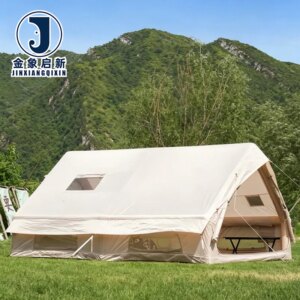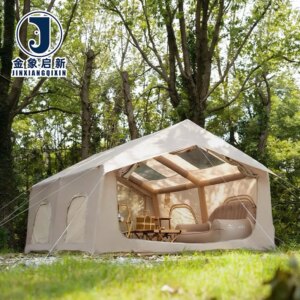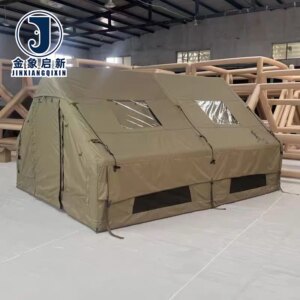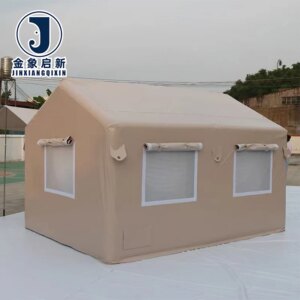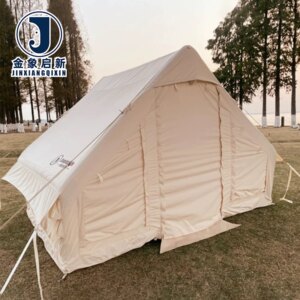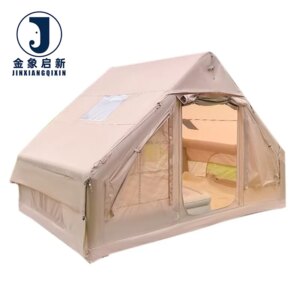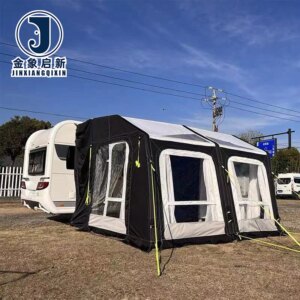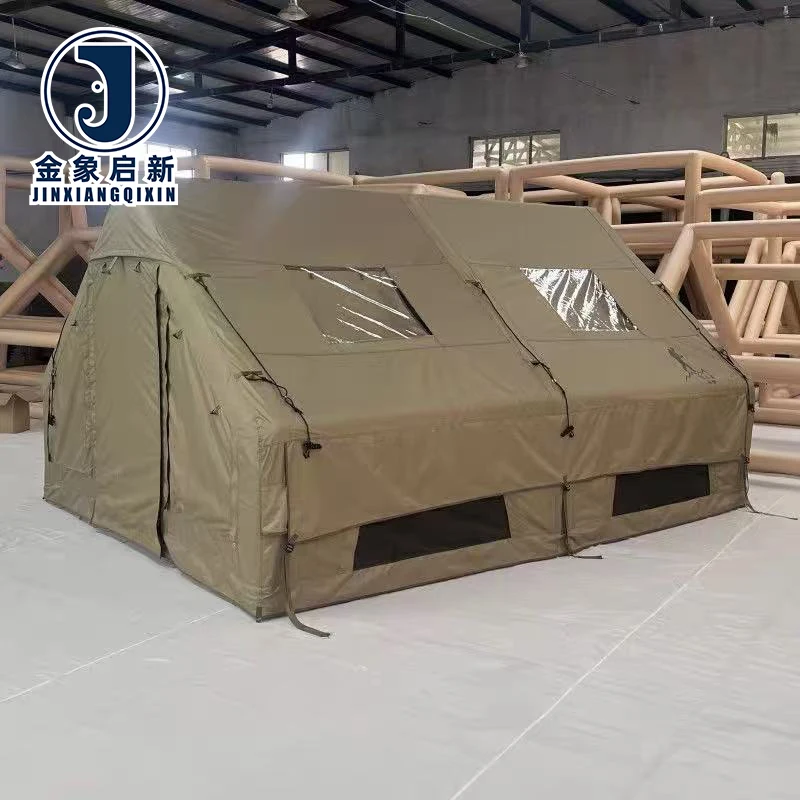
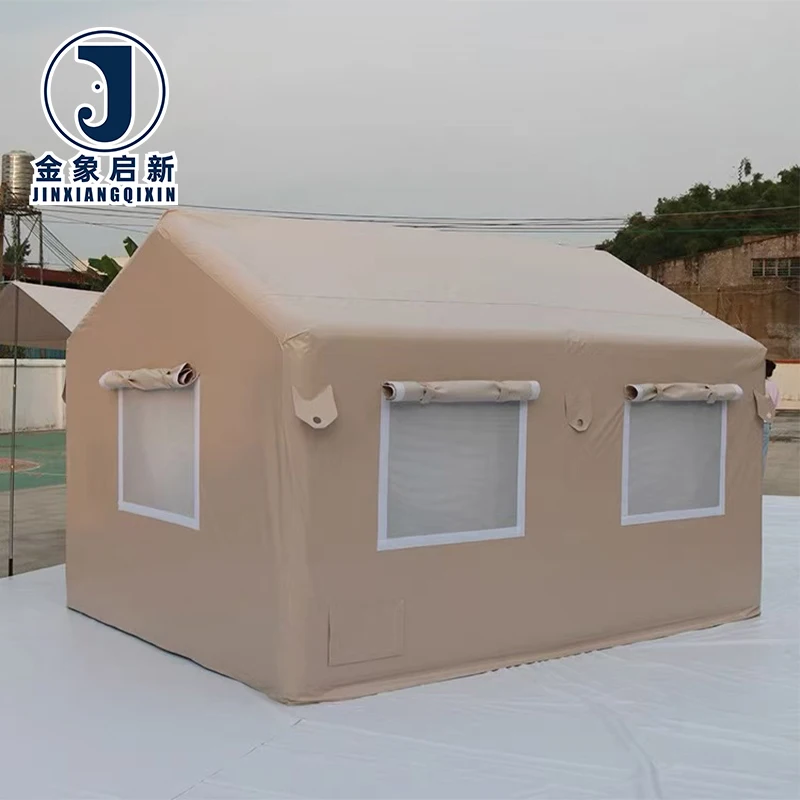
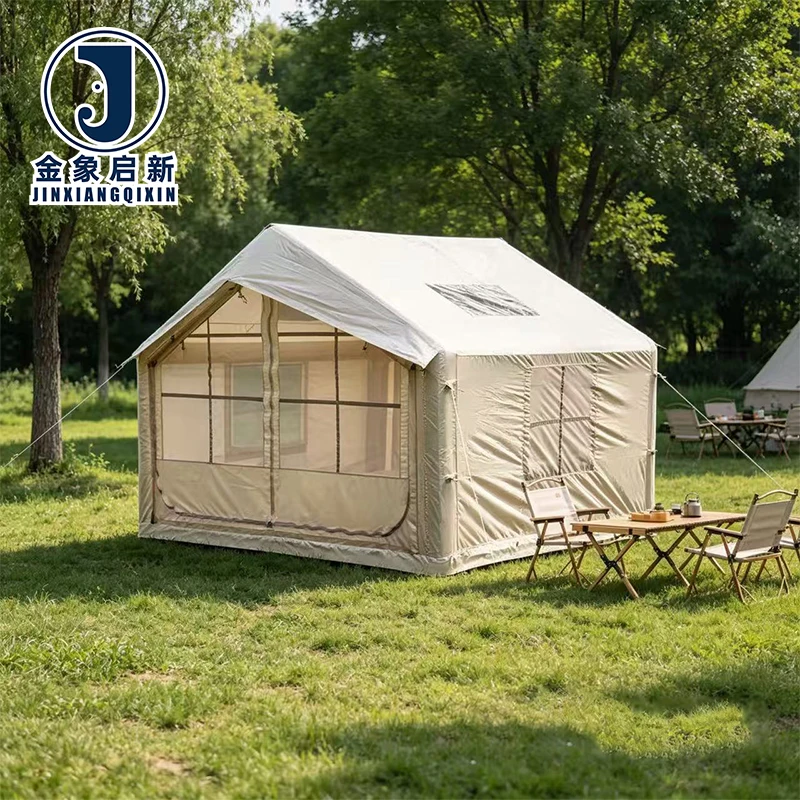
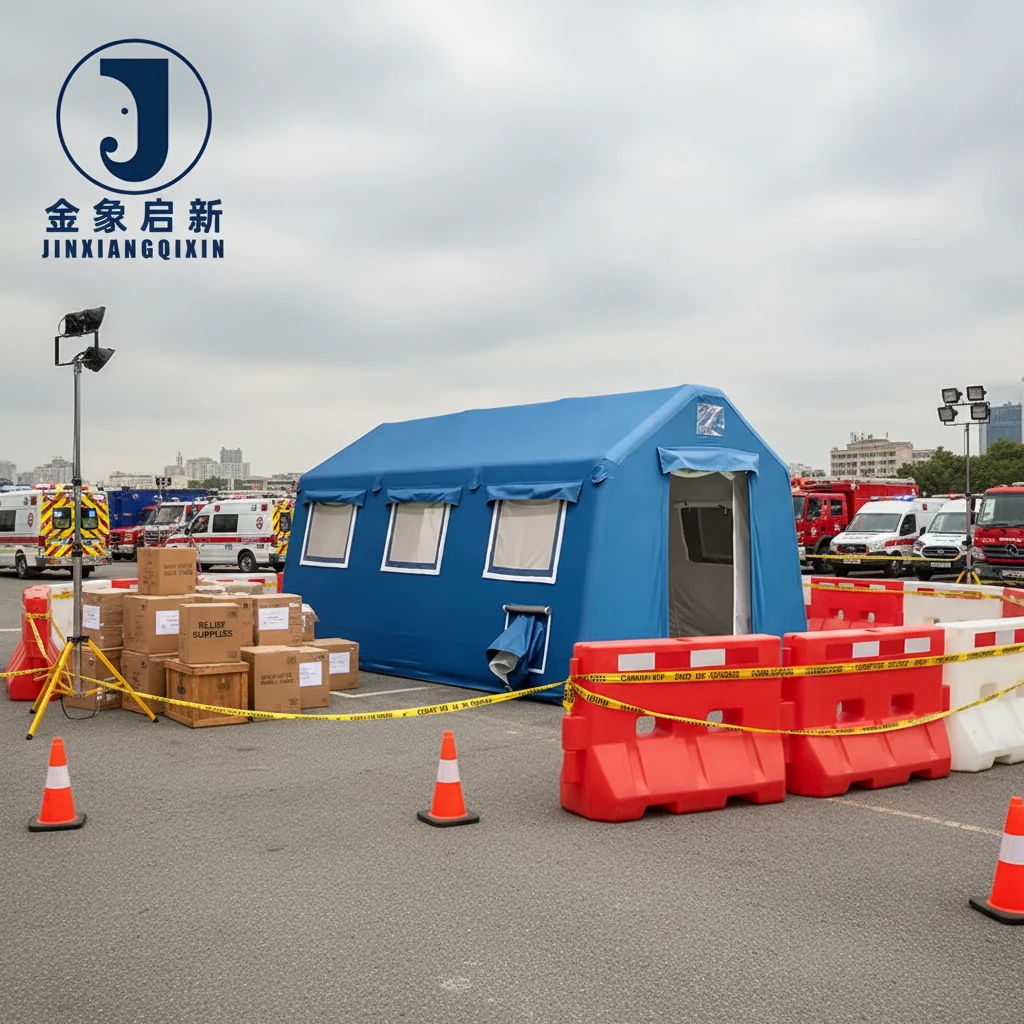
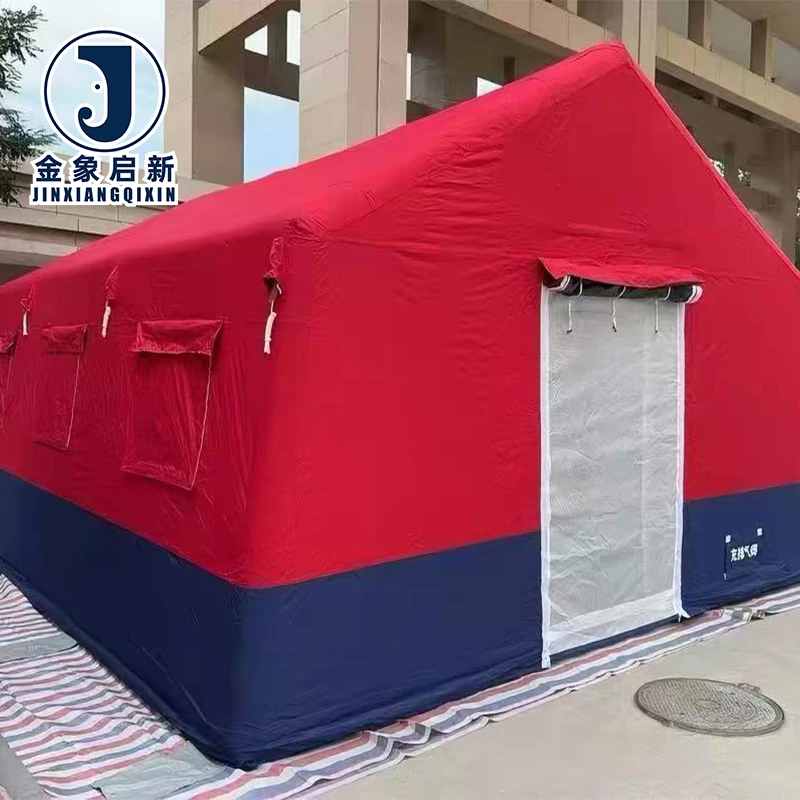
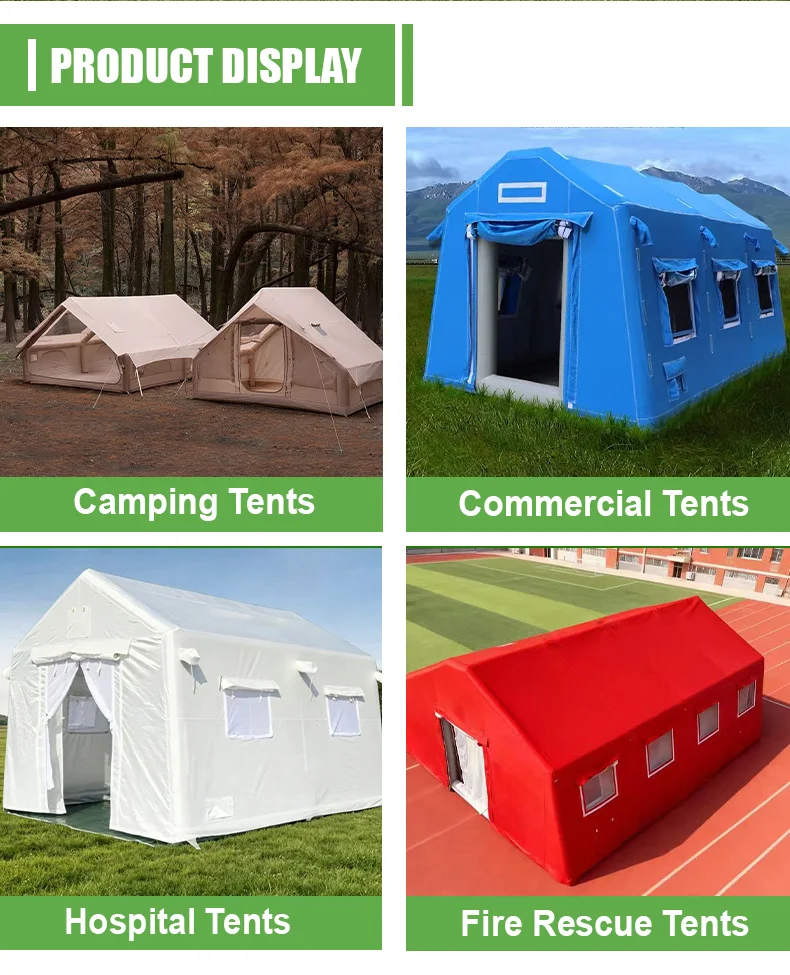
Description
Production Control — Every roll of PVC tarpaulin destined for inflatable structures undergoes 100% pre-shipment inspection, with weight and coating adhesion verified against the stated specification before it leaves the factory floor.
Technical Specifications
| Parameter | Value |
|---|---|
| Product Type | Inflatable Tent |
| Core Material | PVC Tarpaulin |
| Waterproof Rating | minimum 3000mm water column |
| UV Resistance | 400 hours accelerated aging test (test basis not stated) |
| Tear Strength Standard | ASTM D751 |
| Wind Load Capacity | up to 12m/s |
| Temperature Range | -10°C to 40°C |
| Dimensional Tolerance | ±2cm for large structures |
| Inflation Test Protocol | 24-hour initial pressure test, environmental simulation, structural load test |
| Sample Production Time | 7–10 days |
| Standard Lead Time | 15–20 days for non-custom orders |
| Customization | OEM & ODM — dimensions, color, ventilation configurations, reinforcement points, pattern printing |
| Standards & Certifications | ISO9001, ISO14001, ISO45001, CE, ASTM D751 |
Application Suitability
| Application | Exposure & Requirement |
|---|---|
| Disaster relief shelter deployment | Rapid inflation under field conditions, wind gusts, driving rain, repeated relocation |
| Construction site temporary shelters | UV exposure over multi-week projects, dust and debris abrasion, crew ingress and egress wear |
| Mobile command centers for infrastructure maintenance | Stable internal climate control, secure equipment storage, frequent setup and teardown cycles |
| Medical operation support tents | Waterproof membrane integrity, hygiene-compatible surface cleaning, temperature regulation |
| Remote industrial workspace coverage | Extended sun exposure, mechanical handling stress during transport and inflation, ground contact abrasion |
What Happens When an Inflatable Tent Fails Mid-Deployment
Structural failure in the field is almost always traceable to a specification gap between what was quoted and what arrived.
Emergency response teams and construction contractors depend on inflatable shelters that hold pressure under wind load and maintain waterproof integrity through sustained rain. When a seam delaminates or the PVC membrane softens beyond its rated temperature boundary, the entire operation stalls. We have seen field crews forced to abandon shelter setups because the fabric lost rigidity in direct afternoon sun — a direct consequence of coating formulation that was never matched to the deployment climate [NEED_CITE: thermal softening behaviour of plasticised PVC under sustained UV load]. An Inflatable Tent manufacturer that does not validate coating weight and base fabric adhesion at every production stage is handing you a liability, not a shelter.
PVC Membrane Construction and Pressure Retention
The inflatable structure relies entirely on the air-holding capability of its PVC tarpaulin envelope. The coated fabric must maintain dimensional stability under continuous internal pressure while resisting puncture from ground contact and handling. Our custom Inflatable Tent production uses PVC tarpaulin with a waterproof rating of minimum 3000mm water column, ensuring that rain and standing water do not compromise the internal environment during extended deployment in disaster relief or construction scenarios.
Welding Integrity Across Inflation Cycles
Every inflation and deflation cycle places repetitive stress on the welded seams. The heat-sealed joints must match or exceed the tear strength of the base fabric itself. Testing to ASTM D751 standards confirms that the seam does not become the failure point when the structure flexes under wind load up to 12m/s. An Inflatable Tent aftermarket supplier that skips structural load testing is relying on field performance as the quality checkpoint — by which time the shelter is already in use [NEED_CITE: seam strength testing methods for welded PVC structures per ASTM D751].
Understanding the Specification Chain for Inflatable Structures
The waterproof rating of minimum 3000mm water column defines the hydrostatic head the membrane can withstand before moisture penetrates the coating. This matters for disaster relief deployments where the tent may sit on saturated ground or face wind-driven rain for days. The 400-hour UV accelerated aging test provides a baseline for coating stability under prolonged sun exposure, though buyers should confirm the specific test method used to interpret outdoor service life correctly. Wind load capacity up to 12m/s sets the operational boundary — beyond this threshold, guy ropes and anchoring systems must share the structural load. The ±2cm dimensional tolerance for large structures accounts for the reality that heat-welded PVC panels expand and contract during fabrication, and this tolerance ensures that mating panels, door zips, and ventilation ports align correctly on site. The temperature operating range of -10°C to 40°C defines the boundary within which the PVC remains flexible enough to fold and rigid enough to hold inflation pressure without becoming brittle or overly soft.
The Hidden Cost of Underspecified Inflatable Shelters
When the PVC coating weight is lighter than the quotation stated, the membrane cannot hold inflation pressure reliably and the structure sags within hours of setup. If UV resistance is claimed without a verifiable test basis, the surface becomes chalky and brittle after a single season of sun exposure, cracking at fold lines during the next deployment. Colour inconsistency between panels in the same inflatable tent becomes immediately visible once inflated — a problem that undermines the professional appearance required for command centers and medical operation support tents [NEED_CITE: batch colour consistency standards for coated fabric in architectural and shelter applications].
Why Buyers Source Inflatable Tents Here
Three full production lines and 36 sets of processing equipment mean that custom Inflatable Tent orders move through coating, cutting, and welding without waiting for external subcontractors. A dedicated 10-person R&D team handles dimensional design, ventilation configuration, and pattern printing in-house, reducing the sample-to-production handoff that typically causes specification drift. Every roll is inspected at each production stage with 100% pre-shipment verification, so the PVC tarpaulin weight and coating adhesion you specified is what arrives on site. Sample development within 7–10 days allows buyers to validate fit, inflation behaviour, and colour accuracy before committing to full production. ISO9001, ISO14001, and ISO45001 certifications plus CE marking are available as part of the documentation package for compliance-sensitive projects.
Documentation & Verification
- Material specification sheet detailing GSM, base fabric denier, and PVC coating weight per roll
- UV resistance and waterproof performance test reports included with each batch
- ISO and CE certificates matching the shipment scope for regulatory submissions
- Pre-shipment inspection record confirming dimensional accuracy within ±2cm tolerance
- 24-hour inflation pressure test results documenting structural integrity before dispatch
- Roll packing list with customs support documentation for international shipments
Fabrication, Handling & Storage
- Heat-seal PVC tarpaulin panels at manufacturer-recommended temperature and dwell time to match ASTM D751 tear strength values
- Reinforce inflation valve mounting points with additional PVC patches to distribute stress across the coated membrane
- Store rolled inflatable tent fabric in a dry, shaded area to prevent plasticiser migration and surface blocking
- Allow PVC tarpaulin to acclimatise before unfolding in temperatures near -10°C to avoid coating crack at fold lines
- Clean PVC membrane surfaces with mild detergent only — solvents degrade the waterproof coating layer
- Inspect welded seams after each deployment cycle for early signs of delamination at high-flex zones
Specifying Your Inflatable Tent Order
Provide your intended deployment environment — including typical wind speeds, temperature extremes, and expected duration of continuous inflation — so that the PVC formulation and panel design can be matched to the application. Confirm whether your project requires fire-retardant grades or specific colour references for identification purposes. Share dimensional requirements and ventilation configuration needs early so that sample development can validate inflation geometry before production begins.
Frequently Asked Questions
Q: What customization options are available for dimensions, color, and ventilation configurations?
A: We offer OEM and ODM services covering custom dimensions, colour matching, ventilation port placement, reinforcement point positioning, and pattern printing. Our R&D team develops samples within 7–10 days to validate inflation geometry and visual appearance before full production. Dimensional tolerance for large structures is held within ±2cm through controlled heat-welding processes.
Q: What certifications and test reports are included with each shipment?
A: Each order ships with a material specification sheet, UV and waterproof test reports, ISO9001 and CE certificates, and a pre-shipment inspection record. The 24-hour inflation pressure test results are documented per unit. Additional third-party testing through SGS or Intertek can be arranged for project-specific compliance requirements.
Q: How long does sample development and production typically take for custom orders?
A: Sample production takes 7–10 days from design confirmation. Standard lead time for non-custom inflatable tent orders is 15–20 days. Custom orders with unique dimensions, colour requirements, or ventilation configurations follow a similar timeline once the sample is approved and material sourcing is confirmed.
Q: Can third-party testing be arranged for specific project compliance requirements?
A: Yes, third-party testing through SGS or Intertek is available on request. This covers material composition, waterproof performance, UV stability, and tear strength verification to ASTM D751. Buyers should specify the exact standards and test methods required by their project documentation so that the correct protocols are applied.