Description
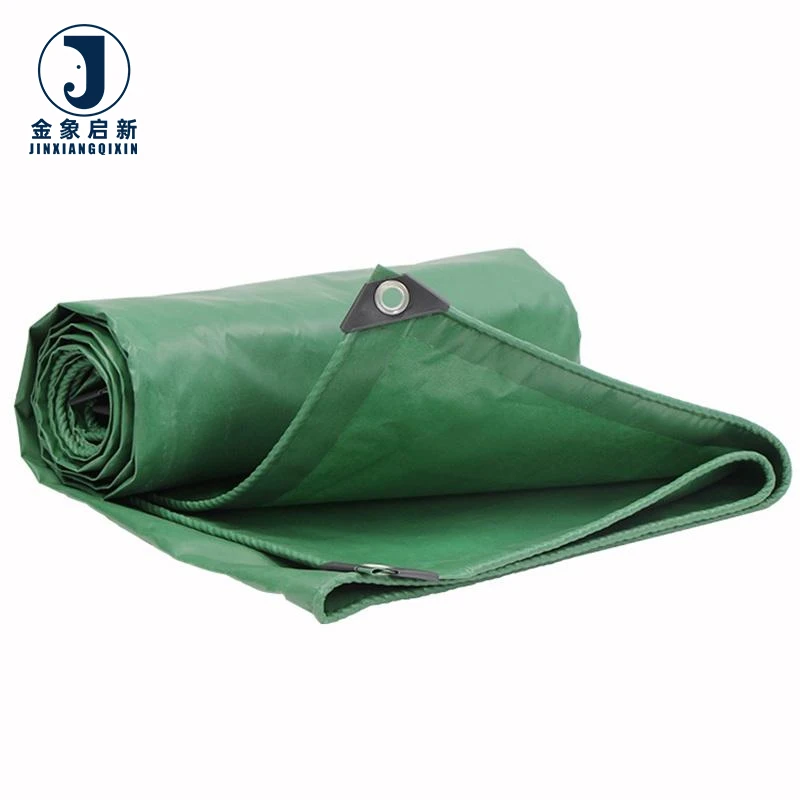
Batch-Consistent Roll Stock — Every roll weighed and inspected before dispatch so the GSM on your purchase order matches the material you receive at the container door.
Technical Specifications
| Parameter | Value |
|---|---|
| Product Type | PVC Coated Tarpaulin Roll |
| Material | PVC + High-strength polyester mesh fabric |
| Coating Technology | Laminated & Hot-melt Coating |
| Weight Range | 350gsm / 420gsm / 500gsm / 550gsm / 600gsm / 750gsm |
| Total Thickness | 0.32mm / 0.35mm / 0.4mm / 0.45mm / 0.5mm / 0.65mm |
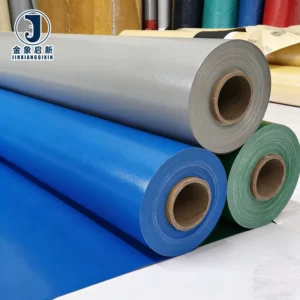
| Standard Roll Size | 2m × 75m / 2.1m × 50m |
| Surface Finish | Glossy or Matt |
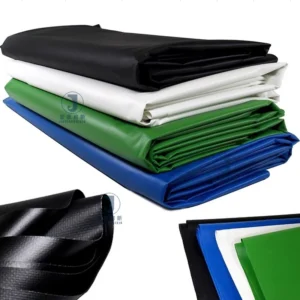
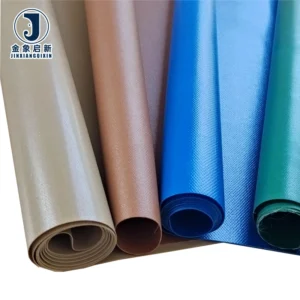
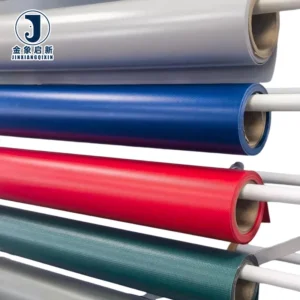
| Color Options | Blue, Red, Yellow, Light Blue, Grey (customizable) |
| Key Features | Waterproof, cold crack resistant, anti-mildew, anti-static treatment available, UV resistant treatment available |
| Standards | ISO, CE |
Application Suitability
| Application | Exposure & Requirement |
|---|---|
| Tarpaulin distribution and regional resale | Multiple GSM grades and colours stocked in container-load volumes, requiring batch-to-batch colour match across rolls |
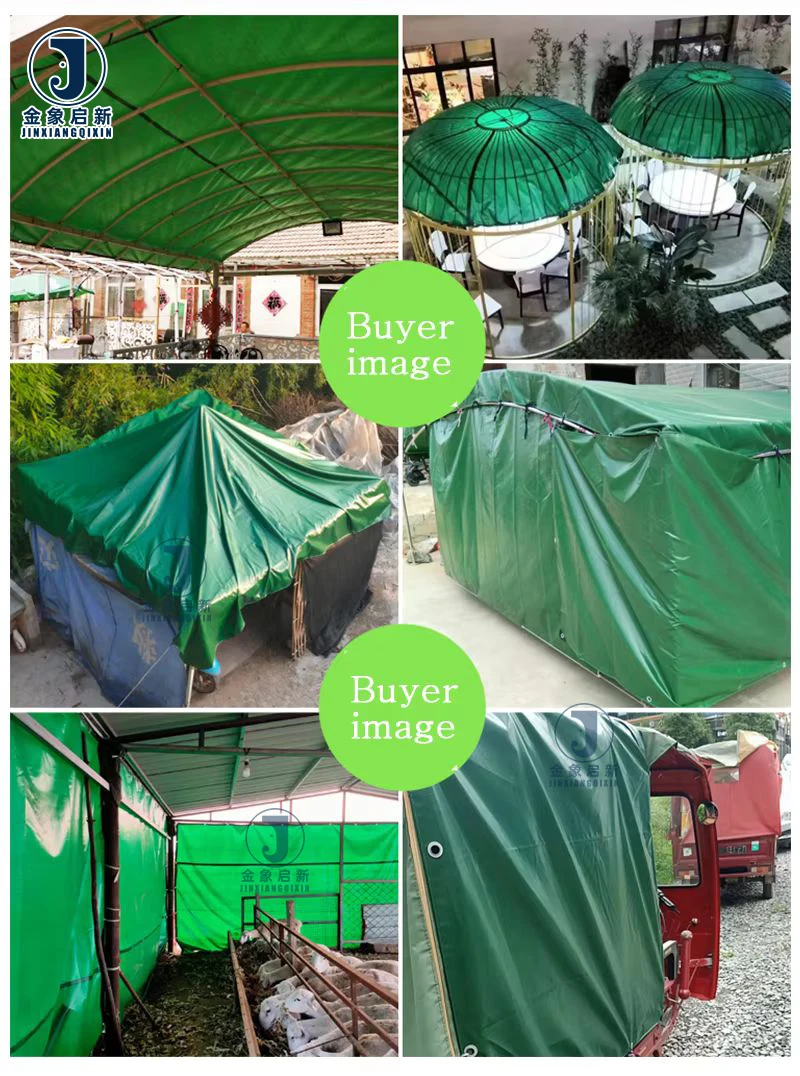
| Tent, awning and inflatable manufacturing | Roll-fed production runs demand consistent coating adhesion and predictable weld behaviour at every seam |
| Truck cover and side curtain fabrication | Standard widths cut to trailer dimensions, with material flexing repeatedly under road vibration and weather exposure |
| Fish tank and pool liner fabrication | Permanent water contact requiring continuous waterproof integrity across heat-welded joins |
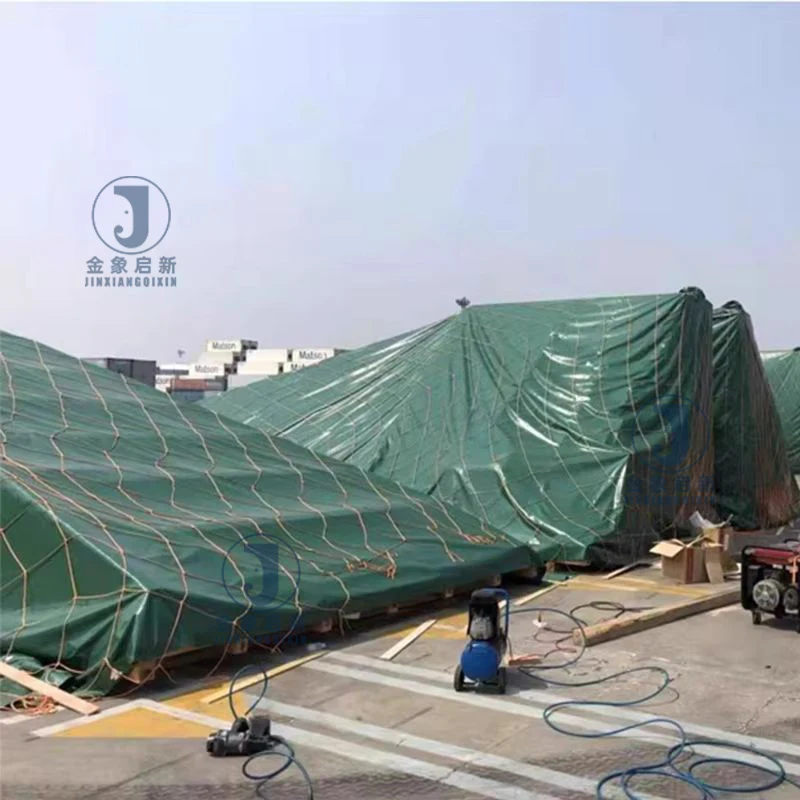
| Cargo ship and transport tarps | Salt spray, UV exposure, and mechanical abrasion from tie-downs and shifting loads |
Why Roll-to-Roll GSM Variation Wrecks Wholesale Margins
Verified weight per roll, documented before the container is sealed.
When a distributor orders a 550gsm PVC coated tarpaulin roll wholesale and the material arrives closer to 500gsm, the loss is not just in material substance — end-users notice the difference in hand feel and durability, claims follow, and the next reorder goes to a competitor. Inconsistency within a single shipment is worse: two rolls specified identically but weighing differently produce covers that age at different rates, generating returns that trace back to the wholesaler. [NEED_CITE: GSM verification methods for coated fabrics in pre-shipment inspection]
Container-Load Planning by Roll Count and Weight
Distributors importing PVC coated tarpaulin roll wholesale need to know exactly how many rolls fit a 20-foot or 40-foot container and what the gross weight will be for freight calculation. Standard 2m × 75m and 2.1m × 50m configurations allow loading plans to be built around predictable roll dimensions and weights per grade, reducing the guesswork that leads to under-utilised containers or overweight surcharges. Each grade from 350gsm through to 750gsm carries a different roll weight, and packing lists are prepared reflecting the actual count and net weight of the mix loaded.
Colour Matching Across Rolls in a Single Shipment
When a wholesale buyer distributes rolls to multiple fabricators across a region, visible colour variation between rolls from the same order creates complaints that land on the distributor, not the mill. Batch-to-batch colour consistency is maintained through controlled pigment dosing and verified against a colour reference before dispatch. Glossy and matt finish options are produced with the same consistency discipline, so a blue roll in gloss matches the next blue roll in gloss, whether they end up on adjacent awnings or truck curtains in the field. [NEED_CITE: colour fastness and batch consistency testing for PVC coated textiles]
Coating Technology and What It Means for Fabricators Buying Roll Stock
Laminated and hot-melt coating processes each produce a different bond character between the PVC layer and the high-strength polyester mesh base fabric. Hot-melt coating delivers a deeper penetration of PVC into the mesh structure, yielding stronger adhesion that holds up during high-frequency welding — the weld line fails the fabric rather than peeling apart at the coating interface. Laminated construction offers a smoother surface profile suited to applications where print clarity or visual finish is a priority. The choice affects how fabricators set their wedge or hot-air welder temperatures, and inconsistent coating across a roll forces operators to adjust settings mid-run, generating waste.
How GSM, Thickness and Base Fabric Interact to Define Roll Performance
GSM alone does not tell a wholesale buyer how strong a roll will perform in the field. A 550gsm roll built on a high-denier, tightly woven polyester mesh with a thinner coating can outperform a 600gsm roll that achieves its weight through heavier coating on a lighter base cloth. Thickness readings — ranging from 0.32mm at 350gsm to 0.65mm at 750gsm — correlate with the total cross-section but must be read alongside the base fabric specification to predict tensile and tear behaviour. For distributors supplying fabricators who weld seams, the coating-to-yarn ratio determines whether the weld bites into PVC or into structural yarn, directly affecting seam strength. Hot-melt coated grades typically show higher peel strength at the coating-fabric interface, which translates to more predictable weld results when fabricators process roll stock at volume. [NEED_CITE: relationship between base fabric denier and tensile strength per ISO 1421]
The Hidden Cost of Specifying the Wrong Roll Grade for Your Market
Distributors who select a lighter GSM to save on unit cost often absorb higher downstream costs: fabricators report premature failures at flex points, end-users submit warranty claims, and the distributor’s reputation takes the hit. Colour inconsistency within a wholesale shipment forces fabricators to reject rolls mid-production, stalling delivery schedules and creating dead stock. Rolls packed without adequate moisture protection develop surface mildew during ocean transit, arriving unsaleable. Anti-static or UV treatments specified on paper but unsupported by test documentation cause failures at compliance checks in regulated markets, leaving the importer holding non-conforming inventory. [NEED_CITE: common failure modes in imported coated fabric shipments]
Why Sourcing Roll Stock Here Reduces Procurement Risk
Three full production lines and 36 sets of professional equipment support bulk roll output with reliable scheduling, so container-load orders ship on the agreed date rather than sliding week after week. A dedicated 10-person R&D team develops custom width, colour and GSM samples within days, allowing distributors to confirm material before committing to a full container. QA and QC checkpoints run at every production stage with 100% pre-shipment inspection — every roll is weighed, measured and checked against the order specification before packing. Deep process control over coating weight and adhesion, built across nearly 30 years of focused production, means the PVC coated tarpaulin roll wholesale buyer receives material that behaves consistently through fabrication. ISO and CE certification is maintained and documentation accompanies each shipment for customs and compliance purposes.
Documentation & Verification
- Material specification sheet stating GSM, base fabric construction, coating type and colour reference for each roll grade
- Pre-shipment inspection record with roll-by-roll weight verification against quoted GSM
- Roll packing list detailing roll count, net and gross weight per grade for container loading
- Colour reference card matched to the production batch for visual consistency checks on arrival
- ISO and CE certificates included with shipping documentation for customs clearance
Fabrication, Handling & Storage
- Hot-air welding at 400–600°C works across hot-melt coated grades; test a scrap piece from each roll before full production
- Store rolls upright on pallets in a dry, shaded area to prevent flat-spotting on the PVC coating surface
- Unroll and allow cold-stored material to reach ambient temperature before cutting or welding to avoid coating crack
- Glossy finish rolls wipe clean with mild detergent; avoid solvent-based cleaners that soften the PVC surface
- Plan cutting layouts around the 2m or 2.1m standard width to minimise off-cuts and weld seams in large covers
What to Include in Your Roll Stock Inquiry
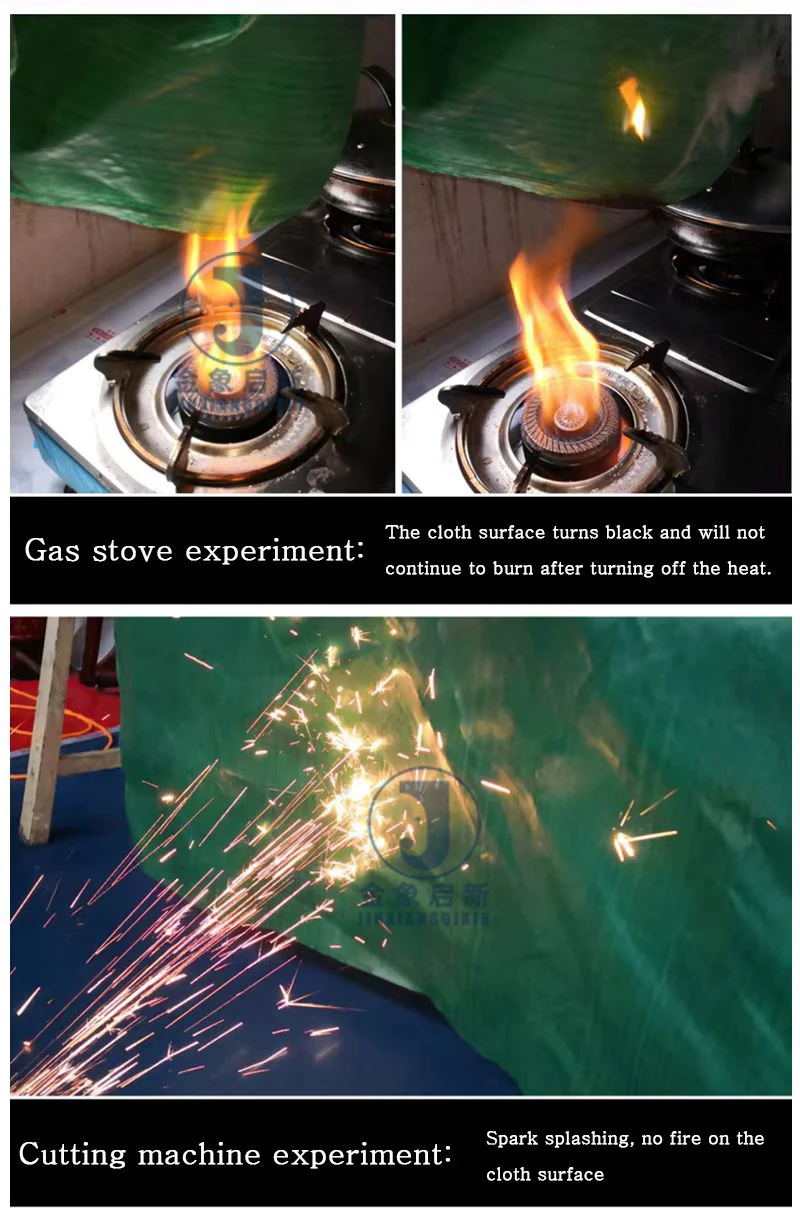
Provide the GSM grade or range your market demands, the roll widths and lengths that suit your container loading, and whether you require standard stock colours or custom colour matching. If your end-users operate in markets with specific fire safety or anti-static compliance requirements, state the grade or standard needed so the correct treatment is applied and documented. Confirm whether you need rolls only or finished cut sizes, and request sample rolls for fabrication trials before committing to bulk volume.
Frequently Asked Questions
Q: How is GSM verified on each roll before shipment and what documentation is provided?
A: Every roll is individually weighed and measured during the 100% pre-shipment inspection. A roll-by-roll verification record is compiled showing actual weight against the quoted GSM, and this inspection documentation ships with the container alongside the material specification sheet and packing list.
Q: What are the standard roll widths, lengths and container loading configurations?
A: Standard configurations are 2m × 75m and 2.1m × 50m. Roll count per container varies by GSM grade and roll size. A detailed packing list with net weight and dimensions is provided for each grade so freight forwarders can plan loading and calculate gross weight accurately.
Q: How is colour consistency maintained across rolls within the same wholesale order?
A: Pigment dosing is controlled at the coating stage and checked against a colour reference standard. Rolls within a single order are produced from the same batch formulation, and a colour reference card is included in the shipment documentation so buyers can verify consistency on arrival.
Q: What are the minimum order quantities and lead times for custom widths, colours or GSM grades?
A: Custom specifications typically require container-load quantities and involve sample development first. Lead times depend on the grade and customisation scope — contact the sales team with your required width, colour and GSM to receive a confirmed production schedule and minimum order quantity.
Q: How are rolls packed and protected for ocean freight to prevent damage or moisture ingress?
A: Rolls are packed upright on pallets with protective wrapping to prevent crushing, moisture ingress and surface abrasion during transit. The packing list details the roll count, packaging configuration and gross weight to support customs clearance and warehouse receiving on arrival.