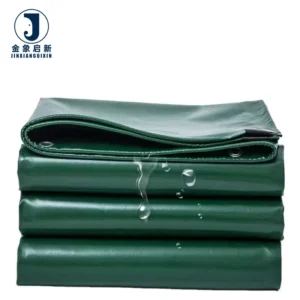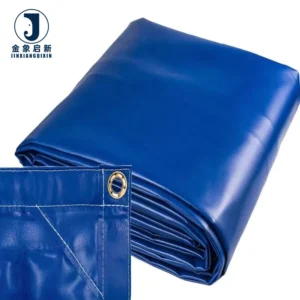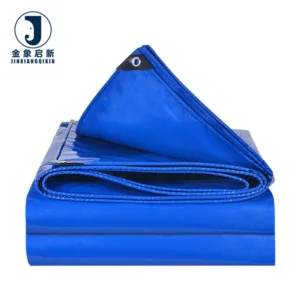
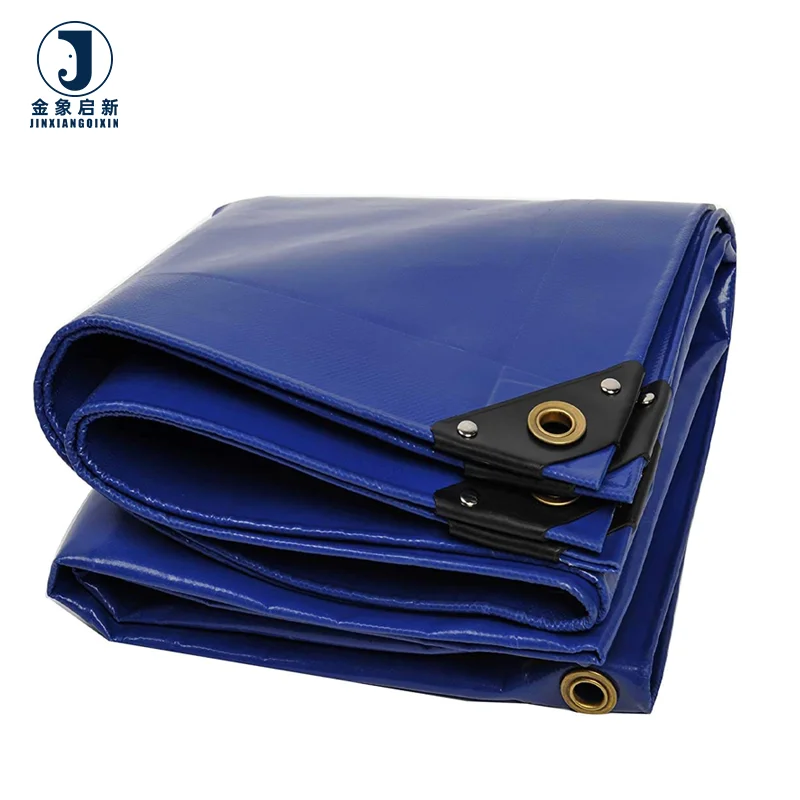
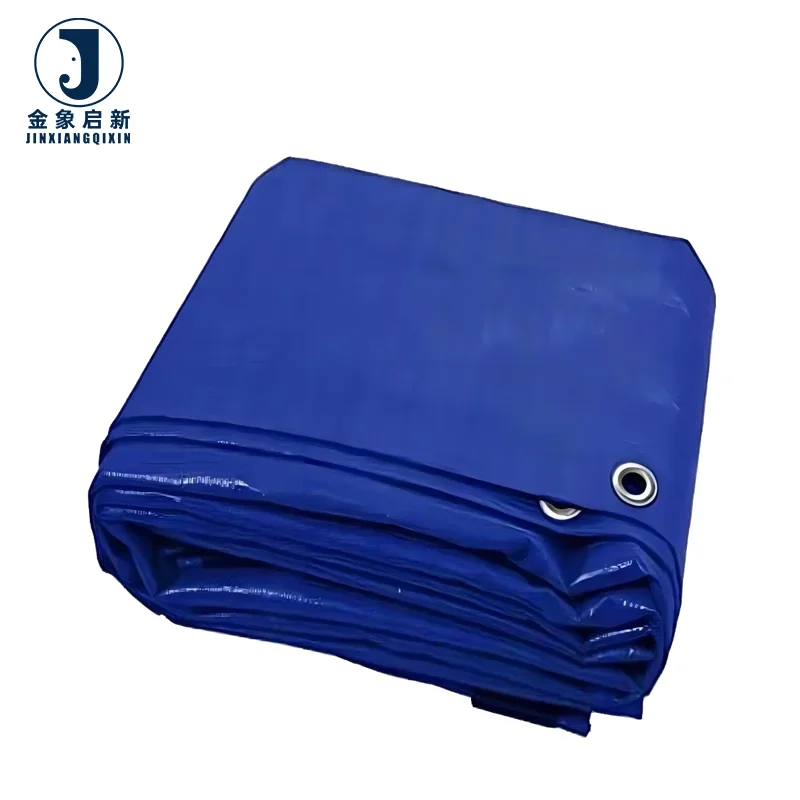
Description
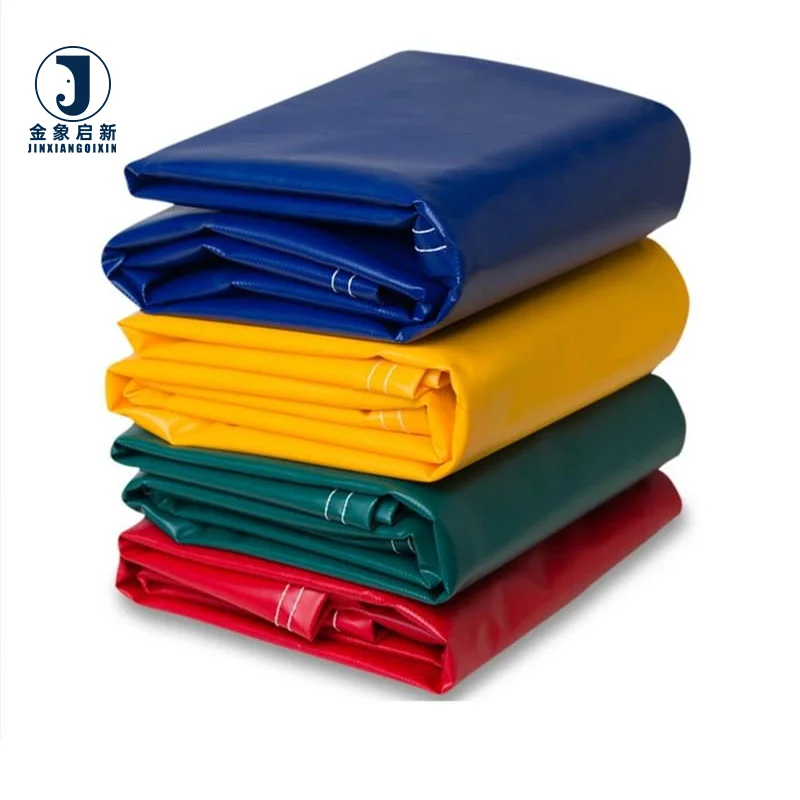
Roll-to-Roll Consistency — every roll verified against the stated GSM and colour reference before dispatch, built on three full production lines with dedicated QA checkpoints for volume buyers.
Technical Specifications
| Parameter | Value |
|---|---|
| Product Type | PVC Coated Tarpaulin |
| Base Fabric Denier Options | 500D×840D / 500D×1000D / 1000D×1000D / 1000D×1300D / 1300D×1300D / 1000D×2000D |
| Weight Options (GSM) | 350 / 400 / 420 / 500 / 600 / 650 / 750 / 900 |
| Total Thickness Range | 0.29 mm – 0.65 mm (varies by grade) |
| Mesh Count (Density) Options | 30×19 / 20×20 / 30×15 |
| Tensile Strength Warp | 1,650 N – 3,900 N (varies by grade) |
| Tensile Strength Weft | 1,600 N – 3,500 N (varies by grade) |
| Coating Material | PVC |
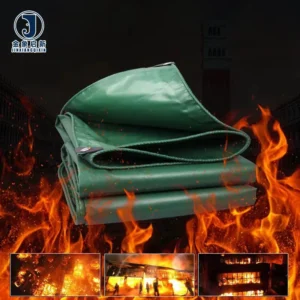
| Key Features | Waterproof, fire retardant¹, anti-UV¹, heavy metal free, anti-mildew, flexible, self-clean |
| Treatment / Joining Options | High frequency hot melt / hot air welding / sewing |
| Printing | Printable, customised |
| Edge Construction | High temperature heat-sealed seamless edge wrapping |
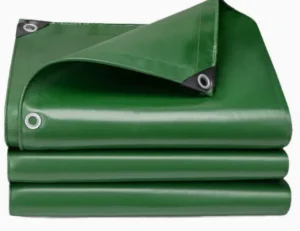
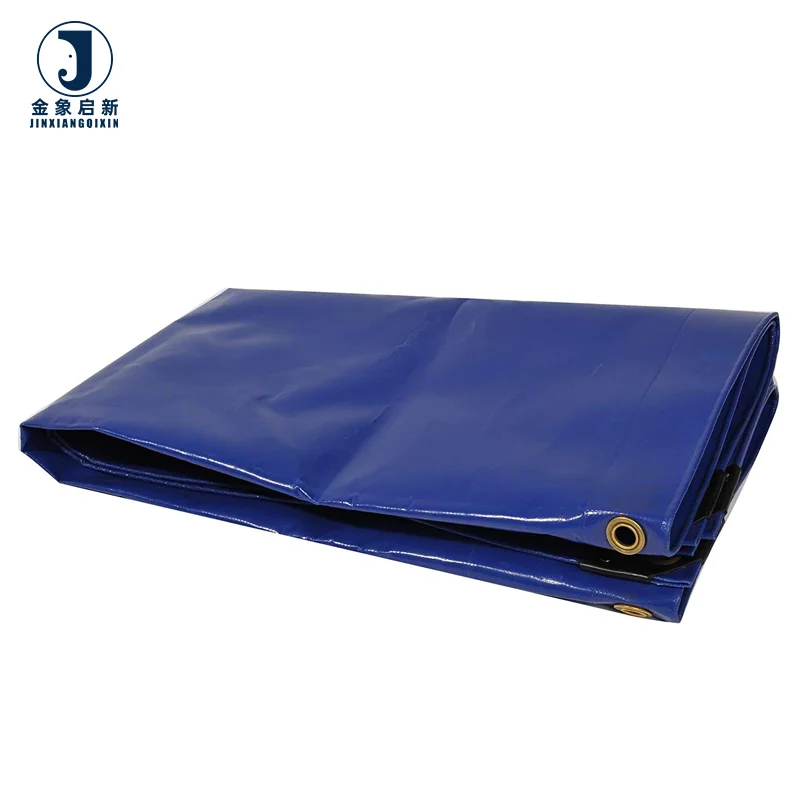
| Eyelet Option | 3 cm enlarged aluminium alloy buttonhole |
| Rope Option | 5 mm thick rope without splicing |
| Corner Detail | Reinforced corners on all sides |
| Temperature Range | Brittle ≤ −50 °C to −60 °C; softening ≥ 80 °C; melting 212 °C |
| Standards | ISO, CE |
¹ Fire retardant and anti-UV grades available — confirm the specific grade and test report required for your market before ordering.
Application Suitability
| Application | Exposure & Requirement |
|---|---|
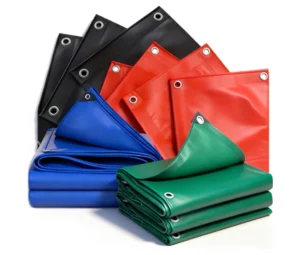
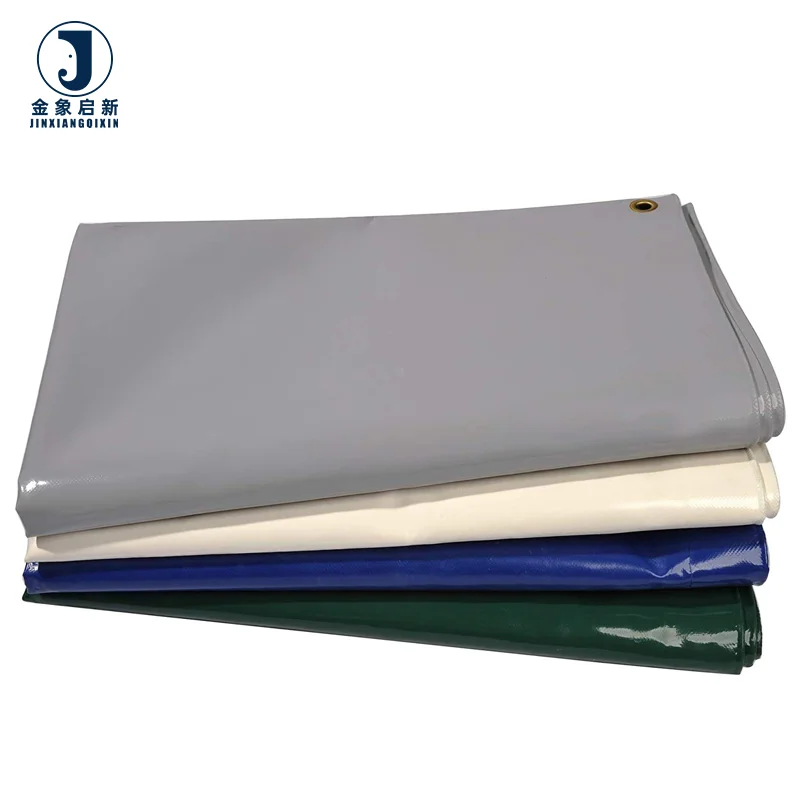
| Tarpaulin distribution & regional resale | Multiple GSM grades stocked under one source, batch-to-batch colour matching for downstream resale consistency |
| Tent, awning & inflatable manufacturing | Roll stock feeding cut-and-sew lines; high-frequency weldability, print surface for branding, consistent tensile across rolls |
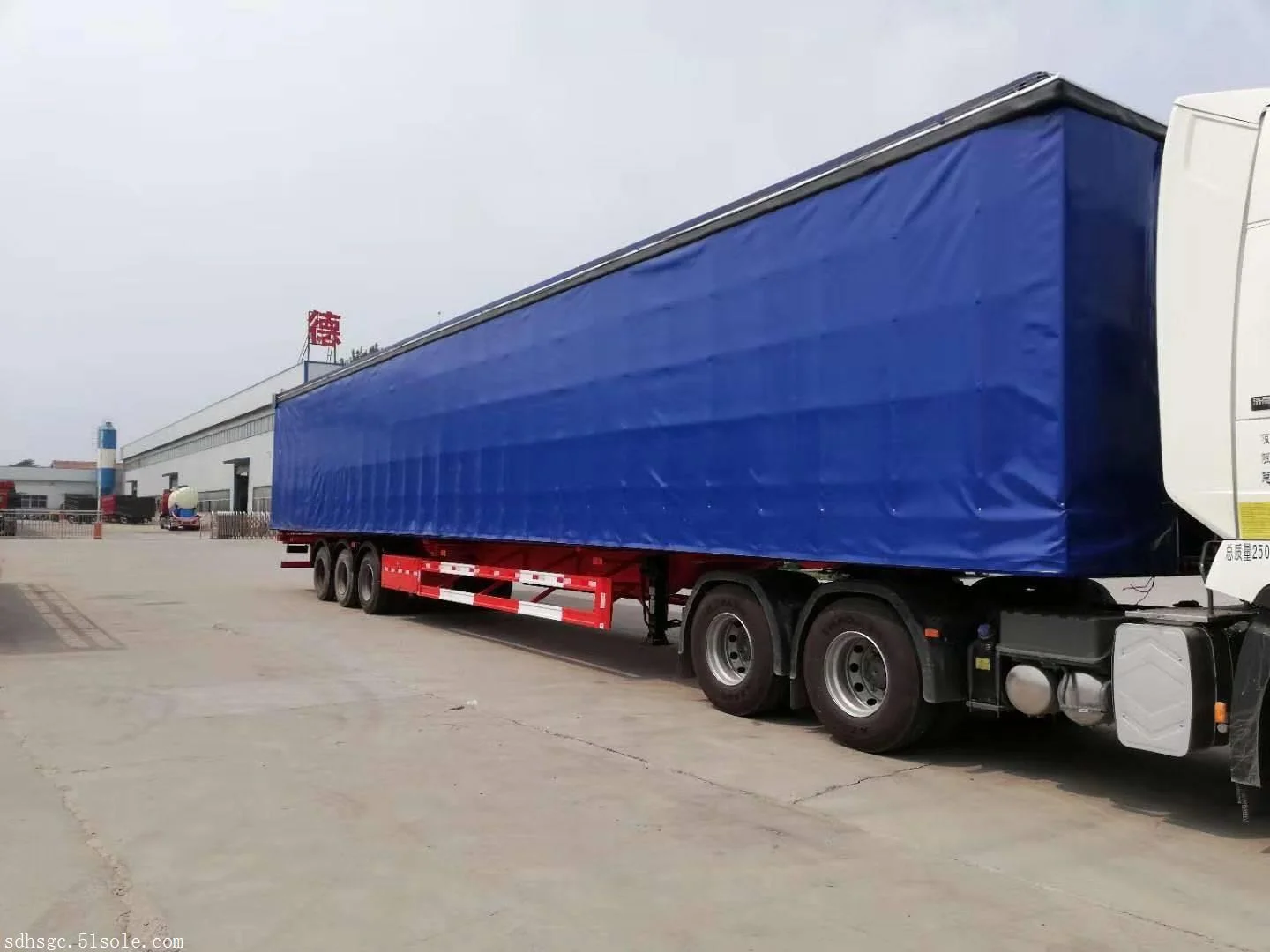
| Transport fleet side curtain & truck cover fabrication | Constant flexing, road abrasion, weather exposure; requires high warp tensile and reliable heat-sealed seams |
| Outdoor event & block-out tent production | Light blocking, repeated rigging and teardown; demands flexible yet tear-resistant fabric by the roll |
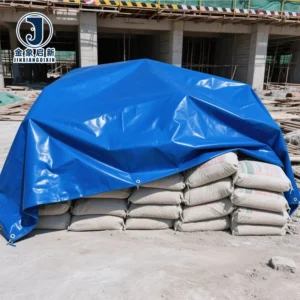
| Construction site shelter & scaffold wrap | Wind load, UV exposure, puncture from debris; heavy-duty grade with reinforced edge finishing |
Why Roll-to-Roll Colour Shifts Happen — and What to Demand From Your PVC Coated Tarpaulin Supplier
Colour consistency is a process control outcome, not a promise. When a distributor unrolls two adjacent PVC coated tarpaulin panels at a customer site and sees a visible tone shift, the credibility of the entire shipment is questioned. This problem does not originate at the dye house alone — it accumulates across base fabric sourcing, coating batch mixing, oven temperature drift, and cooling rate variation [NEED_CITE: colour measurement and tolerance standards for coated textiles]. Wholesale buyers carrying inventory across multiple shipments are especially exposed, because a container that arrived in March must visually match one arriving in July. The only defence is a documented pre-shipment inspection that includes roll-by-roll colour comparison under controlled lighting, not a general statement of "same colour" on the packing list.
Stocking the Weight Range Your Regional Market Actually Needs
A distributor serving both agricultural cover buyers and transport fleet fabricators cannot rely on a single grade. This PVC coated tarpaulin roll stock covers eight weight options from 350 GSM light-duty through to 900 GSM heavy-duty, with base fabric deniers scaling from 500D×840D up to 1000D×2000D. The practical advantage for a wholesale buyer is consolidating multiple product tiers under one production source, which simplifies colour matching across the range and reduces the number of supplier audits required. Each grade is produced on the same lines with the same QA checkpoints, so the handling behaviour your fabrication team learns on one weight transfers predictably to the next.
Protecting Margin Through Container-Load Planning
Buying fabric by the roll at volume means freight cost per square metre directly affects resale margin. Roll diameter, core size, and weight per roll determine how many linear metres fit in a 20-foot or 40-foot container. Our loading plans are calculated per order, showing roll count, total weight, and cubic utilisation so that you can evaluate landed cost before confirming production [NEED_CITE: container loading optimisation methods for rolled textile goods]. For distributors shipping mixed-grade containers — say 650 GSM for truck cover customers alongside 400 GSM for awning fabricators — we sequence rolls by weight and destination region to simplify your warehouse breakdown on arrival.
Reading Beyond the GSM Number on the Quotation
GSM tells you how much material is in each square metre, but it does not tell you how that material is distributed. Two PVC coated tarpaulin rolls can both read 650 GSM yet perform very differently: one may use a dense 1000D×1000D base fabric with a thinner coating layer, delivering higher tensile strength and better tear resistance, while another may rely on a lighter 500D base with a thicker PVC coat to reach the same weight. The mesh count (warp × weft density) and yarn denier together determine how the load is carried by the fabric structure rather than the coating alone. For wholesale buyers specifying for different end uses, requesting the base fabric denier and mesh count alongside GSM ensures the grade selected matches the mechanical demand — whether that is wind-loaded scaffold wrap or a flexing side curtain. Equally, thickness measured in millimetres correlates with abrasion resistance and weld window: a 0.55 mm grade offers a broader heat-sealing parameter range than a 0.29 mm light-duty option, giving fabricators more margin on their welding equipment.
The Hidden Cost of Specifying on Price Per Kilogram Alone
When a roll-stock purchase is driven primarily by cost per kilogram, the typical result is a lighter base fabric buried under a heavier coating to hit the target GSM. On a truck side curtain, this construction fails at the flex point — the coating cracks first because the underlying yarn structure lacks the density to support repeated bending. For a distributor, the consequence is a warranty claim from a fleet customer, a reputation hit in a regional market, and a container of unsaleable inventory. Similarly, ordering flame-retardant PVC coated tarpaulin without specifying the required test standard can result in material that passes one laboratory method but fails the certification demanded on a construction site or public event venue [NEED_CITE: fire classification test methods for temporary structures and tensioned fabric]. The rework cost of replacing installed panels far exceeds the per-metre saving on the original roll.
What Production Discipline Means for Your Inventory
Three full production lines and 36 sets of professional equipment allow us to run multiple GSM grades simultaneously without cross-contamination of colour or coating formulation. A 10-person R&D team develops samples for custom widths, colours, and printed branding within days, so you can validate a new SKU with your end customers before committing to a full container. Dedicated QA at every stage — from incoming base fabric inspection through coating weight verification to final roll-by-roll GSM and colour check — means the inspection record you receive reflects actual measurements, not batch averages. ISO and CE certification underpins the documentation package, and nearly 30 years of coated fabric focus means the process parameters behind each grade are established, not experimental.
Documentation & Verification
- Material specification sheet stating exact GSM, base fabric denier, and mesh count per roll grade
- Pre-shipment inspection record with roll-by-roll GSM weight verification and colour comparison
- Roll packing list with batch numbers enabling traceability back to the production run
- Container loading plan detailing roll count, gross weight, and cubic utilisation per shipment
- Fire retardant and anti-UV test reports supplied where applicable to the grade ordered
- Certificate of origin and customs documentation prepared per destination country requirement
Fabrication, Handling & Storage
- High-frequency welding suits all listed GSM grades; adjust dwell time for 0.55 mm and above thickness
- Use 5 mm rope edge and reinforced corners at all tie-down points to distribute load across the base fabric
- Store rolls upright on pallets to prevent flat-spot deformation on the bottom layer
- Allow cold-stored rolls to reach ambient temperature before unrolling to avoid coating stiffness cracking
- Clean printed surfaces with mild detergent only; solvent-based cleaners may affect the self-clean top layer
- Plan cutting layout around standard roll width to minimise off-cuts and maximise yield per roll
What We Need to Quotation Your Roll Stock
Tell us which GSM grades your regional market moves most frequently, and whether your downstream customers require fire retardant or anti-UV certification to a specific standard. Confirm your target roll width and whether you need printed branding on the fabric surface or plain stock for your own label. If your fabrication line uses high-frequency welding, let us know so we can match the coating formulation to your equipment parameters and send a sample roll for your weld trials before bulk production.
Frequently Asked Questions
Q: What GSM grades and widths are available as standard roll stock?
A: Eight weight options are available — 350, 400, 420, 500, 600, 650, 750, and 900 GSM — covering light-duty through heavy-duty applications. Standard widths are stocked for prompt dispatch, with custom widths produced to order. Base fabric denier ranges from 500D×840D to 1000D×2000D depending on the grade selected.
Q: Can I receive a sample roll before placing a bulk order?
A: Yes. We develop sample rolls within days for your chosen GSM, colour, and width. This lets you run weld trials, check print quality, and verify handling on your fabrication equipment before committing to container-load volume.
Q: How is colour consistency maintained across all rolls in one shipment?
A: Every roll is compared under controlled lighting during pre-shipment inspection, not just at the start of the production run. The inspection record documents colour reference matching per roll, preventing the visible tone shift that causes installation rejections.
Q: What minimum order applies for custom width, colour, or printed branding?
A: Minimums depend on the specific grade and customisation scope. Custom colours and printed branding typically require a full production run to ensure batch consistency. Contact us with your target specifications for an exact minimum and lead time.
Q: Which certifications and test reports ship with each order?
A: Every order includes a material specification sheet, pre-shipment inspection record, roll packing list, and certificate of origin. Fire retardant and anti-UV test reports are provided for grades where these treatments have been specified — confirm the test standard your market requires at inquiry stage.