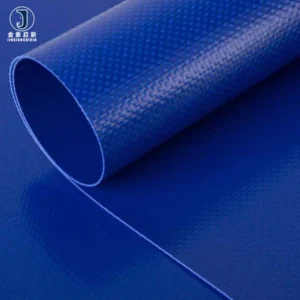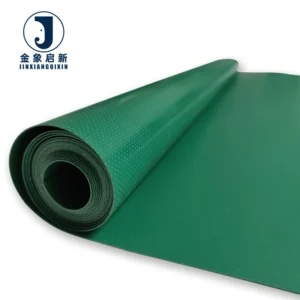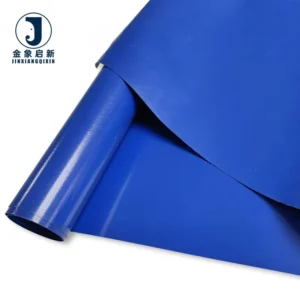
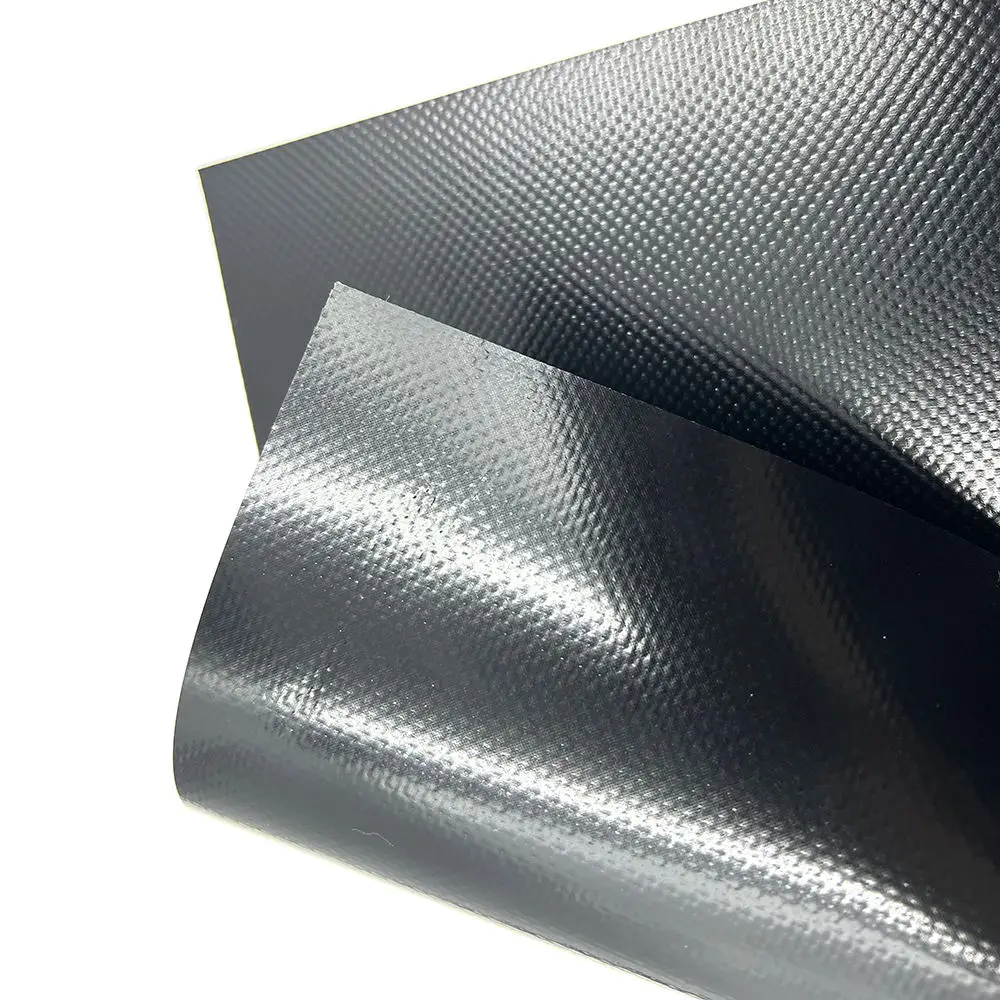
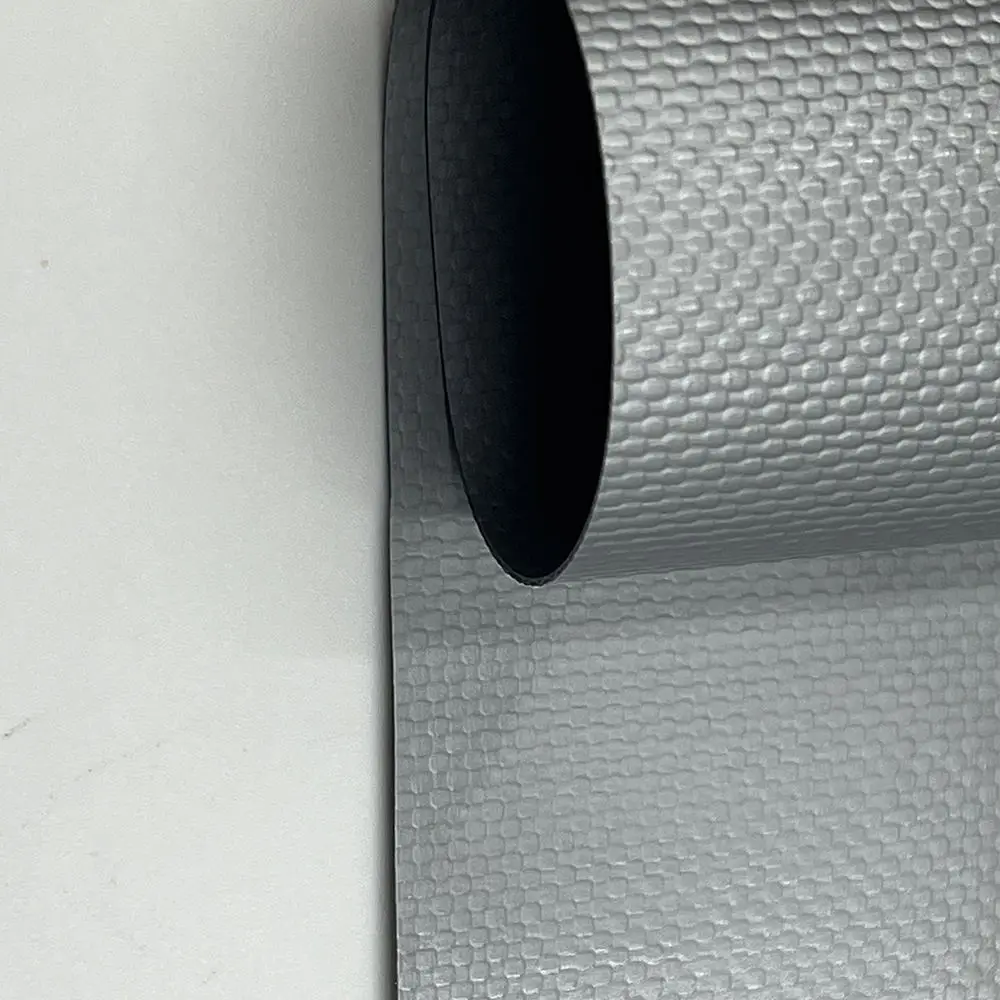
Description
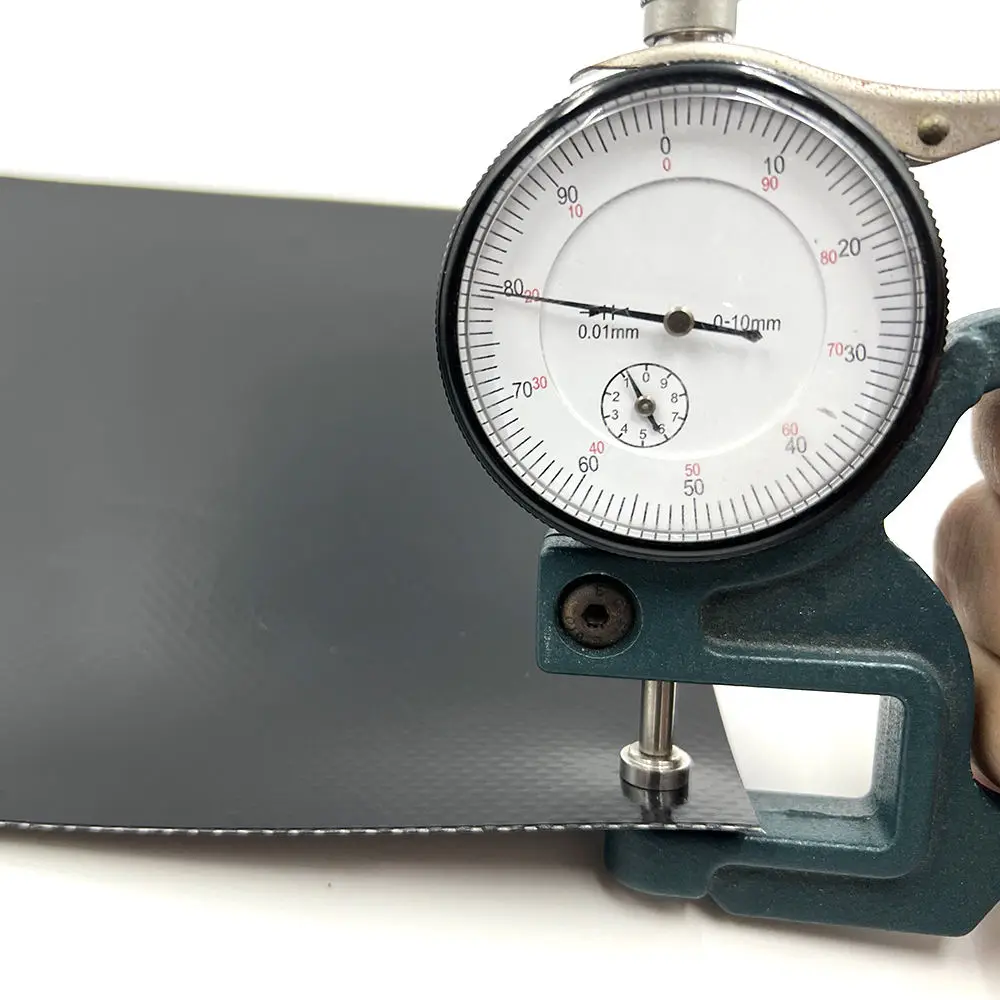
Roll-to-Roll Consistency — color, weight, and coating adhesion verified at every stage so bulk orders arrive uniform across the container load.
Technical Specifications
| Parameter | Value |
|---|---|
| Product Type | PVC Knife Coated Tarpaulin Roll |
| Coating Method | Knife Coated |
| Coating Material | PVC |
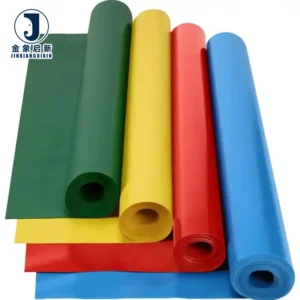
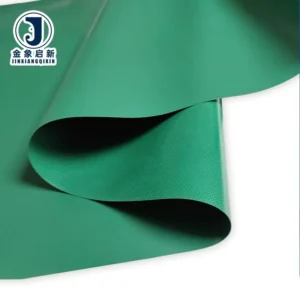
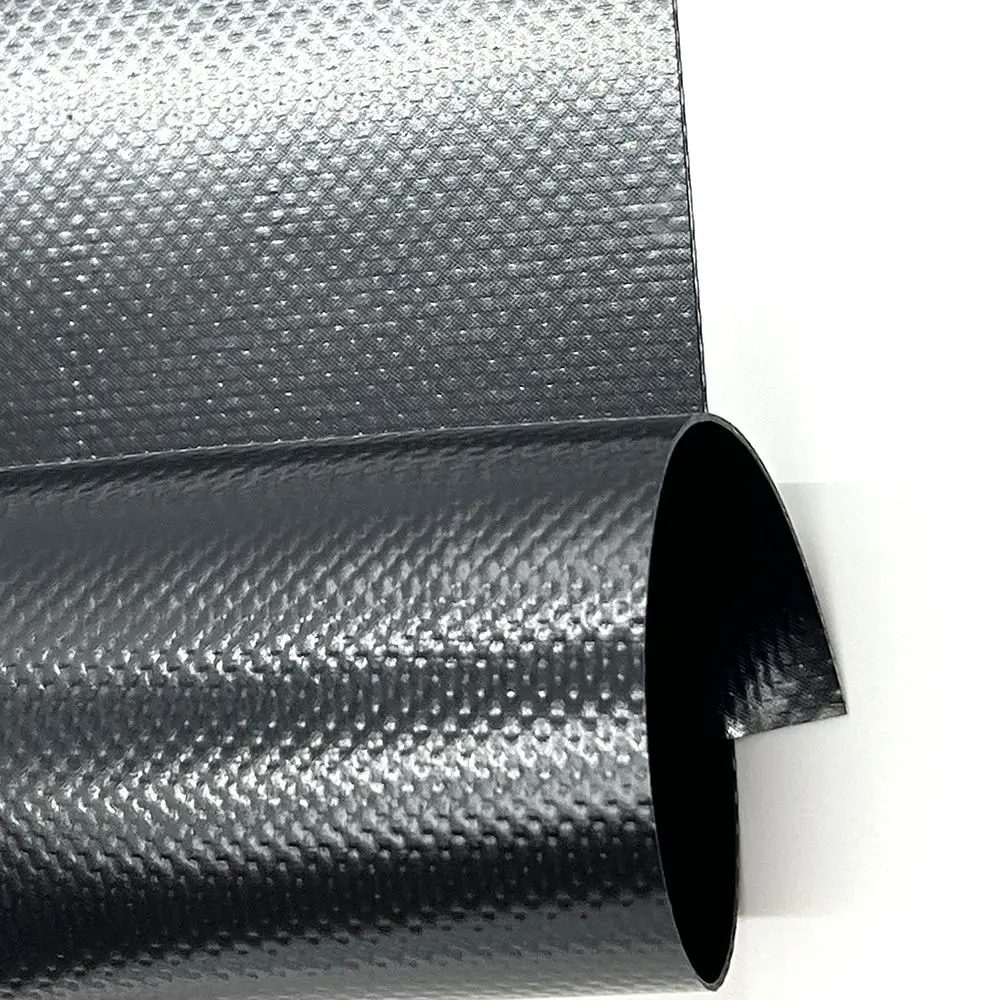
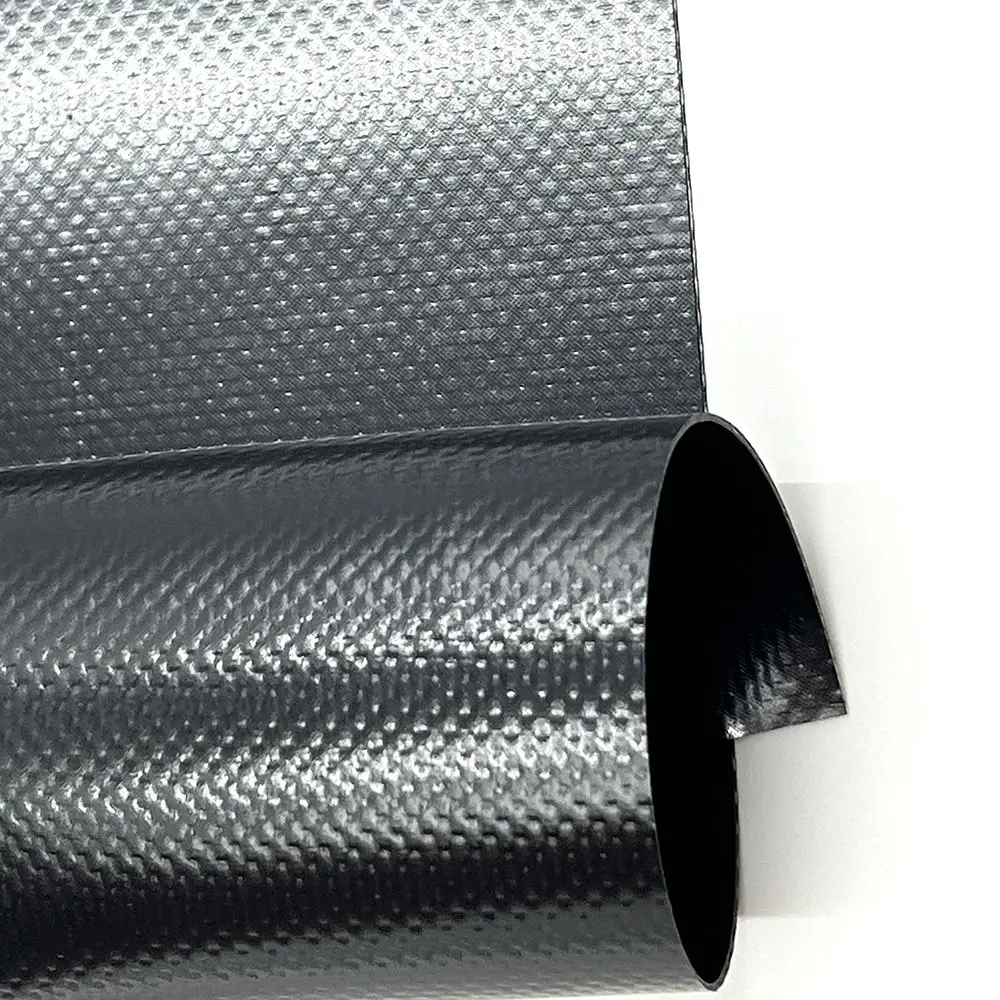
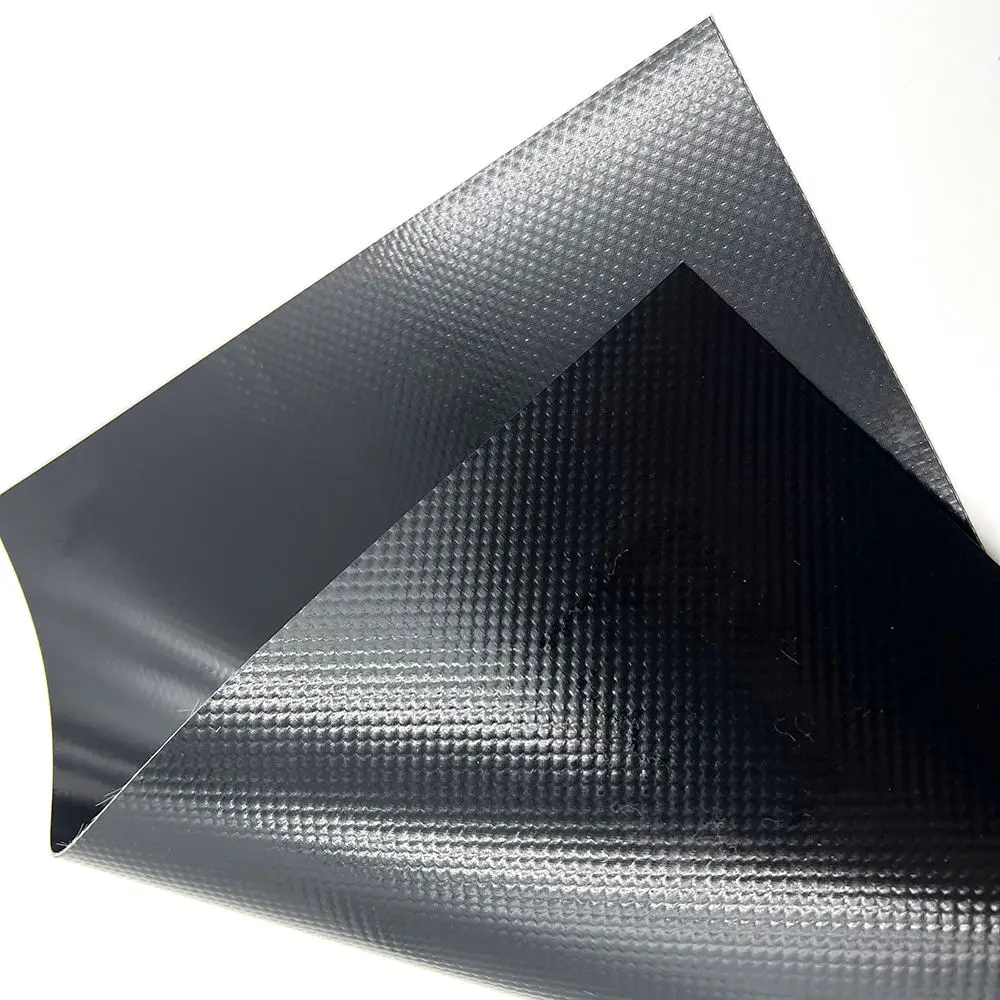
| Color | Gray |
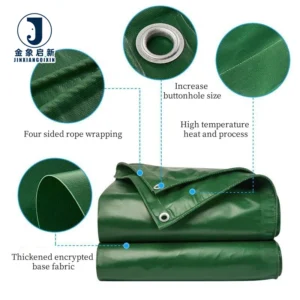
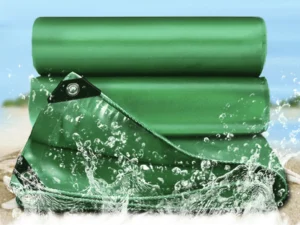
| Surface Treatment | UV resistant, antibacterial, mildew proof, oil and stain resistant, acid and alkali resistant |
| Fire Retardant | Fire retardant (grade not stated in source — confirm the grade required for your market) |
| Temperature Resistance | High temperature and cold resistant |
| Weather Resistance | Anti-oxidation, durable, self-cleaning |
| Flexibility | Highly flexible, crack resistant |
| Welding Options | HF, Hot Air, Sewing |
| Tensile Strength | Excellent tensile resistance (test standard not stated) |
| Tear Strength | Excellent tearing resistance (test standard not stated) |
| Peeling Resistance | Excellent peeling resistance (test standard not stated) |
| Certification | ISO, CE |
Application Suitability
| Application | Exposure & Requirement |
|---|---|
| Truck and trailer side curtains | Constant flexing at load points, road debris abrasion, weather and UV exposure |
| Tensile structures and shade systems | Sustained tension loading, sun exposure, wind-driven rain, color consistency across large panel runs |
| Portable storage structures | Repeated assembly and disassembly, ground contact, wind uplift forces |
| Airport hangar fabric walls | High wind load, fire safety compliance, large unsupported spans |
| Stadium architectural membranes | Permanent outdoor tension, UV degradation resistance, public fire code requirements |
Why Colour Drift Across Rolls Costs Fabricators More Than GSM Variance
Batch colour matching is controlled at the coating stage, not left to chance at the warehouse door.
When a transport fleet orders ten rolls of gray PVC tarpaulin roll for a trailer refurbishment program and three arrive slightly warmer in tone, the entire side curtain run looks mismatched once installed. Fabricators absorb the cost of re-cutting or face rejection at delivery. The problem is not the pigment formula alone — it is the dosing consistency at the coating head and the oven temperature profile across the production run [NEED_CITE: color measurement standards for coated textile batches]. Roll stock bought in volume demands that every roll in the container reads the same shade under daylight and artificial light alike.
How Knife Coating Delivers Stable Weight Across the Full Roll Length
The knife coating process meters liquid PVC onto the base fabric with a fixed blade gap, producing a uniform coating thickness from the first meter to the last. This matters for PVC tarpaulin roll wholesale buyers who cut multiple panels from a single roll — uneven coating weight causes some panels to feel stiff while others drape loosely, leading to inconsistent weld behaviour on the fabrication table. The gray pigment is dispersed into the PVC compound before coating, locking colour into the material itself rather than relying on a surface print layer that can abrade during transport or installation.
What Roll-to-Roll Uniformity Means at the Cutting Table
Fabricators running CNC or manual cutters need predictable material behaviour from one roll to the next. If the PVC knife coated tarpaulin roll stock varies in flexibility or surface tack, the cutter blade drags differently and panel dimensions shift by millimetres across the batch. Consistent coating adhesion and base fabric tension during production ensure that every roll unspools with the same hand feel and cutting resistance. This is especially important when fabricators are producing matched sets — truck covers for a fleet of identical trailers, or tensile membrane panels that must align at seam junctions on site [NEED_CITE: coated fabric tensile uniformity requirements for structural membrane fabrication].
Reading the Specification Sheet Beyond the Headline Numbers
Coating method determines far more than surface appearance. Knife coating forces PVC into the base fabric interstices under blade pressure, creating a mechanical lock that drives peeling resistance higher than laminated or calendered alternatives. This peeling strength directly affects how well welded seams hold when the finished cover flexes under load — a knife coated construction resists delamination at the weld line because the coating and base fabric behave as a single unit rather than two layers pulling apart. Tensile and tear resistance depend on the interplay between base fabric denier, mesh count, and coating weight; a heavier coating does not automatically produce a stronger fabric if the base fabric is loosely woven. Surface treatments such as anti-bacterial and mildew-proof finishes reduce biological growth in humid storage conditions, while the self-cleaning surface minimizes dirt accumulation on exposed structures, lowering long-term maintenance.
The Hidden Cost of Ordering Roll Stock Without Batch Traceability
A distributor receives a container of gray PVC tarpaulin rolls and ships them to three different customers. Months later, one customer returns a roll claiming it is lighter than quoted. Without a per-roll packing list linking each roll to its production batch and inspection record, the distributor cannot determine whether the roll was short-weighted at the factory or damaged in transit. Batch traceability also matters when a fabricator needs to reorder matching stock months later — without the original batch colour reference, the new shipment may arrive in a slightly different shade, forcing the fabricator to blend old and new stock across less visible panels [NEED_CITE: roll traceability requirements in textile distribution]. Specifying the wrong welding method for the coating type can also cause seams to fail prematurely; hot air welding parameters that work on a lighter PVC may burn through or under-bond on a heavier knife coated grade.
What This Supply Chain Delivers for Roll Buyers
Three full production lines running dedicated coating schedules allow bulk PVC knife coated tarpaulin roll orders to be fulfilled without splitting a single batch across different machines — a common source of roll-to-roll variation. The 36 sets of professional equipment include slitting and rewinding stations that control edge alignment and tension, preventing telescoped rolls that jam automated cutters. A 10-person R&D team develops custom colour matches and runs sample rolls within days, so buyers can approve shade and hand feel before committing to a full container order. Every roll undergoes inspection before dispatch, with results recorded against the roll number on the packing list. Knife coating process control over coating weight and adhesion is built on nearly 30 years of coated fabric production, giving buyers confidence that the material arriving at the dock matches the material specification sheet.
Documentation & Verification
- Material specification sheet stating GSM, base fabric construction, coating weight, and gray colour reference
- Roll packing list with per-roll identification numbers for batch traceability and inventory control
- Pre-shipment inspection record confirming every roll checked against specification before dispatch
- UV and fire retardant test reports provided where applicable to the grade specified on the order
- ISO and CE certificates covering production quality management for coated fabric products
Fabrication, Handling & Storage
- HF and hot air welding both compatible with this knife coated PVC — adjust temperature and speed to coating weight
- Store rolls upright on end caps to prevent flat-spot creases that show through on finished panels
- Self-cleaning surface tolerates mild detergent cleaning — avoid solvent-based cleaners that attack PVC plasticiser
- Unroll in ambient temperature conditions; cold-stiffened knife coated fabric may crack if forced open below freezing
- Plan cutting layout to minimize cross-grain panels where tear propagation follows the weft direction
- Reinforce tie-down and eyelet zones with additional PVC patches welded over the gray base fabric
Before You Request a Quote
Share the target application and exposure conditions so we can confirm the right grade and treatment package. If your market requires a specific fire retardant classification, state the standard and grade so we match the formulation. Let us know the required roll width, approximate annual volume, and whether you need finished cut sizes or roll stock only. Samples are available for colour and welding trials before full production begins.
Frequently Asked Questions
Q: How is GSM verified before shipment for each roll?
A: Every roll is weighed and measured during pre-shipment inspection, with the result recorded against the roll number on the packing list. The material specification sheet states the quoted GSM, base fabric denier, and coating weight so you can cross-check on arrival. We recommend cutting a measured sample from the roll end and weighing it to confirm the value matches your order documentation.
Q: Can I order custom width or a non-stock gray shade with a reasonable minimum?
A: Custom widths and colour matches are available, with minimums depending on the coating line setup and pigment batch size. Our R&D team produces sample rolls for approval before full production, typically within days. Provide the target Pantone or RAL reference and the required roll width, and we will confirm the minimum run length and lead time for your specification.
Q: Will colour be consistent across all rolls in one container?
A: Colour consistency is controlled at the pigment dosing and coating stage, with the entire batch produced on a single line under the same oven profile. Roll-to-roll shade variation is checked during inspection, and we can supply swatches from multiple rolls in the batch for your approval before dispatch. This ensures uniform appearance when panels are installed side by side on site.
Q: What welding methods work best with this knife coated PVC fabric?
A: High-frequency welding, hot air welding, and industrial sewing are all compatible with this knife coated construction. HF welding produces the strongest seam for structural and truck cover applications, while hot air suits curved or irregular joins. Sewing is used where mechanical fastening is preferred. We recommend running weld trials on sample material to dial in temperature and speed settings for your specific equipment.
Q: What documentation ships with the roll stock order?
A: Each shipment includes a material specification sheet, roll packing list with individual roll numbers, pre-shipment inspection record, and certificates of origin. UV and fire retardant test reports are provided where applicable to the grade ordered. ISO and CE certificates covering the production facility are available on request for customs and compliance submissions.