Description
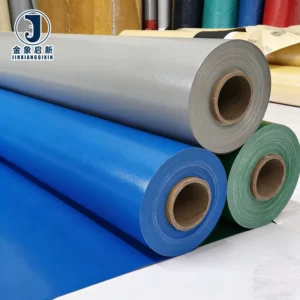
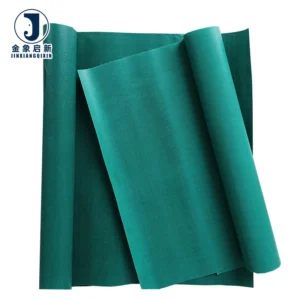
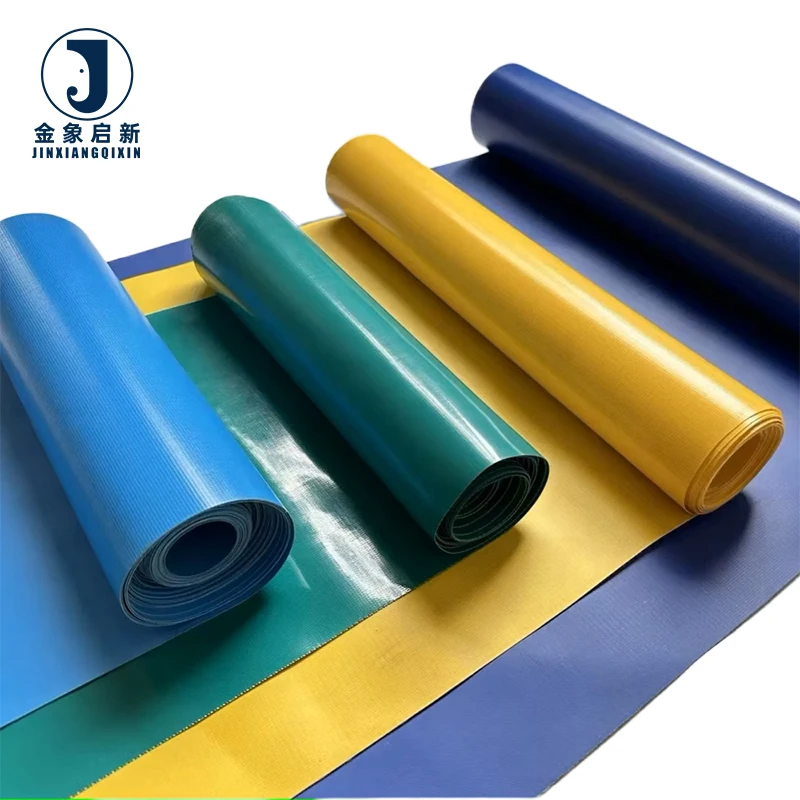
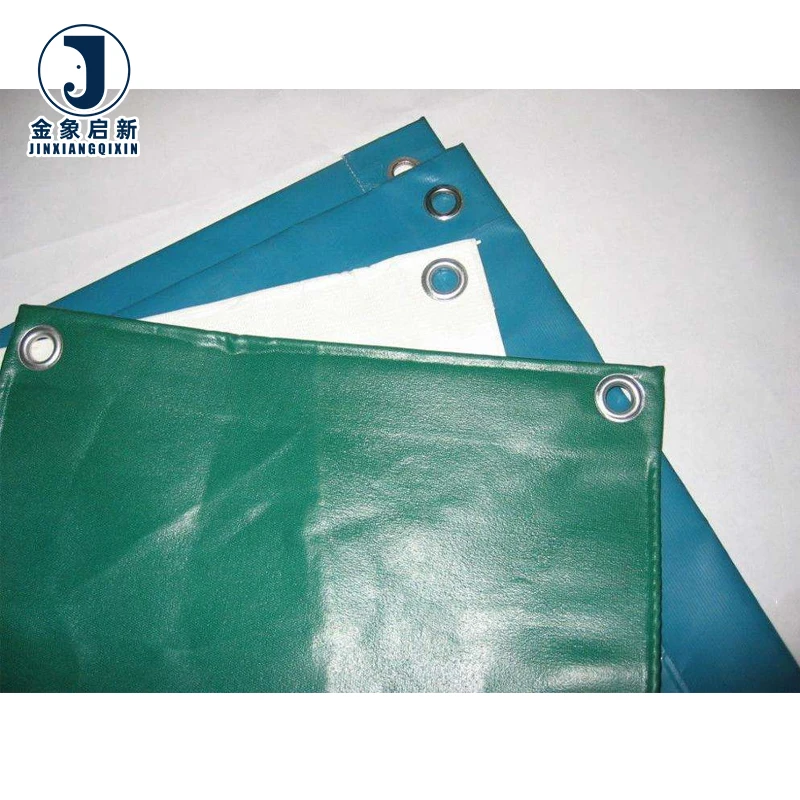
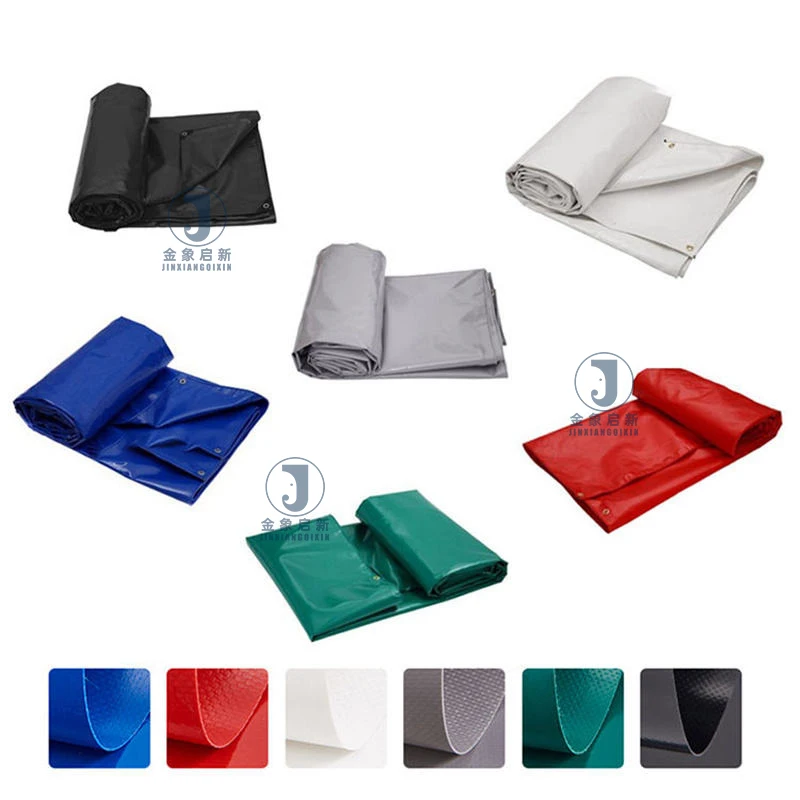
Batch Colour Consistency — verified at coating stage through dedicated QA inspection across every roll in the shipment, preventing visible shade variation once installed side by side.
Technical Specifications
| Parameter | Value |
|---|---|
| Product Type | PVC Coated Tarpaulin Roll |
| Weight (GSM) | 250gsm–1500gsm (confirm grade for your order) |
| Base Fabric Denier | 200DX300D, 500DX500D, 840DX840D, 1000DX1000D |
| Coating Material | PVC |
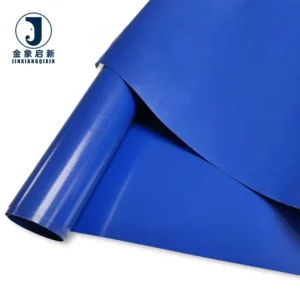
| Finish | Glossy or matte |
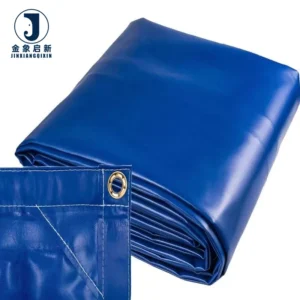
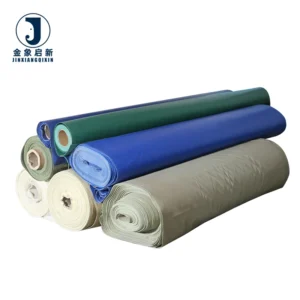
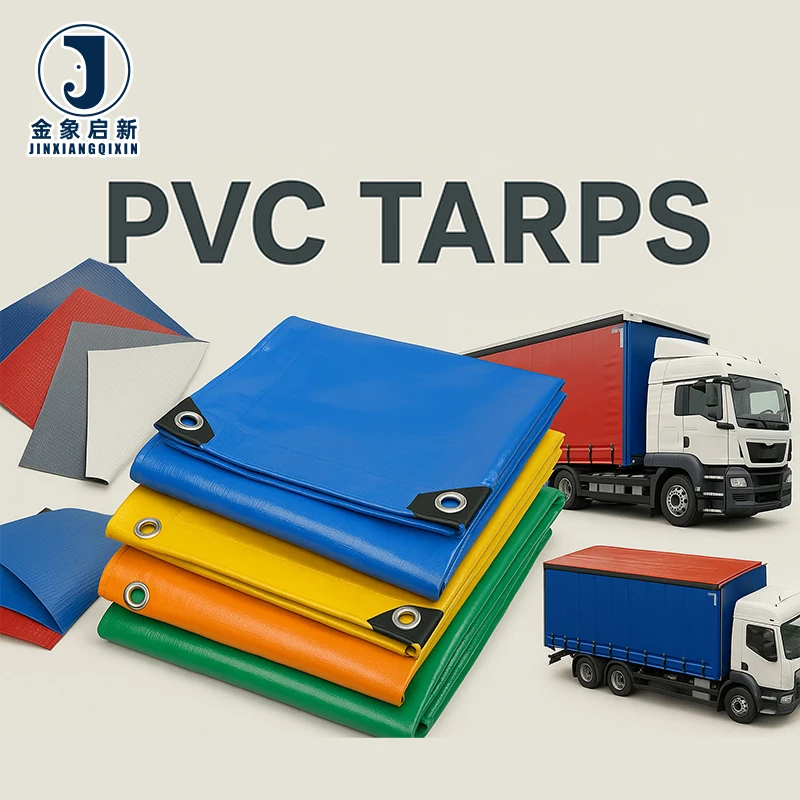
| Colour | Blue, yellow, black, green, white (custom colours available) |
| Temperature Range | -15ºC to 70ºC |
| Flame Retardant | Available in flame retardant grades — confirm the grade required for your market |
| UV Treatment | Customised — test basis to be confirmed at inquiry |
| Waterproof | Yes |
| Anti-Fungal | Anti-fungal treated |
| OEM/ODM | Accepted |
Application Suitability
| Application | Exposure & Requirement |
|---|---|
| Tarpaulin distributor stock | Bulk roll-to-roll consistency, mixed GSM grades in one container, reliable colour matching across reorder batches |
| Tent, awning and inflatable manufacturing | Stable GSM and coating adhesion for cutting and welding, matte or glossy finish per design brief |
| Fabricator producing finished covers | Flat, wrinkle-free rolls for CNC or manual cutting, repeatable denier across the order to hold weld parameters |
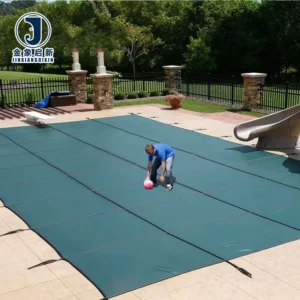
| Agricultural and aquaculture pond lining | Permanent water contact, anti-fungal treatment to prevent membrane degradation in wet environments |
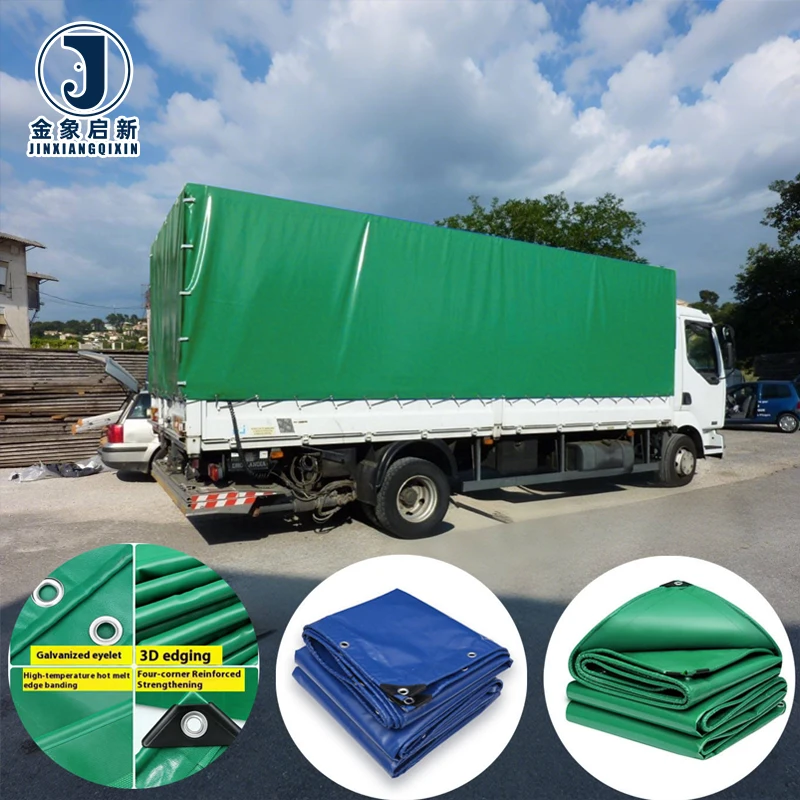
| Construction site and equipment covers | Abrasion from wind-blown debris, repeated handling and folding, UV exposure over extended outdoor storage |
Why Roll-to-Roll Colour Match Matters More Than You Think
Colour drift within a single shipment is the fastest way to lose credibility with your own downstream customer.
When tarpaulin rolls arrive with visible shade differences, the fabricator is forced to cull or sort before cutting — adding labour, creating waste, and delaying the build. Distributors who sell by the roll face returns and complaints when two rolls bought in the same order look different hanging side by side on a retailer’s shelf [NEED_CITE: colour measurement tolerances for coated fabric batches per industry standards]. The problem is almost always rooted in inconsistent pigment dispersion at the coating stage, not in the dye formula itself. Controlling colour at every production pass, rather than sampling only the first roll, is what separates PVC tarpaulin roll wholesale suppliers worth working with from those who are not.
Container-Load Planning for Importers and Distributors
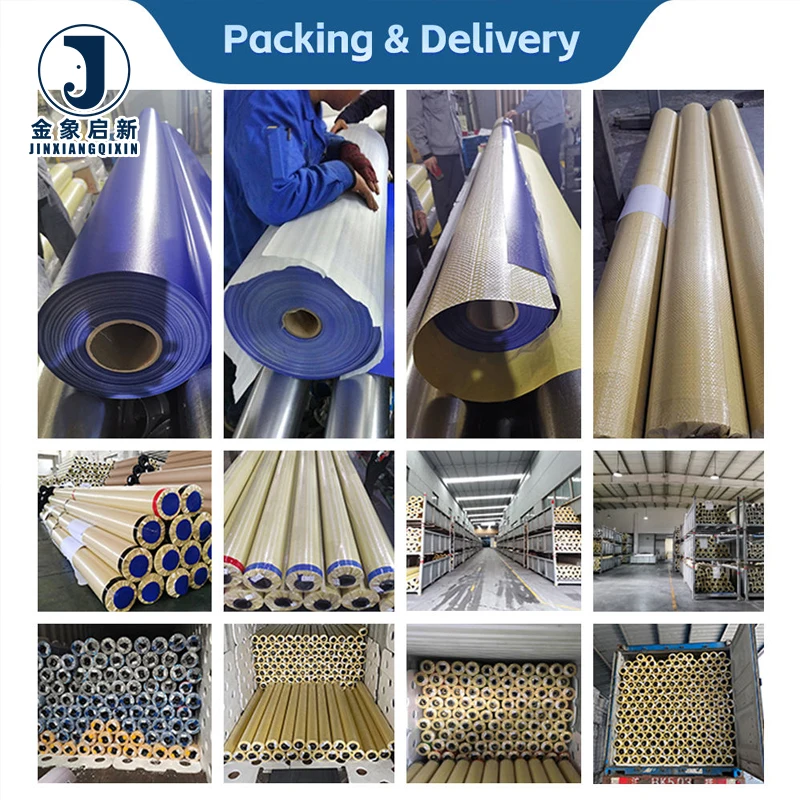
Ordering a full container of PVC tarpaulin roll wholesale stock demands careful load planning. Rolls vary in diameter and weight depending on GSM, denier, and roll length, so the number of rolls per 20-foot or 40-foot container shifts accordingly. A well-structured packing list specifies roll count, net weight per roll, and total payload so that customs clearance and freight cost allocation are straightforward. Mixed-grade containers — combining lighter 250gsm–450gsm rolls with heavier 900gsm–1500gsm options — let distributors stock a full product family in a single shipment without overcommitting to one grade.
How Batch Consistency Protects Your Fabrication Line
Fabricators running automated welding or cutting equipment depend on repeatable material behaviour from roll to roll. When denier and coating weight drift between batches, weld temperature and pressure settings that worked on the last order may produce weak seams or scorch marks on the next [NEED_CITE: tensile and tear test methods for coated fabrics per ISO 1421]. This PVC tarpaulin roll wholesale range covers denier options from 200DX300D through 1000DX1000D, each held to controlled coating parameters so that your machine settings remain valid across reorders. Roll-to-roll QA checks on weight and thickness give fabricators confidence that the material arriving at their dock behaves like the sample they approved.
Reading the Spec Sheet: What GSM, Denier, and Finish Actually Mean
GSM alone tells an incomplete story. A 650 GSM roll woven at 500DX500D behaves differently from one at 840DX840D: the higher denier base fabric distributes stress across thicker yarns, yielding better tear propagation resistance even at the same weight. Coating adhesion — the bond between the PVC layer and the polyester base — governs how well the material holds together at welded seams and cut edges. Glossy finishes shed water and dirt more readily and are easier to wipe clean on site, while matte finishes reduce glare and provide better ink adhesion for printed branding. The stated temperature range of -15ºC to 70ºC defines the operational window; below that lower limit, PVC stiffens and becomes susceptible to cracking when folded or creased under load.
The Hidden Cost of Specifying the Wrong Grade
Selecting a roll based only on the lowest acceptable GSM often leads to premature failure at the point of greatest mechanical stress — typically the welded seam or the fold line where the cover flexes in wind. Distributors who stock a single light-duty grade across all customer segments face complaints when the fabric is used in heavy-duty contexts it was never designed for [NEED_CITE: coated fabric failure modes related to GSM and application mismatch]. Similarly, ordering flame retardant fabric without confirming the specific grade required by local regulation results in material that fails inspection and must be replaced at the buyer’s expense. Colour inconsistency across rolls in the same production run forces fabricators to sort and waste material rather than cutting straight from the roll.
Why Source PVC Tarpaulin Rolls Here
Three full production lines and 36 sets of professional equipment provide the capacity to fill container-load orders with consistent lead times. A dedicated 10-person R&D team handles custom colour matching, width specification, and sample development within days rather than weeks. Every production stage includes in-process quality checks, with 100% inspection before dispatch — not just first-article sampling. ISO and CE certification underpins the documentation package that accompanies each shipment. Nearly 30 years of focused production experience in PVC coated fabric means process parameters for coating weight, adhesion, and colour dispersion are controlled through institutional knowledge, not trial and error.
Documentation & Verification
- Material specification sheet stating GSM, base fabric denier, and coating type per roll batch
- Pre-shipment inspection record with roll-by-roll weight verification against quoted GSM
- Roll packing list detailing roll count, net weight, and container loading plan
- Colour reference swatch with batch consistency confirmation before dispatch
- UV and flame retardant test reports where applicable to the selected grade
- Certificate of origin and customs documentation for international shipment
Fabrication, Handling & Storage
- Weld temperature and dwell time should be adjusted based on the specific GSM and coating thickness of the roll grade received
- Store rolls horizontally on racking to prevent flat spots and coating creases that distort during cutting
- Unroll and allow material to acclimatise at workshop temperature before cutting, especially when rolls arrive from cold transit conditions
- Matte finish rolls accept solvent-based and UV-cured inks more reliably than glossy; confirm ink compatibility with sample prints
- Anti-fungal treated grades for pond lining should not be cleaned with chlorine-based agents that may degrade the treatment layer
- Cut edges on heavier denier grades (840DX840D, 1000DX1000D) should be sealed or hemmed to prevent yarn fraying under load
What We Need to Quote Your Roll Stock Accurately
Provide the GSM range and denier options your market requires, along with target roll widths and lengths per grade. Specify whether you need flame retardant or UV-treated grades, and which certification standard your market demands. Confirm colour references or Pantone codes if batch-matched custom colours are required. Let us know your annual volume estimate and preferred container loading mix so we can structure pricing tiers and lead time commitments accordingly.
Frequently Asked Questions
Q: How is GSM verified on each roll before shipment?
A: Every roll is weighed and measured against the quoted GSM during pre-shipment inspection. A roll-by-roll verification record is generated and included in the documentation package. If any roll falls outside tolerance, it is replaced before packing. You receive the inspection record with your shipment for your own receiving check.
Q: What is the minimum order for custom width or colour?
A: Custom widths and colours carry minimums that vary depending on the specific GSM and denier combination. Standard widths and stock colours have lower thresholds. Contact us with your required specification and target quantity, and we will confirm the minimum alongside lead time for your particular combination.
Q: How do you ensure colour consistency across multiple rolls?
A: Pigment dispersion is controlled at the coating stage with in-process checks throughout the production run. Finished rolls are inspected side by side under controlled lighting before packing. A colour reference swatch from the approved batch is retained and shipped with the order so you can verify consistency on arrival.
Q: Can different grades and widths be mixed in one container?
A: Yes. Mixed containers are a standard option for distributors and importers stocking multiple product lines. The packing list details roll count, grade, width, and net weight per item. Container loading is planned to maximise payload while protecting rolls from compression damage during transit.
Q: What documentation comes with each roll shipment?
A: Each shipment includes a material specification sheet, pre-shipment inspection record, roll packing list, and certificate of origin. Flame retardant and UV test reports are provided where applicable to the grades ordered. All documents support customs clearance and downstream compliance requirements in your market.