Description
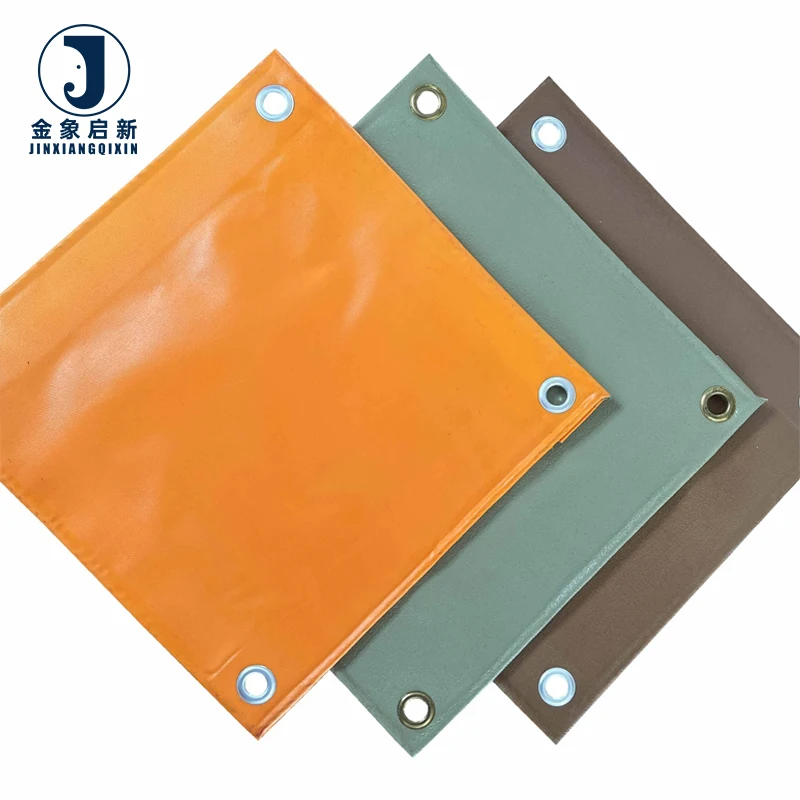
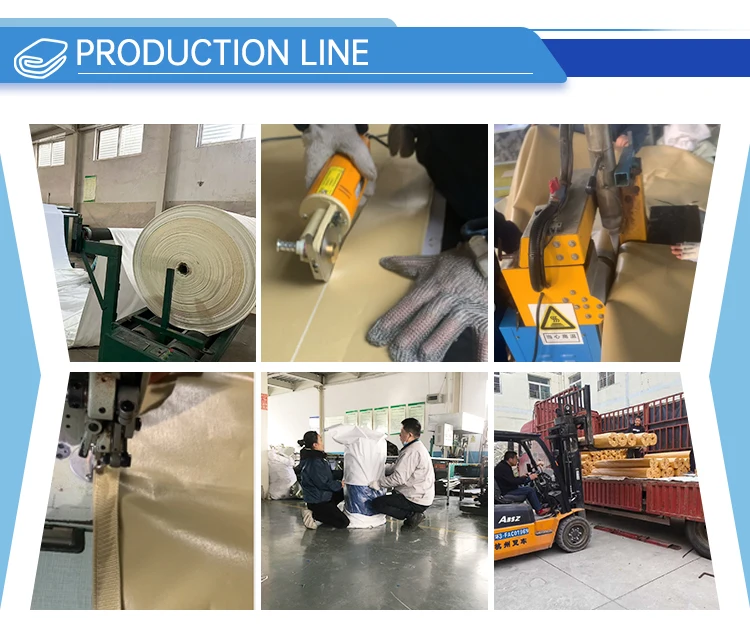
Roll-to-Roll Consistency — Every batch of anti-static printable PVC coated tarpaulin is weighed and inspected per roll before dispatch, with a pre-shipment record confirming the quoted GSM and colour match.
Technical Specifications
| Parameter | Value |
|---|---|
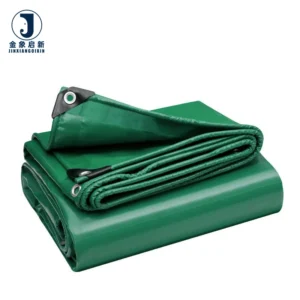
| Product Type | PVC Coated Tarpaulin Roll |
| Base Fabric | 100% high toughness polyester yarn |
| Coating Material | PVC |
| Coating Technology | Lamination technology and hot melt coating technology |
| Weight Options | 400-500 GSM (medium-duty) / 700-1000 GSM (heavy-duty) / 1100-1500 GSM (super heavy-duty) |
| Base Fabric Denier | 500D / 1000D / 500D-2000D |
| Thickness | 0.35-0.45 mm (medium) / 0.70-1.0 mm (heavy) / 1.2-1.5 mm (super heavy) |
| Tensile Strength (Medium) | Longitude 1500-2000 / Latitude 1200-1800 N/5cm |
| Tensile Strength (Heavy) | Meridian 2000-2500 / Latitude 1800-2200 N/5cm |
| Tensile Strength (Super Heavy) | Warp 2500-3000 / Weft 2200-2800 N/5cm |
| Cold Crack Resistance | -30°C |
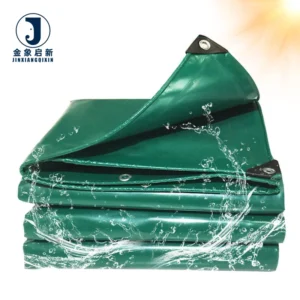
| Waterproof | Yes |
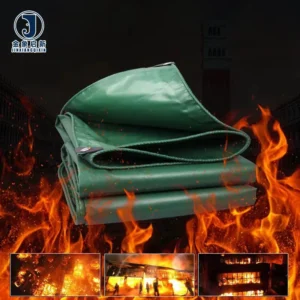
| Key Features | Anti-static treatment available, flame retardant grades available (confirm grade for your market), anti-UV treatment available, mold proof, excellent welding tear strength, best color fastness |
| Standards | ISO, CE |
Application Suitability
| Application | Exposure & Requirement |
|---|---|
| Exhibition booth and event backdrop | Indoor lighting, close viewer proximity, static-sensitive printing surfaces, frequent setup and teardown |
| Tarpaulin distributor roll stock | Regional warehouse storage, resale in varied widths, batch colour matching across multiple orders |
| Truck tarpaulin fabrication | Constant road vibration, UV exposure, weather cycling, flexing at load points |
| Tent and awning manufacturing | Tensioned structural loads, prolonged outdoor weather, weld seam integrity |
| Inflatable and membrane structures | Internal air pressure, continuous stress on coated surface, airtight seam requirements |
Why Colour Varies Between Rolls in the Same Shipment
Colour drift between rolls is a coating process control issue, not a dye issue.
When a PVC coated tarpaulin roll wholesale order arrives and the fabric looks different from one roll to the next, the problem traces back to inconsistent coating weight or temperature variation during lamination. Even a slight shift in the hot melt coating temperature alters how the PVC layer sets on the polyester base, producing a visible shade change once the rolls are installed side by side. For distributors reselling to exhibition fabricators or tent manufacturers, this kind of batch inconsistency forces re-sorting, returns, and damaged credibility with downstream buyers. [NEED_CITE: coating weight variation and colour consistency in PVC laminated fabrics]
How Roll Stock Grading Supports Your Inventory Mix
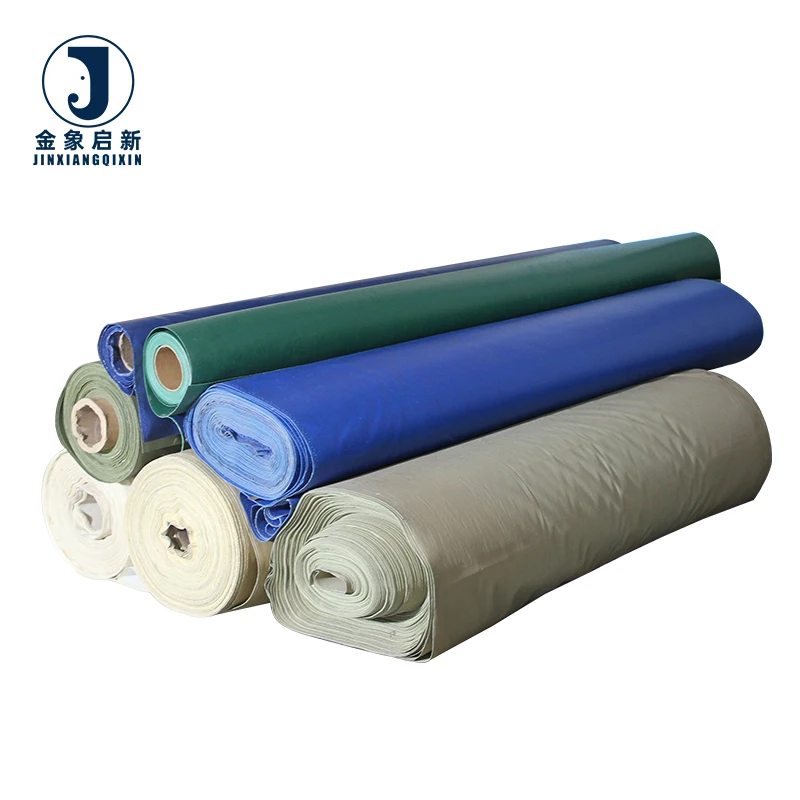
Stocking PVC coated tarpaulin rolls across three weight tiers — 400-500 GSM for exhibition backdrops, 700-1000 GSM for transport covers, and 1100-1500 GSM for heavy engineering applications — lets a single supply source cover your full product catalogue. Each tier pairs a specific base fabric denier with matched coating weight, so the tensile and tear properties align with the end use rather than relying on coating thickness alone. This PVC coated tarpaulin roll wholesale range means you can consolidate container orders instead of sourcing light and heavy grades from different mills.
Batch Consistency Across Container-Load Volumes
Roll-to-roll colour and GSM consistency is where bulk purchasing either works or breaks down. The lamination and hot melt coating technology used here controls coating adhesion and weight distribution across the full web width, reducing the variation that shows up when rolls from the same order are laid out together. For importers loading a full container, the PVC coated tarpaulin roll wholesale shipment is inspected with a documented pre-shipment record that logs the weight and colour check per roll before it leaves the facility. [NEED_CITE: pre-shipment inspection protocols for coated textile rolls]
What the Specification Sheet Actually Tells You
The base fabric denier and knitting density work together with coating weight to determine real-world performance. A 500D yarn at 400-500 GSM produces a flexible, lightweight fabric suited to exhibition backdrops where drape and print surface matter more than tear resistance. Moving to 1000D at 700-1000 GSM increases the polyester yarn count per square centimetre, which directly raises the meridian and latitude tensile values — this is the grade that truck cover fabricators reach for. At the super heavy end, 500D-2000D denier with 1100-1500 GSM coating delivers the warp and weft strength needed for tensioned membrane structures and industrial pipe canopies. The coating method — lamination versus hot melt — affects peel strength between the PVC layer and the base fabric, which determines how well the material holds up at heat-welded seams under load.
The Hidden Cost of Underspecifying Roll Stock
Ordering a lower GSM than the application demands is the most common specification error in bulk fabric purchasing. A 400-500 GSM roll used for a truck side curtain will flex and abrade at the tie-down points far faster than a 700-1000 GSM grade, but the failure shows up months after installation, not at delivery. Similarly, specifying anti-static treatment without confirming the surface resistance value means the exhibition backdrop may attract dust during printing, ruining large-format graphics before the booth is even assembled. Flame retardant claims without a stated grade lead to failed site inspections in markets that require specific certifications. [NEED_CITE: coated fabric specification errors and field failure patterns]
What This Supply Source Delivers for Bulk Buyers
Three full production lines and 36 sets of professional equipment provide the capacity to fill container-load PVC coated tarpaulin roll wholesale orders with consistent lead times. A 10-person R&D team handles custom width requests, colour matching, and sample development within days rather than weeks, so you can confirm the grade before committing to bulk. Dedicated QA/QC runs at every production stage, with 100% inspection before shipment — not a sampling protocol, but a roll-by-roll check backed by documentation. Deep process control over coating weight and adhesion means the GSM stated on your quotation is the GSM you receive, verified on the pre-shipment inspection record.
Documentation & Verification
- Material specification sheet listing GSM, base fabric denier, coating method, and colour reference for every roll grade in your order
- Pre-shipment inspection record confirming actual roll weight against the quoted GSM before container loading
- Roll packing list with individual roll count, net weight, and container loading plan for shipment tracking
- Test reports for anti-UV and flame retardant grades issued where applicable — no performance claims without supporting data
- Certificate of origin and customs documentation package prepared for international import clearance
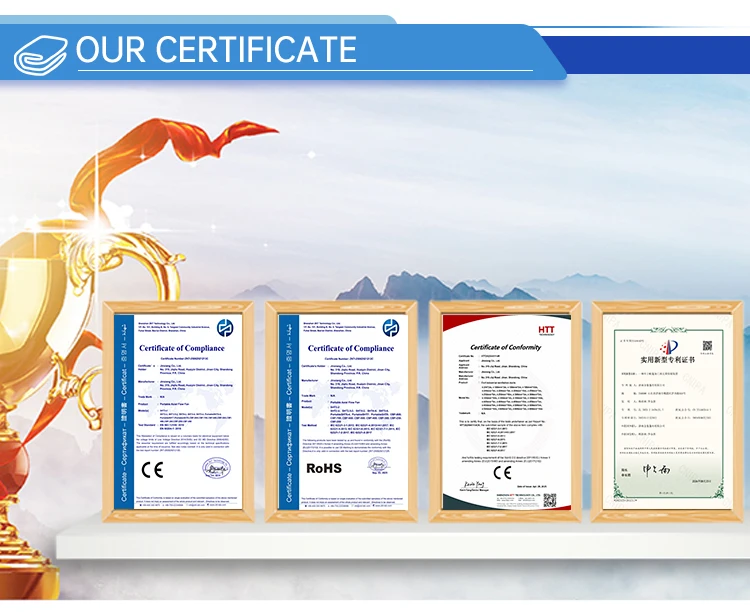
- ISO and CE certificates included with every shipment
Fabrication, Handling & Storage
- Heat-weld seams at temperatures matched to the specific coating technology — lamination and hot melt coatings respond differently to thermal input
- Store rolls upright on pallets in a dry warehouse to prevent flat-spot deformation on the PVC coating surface
- Allow cold-stored rolls to acclimate to workshop temperature before unrolling to avoid cracking below -30°C cold crack threshold
- Plan cutting layouts around the available roll width to minimise offcut waste across medium and heavy-duty grades
- Use anti-static grade rolls for digital and screen printing to prevent dust attraction on the print surface
- Clean finished products with mild detergent only — solvent-based cleaners degrade the PVC coating layer over time
Preparing Your Roll Stock Inquiry
To get an accurate quotation with lead time and minimum order details, share the application your customers use the fabric for, the GSM range you typically stock, and any special treatment requirements such as anti-static or flame retardant grades for your market. Confirm whether you need standard widths or custom roll widths, and whether colour matching across multiple orders is a priority. If printable grades are required for exhibition backdrop use, specify the printing method so the correct surface finish is recommended.
Frequently Asked Questions
Q: How is GSM verified on each roll before shipment?
A: Every roll is individually weighed during the pre-shipment inspection. The actual weight is recorded against the quoted GSM on an inspection report that ships with your documentation. Rolls that fall outside the stated tolerance are flagged and replaced before container loading, so the PVC coated tarpaulin roll wholesale order you receive matches what you ordered.
Q: What is the colour consistency control process across rolls in the same order?
A: Coating temperature and weight are monitored throughout each production run. Rolls from the same batch are compared under controlled lighting before packing. If your order spans multiple production runs, the colour reference from your approved sample is used as the benchmark to match each roll against before it is cleared for dispatch.
Q: What custom widths and roll lengths are available, and what are the minimums?
A: Custom widths are available across all three weight tiers, subject to production line capability and minimum order quantities. The R&D team develops a sample roll in your requested width within days so you can test fabrication and yield before committing to a full PVC coated tarpaulin roll wholesale order. Contact the sales team with your target dimensions for a specific quotation.
Q: How is container loading planned by roll count and weight?
A: A detailed roll packing list is prepared before dispatch, showing the number of rolls, individual and total net weight, and the container loading plan. This allows you to confirm utilisation of the container space and verify the shipment on arrival. Heavy-duty grades load fewer rolls per container due to higher per-roll weight.
Q: What documentation is provided for customs clearance at destination?
A: Each shipment includes a certificate of origin, commercial invoice, packing list, and the material specification sheet. ISO and CE certificates are provided as standard. For markets requiring proof of specific treatments such as anti-UV or flame retardant grades, the corresponding test reports are included when those treatments are specified on your order.