Description
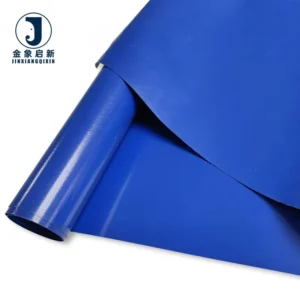
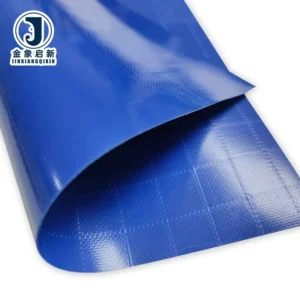
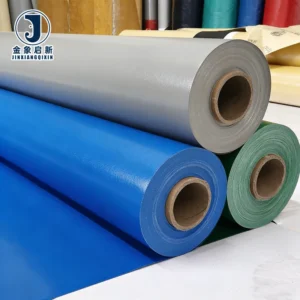
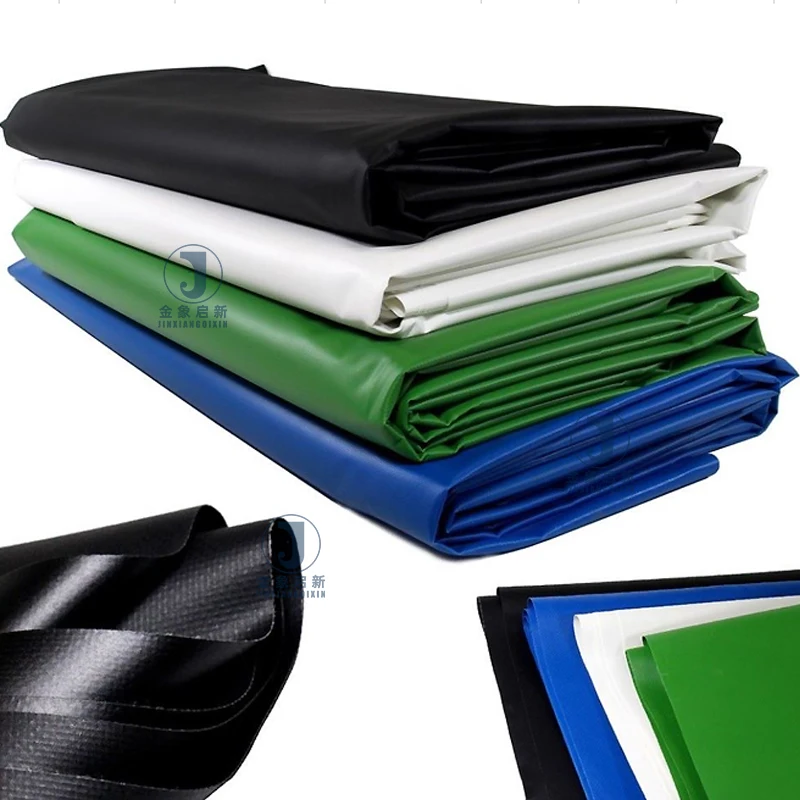
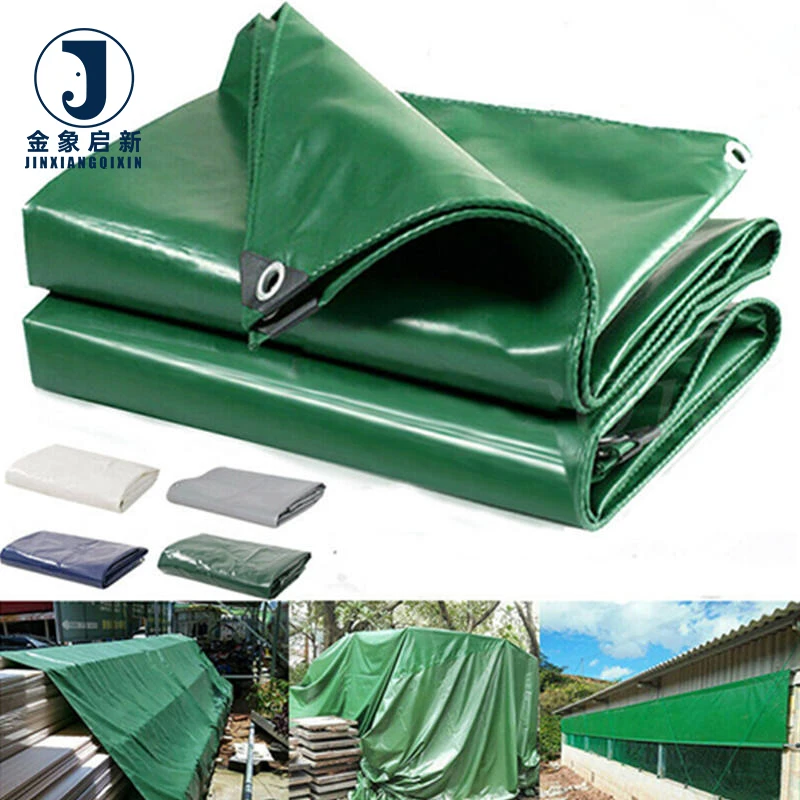
Production consistency — Hot-melt coated 650gsm PVC tarpaulin roll stock dispatched with verified GSM per roll and matched colour reference across the entire container load.
Technical Specifications
| Parameter | Value |
|---|---|
| Product Type | PVC Coated Tarpaulin Roll |
| Weight | 650 GSM |
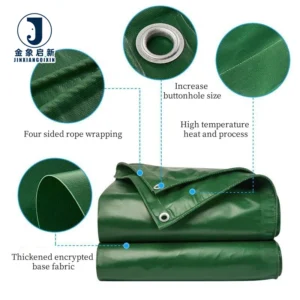
| Base Fabric | 100% high tenacity polyester yarns |
| Coating Material | PVC |
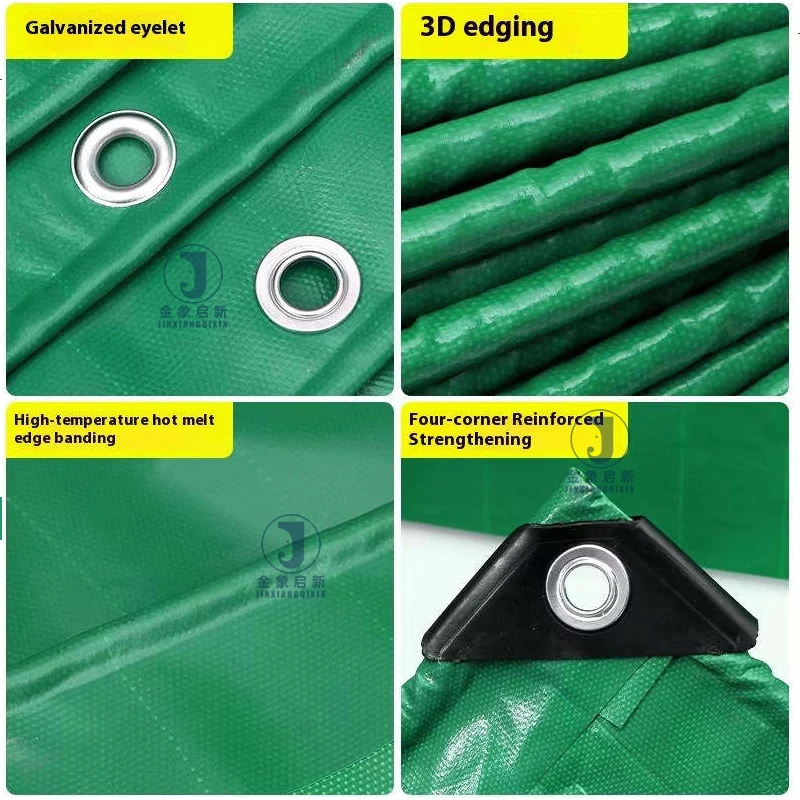
| Coating Method | Laminated technology & Hot-melt Coating technology |
| Waterproof | Yes |
| Cold Crack Resistance | Yes |
| Anti-Mildew | Yes |
| Anti-Static | Available — confirm certification required for your market |
| Flame Retardant | Available in flame retardant grades — confirm the grade required for your market |
| Anti-Cold | Available |
| Color Fastness | High — test basis not stated in source |
| Outdoor Service Life | Extended outdoor exposure (manufacturer stated 3-5 years — verify against project conditions) |
| Digital Printing | Compatible |
| Certifications | ISO, CE |
Application Suitability
| Application | Exposure & Requirement |
|---|---|
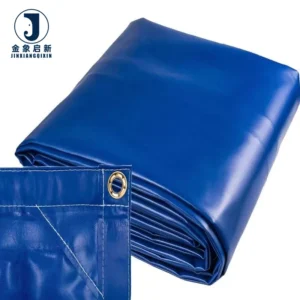
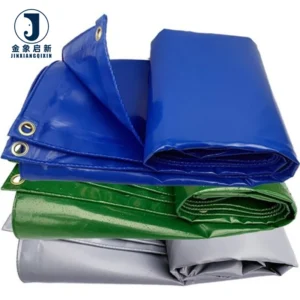
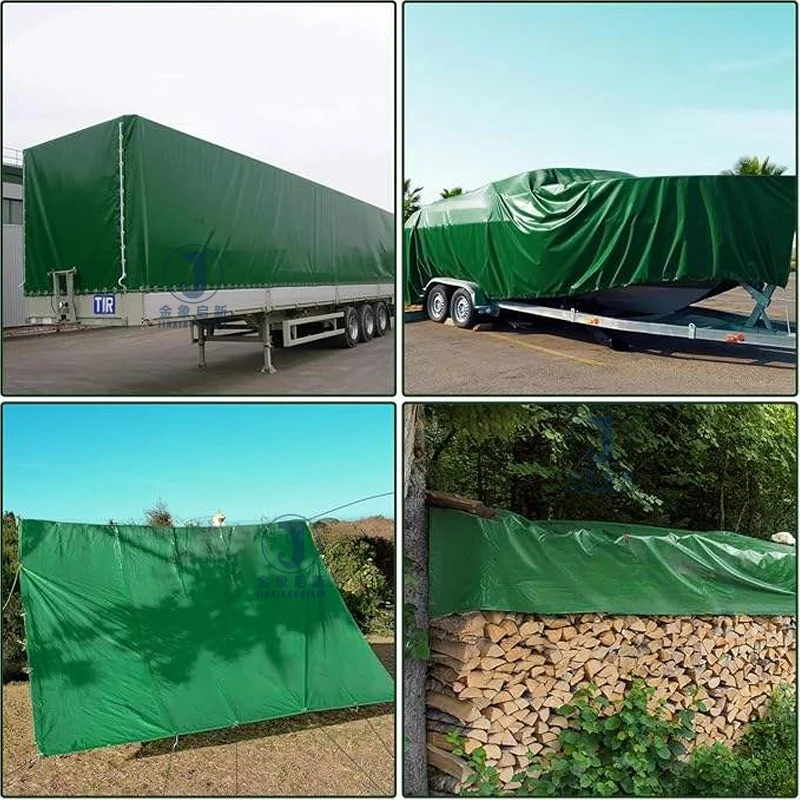
| Truck and trailer side curtains | Constant flexing, road abrasion, weather and UV exposure, tie-down stress at eyelets |
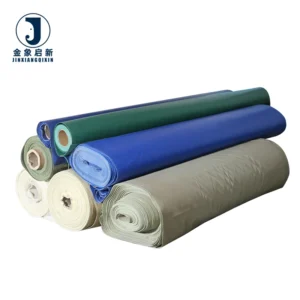
| Tarpaulin distributor stock inventory | Volume purchasing by container, batch colour consistency, predictable roll dimensions for resale |
| Tent and awning fabrication | Welding and seaming across multiple panels, colour matching on adjacent installed sections |
| Pick-up truck bed covers and caravan awnings | Repeated folding, outdoor weathering, consumer-facing finish quality |
| Advertising digital printing | Surface smoothness, ink adhesion, wide-format roll width for large print runs |
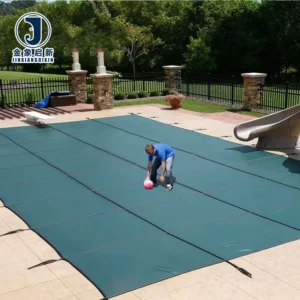
| Waterproof industrial covers | Continuous moisture contact, mechanical handling, mildew risk in storage |
Why Roll-to-Roll GSM Consistency Matters More Than the Quoted Number
A 650gsm PVC tarpaulin roll that arrives lighter than the spec sheet is not just a quality miss — it changes the structural behaviour of every cover cut from it.
When a tarpaulin distributor orders a full container of PVC Coated Tarpaulin Roll wholesale, the quotation states a target weight and the buyer plans product pricing around that figure. If individual rolls arrive below the stated GSM, the tensile and tear performance shifts downward, welding parameters may no longer hold, and end users experience premature failure at stress points. [NEED_CITE: relationship between coating weight and tensile performance in PVC coated fabrics]. The gap between quoted and delivered weight is rarely caught until the fabric is cut, weighed and compared — by which time the container is cleared and the loss sits with the importer.
Hot-Melt Coating and What It Means for Bulk Roll Orders
Hot-melt coating technology bonds the PVC layer to the high tenacity polyester base fabric under heat and pressure, producing a uniform coating weight across the full roll width. This process gives the 650gsm PVC tarpaulin roll stock reliable adhesion that holds up during high-frequency welding and seam fabrication. For wholesale buyers loading containers with roll stock, this uniformity means predictable behaviour on the cutting table and consistent welding temperatures from the first roll to the last in a production run.
Colour Matching Across a Multi-Roll Shipment
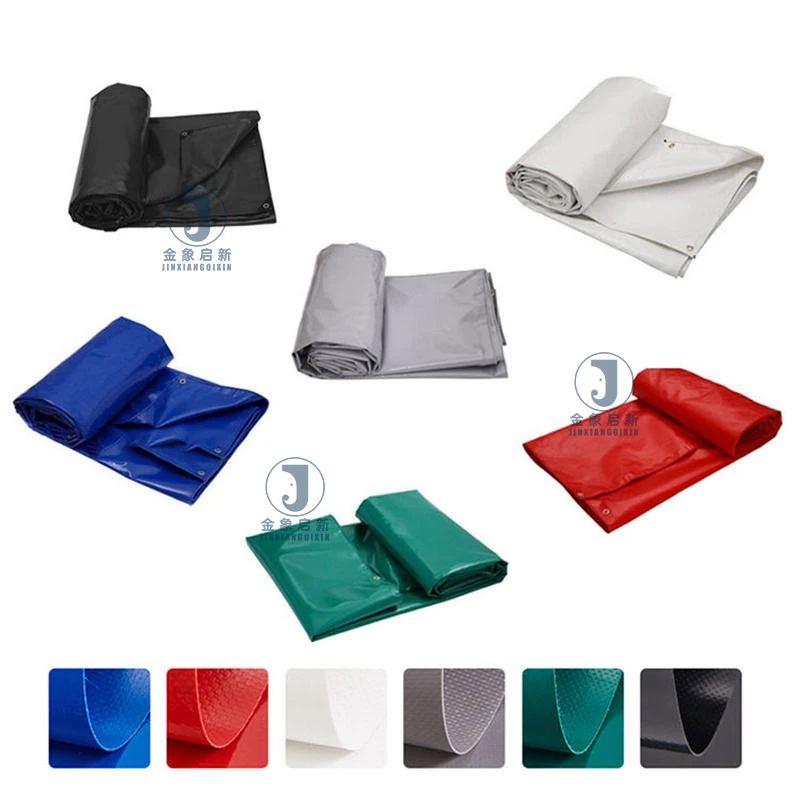
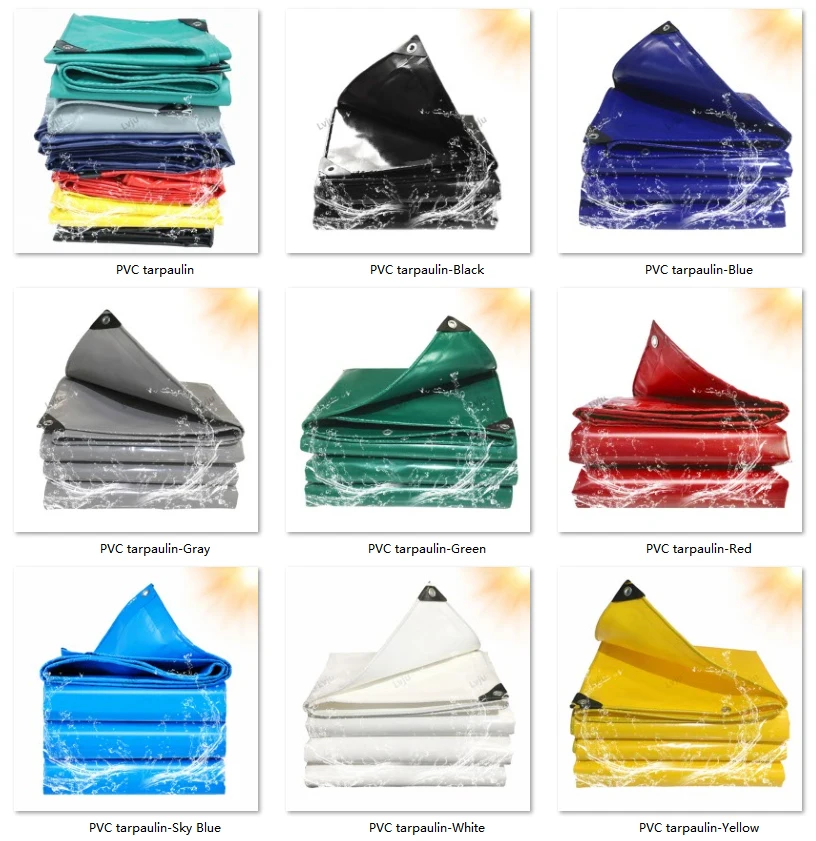
Colour drift between rolls in the same shipment becomes visible the moment two panels are installed side by side on a tent, awning or truck curtain. Every production batch references a confirmed colour standard, and pre-shipment inspection includes visual comparison under controlled lighting. For tent manufacturers and distributors assembling multi-panel structures, this control prevents the situation where installed panels show visible shade variation to the end customer [NEED_CITE: colour measurement standards for coated textile batches]. Custom colours are developed as samples for buyer approval before the full production run begins.
Reading the Specification Sheet Beyond GSM
The 650gsm weight combines the PVC coating mass with the 100% high tenacity polyester base fabric, and the two elements perform different roles. The base fabric carries the tensile and tear load; the coating provides waterproofing, chemical resistance and the weldable surface. Two rolls can share the same GSM but differ in tear resistance if one uses a denser base fabric with less coating and the other uses a lighter base with thicker coating. The laminated and hot-melt coating process applied here targets strong interlayer adhesion, which directly affects how the material behaves when welded at seams and flex points [NEED_CITE: peel strength test methods for laminated coated fabrics]. Digital printing compatibility also depends on surface smoothness, which the coating process is designed to deliver.
What Specifying on GSM Alone Can Cost You
When a buyer selects roll stock based only on the quoted GSM without verifying base fabric construction and coating method, the delivered material may pass the weight check but underperform in tear strength or weld adhesion. Covers cut from such rolls fail first at flex points and welded seams rather than in the body of the fabric. For distributors reselling to fabricators, this translates to warranty claims that trace back to the original roll purchase. Batch colour inconsistency compounds the problem: a container of rolls that vary in shade forces the fabricator to sort and match panels manually, adding labour cost and delaying installation [NEED_CITE: common failure modes in PVC tarpaulin end-use applications].
What Consistent Supply Looks Like in Practice
Three full production lines and 36 sets of professional equipment support container-volume output without compressing lead times on wholesale roll orders. A 10-person R&D team handles custom width, colour and sample development, turning around samples within days for buyer confirmation before production commits. Dedicated QA/QC runs at every production stage, with 100% pre-shipment inspection on every roll before it enters the packing list. ISO and CE certified processes provide the framework, and documentation ships with the container — not as an afterthought, but as part of the standard dispatch package.
Documentation & Verification
- Material specification sheet stating 650gsm GSM, base fabric and coating method for each roll batch
- Pre-shipment inspection record confirming weight and visual quality of every roll in the order
- Roll packing list with individual roll count, dimensions and container loading plan
- Certificate of origin and customs documentation for import clearance at destination port
- Colour reference confirmation record matching the approved sample to the production batch
Fabrication, Handling & Storage
- High-frequency welding parameters should be tested on a sample length of the 650gsm material before production welding begins
- Store rolls horizontally on racking to prevent flat spots and permanent creases in the PVC coating
- Allow cold-shipment rolls to reach ambient temperature before unrolling to avoid coating crack at low temperatures
- Digital printing inks should be tested for adhesion on the hot-melt coated surface before full print runs
- Cut panels with clean blades to avoid fraying the high tenacity polyester base fabric at edges
What to Include in Your Enquiry
Specify the roll widths and lengths your cutting operation requires, along with estimated annual volume to confirm production scheduling. If flame retardant or anti-static treatment is needed, state the certification or grade your end market requires. Confirm whether you need standard stock colours or a custom colour match with a sample approval step before production.
Frequently Asked Questions
Q: How is the 650gsm weight verified on each roll before shipment?
A: Every roll is weighed individually during pre-shipment inspection and compared against the specification sheet value. Rolls that fall outside the agreed tolerance are removed from the packing list before container loading. The inspection record with roll-by-roll weight data ships with the documentation package for buyer verification on arrival.
Q: How do you control colour consistency across multiple rolls in one order?
A: Production references a confirmed colour standard approved by the buyer before the run starts. Visual inspection under controlled lighting is performed during production and again at pre-shipment stage, comparing rolls within the same batch to detect any shade variation before packing.
Q: What custom widths and roll lengths are available, and what are the minimums?
A: Custom widths and lengths are produced on the roll line based on your cutting requirements and container loading efficiency. Minimum quantities are set per production run and depend on the specific width and colour requested. Sample development is available within days to confirm dimensions and finish before the full order enters production.
Q: How are rolls packed and loaded for container shipping?
A: Each roll is packed individually with protective wrapping to prevent coating damage during transit. A detailed roll packing list specifying roll count, dimensions and gross weight is prepared alongside a container loading plan to maximise space utilisation and provide predictable freight costs for wholesale buyers.
Q: What flame retardant or anti-static certifications can be provided with the roll?
A: Flame retardant and anti-static treatments are available for this material. The specific grade and test standard depend on your market requirements and the regulations at the installation site. Confirm the certification your project needs during the enquiry stage so the correct treatment is applied and documented before shipment.