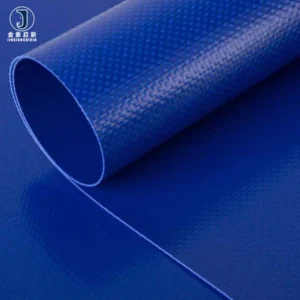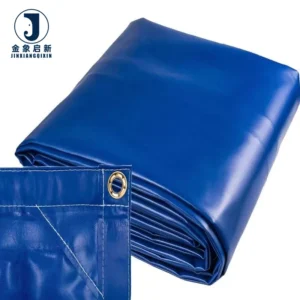
Description
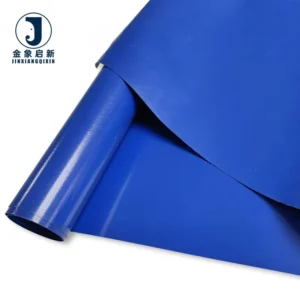
Batch Weight Accountability — every roll is weighed against the stated 650gsm before packing, with dispatch records confirming actual GSM per batch for wholesale consolidation.
Technical Specifications
| Parameter | Value |
|---|---|
| Product Type | PVC Tarpaulin Roll |
| Weight | 650 GSM |
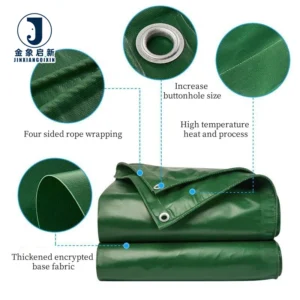
| Base Fabric | 100% high tenacity polyester yarns |
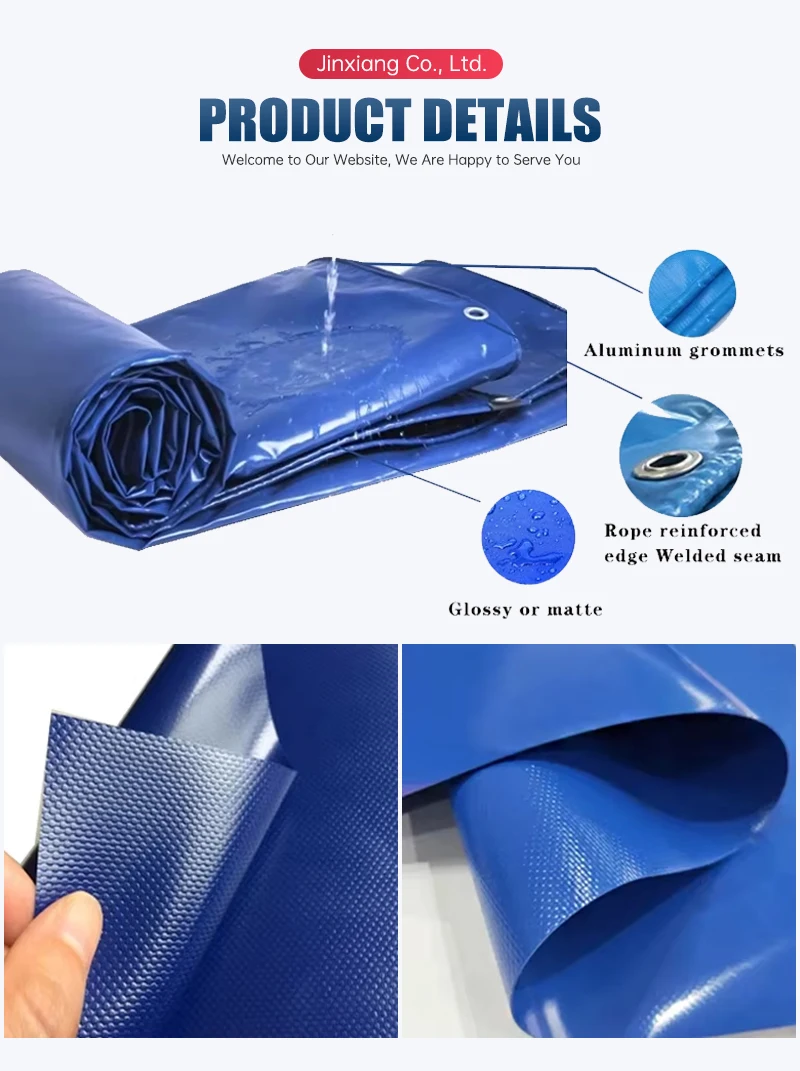
| Coating Material | PVC |
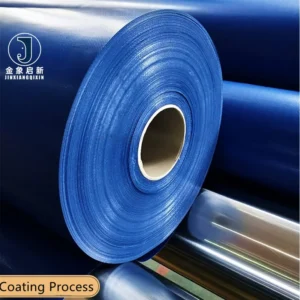
| Coating Technology | Laminated technology & Hot-melt Coating technology |
| Waterproof | Fully waterproof coated construction |
| Color Fastness | Best color fastness (test basis not stated in source) |
| Cold Crack Resistance | Treated for cold crack resistance |
| Anti-Mildew | Treated for anti-mildew protection |
| Outdoor Durability | 3–5 years (source value — verify against manufacturer catalog) |
| Key Features | Flame retardant available (grade not stated in source); Anti-static available (standard/resistance not stated in source); Anti-cold; Anti-mildew; 3P |
Application Suitability
| Application | Exposure & Requirement |
|---|---|
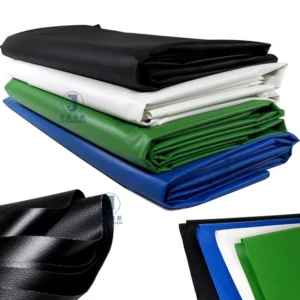
| Tarpaulin distributor regional stock | Consistent GSM and colour across rolls for resale to fabricators and end users |
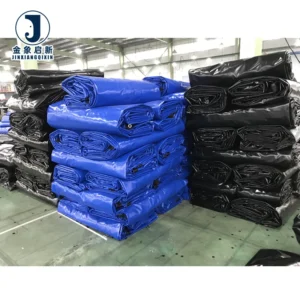
| Container-load wholesale import | Full-container consolidation by roll count, weight verification per batch, uniform surface finish |
| Fabricator roll stock for cutting and welding | High tear strength at weld seams, stable dimensional behaviour during high-frequency welding |
| Tent and awning manufacturer roll procurement | Batch-to-batch colour match, clean surface for printing and panel joining |
| Side curtain and transport cover fabrication | Flex fatigue resistance, abrasion tolerance at tie-down and roller contact points |
Why Roll-to-Roll Weight Consistency Matters More Than the Quoted GSM
A 650gsm quotation means nothing if the rolls arriving at your warehouse measure lighter.
Wholesale buyers consolidating full-container loads often discover that the PVC tarpaulin roll wholesale bulk shipment weighs less than declared. The discrepancy is not always deliberate — coating weight can drift across a production run when line speed or paste viscosity fluctuates. I have seen importers receive containers where rolls from the same order varied noticeably in hand feel and stiffness, a symptom of uneven coating application. When fabricators cut and weld this inconsistent material, the thinner sections fail first at stress points [NEED_CITE: tensile and tear test methods for coated fabrics per ISO 1421]. Weight verification at the factory gate, documented per roll batch, is the only way to ensure the GSM you paid for is the GSM you receive.
Controlling Coating Adhesion Across the Full Roll Length
Hot-melt coating technology bonds the PVC layers to the high-tenacity polyester base under heat and pressure, creating adhesion that resists delamination during fabrication and field use. Laminated technology supplements this by fusing additional film layers for uniform thickness. When buying PVC tarpaulin roll wholesale bulk volumes, consistent adhesion across every linear metre is critical — a weak spot mid-roll causes the coating to separate from the base fabric during welding or flexing, producing waste that the fabricator cannot recover.
Colour Matching Within a Single Production Run
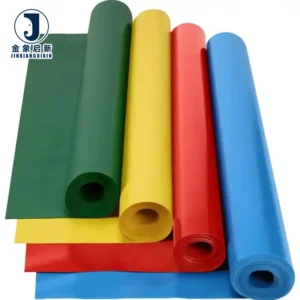
Distributors stocking multiple rolls for regional resale need assurance that panels cut from different rolls will match once installed side by side. Colour variation between rolls in the same order is a common complaint when pigment dosing is not locked to the batch recipe. Production runs for this material control pigment ratios at the mixing stage, and side-by-side comparison inspections before dispatch catch visible drift. Confirming a colour reference code at the order stage allows re-orders to match previous shipments [NEED_CITE: colour fastness testing standards for coated textiles].
What 650 GSM Actually Tells You — and What It Does Not
Gram weight alone describes the mass per square metre but says nothing about how that mass is distributed between base fabric and coating. A roll achieving 650gsm through heavy coating on a low-denier base will feel stiff but tear easily along the warp. The high-tenacity polyester yarns specified here contribute tensile and tear resistance that a lighter base fabric could not deliver at the same weight. The laminated and hot-melt coating process adds adhesion strength that supports high-frequency welding without the coating peeling at the seam. Coating method matters as much as coating weight: knife-over-edge application builds thickness differently from hot-melt lamination, affecting both flexibility and weld behaviour [NEED_CITE: coating adhesion and peel strength test methods for PVC fabrics]. Width options affect how fabricators plan their cutting layout — wider rolls reduce the number of welded joins needed for large covers, improving both production speed and field durability.
The Hidden Cost of Skipping Batch Inspection Before Dispatch
When a container of rolls arrives with inconsistent weight or colour, the damage extends far beyond the material itself. Fabricators who have already committed cutting schedules and customer delivery dates face rework, wasted labour, and reputational harm. A flame retardant specification that arrives without supporting test documentation can halt a construction project at the inspection stage. Rolls that vary in thickness cause welding machines to burn through thin sections while failing to bond thick ones, creating seam failures that show up only after the finished cover is deployed [NEED_CITE: weld seam failure analysis in coated fabric structures]. These downstream costs dwarf any savings from accepting unverified material.
Why Sourcing This Material Here Makes Sense for Volume Buyers
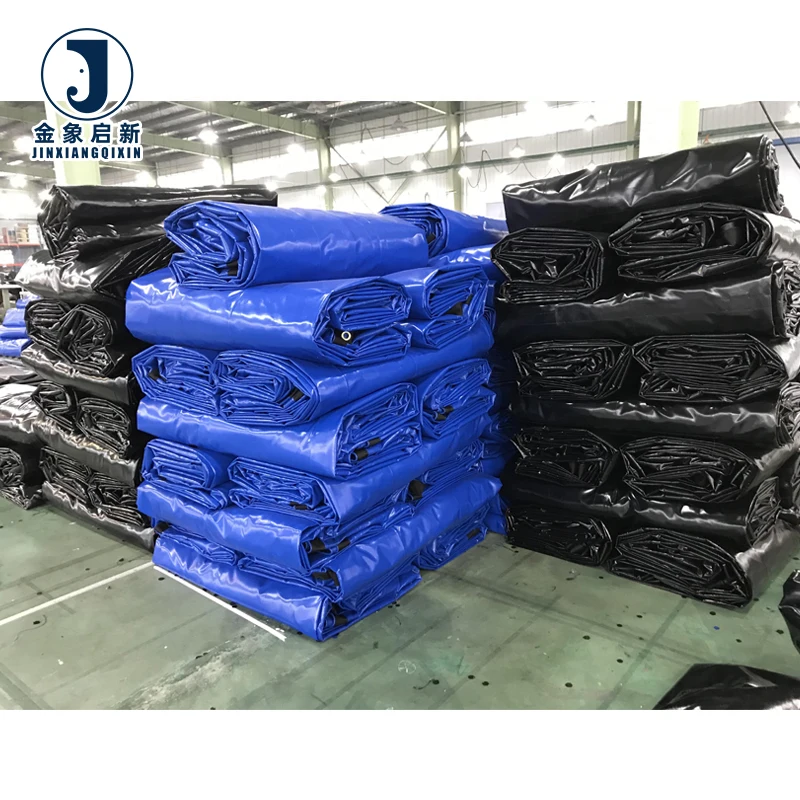
Three full production lines with 36 sets of professional equipment support the capacity needed for full-container PVC tarpaulin roll wholesale bulk orders without extended wait times. A 10-person R&D team handles custom width requests, colour matching, and sample development within days rather than weeks. Dedicated QA/QC runs at every production stage, with 100% pre-shipment inspection confirming weight and surface quality on every roll. ISO and CE certified production processes provide the documentation framework that importers and distributors need for customs clearance and downstream compliance. Roll packing lists detail count, net and gross weight, and container loading plans so logistics teams can plan handling before the shipment arrives.
Documentation & Verification
- Material specification sheet stating 650gsm weight, base fabric yarn type, and coating technology per roll batch
- Pre-shipment inspection record confirming actual measured GSM and surface consistency across the order
- Roll packing list with individual roll count, net/gross weight, and container loading arrangement
- Test reports for flame retardant and anti-static treatments where applicable to the ordered specification
- Certificate of origin and customs documentation supporting international wholesale shipment clearance
Fabrication, Handling & Storage
- Hot-air welding parameters should be tested on scrap from the 650gsm roll to match the hot-melt coating adhesion threshold
- Store rolls upright on pallets to prevent flat spots that distort the polyester base fabric weave alignment
- Unroll in ambient temperature conditions to avoid cracking the anti-cold treated PVC surface in cold storage
- Cut panels with allowance for weld seam overlap, accounting for the 650gsm material thickness at joins
- Clean finished surfaces with mild detergent only to preserve the anti-mildew treatment coating integrity
- Plan cutting layouts around available roll width to minimise offcuts and welded seam count per cover
What to Include When Requesting a Quotation
Provide the target roll width, annual volume estimate, and destination market so the quotation reflects accurate lead times and treatment options. Specify whether flame retardant or anti-static certification is required for your end application, and note the grade your market demands. Confirm if standard colour stock meets your needs or if a custom colour reference must be matched across multiple production runs. Indicate whether rolls are destined for your own fabrication line or for resale as stock to regional buyers.
Frequently Asked Questions
Q: How is roll-to-roll GSM verified before shipment and how can I recheck on arrival?
A: Every roll is weighed during the pre-shipment inspection and recorded against the stated 650gsm specification. You receive a weight verification record with your dispatch documents. On arrival, you can recheck by cutting a measured square from the roll end and weighing it on a calibrated scale to confirm the GSM matches the documentation provided.
Q: How do you control colour consistency across multiple rolls in the same order?
A: Pigment ratios are locked to the batch recipe at the mixing stage, and all rolls in a single order are produced within one continuous run. Side-by-side comparison inspections are conducted before packing. If your project requires rolls from multiple production runs, confirm colour matching requirements at the order stage so reference samples can be retained.
Q: What stock widths are available and what is the MOQ for custom widths?
A: Standard widths are held in stock for immediate consolidation into container loads. Custom widths are available subject to a minimum order quantity that depends on the specification. Provide your required width and volume when enquiring so lead time and minimum can be confirmed against current production scheduling.
Q: Are flame retardant and anti-static test reports included with the shipment?
A: Where flame retardant or anti-static treatments are specified on your order, the corresponding test documentation is included in the dispatch package. Confirm the specific grade or standard required for your destination market at the enquiry stage so the correct treatment and test protocol are applied to your production batch.
Q: How are rolls packed and loaded for full-container shipment?
A: Rolls are packed upright on pallets with protective wrapping to prevent transit damage and surface contamination. The roll packing list details the count, net and gross weight per pallet, and the container loading plan. This allows your logistics team to arrange handling equipment and warehouse space before the container arrives at your port.