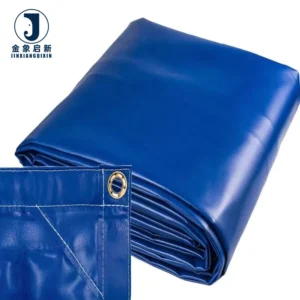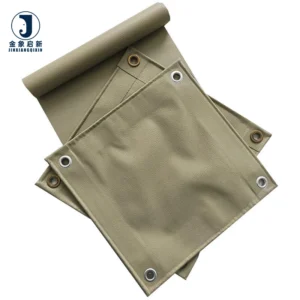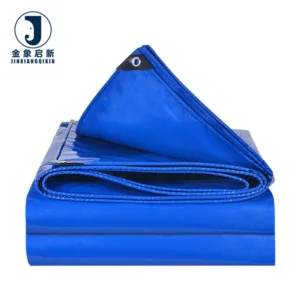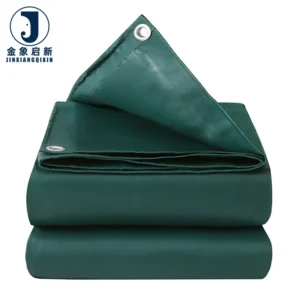
Description
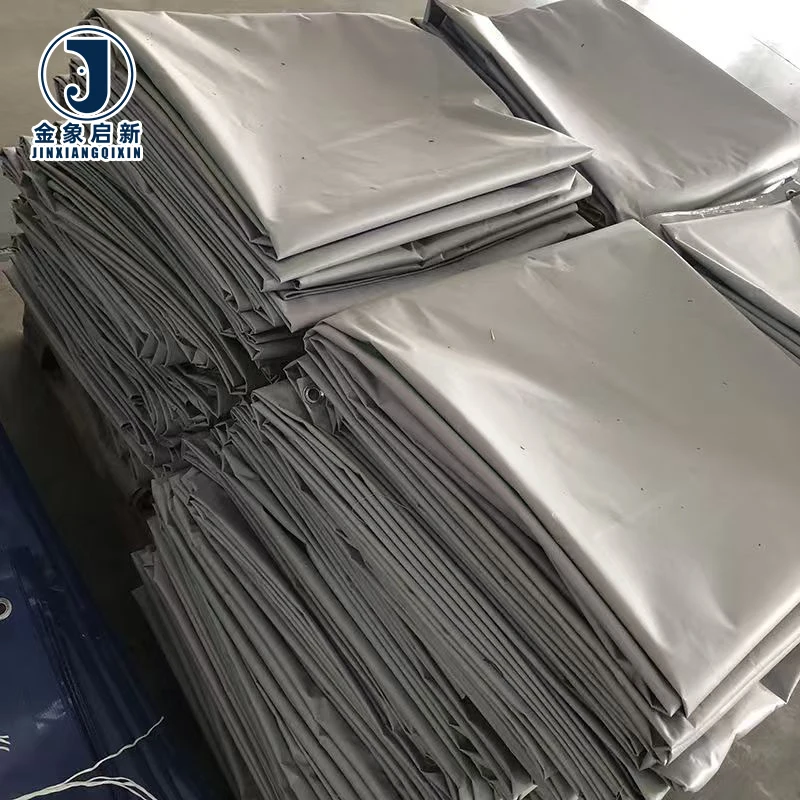
Roll-Level Consistency — Every roll of 630 Gsm PVC coated tarpaulin is weighed and color-checked before loading, so the material you receive matches the quotation exactly.
Technical Specifications
| Parameter | Value |
|---|---|
| Product Type | PVC Coated Tarpaulin Roll |
| Weight | 630 Gsm |
| Base Fabric Denier | 200D×300D / 500D×500D / 840D×840D / 1000D×1000D |
| Coating Material | PVC |
| Finish | Glossy or matte |
| Temperature Range | -15ºC to 70ºC |
| Flame Retardant | Available in flame retardant grades — confirm the grade required for your market |
| UV Treatment | Available with UV treatment — confirm test basis for your region |
| Anti-Fungal | Treated |
| Waterproof | Yes |
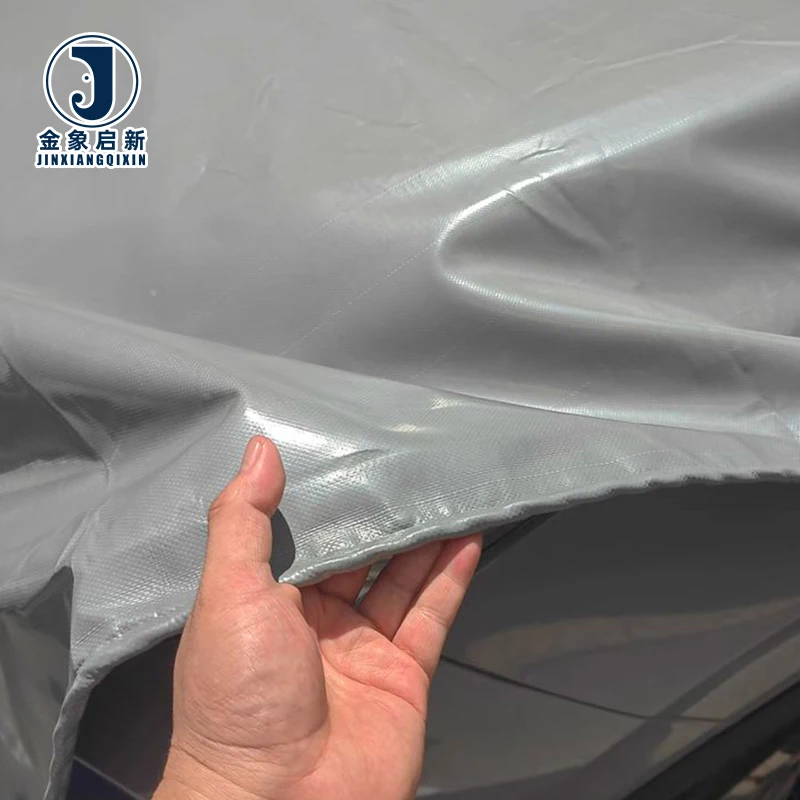
| Key Features | Tear-resistant, rain-resistant, durable, flexible with good adhesion strength and abrasion resistance |
| Working Life | 3–10 years depending on usage environment |
| Package | Carton or bale |
| OEM/ODM | Warmly welcomed |
Application Suitability
| Application | Exposure & Requirement |
|---|---|
| Tarpaulin distribution and import | Container-load consistency in GSM, color, and roll length across mixed batches |
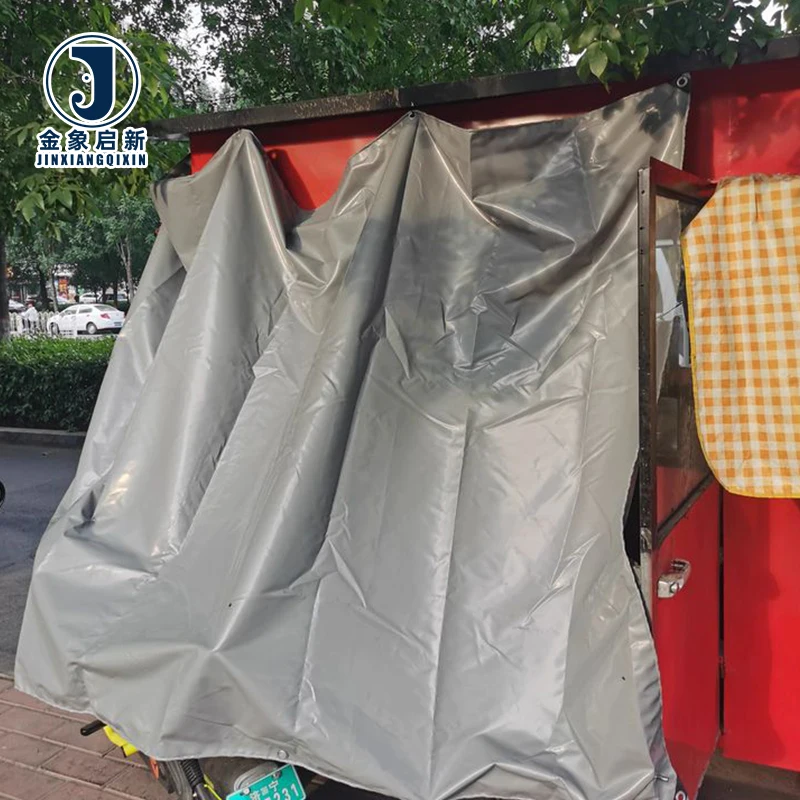
| Fabrication into truck and equipment covers | Stable weld behavior at flex points, predictable coating adhesion during heat joining |
| Tent and awning manufacturing by the roll | Uniform color reference across multiple rolls installed side by side |
| Wholesale stocking in multiple grades | Documented GSM and base fabric denier per roll for resale compliance |
Why Roll-to-Roll Weight Variation Matters More Than the Quoted GSM
A quoted 630 Gsm means nothing if the roll that arrives weighs less.
I have seen wholesale buyers place orders for a specific GSM, only to find the material arriving at the warehouse is noticeably lighter. The invoice states the correct figure, but a quick cut-and-weigh reveals a shortfall. This is not a rounding difference — it is a coating process that was not held to tolerance during production. When PVC coated tarpaulin roll stock ships without documented per-roll verification, the distributor absorbs the risk of customer complaints downstream [NEED_CITE: coating weight tolerance standards for PVC tarpaulin per ISO 2286].
Consistent GSM Across Every Roll in Your Container
When you order a container load of PVC coated tarpaulin roll stock, the concern is not whether the first roll meets spec — it is whether roll number four hundred also does. Coating weight drift can happen gradually across a production run if the knife gap or plastisol viscosity shifts. Our production process includes in-line coating weight checks at defined intervals, so the 630 Gsm you ordered is the weight that carries through from the first meter to the last. Each roll is logged with its net weight before packing, giving you a complete weight record that matches the packing list.
Color Matching That Holds Across the Full Order
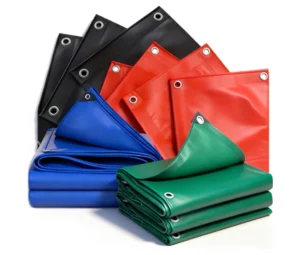
Color variation between rolls is one of the most visible defects once the material is unrolled and installed side by side. A batch that looks acceptable on the sample table can show noticeable tonal shift when two rolls from different production dates are hung next to each other on a structure or welded into adjacent truck panels [NEED_CITE: Delta E color tolerance methods for coated fabrics]. We match against a confirmed color reference for every production run, and all rolls within a single order are produced from the same coating batch wherever possible. This applies across the standard color range — blue, grey, orange, yellow, black, green, white — and any custom color you specify.
How Base Fabric Denier and Coating Weight Work Together
The 630 Gsm figure represents the total weight of base fabric plus PVC coating, not the coating alone. The base fabric denier options — from 200D×300D up to 1000D×1000D — determine the tensile skeleton inside the coated material. A higher denier base with the same total GSM means proportionally more yarn and less coating compound, which changes how the fabric behaves at the weld line and under point load. The 200D×300D construction offers a lighter hand and lower cost for applications that do not require high tear propagation resistance, while the 1000D×1000D base gives maximum mechanical strength for heavy-duty fabricated covers. Choosing the right denier within the same GSM band is often more consequential than changing the GSM itself [NEED_CITE: tensile and tear test methods for coated fabrics per ISO 1421]. The glossy or matte finish selection affects surface cleaning behavior and print adhesion — gloss sheds dirt more easily while matte reduces glare and improves ink grip for branded panels. The -15ºC to 70ºC operating range means the PVC compound stays flexible in cold storage and transport environments without becoming brittle, while remaining dimensionally stable at summer ambient temperatures.
The Hidden Cost of Undocumented Roll Stock
When a distributor imports a container of tarpaulin rolls without per-roll weight documentation, the first sign of a problem usually comes from a customer who fabricates the material and finds it does not perform as expected. The coating may be too thin to hold a weld at stress points, or the base fabric may not match the denier stated on the spec sheet. By the time this surfaces, the rolls have already been cut, and the return logistics are uneconomical. Similarly, if the flame retardant grade is not backed by a test report that matches the destination market’s requirements, an entire shipment can be rejected at the job site — not because the fabric is wrong, but because the documentation trail is incomplete. This is a preventable failure, and it starts with specifying the verification points before production begins [NEED_CITE: fire classification standards for temporary structures and tarpaulins].
What This Supply Chain Delivers for Roll Buyers
Three full production lines running dedicated PVC coating operations give the capacity to fill container orders without splitting your batch across multiple production windows. The 10-person R&D team handles custom color formulation and sample development, so a new color reference can be confirmed before the full run starts. Dedicated quality control operates at every stage — base fabric inspection, coating weight verification, surface finish check, and final roll weighing — with 100% pre-shipment inspection rather than statistical sampling. Roll packing is planned around container dimensions, with a documented loading plan that accounts for roll diameter and weight distribution to prevent transit crushing. Custom widths and lengths are produced on defined minimums with lead times confirmed at quotation, not after the order is placed.
Documentation & Verification
- Weight verification per roll against the stated 630 Gsm before dispatch
- Roll packing list with individual roll count, net weight, and container loading plan
- Material specification sheet stating GSM, base fabric denier, coating material, and finish
- Test report for UV and flame retardant grades supplied where applicable to the order
- ISO and CE certificates covering the production facility
- Certificate of origin and customs documentation for destination country clearance
Fabrication, Handling & Storage
- Heat weld parameters should be tested on each denier variant of the 630 Gsm material, as base fabric density affects heat transfer at the seam
- Store rolls horizontally on pallets to prevent permanent creasing through the PVC coating layer
- Unroll and allow the fabric to relax at ambient temperature before cutting, especially after cold transit below 10ºC
- Matte finish surfaces hold ink well for screen or digital printing — confirm ink compatibility with the PVC formulation
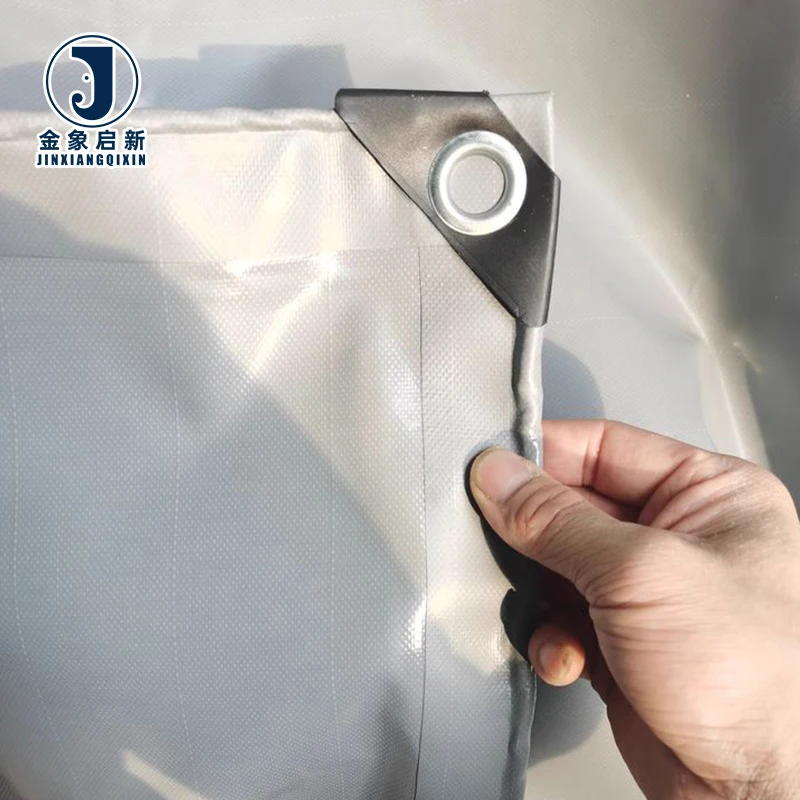
- Cut panels with sealed edges to prevent moisture ingress into the base fabric at exposed hems
What to Include in Your Inquiry
When requesting a quotation for PVC coated tarpaulin roll stock, specify the roll width and length you need, the base fabric denier preference from the available options, and your annual volume so bulk pricing tiers can be applied. If you require a custom color, provide a physical reference or Pantone code so a lab dip can be prepared for your approval before the production run begins. Confirm whether you need the rolls supplied as standard stock widths or slit to a specific dimension, and advise on any destination-market compliance requirements for flame retardant or UV treatment documentation.
Frequently Asked Questions
Q: How is GSM verified on each roll before shipment?
A: Every roll is individually weighed on calibrated scales during the pre-shipment inspection. The net weight is recorded against the roll ID and cross-referenced with the packing list. This gives you a documented weight per roll that you can verify on arrival, rather than relying on a batch average that may hide individual roll shortfalls.
Q: How do you control color consistency across rolls in the same order?
A: All rolls within a single order are produced from the same PVC coating batch wherever possible, matched against a confirmed color reference. This minimizes tonal shift between rolls. If your order spans multiple production runs, we maintain the same reference standard and flag any batch change in advance for your approval.
Q: What roll widths and lengths are available, and what is the MOQ per color?
A: Stock widths and lengths are available for immediate dispatch, with custom widths and lengths produced on defined minimums confirmed at quotation. For custom colors, the minimum is set per production run to ensure batch consistency. Contact the sales team with your specific width, length, and color requirements for a detailed quote.
Q: How are rolls packed for container loading to prevent transit damage?
A: Rolls are packed in cartons or bales depending on the order specification, with a container loading plan that accounts for roll diameter and weight distribution. The packing list includes roll count and net weight for customs clearance, and the loading sequence prevents heavy rolls from crushing lighter ones during transit.
Q: Can custom colors be matched, and what is the sample approval process?
A: Custom colors are matched against your physical reference or Pantone code. A sample swatch or short roll section is produced for your approval before the full run begins. This ensures the color, finish, and weight meet your specification before container quantities are committed to production.