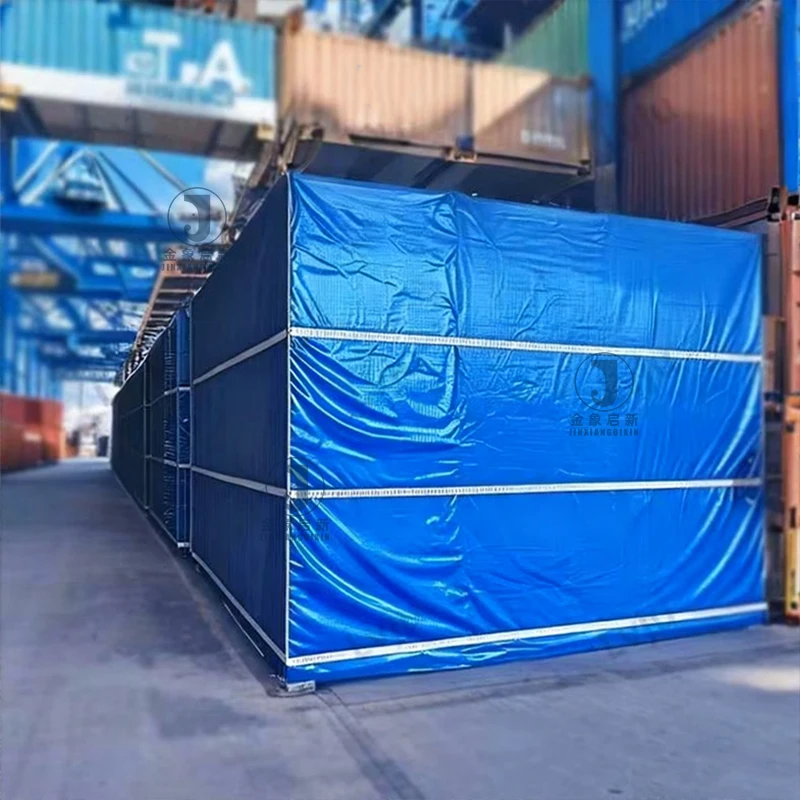
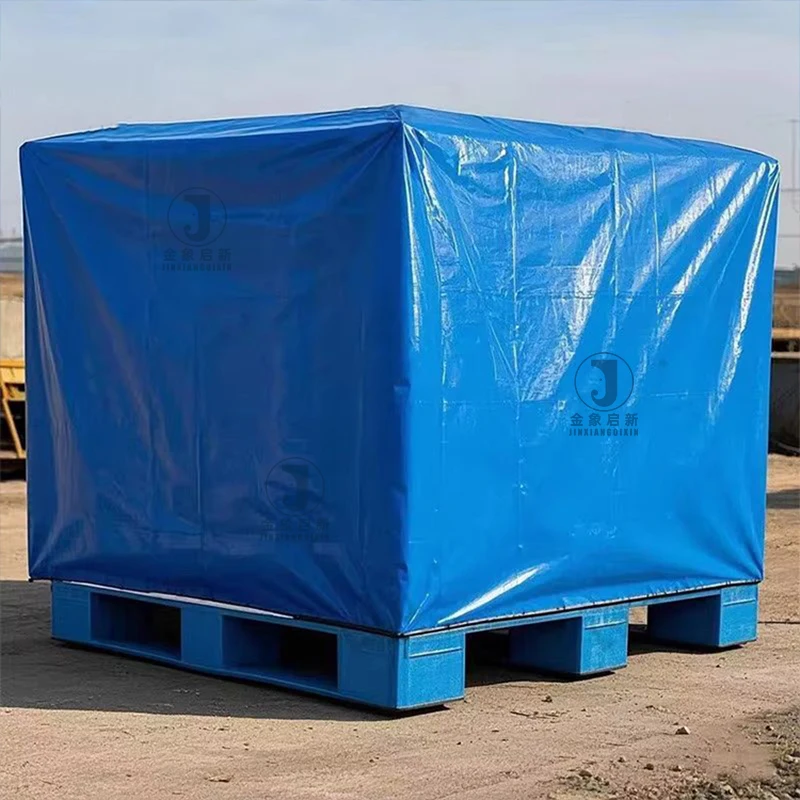
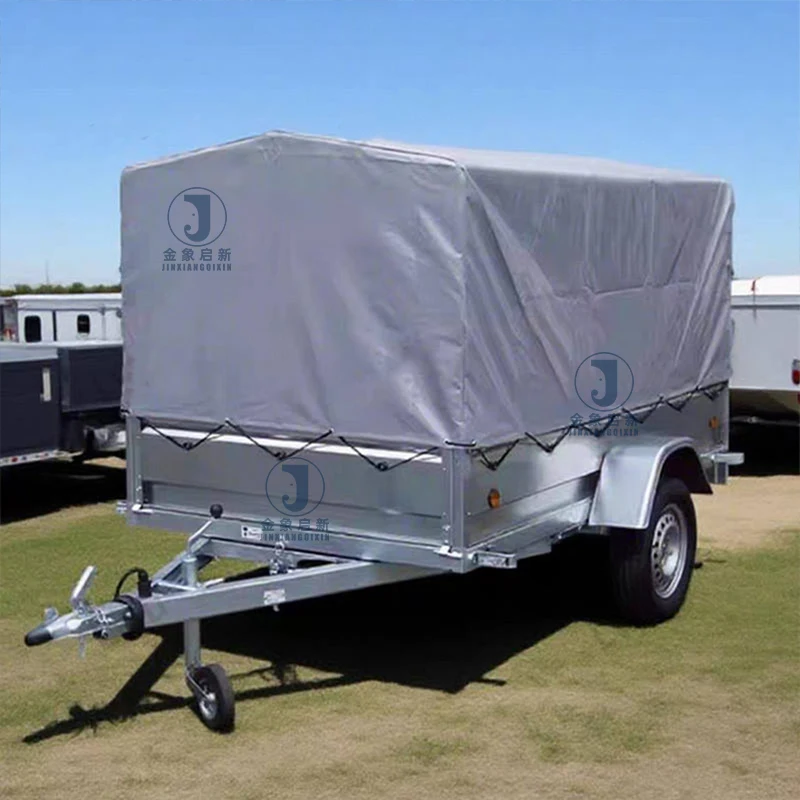
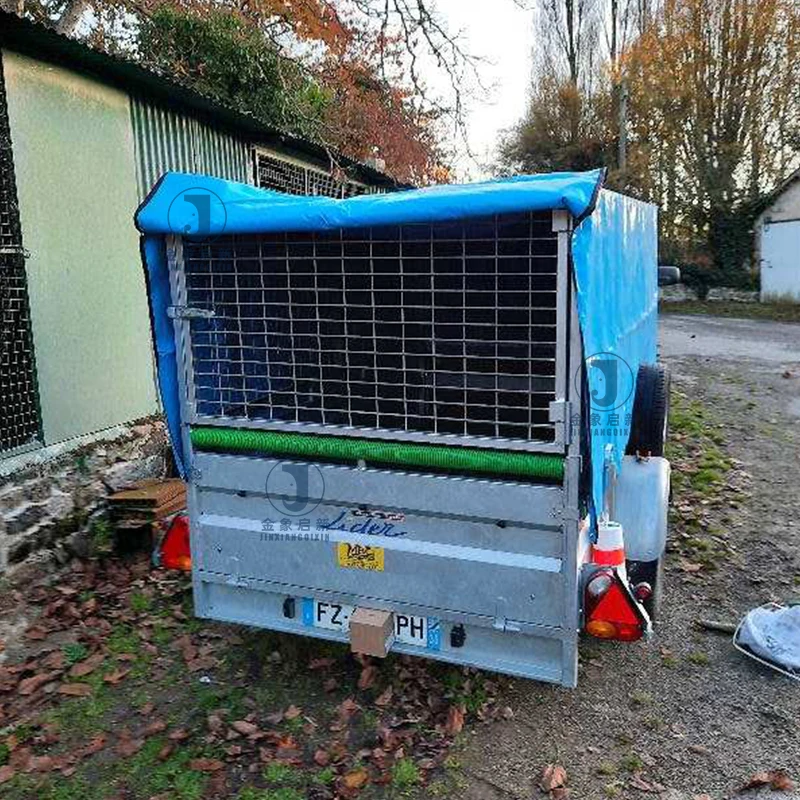
Description
Coating Weight Control — Every roll of PVC truck cover fabric is checked against the stated GSM before dispatch, with in-process QA ensuring coating weight and adhesion remain within tolerance across the full production run.
Technical Specifications
| Parameter | Value |
|---|---|
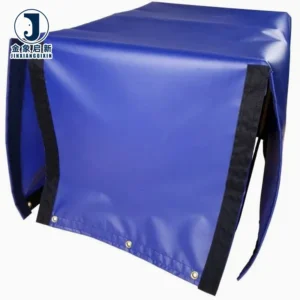
| Product Type | PVC Truck Cover |
| Material | PVC coated high-strength polyester mesh fabric |
| Coating Method | Laminated technology & Hot-melt Coating technology |
| Weight Options | 350gsm, 420gsm, 500gsm, 550gsm, 600gsm, 750gsm |
| Thickness Options | 0.32mm, 0.35mm, 0.4mm, 0.45mm, 0.5mm, 0.65mm |
| Color Options | Blue, Red, Yellow, Light blue, Grey (custom colors available) |
| UV Treatment | UV treated (confirm test basis for your market compliance) |
| Flame Retardant | Available in flame retardant grades — confirm the grade required for your market |
| Anti-Static | Anti-static treatment available (confirm grade for site compliance) |
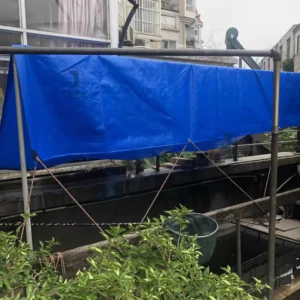
| Tarpaulin Features | Cold crack resistance, anti-mildew, waterproof, sunproof, color fastness |
| Hem Construction | Hot welded hem at bottom edge |
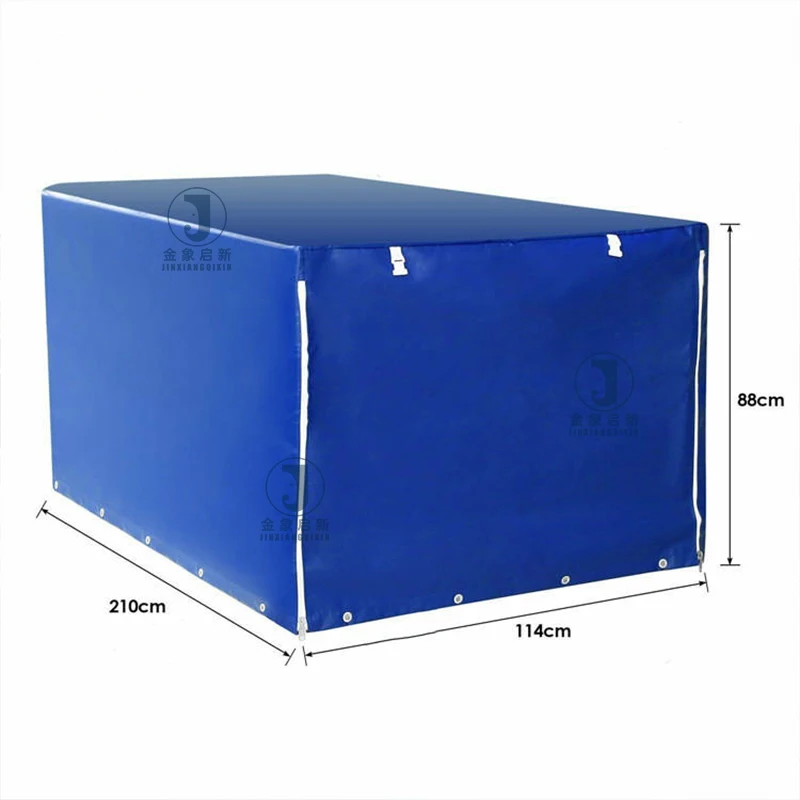
| Closure Options | Eyelets, zipper, velcro (as specified per order) |
| Standards | ISO, CE |
Application Suitability
| Application | Exposure & Requirement |
|---|---|
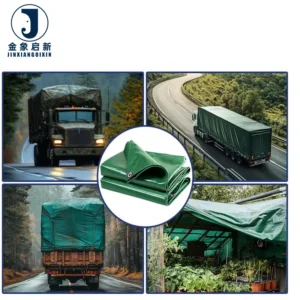
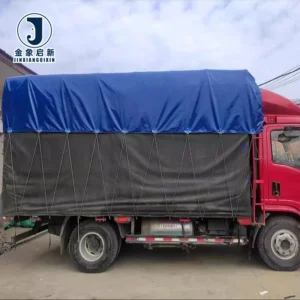
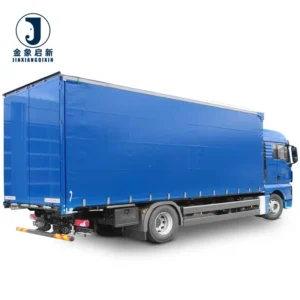
| Trailer side curtain fabric | Constant flexing at load points, road debris abrasion, prolonged UV and rain exposure |
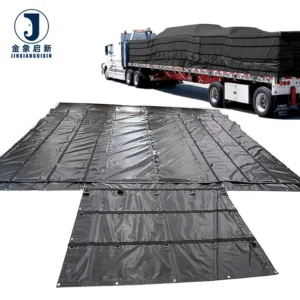
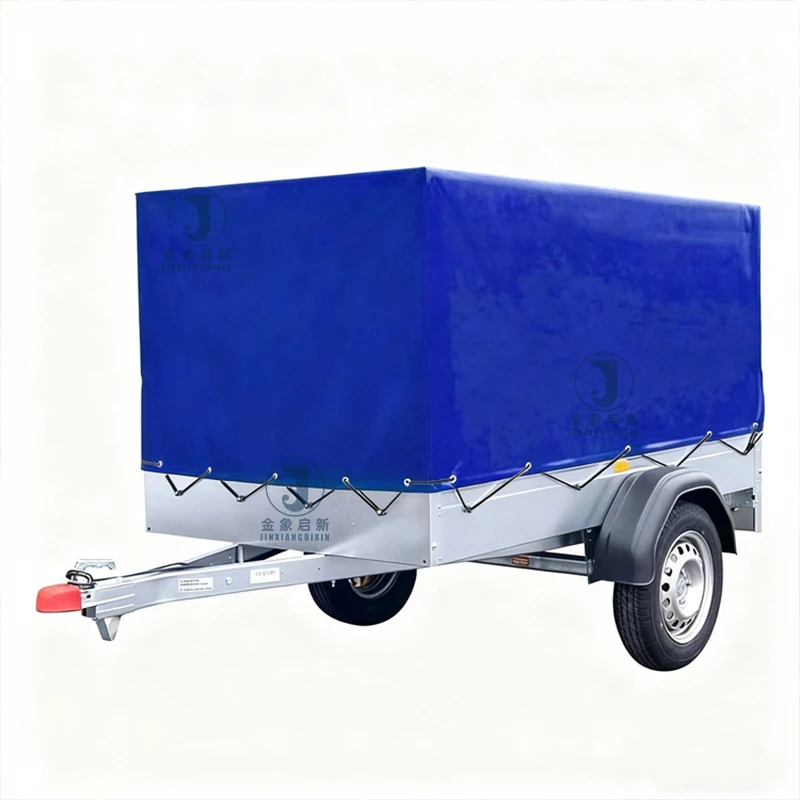
| Flatbed truck load cover | Tie-down strap pressure, wind flap fatigue, sun and weather resistance |
| Roll stock for tarpaulin distributors | Bulk warehouse storage, local cutting and fabrication, batch color matching across orders |
| Transport equipment builder input | Hot welding at seams, eyelet reinforcement at stress points, consistent roll-to-roll quality |
| Cargo ship cover | Salt spray exposure, heavy wind loading, long-duration water contact |
Why Batch Color Consistency Matters More Than Quoted GSM for Fleet Covers
Roll-to-roll color variation is the most common reason a PVC truck cover shipment gets rejected at the yard — not weight.
When a fleet operator installs side curtains or load covers across ten trailers, even a slight shade shift between rolls becomes visible in daylight. The problem is not cosmetic alone; it signals inconsistent coating formulation, which often correlates with variation in adhesion strength and cold crack behaviour across the same order. Buyers who source PVC truck Cover roll stock from multiple suppliers frequently report that the colour drift only appears once the fabric is unrolled side by side on the fabrication table — too late to return without delaying vehicle delivery. [NEED_CITE: coating formulation variables that affect color consistency in PVC coated polyester]
Our in-process QA monitors pigment dispersion and coating weight at every stage, and the 100% pre-shipment inspection includes a visual roll-by-roll color check against the confirmed reference before container loading.
Roll Width and Length Selection for Container Loading Efficiency
When sourcing PVC truck cover fabric by the roll, the chosen width directly determines how many linear metres fit in a container and how much off-cut waste your fabrication team will generate. Narrow rolls may suit small trailer models but increase seam count on wider bodies, while maximum-width rolls reduce joins but add weight per roll and handling difficulty on the shop floor. We supply custom widths to match your cutting pattern, and our sales team will confirm the optimal roll length to maximize container utilization by roll count and total weight.
Hot-Melt Coating Adhesion and Its Role in Welded Seam Durability
The bond between the PVC coating and the polyester base fabric determines whether a welded seam holds or delaminates under flex load. Hot-melt coating technology delivers deeper penetration into the mesh structure compared to simple lamination, producing higher peel strength at the weld line. For truck covers that experience repeated tension cycles at tie-down points, this adhesion quality is the difference between a seam that lasts the life of the fabric and one that fails prematurely. Each grade in our PVC Truck Cover wholesale range uses coating methods selected for the target duty cycle. [NEED_CITE: peel strength test methods for PVC coated fabrics per ISO 1421]
Reading GSM and Thickness Together, Not in Isolation
GSM tells you how much material is present, but thickness reveals how that material is distributed between base fabric and coating layers. A 550gsm roll with a 0.45mm thickness may carry more coating and less yarn than a 550gsm roll at 0.50mm, resulting in different tear propagation behaviour. For truck covers, tear resistance at eyelet and hem points depends heavily on the polyester mesh denier and weave density, not the coating mass alone. Our specification sheet lists both GSM and thickness for each grade so buyers can match the construction to the mechanical demands of their specific trailer model and tie-down configuration.
The Cost of Overlooking Coating Adhesion at the Weld Line
A PVC truck cover that passes GSM inspection can still fail early if the coating separates from the base fabric at welded seams. This delamination typically appears at the points where the load flexes most — near tie-down straps and hem corners. Once moisture enters the separated layer, mildew develops internally and the damage spreads beyond repair. Buyers who specify only on weight and colour, without requesting adhesion data or weld test samples, absorb this risk silently until warranty claims accumulate. [NEED_CITE: common failure modes in PVC coated tarpaulin welded seams]
What Bulk Buyers Verify Before Signing Off
Three full production lines and 36 sets of professional equipment support the volume capacity needed for container-scale PVC truck cover roll orders, with capacity planning confirmed at quotation stage. A 10-person R&D team develops custom colour matches, width specifications, and sample rolls within days so buyers can validate material before committing to full production. Dedicated QA at every production stage monitors coating weight, colour consistency, and mesh alignment, with 100% pre-shipment inspection confirming roll count, dimensions, and visual quality against order specifications. Hot-melt coating and laminated technology options allow the material construction to be matched to the welding method and duty cycle of the end application.
Documentation & Verification
- Material specification sheet stating exact GSM, thickness, base fabric, and coating weight per roll grade
- Pre-shipment inspection record with roll-by-roll weight verification and visual color consistency check
- Roll packing list detailing container loading plan by roll count, individual weight, and total shipment weight
- Test documentation for UV and flame retardant grades where applicable to market requirements
- Certificate of origin and customs documentation for international dispatch
- Color reference confirmation matched against buyer-approved sample before production start
Fabrication, Handling & Storage
- Hot welding parameters should be adjusted per GSM grade — 750gsm rolls require higher temperature and dwell time than 350gsm
- Store rolls vertically on pallets to prevent flat-spot deformation on the outer coating layer
- Unroll in temperatures above 5°C to avoid cold crack damage to PVC coating during fabrication
- Reinforce eyelet placement areas with additional welding patches to distribute tie-down strap loads
- Cut patterns should account for roll width tolerance to maximize material yield across the order
- Clean fabricated covers with mild detergent only — solvent-based cleaners may degrade the PVC surface finish
Before You Request a Quote
Provide the trailer models or cover dimensions you need to cover, along with the annual roll volume and target colour references. If your market requires specific flame retardant or anti-static grades, include the compliance standard so we can confirm availability and test documentation. Let us know whether you need raw roll stock for your own fabrication or finished covers with eyelets, zippers, and welded hems.
Frequently Asked Questions
Q: How is GSM verified on each roll before shipment?
A: Every roll undergoes weight sampling during our 100% pre-shipment inspection. We compare the measured GSM against the specification sheet value and record results in the inspection report provided with your dispatch documentation. Rolls falling outside tolerance are replaced before container loading.
Q: Can you guarantee colour consistency across a full container order?
A: Our in-process QA monitors pigment dispersion throughout production, and the final inspection includes a side-by-side visual check of every roll against the confirmed colour reference. We supply batch-consistent PVC truck cover roll stock with documented colour control at each stage.
Q: What roll widths are available for truck cover fabrication?
A: We produce custom widths to match your cutting pattern and trailer model requirements. The minimum order quantity and lead time depend on the requested width and colour. Our team will confirm container loading efficiency based on your specified roll dimensions.
Q: How does hot-melt coating affect welding performance?
A: Hot-melt coating penetrates deeper into the polyester mesh, producing higher peel strength at weld lines compared to simple lamination. This matters for truck covers where seams flex under load. We recommend requesting weld test samples on your chosen grade before full production.
Q: What documentation comes with a bulk roll stock shipment?
A: Each PVC Truck Cover wholesale shipment includes a material specification sheet, pre-shipment inspection record, roll packing list with container loading plan, certificate of origin, and test reports for any specified UV or flame retardant treatments. All documents support customs clearance and incoming quality verification.