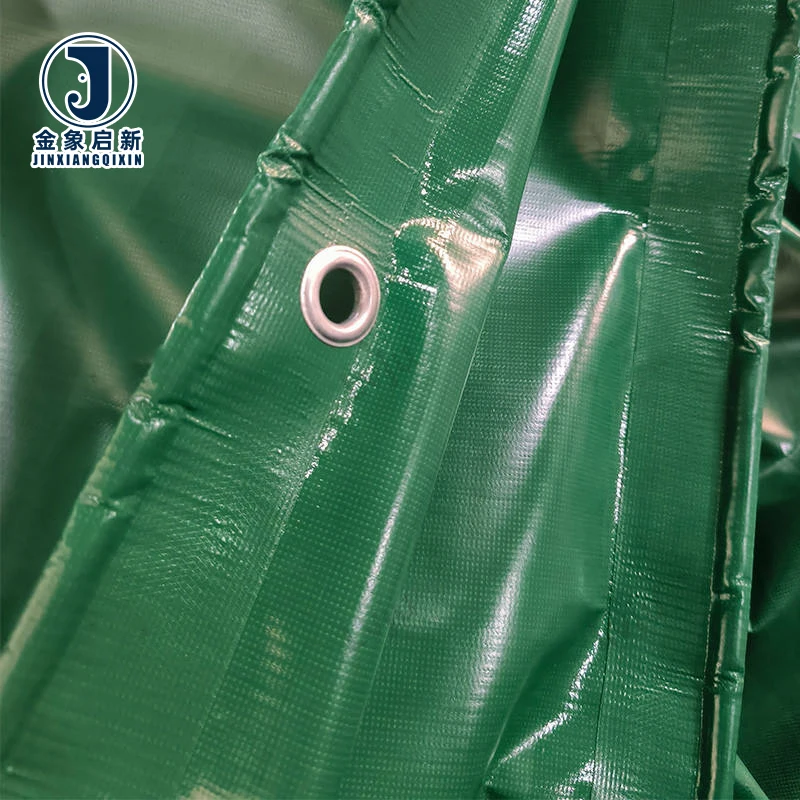
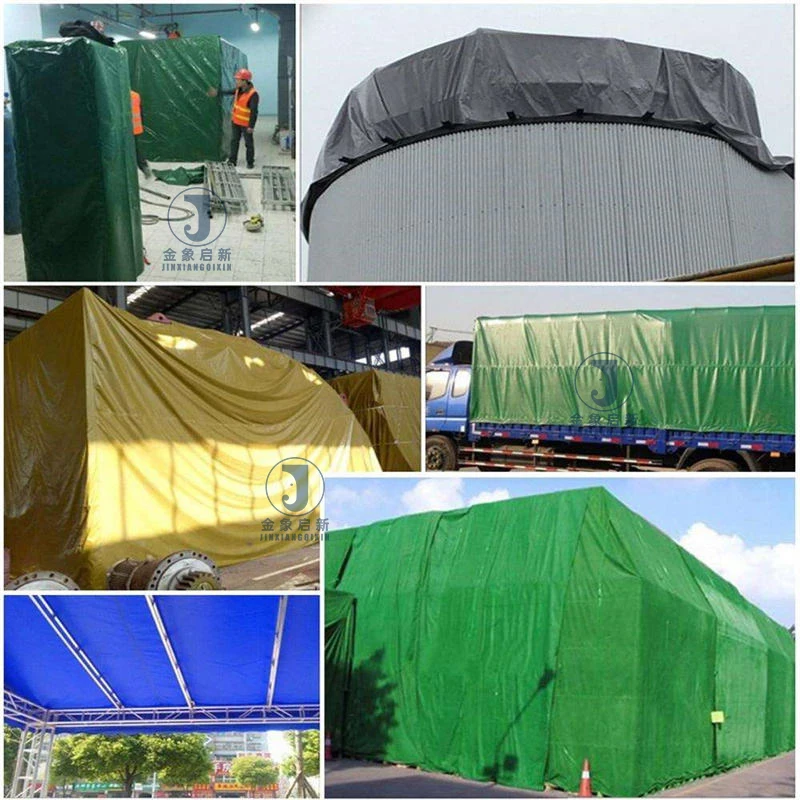
Description
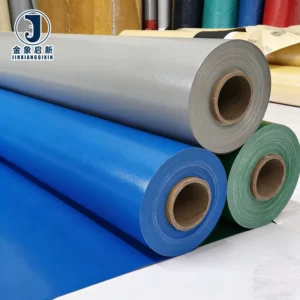
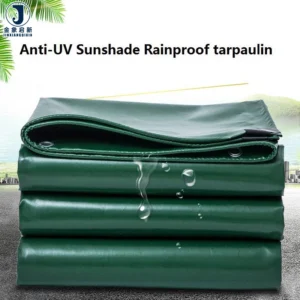
Batch-Verified Consistency — Every PVC coated tarpaulin roll in a container load is inspected for GSM and colour shade before dispatch, eliminating the roll-to-roll variance that causes visible seams and rejected shipments.
Technical Specifications
| Parameter | Value |
|---|---|
| Product Type | PVC Coated Tarpaulin Roll |
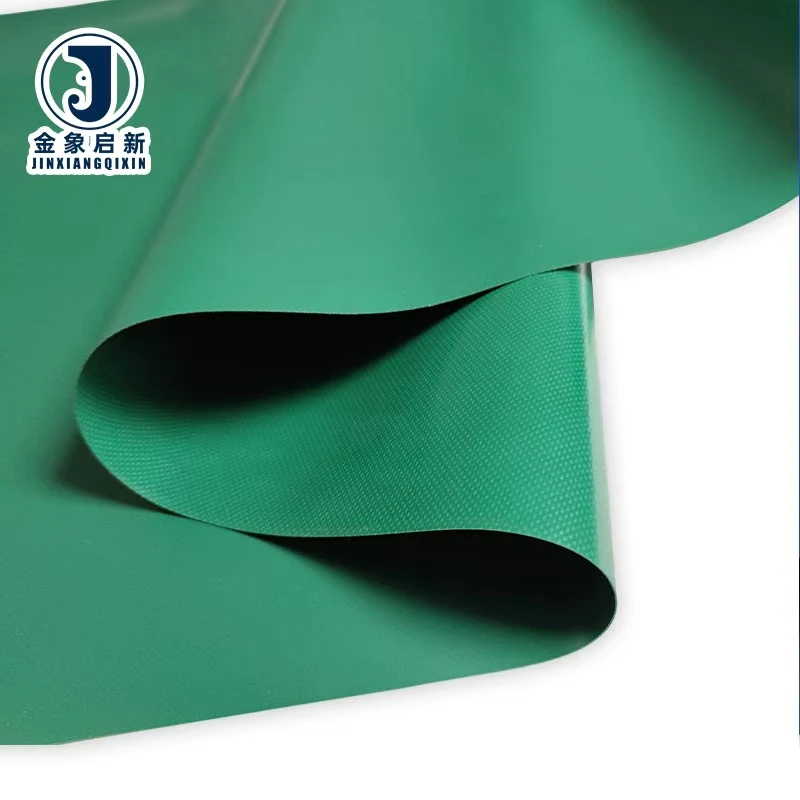
| Material | PVC + High-strength polyester mesh fabric |
| Coating Technology | Laminated technology & Hot-melt coating technology |
| Weight Range | 350gsm, 420gsm, 500gsm, 550gsm, 600gsm, 750gsm |
| Thickness | 0.32mm, 0.35mm, 0.4mm, 0.45mm, 0.5mm, 0.65mm |
| Roll Width | 2m, 2.1m |
| Roll Length | 75m (for 2m width), 50m (for 2.1m width) |
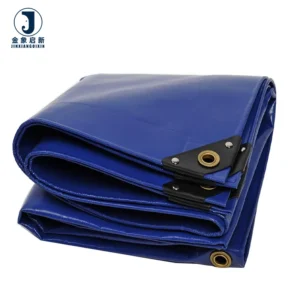
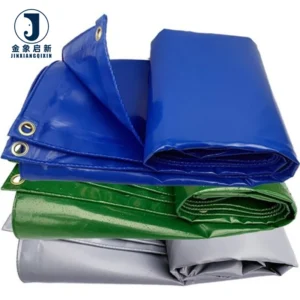
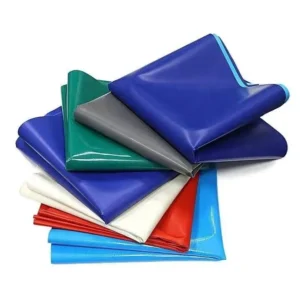
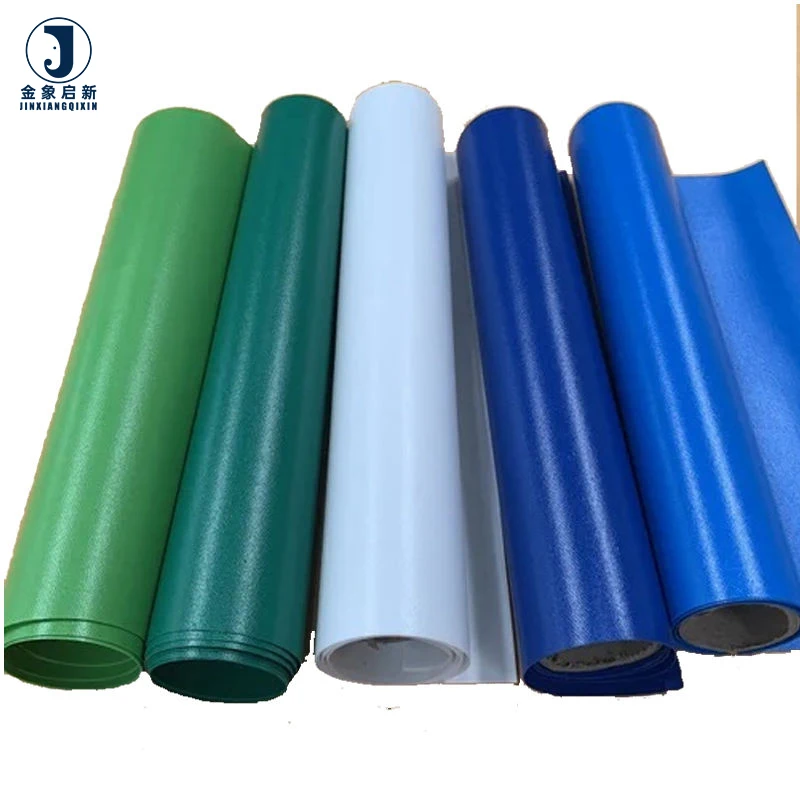
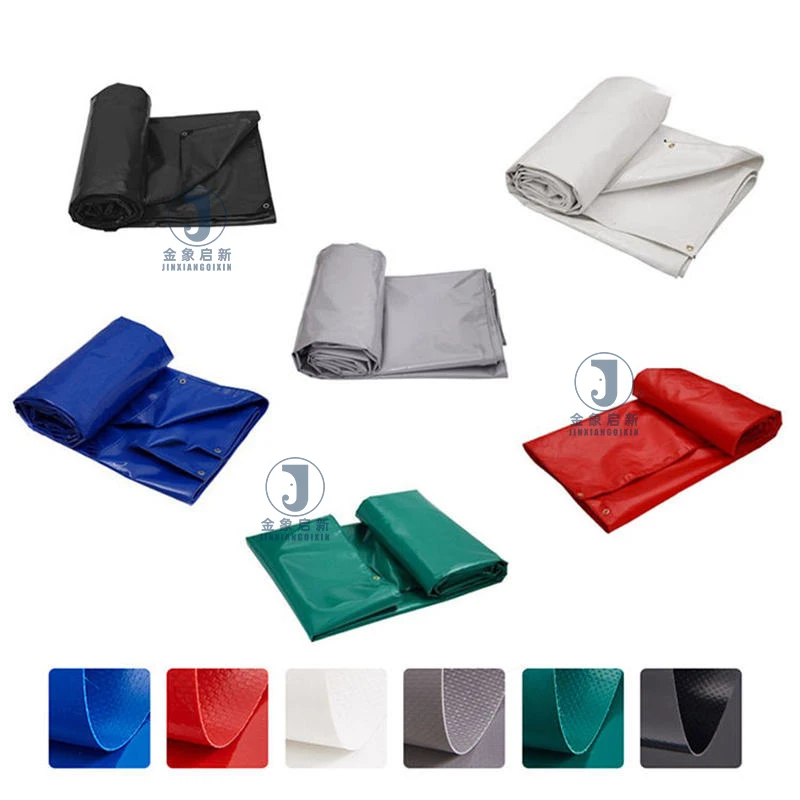
| Colour Options | Blue, Red, Yellow, Light blue, Grey (Customized) |
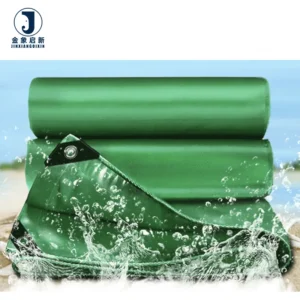
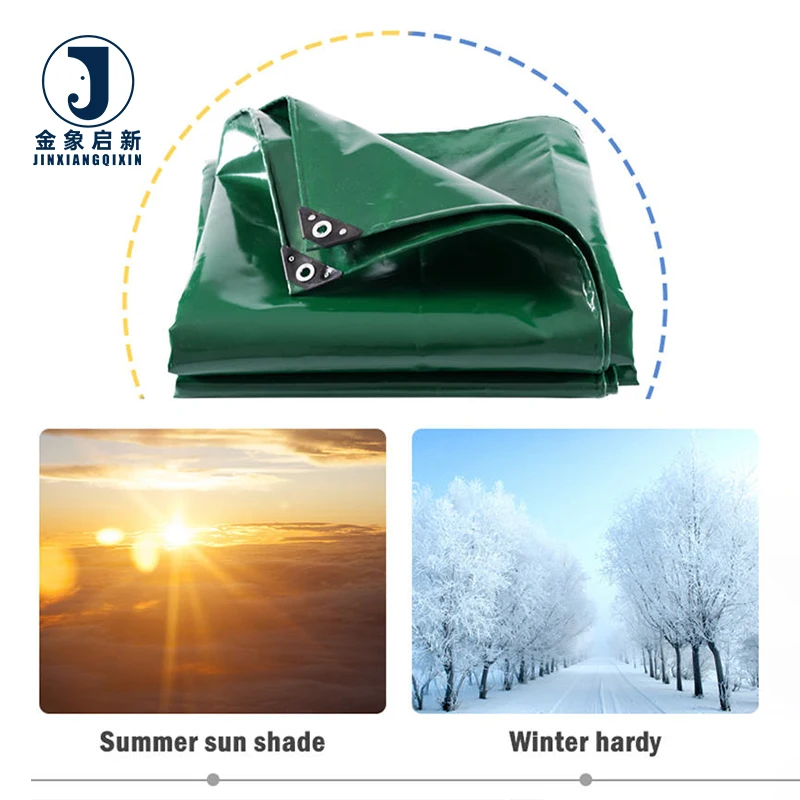
| Key Features | Cold crack resistance, Anti-mildew, Anti-static treatment, Waterproof, Sunproof (test basis not stated) |
| Special Treatments | Flame retardant (grade not stated), Anti-static, Anti-cold, Anti-mildew |
| Certifications | ISO, CE |
Application Suitability
| Application | Exposure & Requirement |
|---|---|
| Construction covers | Abrasion from scaffolding contact, prolonged UV and rain exposure, wind load tension on tie-down points |
| Temporary industrial tarp covers | Dust containment, chemical splash resistance, frequent installation and removal cycles |
| Equipment covers | Static load over uneven shapes, outdoor weathering, repeated covering and uncovering |
| Agricultural covers | Direct sunlight, moisture ingress, contact with organic acids and fertiliser residues |
| Scaffolding or building enclosure | Wind pressure on vertical surfaces, UV degradation over extended project timelines |
| Tent cover | Flexing in wind, seam stress at ridge and valley points, colour presentation for end users |
| Truck awning | Road vibration, flex fatigue at mounting points, UV and weather exposure during transit |
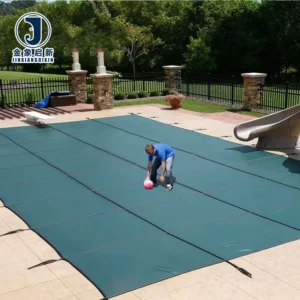
| Fish tank / pool liner | Continuous water immersion, chlorine or salt contact, puncture risk from substrate |
Why Roll-to-Roll Colour Drift Costs Distributors More Than GSM Variance
Shade variation across rolls in one shipment forces downstream converters to sort, reject or blend — adding handling cost without adding value.
When a PVC coated tarpaulin roll wholesale buyer receives a container where two rolls of the same specified blue show a visible tone difference under daylight, the entire fabrication batch is compromised. Tent makers installing side-by-side panels cannot hide the mismatch. Truck curtain fabricators find one panel looks newer than its neighbour before the vehicle even leaves the yard. The problem is not the pigment formula — it is the coating line’s inability to hold temperature and draw speed within tolerance across a production run [NEED_CITE: colour consistency measurement methods for coated fabrics]. Our dedicated QA/QC stage checks shade against a master reference for every roll before it is cleared for packing, so the PVC coated tarpaulin roll you specify is the shade you receive across the full order.
Hot-Melt Coating Delivers Adhesion That Survives Conversion
Laminated and hot-melt coating technologies each serve a purpose in PVC tarpaulin roll production. Hot-melt coating drives the PVC compound into the polyester mesh under heat and pressure, producing a bond that resists delamination when the fabric is heat-welded or folded at sharp angles during fabrication. For converters running high-frequency welding equipment, this adhesion strength determines whether the weld line holds or the coating separates from the base fabric under stress. Laminated technology offers a cost-effective alternative for lighter GSM grades where the conversion process involves sewing rather than welding.
Roll Dimensions Engineered for Container Loading Efficiency
Standard roll sizes of 2m × 75m and 2.1m × 50m are not arbitrary. These dimensions maximise the number of rolls that fit within a standard container while keeping individual roll weight within manual handling limits at the destination port. For PVC coated tarpaulin roll wholesale buyers planning container loads, the 2m width yields longer linear meterage per roll, reducing the number of butt joints needed in large-format covers. The 2.1m width suits applications where the extra 100mm eliminates a seam on standard-width truck curtains and tent panels [NEED_CITE: standard container loading configurations for coated fabric rolls].
How GSM and Base Fabric Together Define Performance
Weight in GSM tells only part of the story. A 550gsm roll built on a high-denier, tightly woven polyester mesh will resist tear propagation differently than a 550gsm roll on a lighter base with heavier coating. The coating thickness — ranging from 0.32mm at 350gsm to 0.65mm at 750gsm — governs surface abrasion resistance and waterproofing integrity, while the base fabric’s denier and weave density determine how the material behaves under tensile and tear load. For fabricators welding seams, the coating-to-base ratio affects heat transfer through the material: thicker coatings at higher GSM grades require adjusted dwell times on welding bars to achieve full fusion without scorching the surface. Selecting the right grade means matching both the coating weight and the underlying mesh to the mechanical demands of the end use.
The Hidden Cost of Specifying on Price Per Kilogram Alone
When procurement decisions reduce to the lowest cost per kilogram of PVC coated tarpaulin roll, the savings vanish at the fabrication stage. A roll that arrives lighter than the quoted GSM forces the converter to either accept a material that will not meet the end user’s durability expectation or to reject the shipment and absorb the delay. Welds made on underweight coating fail at the seam before the fabric body does, because the heat penetrates the thinner layer too quickly and degrades the bond. In flame retardant or anti-static grades where compliance documentation is required on site, receiving rolls without verifiable test reports means the material cannot be installed — regardless of how competitive the invoice price was [NEED_CITE: site compliance requirements for flame retardant fabrics in construction].
Why Distributors and Converters Source PVC Coated Tarpaulin Roll Here
Three full production lines with 36 sets of professional equipment deliver the volume consistency that wholesale buyers depend on — when one line finishes a grade, another picks up the next without a gap in output. The 10-person R&D team develops custom colour samples within days, so distributors can confirm shade approval before committing a container. Every roll passes through dedicated QA/QC inspection covering GSM verification and colour shade comparison against the order master, with 100% pre-shipment checking rather than batch sampling. Standard widths of 2m and 2.1m with established roll lengths mean container loading plans can be calculated in advance without waiting for packing confirmation.
Documentation & Verification
- Material specification sheet listing exact GSM, base fabric denier and coating technology for each roll
- Pre-shipment inspection record with measured GSM values and colour shade check per roll
- Roll packing list detailing roll count, individual dimensions and total container weight
- ISO and CE certificates included with every shipment as standard documentation
- UV and flame retardant test reports supplied where applicable to the specified grade
Fabrication, Handling & Storage
- Set hot-melt welding temperature and dwell time to match the specific GSM grade — 750gsm at 0.65mm requires longer dwell than 350gsm at 0.32mm
- Store rolls upright on pallets to prevent flat-spotting on the outer coating layer, especially in warm warehouse conditions
- Allow cold-stored rolls to reach ambient temperature before unrolling to avoid cracking the PVC surface
- When cutting from 2.1m × 50m rolls, plan panel layout to minimise off-cuts at the selvedge edges
- Clean finished covers with mild detergent only — solvent-based cleaners can degrade the anti-mildew treatment on the coating surface
What to Include in Your PVC Coated Tarpaulin Roll Enquiry
Specify the GSM grade and colour you require, along with the roll width and whether you need standard stock lengths or custom cut lengths. If your end market demands flame retardant or anti-static compliance, state the applicable standard so the correct treatment grade is quoted. Confirm your annual volume and preferred shipment frequency so container loading can be planned for consistent batch supply. Request a sample roll or swatch set if colour matching to an existing product range is required before bulk commitment.
Frequently Asked Questions
Q: How is batch-to-batch colour consistency controlled across multiple rolls in one order?
A: Every production run is checked against a master shade reference under controlled lighting. Rolls that fall outside the accepted tolerance are separated before packing. For repeat orders, the colour standard from the first approved batch is retained and used as the benchmark, so your second container matches your first without requiring a new sample approval cycle.
Q: What roll widths and lengths are stocked, and what are the options for custom widths?
A: Standard stock rolls are 2m × 75m and 2.1m × 50m, held across the full GSM range from 350gsm to 750gsm. Custom widths are available subject to a production run minimum. Provide your required width and the GSM grade, and the feasible range and lead time will be confirmed based on current line scheduling.
Q: How are rolls packed and loaded to prevent transit damage?
A: Each roll is wrapped to protect the coating surface from abrasion during handling. Rolls are loaded upright or horizontally braced depending on container type, with blocking to prevent shifting in transit. The packing list specifies exact roll count and placement so unloading at destination follows a verified plan.
Q: What documentation ships with a PVC coated tarpaulin roll order?
A: Every shipment includes a material specification sheet, pre-shipment inspection record, roll packing list, ISO and CE certificates, and certificate of origin. For orders specifying flame retardant or UV-treated grades, the relevant test report is included where applicable to the grade ordered.
Q: GSM is stated on the quotation — how is actual weight verified before shipment?
A: Dedicated QA/QC staff measure the coating weight of sample cuts from each roll during the pre-shipment inspection. Recorded values are logged on the inspection report that accompanies the shipment, so the buyer can cross-reference the documented GSM against the quoted specification before accepting delivery.